
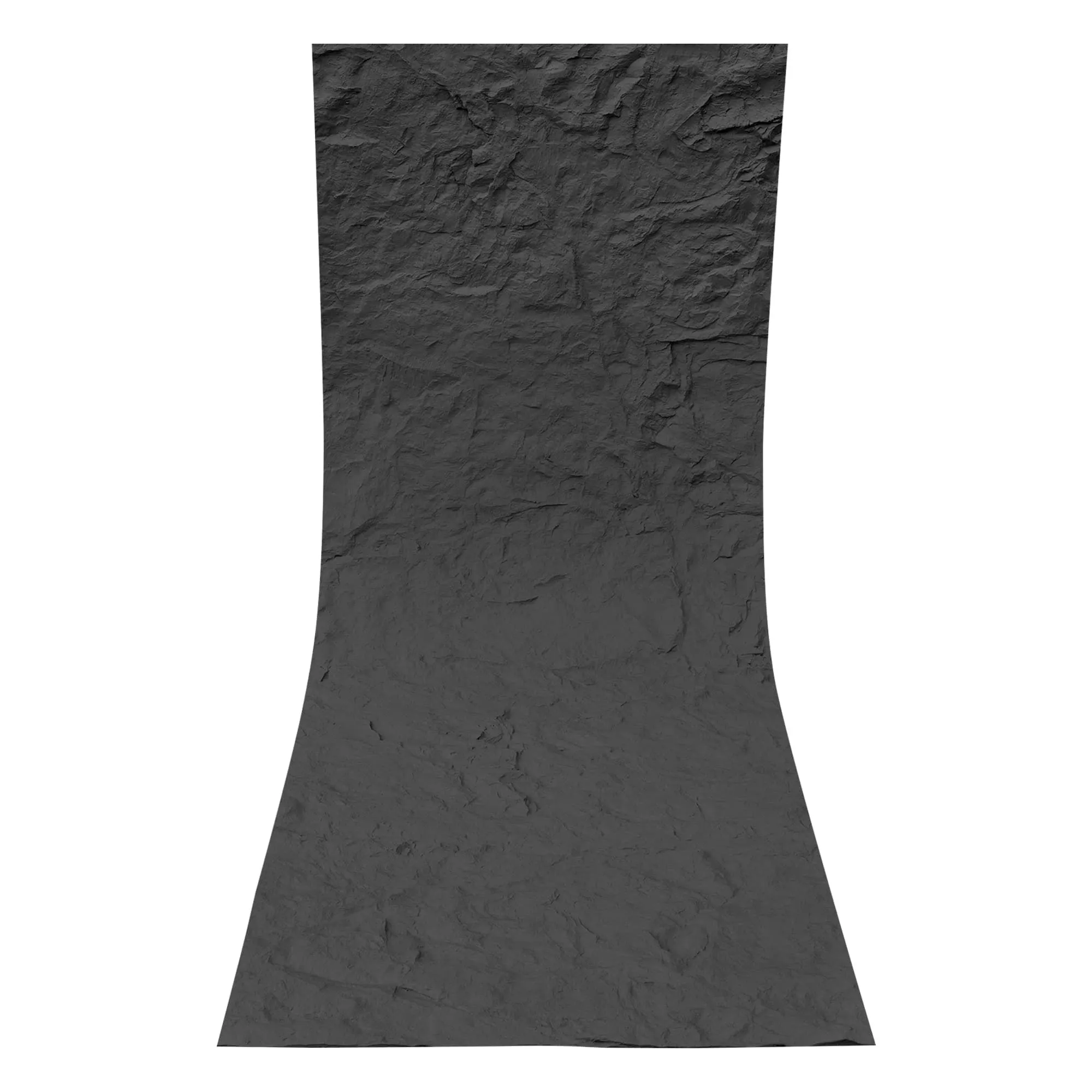
Walk through any city, and you'll notice it: buildings aren't just structures—they're stories. The materials that clothe their exteriors, line their interiors, and shape their character speak volumes about the era, the designer's vision, and the way we want to experience space. For decades, architects and designers have balanced two often conflicting desires: the timeless beauty of natural materials and the practical demands of modern construction—lightweight durability, flexibility, and sustainability. Enter boulder slab: a material that doesn't just bridge this gap but redefines what's possible in architectural design.
Whether you're an architect drafting a commercial high-rise, a homeowner dreaming of a facade that stands out, or a designer hunting for that perfect accent wall, boulder slab has likely crossed your radar. But what exactly is it? How does it differ from traditional stone or metal panels? And why are variants like boulder slab (vintage silver), boulder slab (vintage gold), and boulder slab (vintage black) suddenly popping up on the most innovative building projects around the world? This guide dives deep into the world of boulder slab, from its scientific roots to real-world application, to help you understand why it's quickly becoming a staple in forward-thinking design.
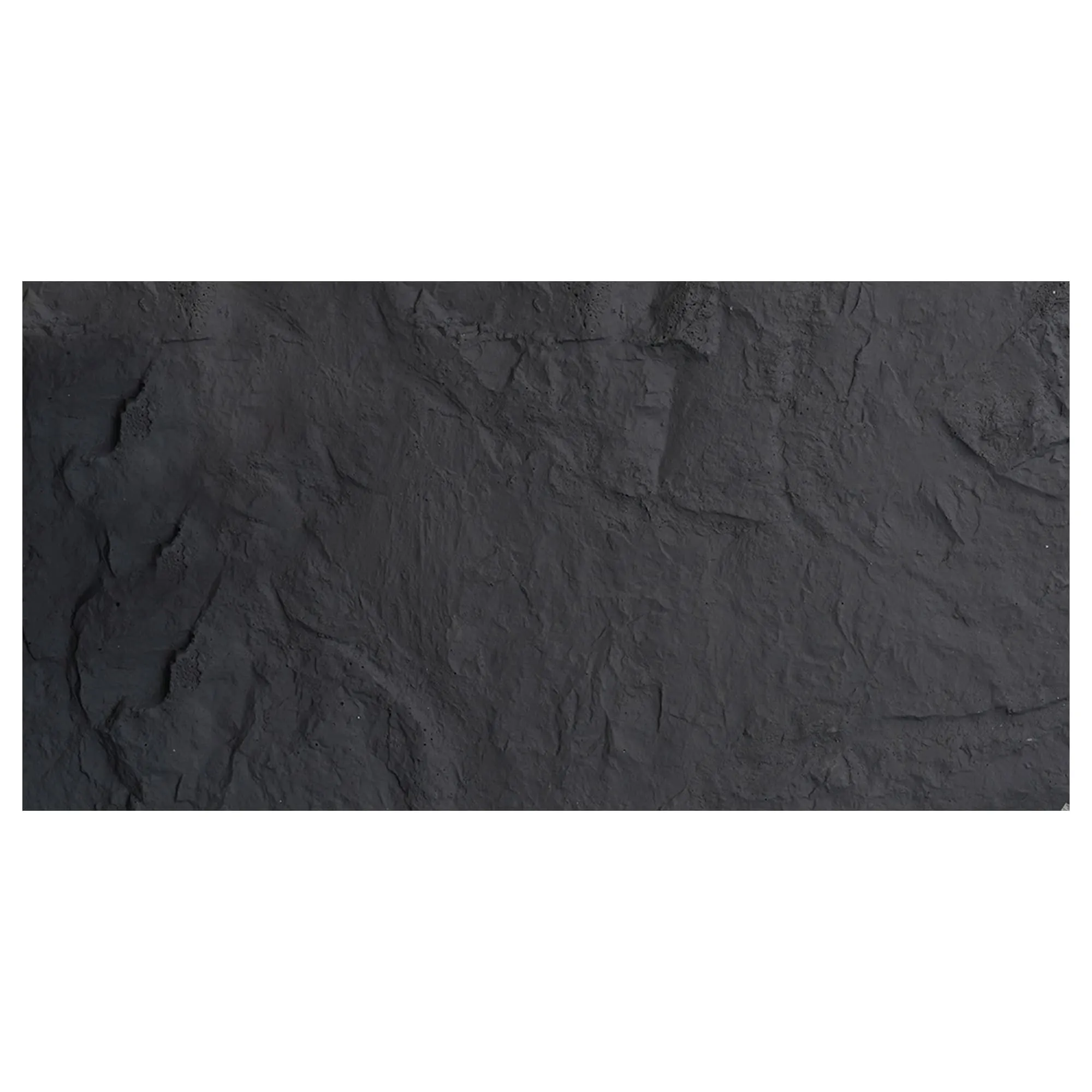
Let's start with the fundamentals: boulder slab is not your grandfather's stone cladding. It's part of a newer class of building materials known as MCM (Modified Composite Material) panels—engineered to mimic the look and feel of natural stone, metal, or wood while packing in a host of modern advantages. Think of it as nature's beauty, reimagined with 21st-century science.
At its core, boulder slab is a composite material, meaning it blends multiple components to create a product that outperforms its individual parts. Unlike solid stone slabs, which are heavy, brittle, and hard to install, boulder slab is designed to be lightweight and flexible—traits that make it a favorite for both exterior facades and interior spaces. And while it can mimic the texture of rough-hewn stone or aged metal, it's actually a high-tech blend of polymers, natural aggregates, and reinforcing fibers, all bonded together through a precision manufacturing process.
But boulder slab isn't just a "fake" stone. It's a better stone—for many applications, anyway. It's part of a broader movement toward MCM solutions, which include products like mcm flexible stone, designed to offer the aesthetic depth of natural materials without the logistical headaches. So, if you've ever admired a building with a rich, weathered metal facade that somehow doesn't weigh the structure down, or a home with a stone accent wall that was installed in a fraction of the time traditional stone would take, there's a good chance boulder slab was involved.
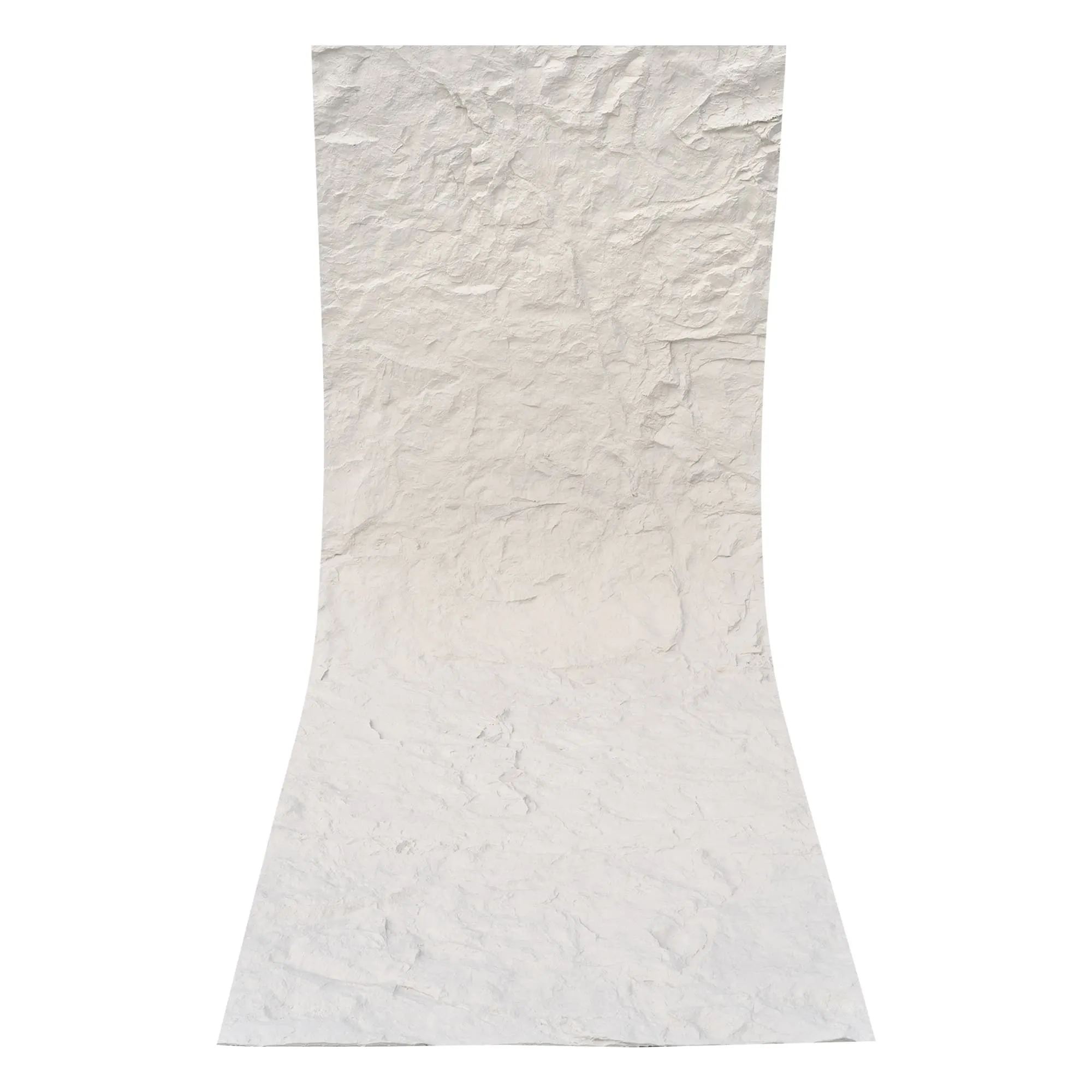
To truly appreciate boulder slab, you need to peek behind the curtain at its creation. This isn't a material that's chiseled from a quarry or poured into a mold and left to set—it's a product of careful engineering, where every ingredient and step is calibrated for performance.
At its most basic, boulder slab is made from three key components:
Some formulations may also include additives: fire-retardant chemicals for safety, pigments for color (hello, vintage gold!), or sealants to enhance water resistance. The exact blend varies by manufacturer, but the goal is always the same: to create a material that's strong but light, durable but workable, and beautiful but low-maintenance.
Creating boulder slab is a bit like baking a very precise cake—with industrial-scale equipment. Here's a simplified breakdown of the process:
The end product? A panel that's typically 3–6mm thick, weighs 3–5 kg per square meter (compared to 20–30 kg for natural stone), and can be cut, drilled, or shaped with standard tools. It's this combination of light weight and workability that makes boulder slab a game-changer for construction.
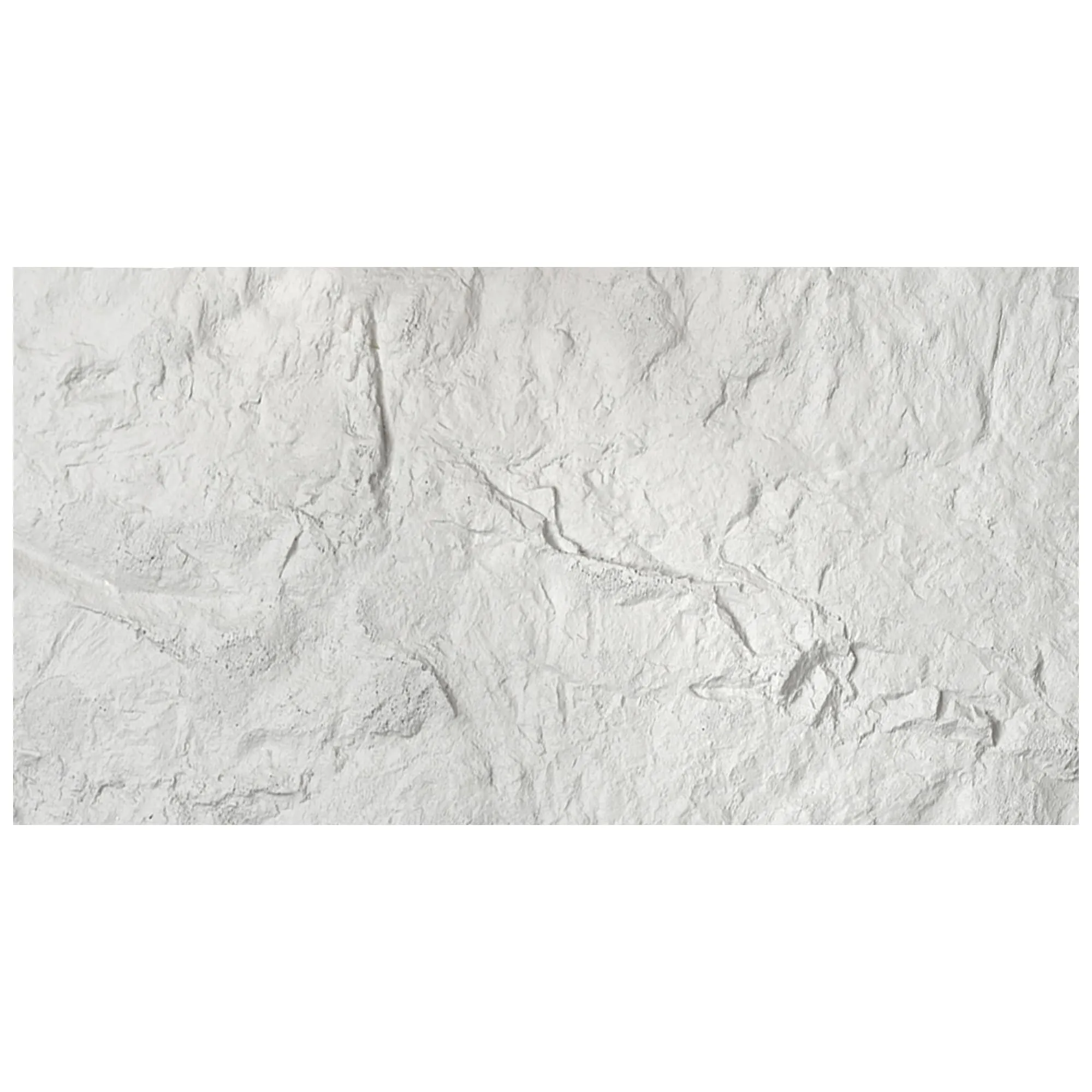
So, boulder slab is engineered—but what does that mean for you, the person choosing materials for a project? Let's break down its most impressive properties, and why they matter in real-world applications.
Traditional stone slabs are heavy—so heavy, in fact, that they often require reinforced structural support, which adds cost and complexity to a build. Boulder slab, by contrast, weighs in at a fraction of that. A typical 4×8 ft panel might weigh 15–20 pounds, compared to 100+ pounds for a solid stone slab of the same size. This light weight means:
Don't let the light weight fool you—boulder slab is tough. Thanks to its polymer binding and fiber reinforcement, it's resistant to all kinds of wear and tear:
Here's where the "MCM" in mcm flexible stone really shines: boulder slab isn't rigid. It can bend slightly (up to a few degrees, depending on thickness) without cracking, making it perfect for curved walls, rounded columns, or uneven substrates. Traditional stone? It's either flat or requires custom-cutting at a steep cost. Boulder slab lets designers think outside the box—literally.
Sustainability isn't just a buzzword anymore—it's a requirement for many projects. Boulder slab checks several green boxes:
Compare that to fair-faced concrete, which, while durable, is heavy, hard to repair, and often lacks the aesthetic versatility of boulder slab. It's no wonder sustainability-focused projects are increasingly turning to MCM solutions.
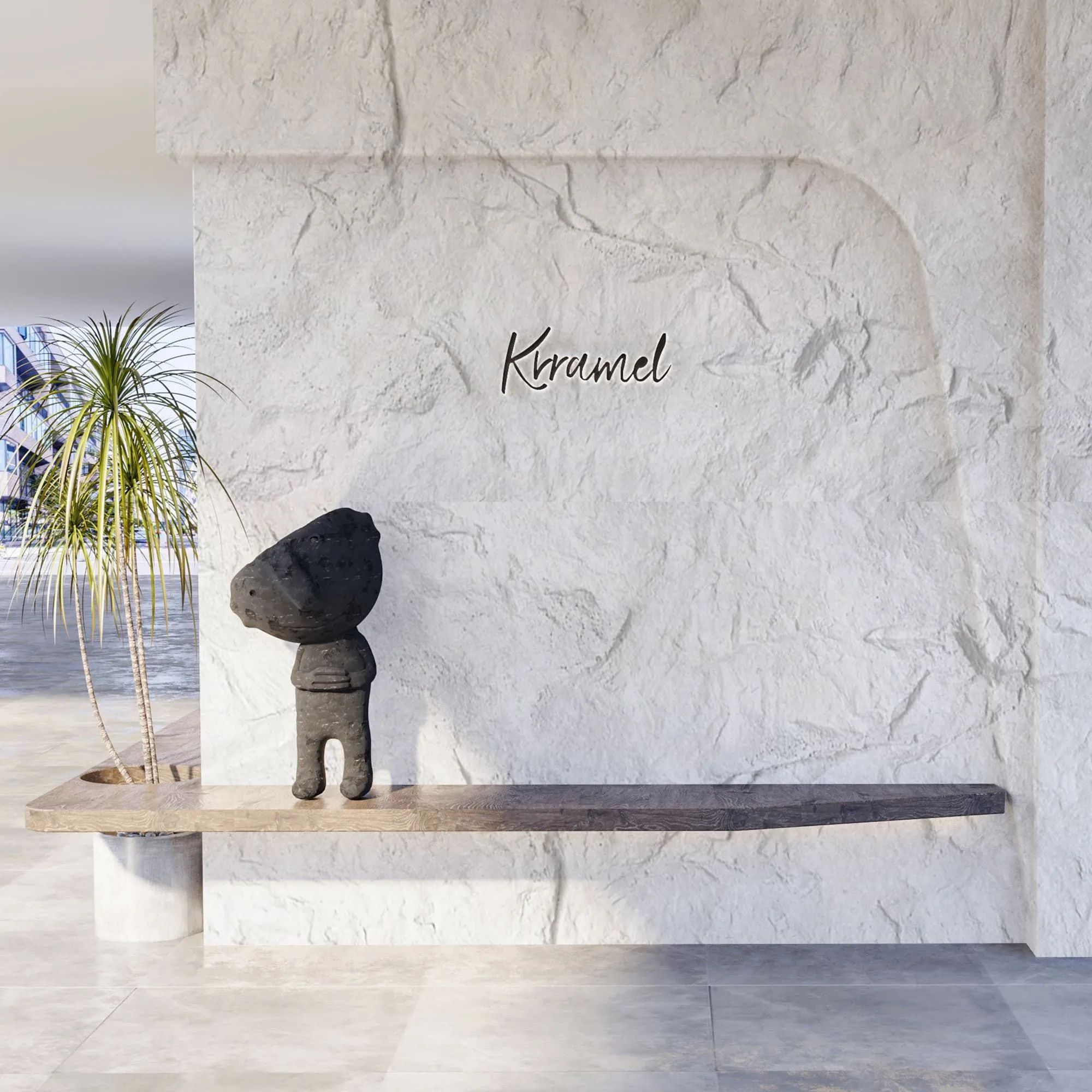
Performance is critical, but let's be honest—we choose materials first with our eyes. Boulder slab's real magic lies in how it marries function with beauty, offering a range of looks that cater to everything from industrial chic to rustic warmth. Nowhere is this more evident than in its "vintage" variants: boulder slab (vintage silver), boulder slab (vintage gold), and boulder slab (vintage black).
Vintage silver boulder slab is the chameleon of the bunch. Its muted, silvery-gray tone with subtle metallic flecks mimics aged aluminum or weathered zinc, making it a favorite for industrial-inspired designs. Imagine a warehouse conversion in Brooklyn, where exposed brick meets vintage silver boulder slab accent walls—the material adds edge without overwhelming the space. Or a modern office building with a facade that shimmers softly in the sun, avoiding the harshness of polished metal. It pairs beautifully with dark woods, black accents, and even warm colors like terracotta, making it surprisingly versatile.
For projects that need warmth and a hint of opulence, vintage gold boulder slab delivers. Its rich, honeyed tone—think aged brass or sunlit copper—adds depth without feeling gaudy. It's perfect for hospitality spaces: a boutique hotel lobby with a vintage gold feature wall behind the reception desk, or a restaurant exterior that glows softly at dusk, inviting passersby in. Homeowners love it too—imagine a kitchen backsplash in vintage gold, paired with white cabinetry and marble countertops, balancing modern minimalism with old-world charm. Unlike real gold leaf or brass, it won't tarnish unevenly or require constant polishing—just a quick wipe-down to keep its luster.
When you want to make a statement, vintage black boulder slab is your go-to. Its deep, inky color with subtle texture (some variants have a slight "hammered" finish) reads as both modern and timeless. It's a favorite for high-end retail facades, where a sleek black exterior signals sophistication, or for residential homes aiming for a "dark academia" or minimalist vibe. A home with a vintage black boulder slab facade, paired with large windows and white trim, feels both imposing and inviting—like a modern castle. And because it's so dark, it hides dirt and wear better than lighter tones, making it a practical choice for busy commercial spaces.
Of course, these are just the start. Boulder slab also comes in neutral tones that mimic natural stone—think beiges, grays, and whites—for projects that call for a more understated look. But it's the vintage variants that really showcase the material's ability to blend nostalgia with innovation, offering the "patina of time" without the wait (or the upkeep).
So, where exactly can you use boulder slab? The short answer: almost anywhere. Its versatility—lightweight, durable, flexible, and aesthetically diverse—makes it suitable for a wide range of projects, from grand commercial buildings to cozy residential nooks. Let's explore some of the most popular applications.
Your building's facade is its "face to the world," and boulder slab is a star here. Its weather resistance and light weight make it ideal for cladding entire exteriors, whether you're designing a mid-rise apartment complex, a retail store, or a hotel. For example:
Unlike traditional stone or metal cladding, boulder slab installation is fast—contractors can cover large areas in days, not weeks—saving time and labor costs.
Inside, boulder slab is a designer's secret weapon for creating focal points. Whether it's a living room, bedroom, or office, an accent wall clad in boulder slab instantly elevates the space:
And because it's lightweight, you don't need to reinforce interior walls to support it—just a little adhesive, and you're good to go.
In retail, the goal is to make customers stop, look, and (hopefully) buy. Boulder slab helps create that "wow" factor:
Boulder slab's flexibility opens up even more possibilities:
You're sold on boulder slab—now what? Bringing it from the drawing board to your project requires careful planning, from choosing the right variant to ensuring proper installation. Let's walk through the process step by step.
Not all boulder slabs are created equal, and the "right" one depends on your goals. Ask yourself these questions:
Pro tip: Order samples! Colors and textures can look different in photos than in person, and you'll want to see how the light hits the material at different times of day.
Boulder slab is forgiving, but it still needs a clean, stable substrate to adhere to. Here's what to do before installation day:
Installing boulder slab is generally simpler than traditional stone, but it still requires care. Below is a comparison of traditional natural stone installation vs. boulder slab installation to highlight the differences:
| Aspect | Traditional Natural Stone Installation | Boulder Slab Installation |
|---|---|---|
| Weight Handling | Requires 2–3 people per slab; risk of injury | 1 person can handle panels; lightweight (3–5 kg/sq m) |
| Cutting | Requires diamond-tipped blades; generates dust; slow | Can be cut with standard saws; minimal dust; fast |
| Adhesion | Often requires mortar or mechanical anchors; heavy curing time | Uses construction adhesive; sets in hours, not days |
| Installation Time (100 sq m) | 3–5 days (team of 4) | 1–2 days (team of 2) |
| Cost (Labor + Materials) | Higher (quarrying, shipping, labor-intensive installation) | 30–50% lower (lighter shipping, faster installation) |
For boulder slab specifically, follow these steps:
Once the panels are up, add trims or moldings to hide edges and create a polished look. Metal trims in black or silver work well with vintage boulder slab, while wood trims complement natural stone-inspired variants. For exterior projects, install flashing around windows and doors to redirect water away from the panels—this adds extra protection against leaks.
One of the best things about boulder slab is that it's low-maintenance—but "low" doesn't mean "no." A little care will keep it looking fresh for years to come.
For most dirt and grime, warm water and a soft cloth or sponge are all you need. For tougher stains (like oil or grease), mix a mild detergent (dish soap works!) with water and gently scrub—avoid abrasive pads or harsh chemicals (bleach, ammonia), which can damage the finish. Rinse thoroughly and dry with a clean cloth to prevent water spots.
Exteriors can be hosed down periodically—just avoid high-pressure washers, which can dislodge panels if the adhesive is old or weak.
Boulder slab is tough, but accidents happen. Here's how to handle common issues:
While boulder slab is UV-resistant, prolonged exposure to direct sunlight can fade some colors over time (vintage gold is more prone to this than silver or black). To slow fading, consider applying a UV-protective sealant every 3–5 years (exterior only). Interior panels rarely need sealing, but it's an option if you want extra shine.
Avoid placing heavy objects against boulder slab walls—while they're strong, constant pressure can cause panels to bow or detach. And if you're using boulder slab near a fireplace or grill, keep a 12-inch buffer zone to prevent heat damage (most panels are heat-resistant, but extreme temps can warp the resin).
As we've explored, boulder slab isn't just another building material—it's a bridge between the past and the future. It honors the beauty of natural stone and aged metal while embracing the innovation of modern engineering, offering lightweight durability, flexibility, and stunning aesthetics in one package. Whether you opt for the cool industrial vibe of boulder slab (vintage silver), the warm luxury of boulder slab (vintage gold), or the bold drama of boulder slab (vintage black), you're choosing a material that works as hard as you do—both in performance and in style.
In a world where design and functionality are no longer mutually exclusive, boulder slab stands out as a solution that doesn't compromise. It's sustainable, affordable, and endlessly adaptable, making it a favorite for architects, designers, and homeowners who refuse to settle for "good enough." So the next time you walk through that city street, keep an eye out—you might just spot boulder slab telling a new story, one beautiful, durable panel at a time.
Recommend Products












