
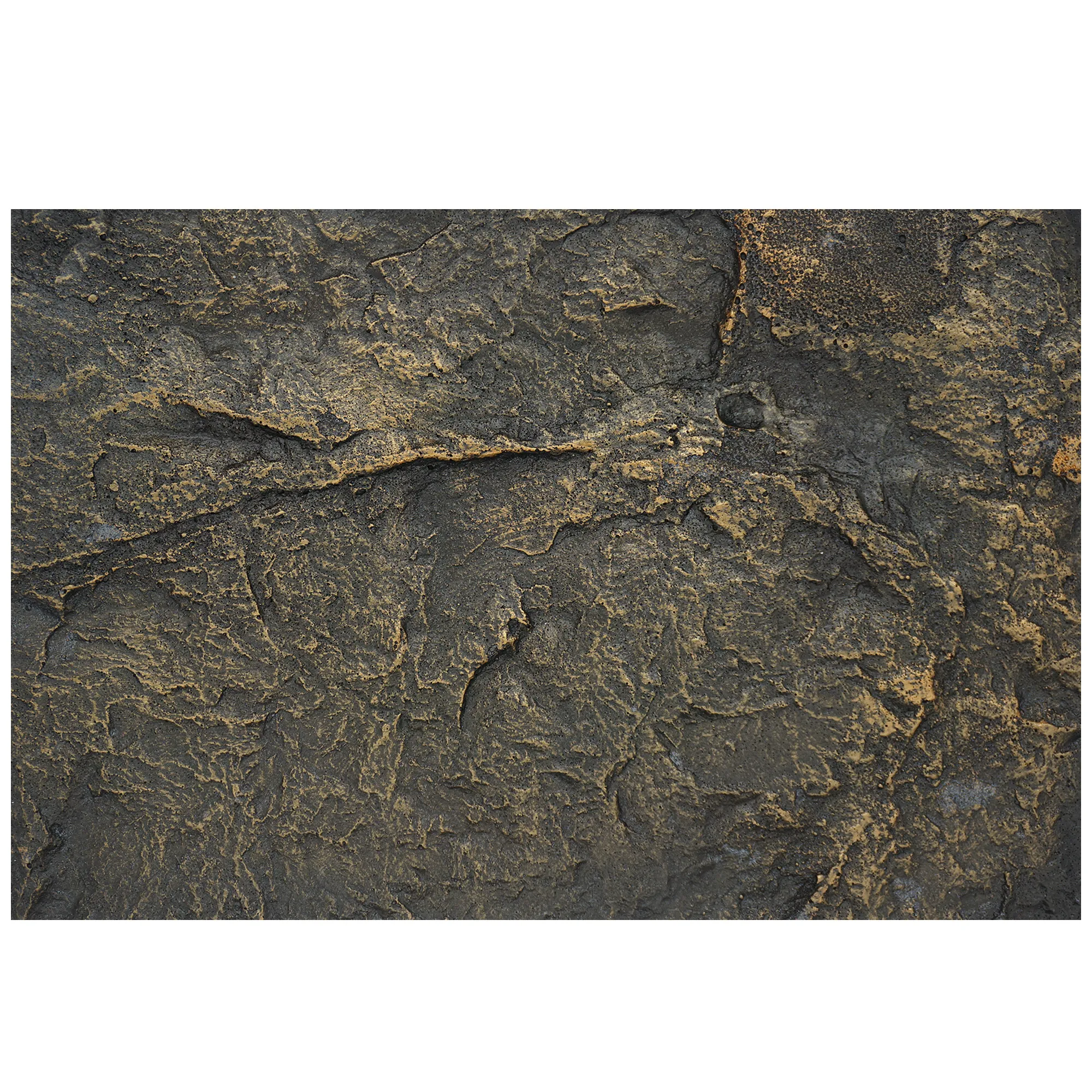
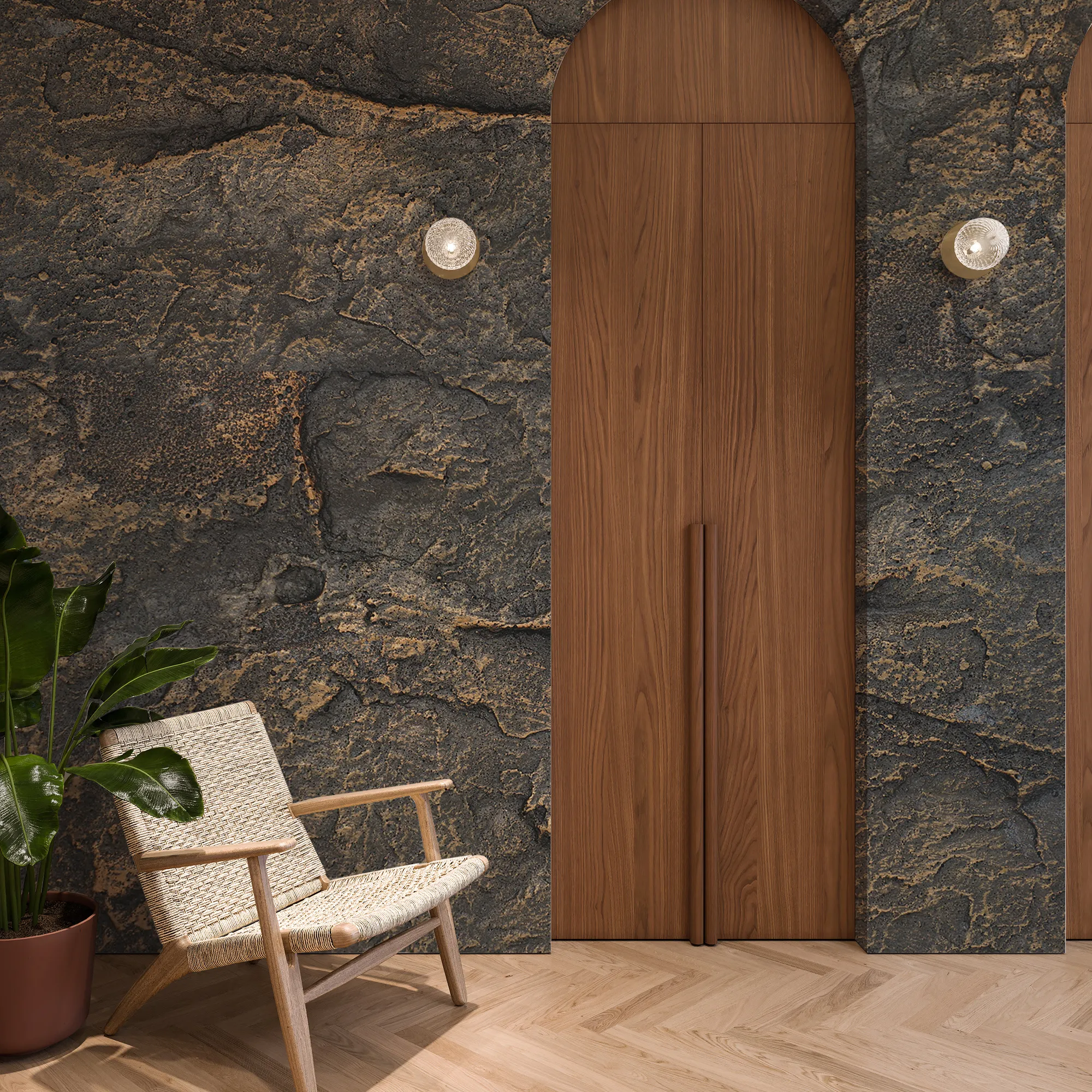
If you've ever stepped into a high-end restaurant, a boutique hotel lobby, or even a modern home with an eye for design, you might have paused at a wall or facade that seemed to radiate warmth—like sunlight caught in stone. Chances are, that showstopper was Boulder Slab (Vintage Gold). With its rich, aged gold finish that blends rustic texture with a touch of luxury, it's no wonder this material has become a go-to for architects and homeowners alike. But as with any premium building material, its beauty comes with a price tag. Let's pull back the curtain on what goes into the cost of Boulder Slab (Vintage Gold) and how to plan your project budget without surprises.
Before we dive into costs, let's make sure we're all on the same page. Boulder Slab is part of a broader family of building materials known for its durability and versatility, often grouped under MCM big slab board series —a line of large-format panels designed for both interior and exterior use. What sets the "Vintage Gold" finish apart is its unique patina: a warm, weathered gold tone that mimics the look of aged metal or sun-kissed stone, without the heaviness or maintenance of traditional materials.
Unlike solid stone slabs, Boulder Slab leverages MCM flexible stone technology. MCM, or Modified Composite Material, combines natural minerals with lightweight polymers, resulting in panels that are tough, flexible, and easier to handle than, say, marble or granite. This tech isn't just about convenience—it directly impacts both the quality and the cost of the final product, which we'll unpack next.
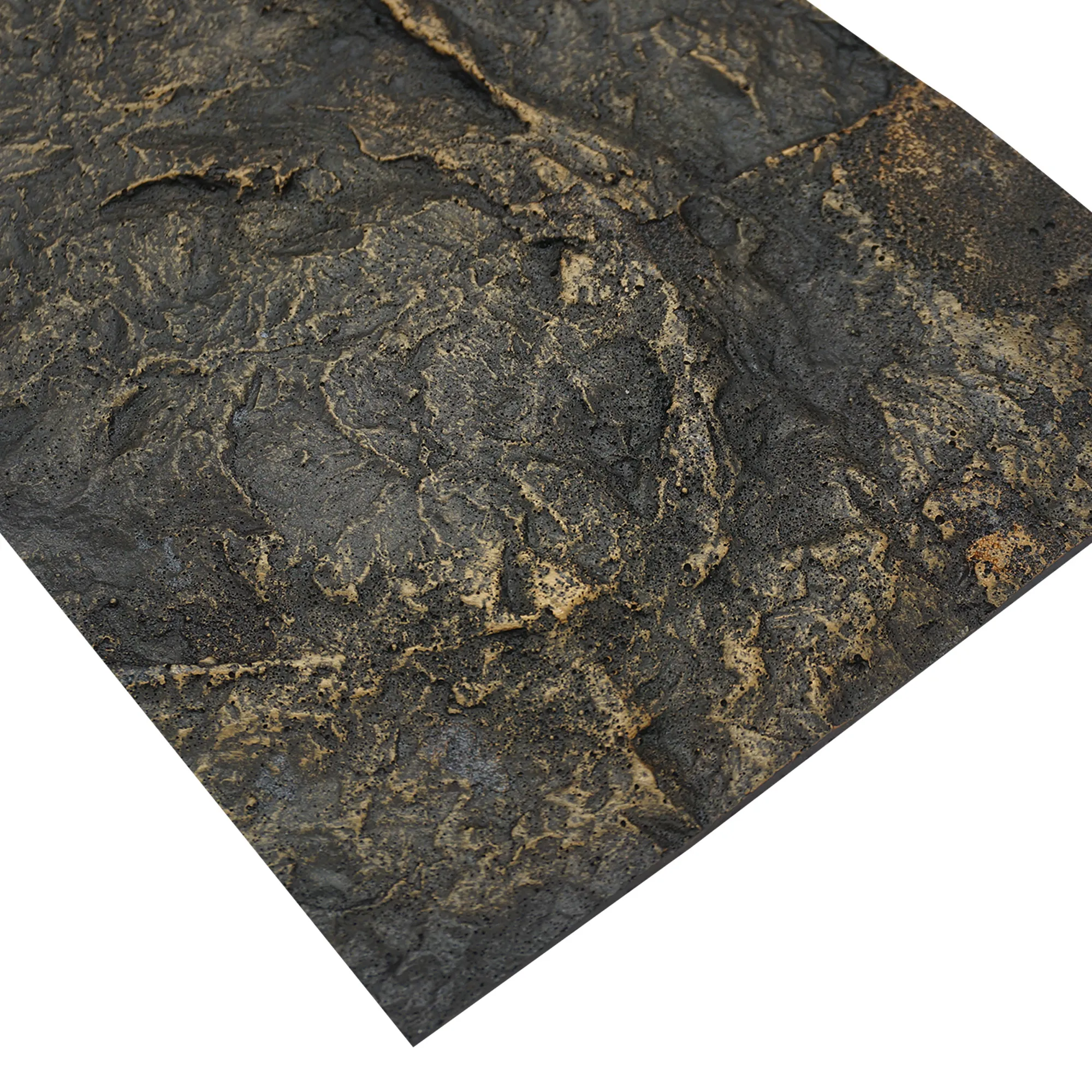
Let's start with the most obvious question: How much does the slab itself cost? On average, you're looking at $25 to $35 per square foot for Boulder Slab (Vintage Gold) material alone. But why that range? Let's break it down.
Boulder Slab starts with a base of natural stone aggregates—think crushed marble, limestone, or granite—mixed with resins and polymers. The "Vintage Gold" finish adds another layer: metallic pigments, specialized dyes, and a patina treatment to create that aged look. Sourcing high-quality aggregates (which ensure durability) and premium pigments (for a consistent, rich gold hue) drives up the base cost. Cheaper alternatives might use lower-grade pigments that fade or uneven aggregates that crack over time—so you're paying for longevity here.
Remember that MCM flexible stone tech we mentioned? It's not just a buzzword. Creating flexible, large-format slabs requires precision: mixing the composite, pressing it into molds, curing it under controlled heat, and then applying the Vintage Gold finish. Each step demands specialized equipment and skilled labor. For example, the patina on Vintage Gold isn't just painted on—it's often a chemical reaction that needs careful timing to achieve that perfect "lived-in" glow. Rushing this process leads to inconsistent finishes, so manufacturers invest time (and money) in getting it right.
Boulder Slab comes in various sizes, but most projects use large-format panels (often 4x8 feet or bigger) to minimize seams. Larger slabs require more material and more careful handling during manufacturing, which adds a small premium. Thickness is another factor: standard slabs are around 6-10mm thick, but if you need something sturdier (for high-traffic areas like floors), expect to pay $5-$10 more per square foot.
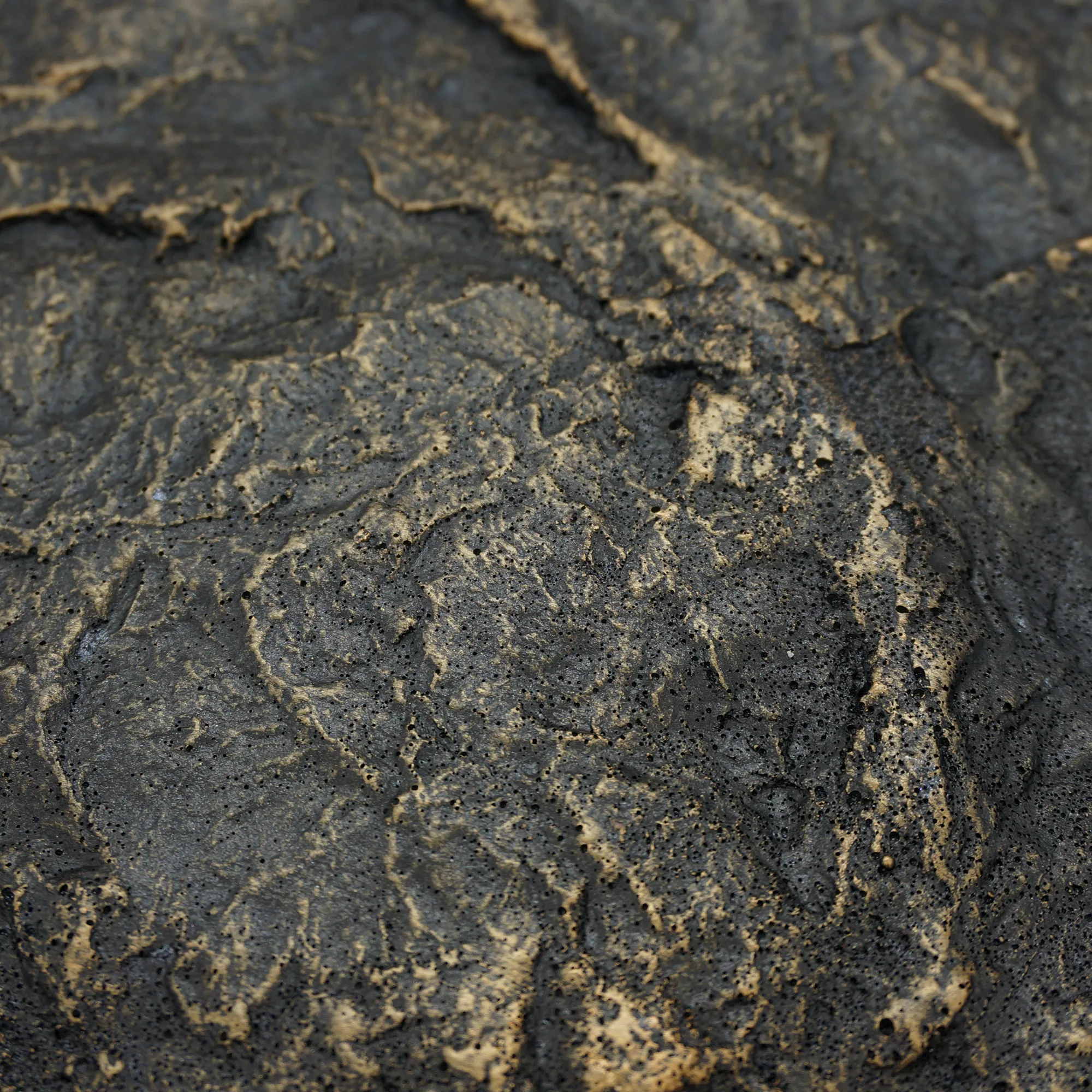
Here's where many first-time buyers get caught off guard: the slab itself is just part of the equation. Installation can add another $15 to $25 per square foot, depending on the project. Let's break down why.
Installing Boulder Slab (Vintage Gold) isn't a job for a weekend DIYer—at least, not if you want it to look professional. The slabs are large and, while flexible, still require precise alignment to avoid gaps or uneven seams. Installers need experience with MCM big slab board series products specifically, as they behave differently than traditional tile or drywall. Expect to pay $10-$18 per square foot for labor alone, with higher rates for complex projects (like curved walls or exterior facades).
Slabs won't stick to just any surface. The substrate (the wall, floor, or ceiling you're covering) needs to be clean, flat, and stable. If your existing wall is uneven, cracked, or covered in old paint, you'll need to factor in prep costs: sanding, patching, or even installing a backer board. For exterior projects, waterproofing is a must—add another $2-$5 per square foot for sealants and moisture barriers to protect that Vintage Gold finish from rain and UV rays.
Installers need specialized tools: tile saws with diamond blades (to cut the slabs without chipping the finish), suction cups (to lift large panels), and laser levels (for precision alignment). While most contractors include tool costs in their labor fees, if your project requires custom cuts (like around windows or outlets), you might see an extra charge of $10-$20 per cut.
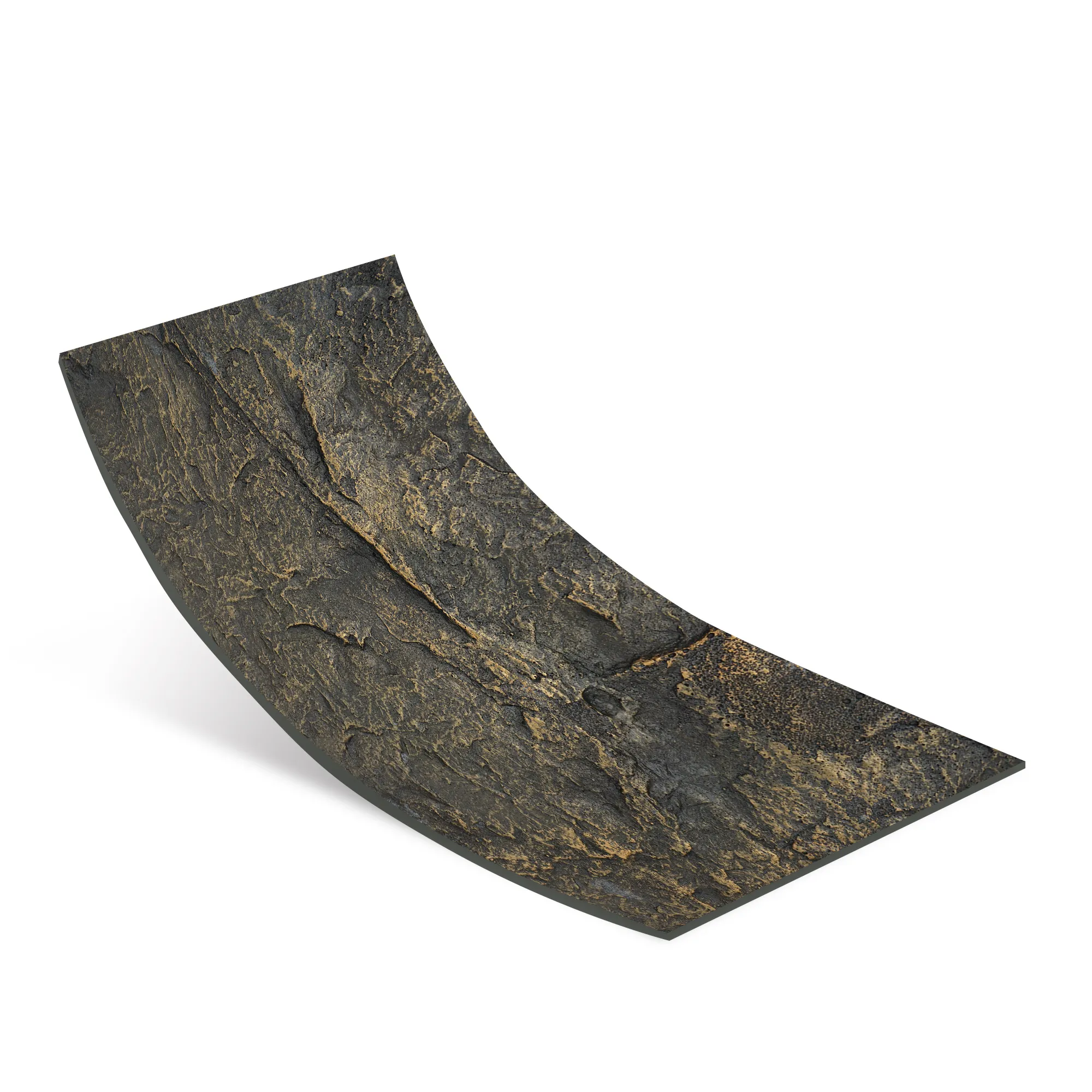
Even if you've budgeted for material and installation, there are a few more line items to keep in mind. These "hidden" costs can add 10-15% to your total budget if you're not prepared.
Boulder Slab panels are large and, while lightweight compared to solid stone, still bulky. Shipping them from the manufacturer to your project site isn't cheap—especially if you're far from a distribution center. Expect to pay $300-$800 for delivery, depending on distance and order size. Pro tip: Ordering in bulk (for larger projects) can sometimes lower per-unit shipping costs.
No matter how careful your installer is, there will be waste. Cuts, breakage, or misaligned panels mean you'll need extra material—usually 10-15% more than your actual square footage. For a 500-square-foot project, that's 50-75 extra square feet of slab, adding $1,250-$2,625 to your material costs. Skipping this buffer might leave you short, forcing rushed (and expensive) reorders.
Love the Vintage Gold finish but want a unique pattern, like a herringbone layout or custom edge detailing? Custom work adds up fast. Manufacturers charge extra for non-standard sizes or finishes, and installers will bill more for intricate layouts. A simple border might add $500-$1,000 to a small project; a fully custom design could double your labor costs.
Is Vintage Gold worth the premium? Let's compare it to similar materials, including other Boulder Slab finishes and alternatives like fair-faced concrete .
| Material | Material Cost (per sq ft) | Installation Cost (per sq ft) | Total Estimated Cost (per sq ft) |
|---|---|---|---|
| Boulder Slab (Vintage Gold) | $25–$35 | $15–$25 | $40–$60 |
| Boulder Slab (Vintage Silver) | $22–$32 | $15–$25 | $37–$57 |
| Boulder Slab (Vintage Black) | $23–$33 | $15–$25 | $38–$58 |
| Fair-Faced Concrete | $15–$25 | $10–$15 | $25–$40 |
Key takeaway: Vintage Gold is pricier than fair-faced concrete but offers a warmer, more luxurious look. Compared to other Boulder Slab finishes, it's only slightly more expensive—so if you love the gold hue, the upgrade is relatively small. For high-end projects where aesthetics matter (like boutique hotels or luxury homes), the premium is often justified by the visual impact.
Let's put these numbers into context with two common project types.
These examples assume straightforward installations. For historic buildings or projects with strict building codes, costs could climb higher due to additional permits or specialized compliance work.
Ready to move forward? Here's how to avoid overspending:
Work with your designer to create a layout that uses full slabs as much as possible. Avoid small, odd-sized cuts—they waste material and require extra labor. A simple grid pattern is often cheaper than a complex herringbone or chevron.
It's tempting to skip samples to save money, but a mismatched finish or texture can lead to costly reorders. Most suppliers offer free or low-cost samples—use them to check how the Vintage Gold looks in your space's lighting before committing.
A general contractor might quote lower labor rates, but inexperience with MCM big slab board series can lead to mistakes (like cracked slabs or uneven seams) that cost more to fix later. Paying a little extra for an MCM-savvy installer saves money in the long run.
Vintage Gold is durable, but it still needs care. Factor in sealant (every 2-3 years for exteriors) and cleaning supplies to keep the finish looking fresh. A $200 sealant kit now can prevent $2,000 in refinishing costs later.
Like many building materials, Boulder Slab prices fluctuate with demand. Suppliers often offer discounts in slower seasons (winter for most regions). Planning your project for these times can trim 5-10% off material costs.
At the end of the day, Boulder Slab (Vintage Gold) is an investment in both aesthetics and durability. It's not the cheapest option, but its unique warm finish, lightweight durability, and versatility make it a standout choice for projects where design matters. For homeowners wanting to elevate a living room or businesses aiming to make a luxury statement, the cost often pays off in increased property value and curb appeal.
By breaking down the budget—material, installation, hidden costs—and planning carefully, you can enjoy the beauty of Vintage Gold without breaking the bank. And remember: when it comes to building materials, skimping on quality often leads to higher costs later. Boulder Slab (Vintage Gold) isn't just a slab—it's a long-term design choice that shines for years to come.
Recommend Products












