


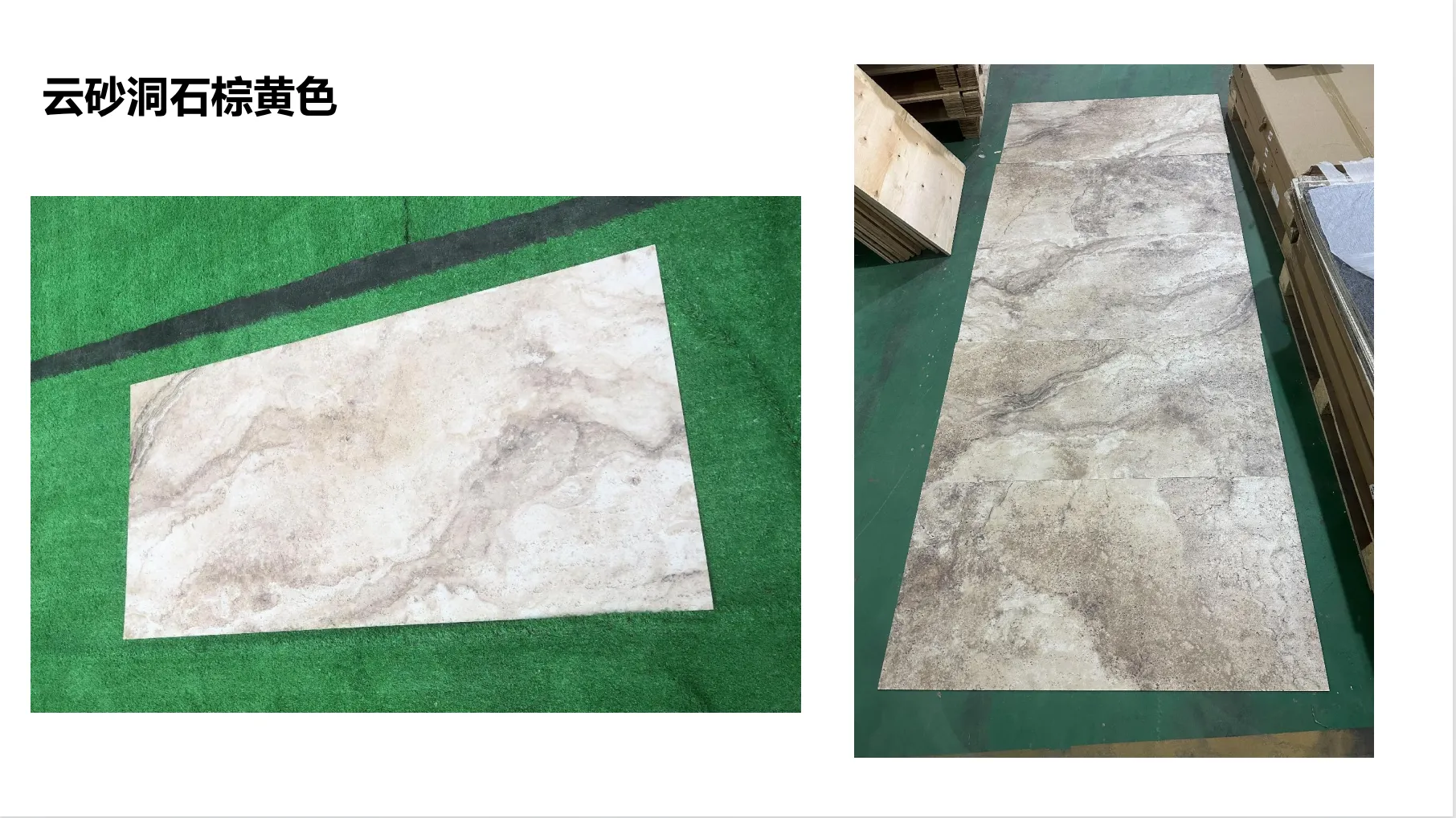
Let's start with the basics: travertine has long been a favorite in architecture, from ancient Roman amphitheaters to modern minimalist homes. But within the travertine family, dolomitic travertine stands out—and Dolomitic Travertine (Claybank) is one of its most sought-after variants. You might be wondering, "What makes it 'dolomitic'?" Unlike regular travertine, which is primarily calcium carbonate, dolomitic travertine has a higher magnesium content, giving it extra durability and a unique texture that feels both earthy and refined.
Claybank, as the name suggests, leans into warm, earthy tones—think soft terracotta, sandy beige, or muted clay. It's the kind of stone that doesn't scream for attention but adds depth to a space, whether you're using it for a kitchen backsplash, a living room floor, or an outdoor patio. What sets it apart from, say, Travertine (beige) is its subtle variation: no two slabs are identical. You'll find tiny flecks of darker minerals, gentle veining, and a matte finish that feels organic, like it's been shaped by time rather than machinery.
Of course, dolomitic travertine isn't a one-trick pony. If claybank isn't your vibe, there's Dolomitic Travertine (dark grey)—a moodier, more dramatic option that pairs beautifully with modern, industrial designs. But today, we're zeroing in on claybank: why it costs what it does, how to budget for it, and whether it's the right choice for your project.










