
It starts with a dream: a kitchen that feels like a warm hug at the end of the day, a lobby that whispers "welcome home" to guests, or a backyard patio where memories stick like glue. But between that dream and reality lies a crucial question: how do you build it without breaking the bank? For anyone knee-deep in renovation plans, material choices aren't just about colors or textures—they're about stories. Stories of durability that outlasts childhood scrapes, of budgets that stretch to cover both "must-haves" and "nice-to-haves," and of spaces that grow with you, not against you.
In the world of high-end building materials, Granite Portoro has long reigned as the "it girl"—the kind of stone that makes architects gasp and homeowners daydream. But in recent years, a new contender has stepped into the ring: COLORIA MCM Project Board Series . Think of it as the modern underdog, armed with innovation, flexibility, and a price tag that doesn't require a second mortgage. Today, we're diving into both—their histories, their costs, and why one might just be the unsung hero your next project needs.
If you've ever walked into a five-star hotel lobby or a celebrity mansion, chances are you've seen Granite Portoro in action. Picture this: deep, inky black stone swirled with veins of liquid gold, like a starry night sky captured in rock. It's dramatic, unapologetically luxurious, and carries the kind of gravitas that says, "This space matters." Mined primarily in Italy, this granite has been a status symbol for centuries—used in palaces, cathedrals, and yes, even the occasional Hollywood A-lister's kitchen.
But that luxury comes with a cost, and not just the sticker price. Let's break it down. First, extraction: Granite Portoro forms deep underground, in quarries where miners spend months hacking away at solid rock. The process is labor-intensive, risky, and slow—factors that immediately jack up the price. Then there's transportation: a single slab can weigh over 500 pounds, requiring specialized trucks and cranes. By the time it reaches your local supplier, that "starry night" stone has already racked up a bill just to get to your doorstep.
Installation? That's another hurdle. Because of its weight, you'll need a team of experienced installers—no weekend DIY projects here. They'll need to reinforce cabinets or floors to support the stone, and cutting it to fit requires diamond-tipped tools (and a steady hand). Miss a measurement, and you're out thousands of dollars on a wasted slab. And let's not forget maintenance: Granite Portoro is porous, meaning it stains easily. A spilled glass of red wine or a lemon wedge left too long? You'll be shelling out for professional sealing every 1–2 years to keep that golden veining looking fresh.
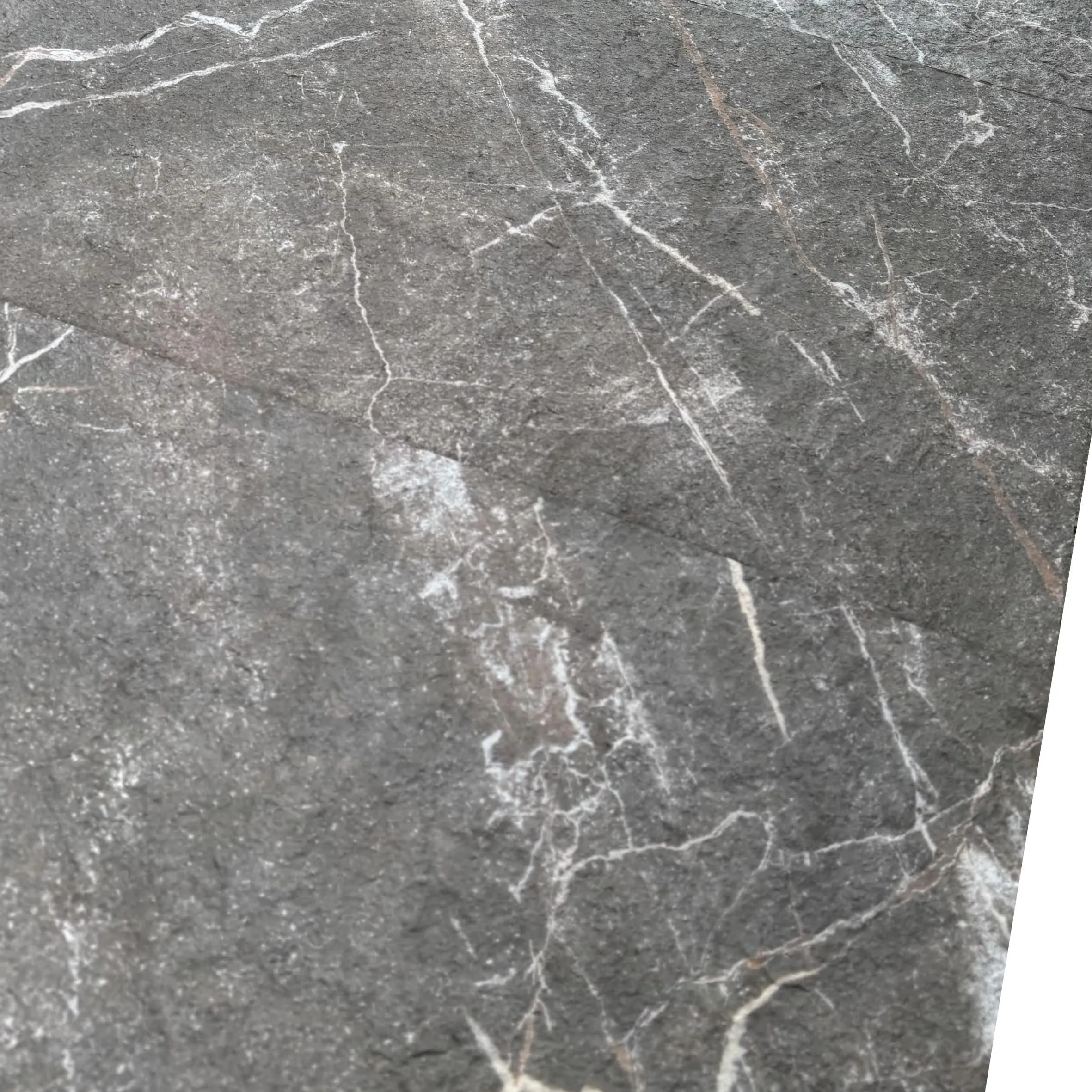
Now, meet the new kid on the block: COLORIA MCM Project Board Series . Short for "Modified Composite Material," MCM boards are the result of decades of engineering—designed to mimic the look of natural stone, wood, or metal, but with a twist: they're lightweight, durable, and actually affordable . Think of them as the Swiss Army knife of building materials: one product, a million possibilities.
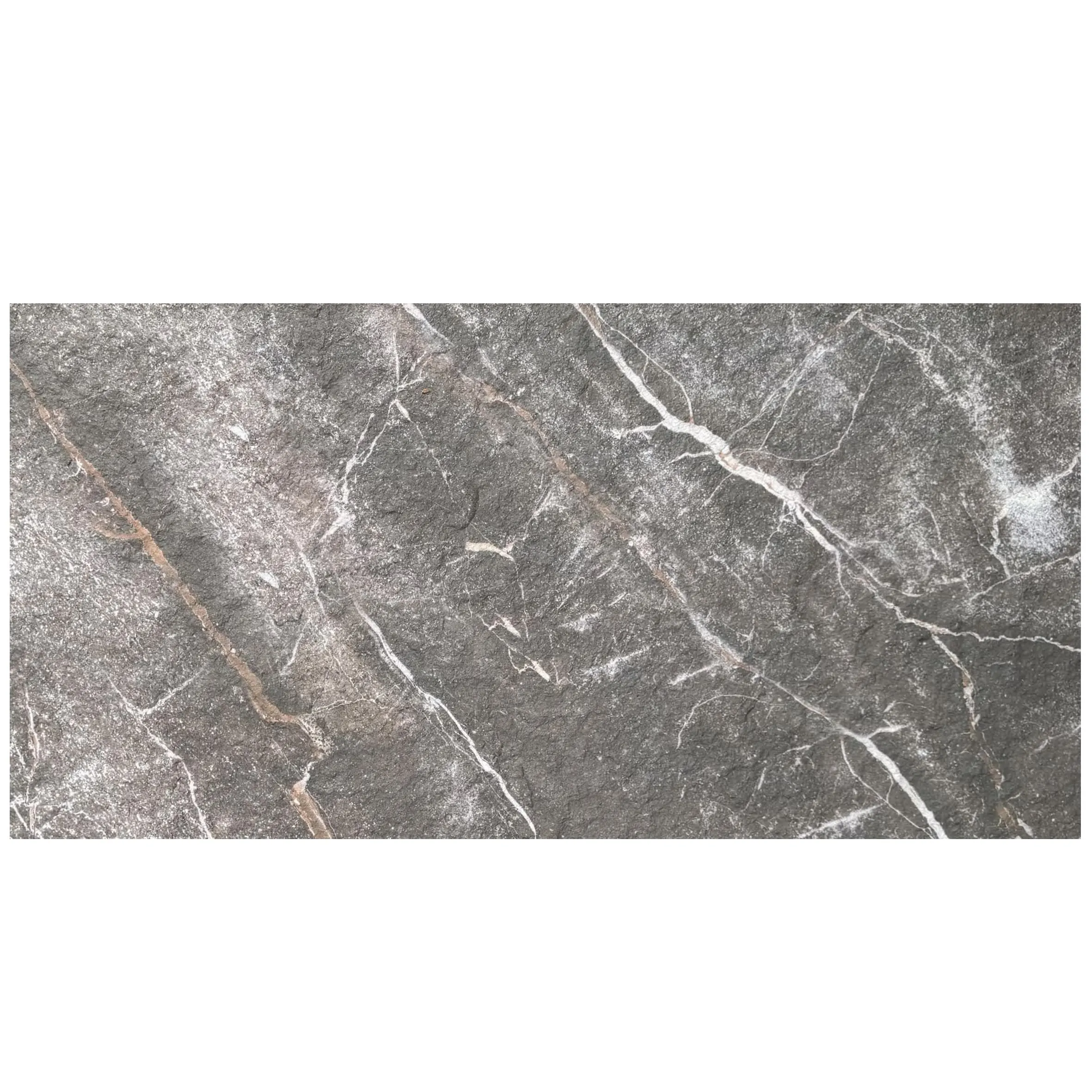
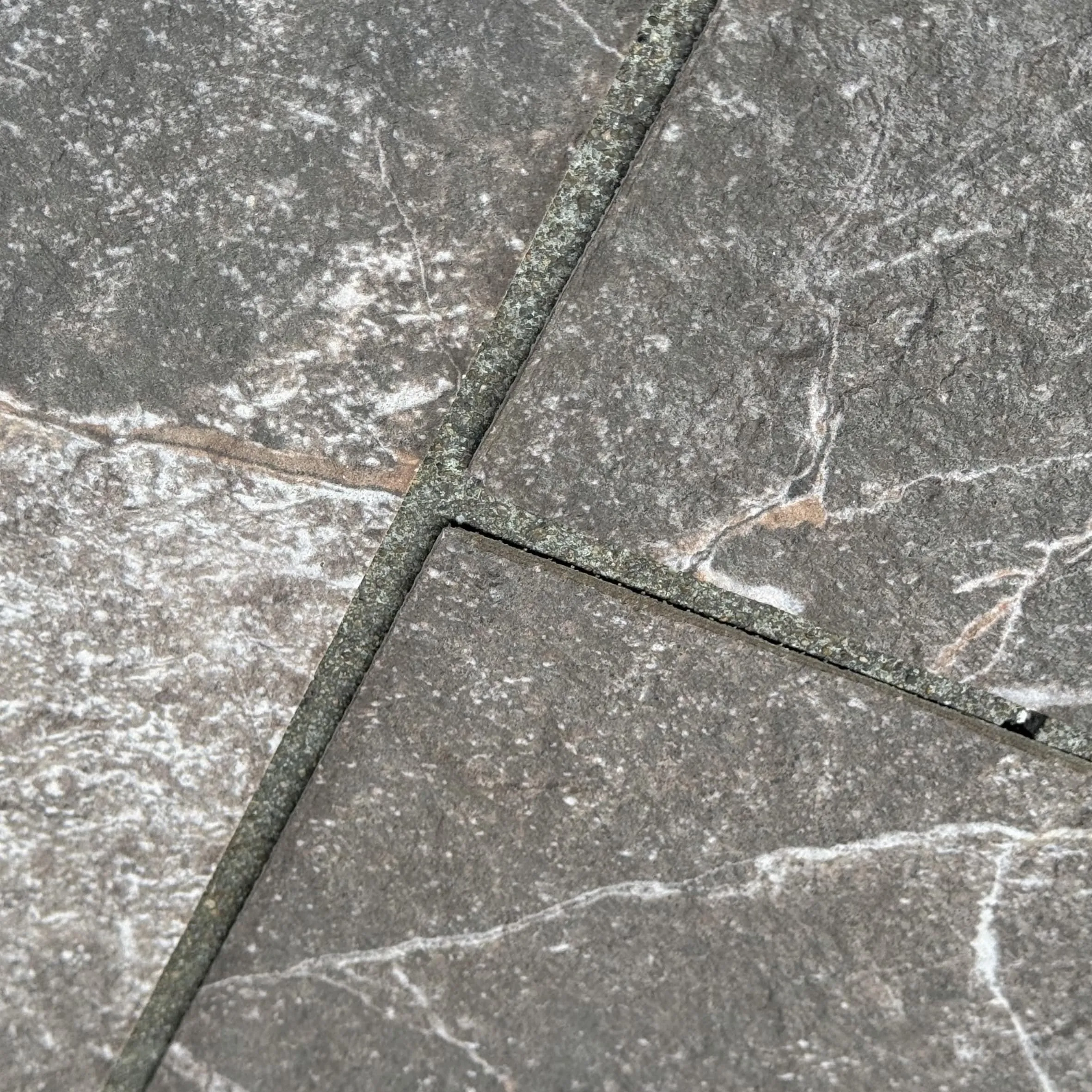
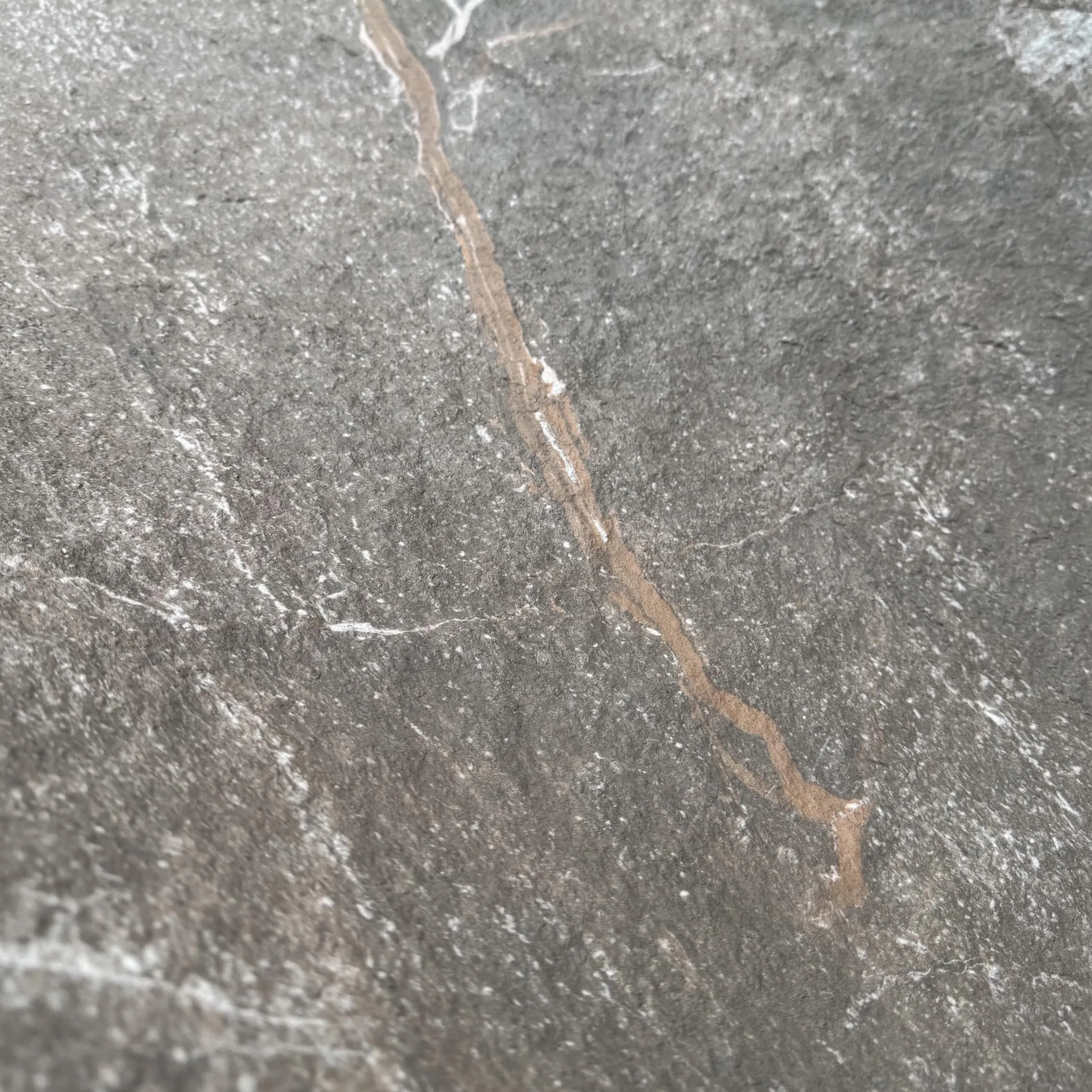
What makes MCM boards different? They're crafted from a blend of recycled minerals, polymers, and fibers, pressed into thin, flexible sheets that weigh a fraction of natural stone. That means you can get the rugged charm of fair-faced concrete for an industrial-chic loft, the earthy warmth of travertine (starry green) for a sunlit patio, or the sleek shimmer of foamed aluminium alloy board (vintage silver) for a modern accent wall—all without the back-breaking weight or sky-high costs.
Let's talk practicality. Installation? A couple of handy friends and a few basic tools are all you need. MCM boards cut like butter with a standard saw, and they attach to walls or surfaces with simple adhesives or screws. No need for reinforced floors or crane rentals here. Maintenance? Wipe them down with a damp cloth—they're stain-resistant, scratch-proof, and UV-protected, so that "starry green" travertine look won't fade even if it's in direct sunlight. And sustainability? Many MCM boards use up to 80% recycled materials, making them a win for both your wallet and the planet.
Enough talk—let's get to the part you've been waiting for: the cost. To make this real, we'll compare a 100 sq. ft. installation (think a kitchen backsplash or a small accent wall) using Granite Portoro and COLORIA MCM Project Boards. Here's how it shakes out:
| Cost Category | Granite Portoro | COLORIA MCM Project Boards |
|---|---|---|
| Material Cost (per sq. ft.) | $150–$250 | $30–$80 |
| Installation Labor | $80–$120/sq. ft. (specialized crew) | $15–$30/sq. ft. (DIY-friendly or basic contractor) |
| Maintenance (10-year estimate) | $500–$800 (sealing, repairs) | $50–$100 (occasional cleaning supplies) |
| Total 10-Year Cost | $23,500–$37,800 | $4,550–$12,100 |
Let that sink in: For the same 100 sq. ft., Granite Portoro could cost you nearly 3x more over a decade. And that's assuming no major accidents—like a cracked slab or a botched installation. With MCM boards? You could redo the entire wall twice in that time and still come out ahead.
But cost isn't everything, right? What about "timelessness"? Granite Portoro has been around for centuries, and there's a reason it's still coveted: it feels permanent, like it belongs in a space that will outlive us. But here's the thing: MCM boards are built to last, too. They're water-resistant, fire-retardant, and designed to withstand everything from humid bathrooms to freezing outdoor patios. In fact, many MCM products come with a 20-year warranty—double the lifespan of most natural stone installations (which often start showing wear after 10–15 years).
Then there's versatility. Let's say you fall in love with travertine (starry green) today, but in five years, you're craving something brighter. With MCM boards, you can swap out a wall or backsplash in a weekend—no demo nightmares, no dust clouds, no tears over wasted stone. Granite Portoro? Once it's installed, it's there for the long haul. Changing your mind would mean jackhammering it out and starting over—hardly a "timeless" solution if your taste evolves.
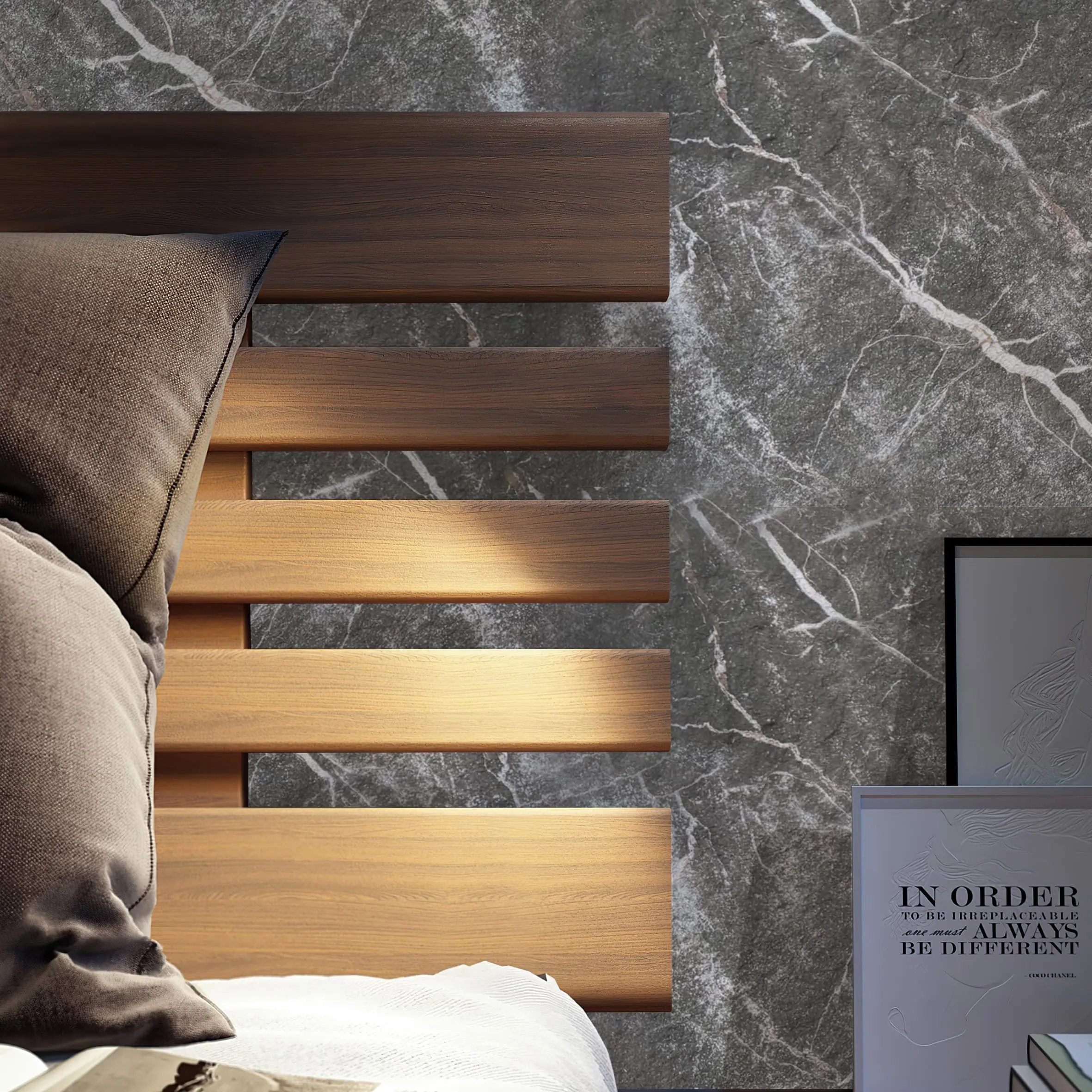
Sarah, the owner of a 12-room boutique hotel in Asheville, NC, had a vision: she wanted the lobby to feel like a "mountain retreat meets modern luxury." Her first choice? Granite Portoro countertops and accent walls. But when the quotes came in—over $45,000 for materials and installation alone—she nearly scrapped the project. "I couldn't justify raising room rates just to cover stone," she says. Then her architect suggested COLORIA MCM Project Boards. They went with foamed aluminium alloy board (vintage silver) for the reception desk and travertine (starry green) for the accent wall. Total cost? $12,000. "Guests still ooh and aah over the lobby," Sarah laughs. "And I didn't have to take out a second mortgage to make it happen."
Mark and Lisa, parents of two young kids, wanted a kitchen that could handle spills, sticky fingers, and the chaos of family life—without looking like a daycare. They'd fallen in love with Granite Portoro's drama but worried about the upkeep. "I could just picture my 3-year-old spilling juice on it and me crying into a bottle of sealant," Lisa jokes. Instead, they chose fair-faced concrete MCM boards for their countertops. "They're scratch-proof, stain-proof, and when the kids are older, we can repaint or replace them if we want something fancier," Mark says. "We saved $10,000 upfront, and I haven't lost a night's sleep over a spilled sippy cup. Win-win."
At the end of the day, there's no "better" option—only the one that fits your life. If you're building a trophy home, a luxury hotel, or a space where "unapologetic opulence" is the goal, Granite Portoro might be worth the splurge. It's a stone with history, with weight (literally and figuratively), and it will always turn heads.
But if you're like most of us—balancing a budget, a busy life, and a desire for something beautiful and durable—COLORIA MCM Project Boards feel like a gift. They're proof that you don't have to choose between "nice" and "affordable," between "stylish" and "practical." They're materials built for real people, with real lives—people who want their spaces to tell a story, not just a price tag.
So the next time you're standing in a showroom, staring at slabs of stone or samples of MCM boards, remember: the best material isn't the one that costs the most. It's the one that lets you build the space you've been dreaming of—without sacrificing your savings, your sanity, or the life you want to live in it.
Recommend Products












