
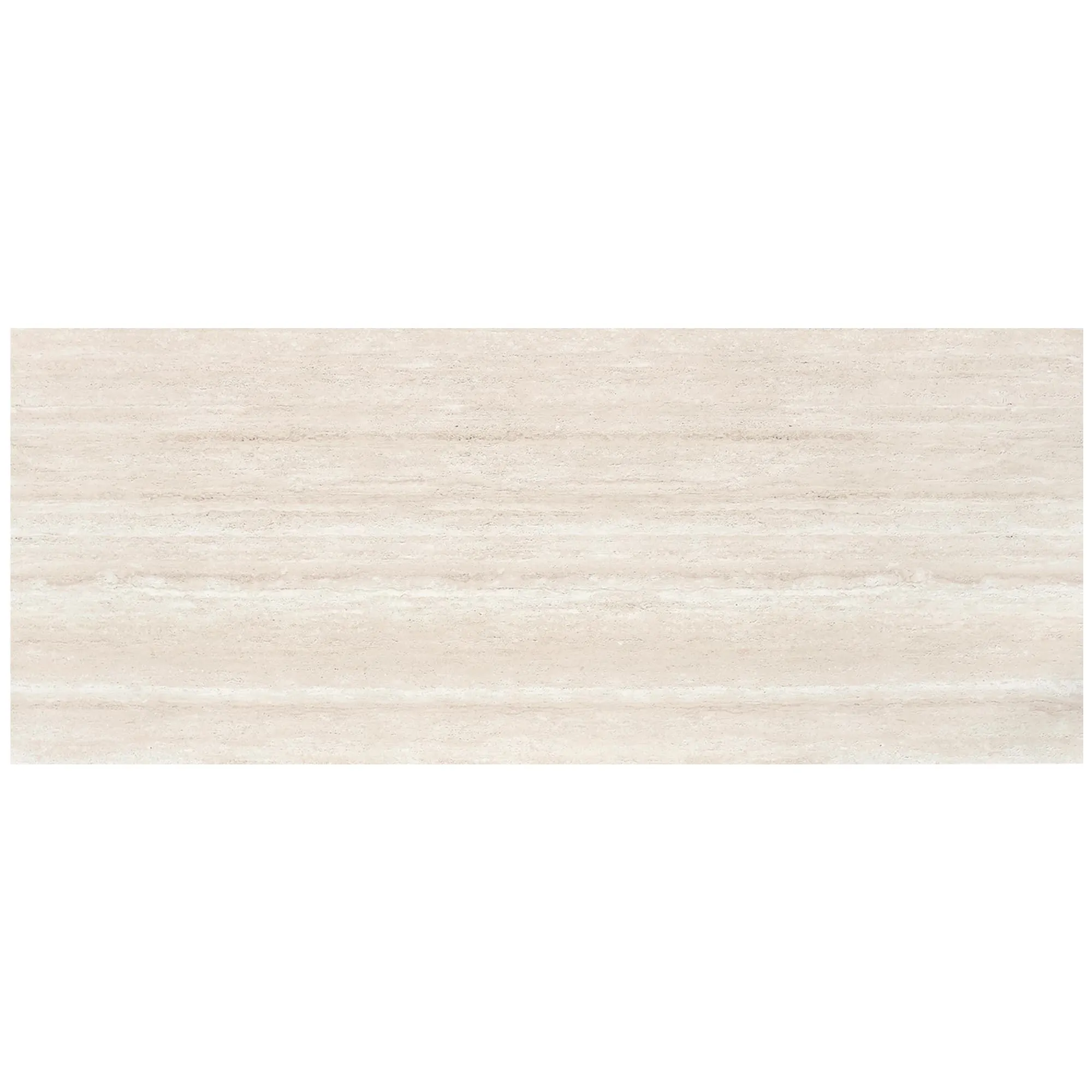
When it comes to choosing building materials, whether you're a homeowner revamping your facade, a designer crafting a commercial space, or a contractor balancing client budgets, there's one question that always looms large: Is this worth the cost? It's a dilemma of upfront expenses versus long-term payoff—a dance between "Can I afford this now?" and "Will it still look good, perform well, and add value years down the line?" In the world of modified composite materials (MCM), few options spark this conversation quite like Rona Yellow. Part of the broader MCM project board series, Rona Yellow isn't just a color or a texture; it's a choice that sits at the intersection of aesthetics, durability, and financial wisdom. Let's dive into what makes Rona Yellow MCM tick, break down its initial costs, and unpack why its long-term value might just make it one of the smartest investments you'll make in your space.
Before we get too deep into Rona Yellow specifically, let's take a step back and talk about MCM flexible stone itself. If you're new to the term, MCM stands for Modified Composite Material—a blend of natural minerals, polymers, and reinforcing fibers that's engineered to mimic the look and feel of natural stone, but with a few game-changing upgrades. Unlike heavy, brittle natural stone slabs, MCM is lightweight, flexible, and surprisingly tough. Think of it as stone's more adaptable cousin: it can bend around corners, adhere to curved surfaces, and even be installed in areas where traditional stone would be too cumbersome or expensive.
The MCM project board series, which includes Rona Yellow, is a collection of these composite panels designed for both interior and exterior use. From wall cladding and backsplashes to facade systems and outdoor patios, these boards are built to handle diverse environments without sacrificing style. What sets MCM apart from other synthetic materials? For starters, sustainability—many MCM boards, including Rona Yellow, use recycled minerals and low-VOC binders, making them a greener alternative to resource-heavy natural stones. Then there's the flexibility: while natural stone can crack under stress, MCM panels can absorb impacts and temperature changes without breaking. And let's not forget the aesthetics—advanced manufacturing techniques mean MCM can replicate the intricate veining, texture, and depth of natural stone, right down to the subtlest variations in color.
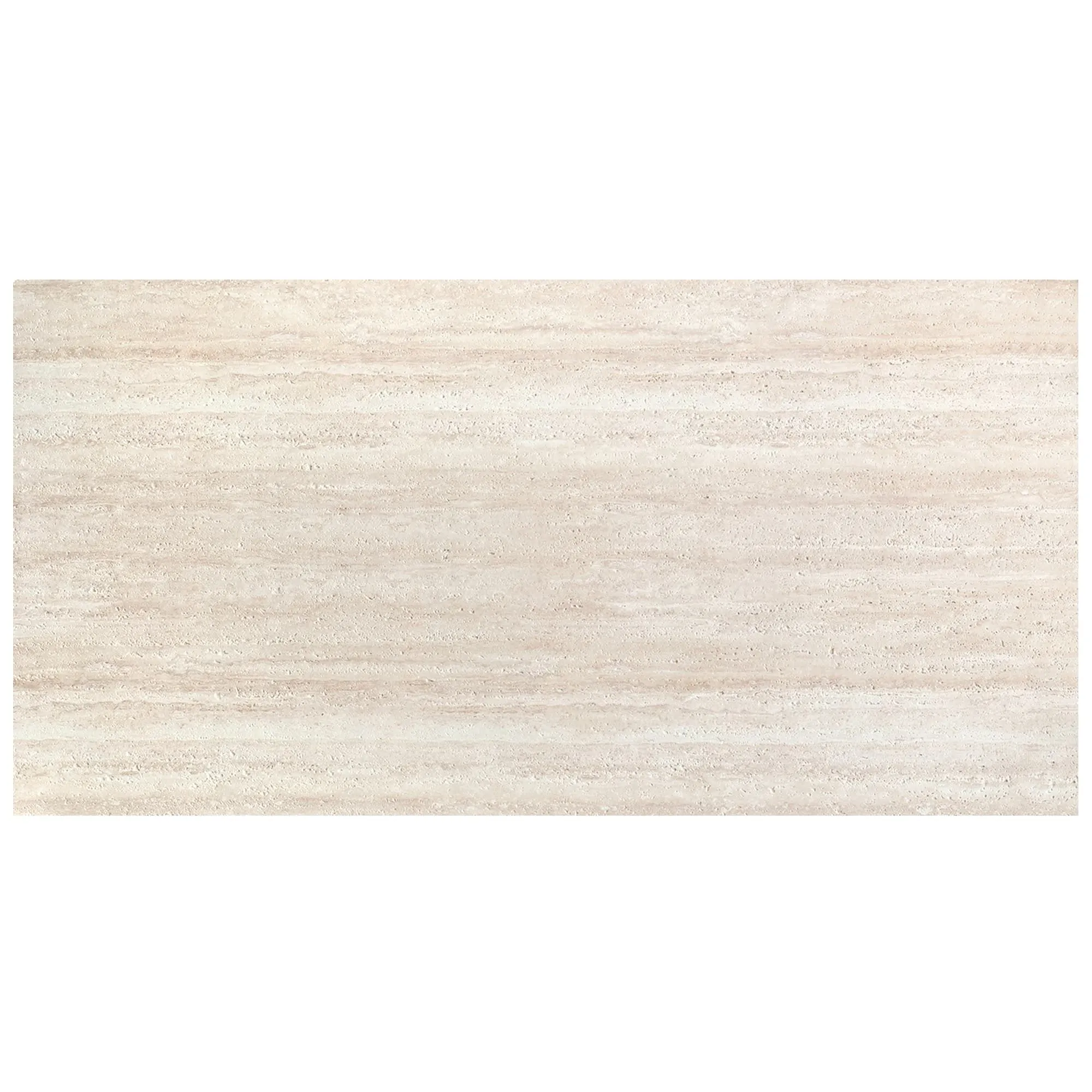
So, what makes Rona Yellow stand out in the crowded MCM project board series? Let's start with the obvious: that warm, sunlit hue. Rona Yellow isn't a harsh, neon yellow or a faded, pastel shade—it's a rich, earthy tone that sits somewhere between honey and amber, with soft undertones that shift subtly in different lights. Imagine golden hour on a autumn afternoon, captured in a panel. It's warm without being overwhelming, versatile enough to complement modern minimalism, rustic charm, or even industrial edge. Pair it with deep grays for a contemporary contrast, or with wood tones for a cozy, organic vibe—the possibilities are surprisingly wide.
But Rona Yellow's appeal goes beyond its color. Its texture is another star feature. Unlike smooth, polished stones that can feel cold or sterile, Rona Yellow has a gently tactile surface—think the soft roughness of sandstone, or the subtle grain of weathered limestone. Run your hand over it, and you'll feel a depth that synthetic laminates or painted surfaces just can't replicate. This texture isn't just for show, either: it adds grip (useful for floors or outdoor steps) and hides minor scratches or scuffs, keeping your space looking fresh even with daily wear.
Perhaps the most compelling thing about Rona Yellow is its ability to adapt to different design narratives. Want a modern kitchen backsplash that feels warm instead of clinical? Rona Yellow adds that pop of color without clashing with sleek appliances. Dreaming of a patio that feels like a sunlit Mediterranean courtyard? Rona Yellow panels can wrap around outdoor walls, blurring the line between indoors and out. Even in commercial spaces—cafés, boutiques, hotels—Rona Yellow has a way of making large areas feel inviting, like a hug from the architecture itself. It's not just a material; it's a mood setter.
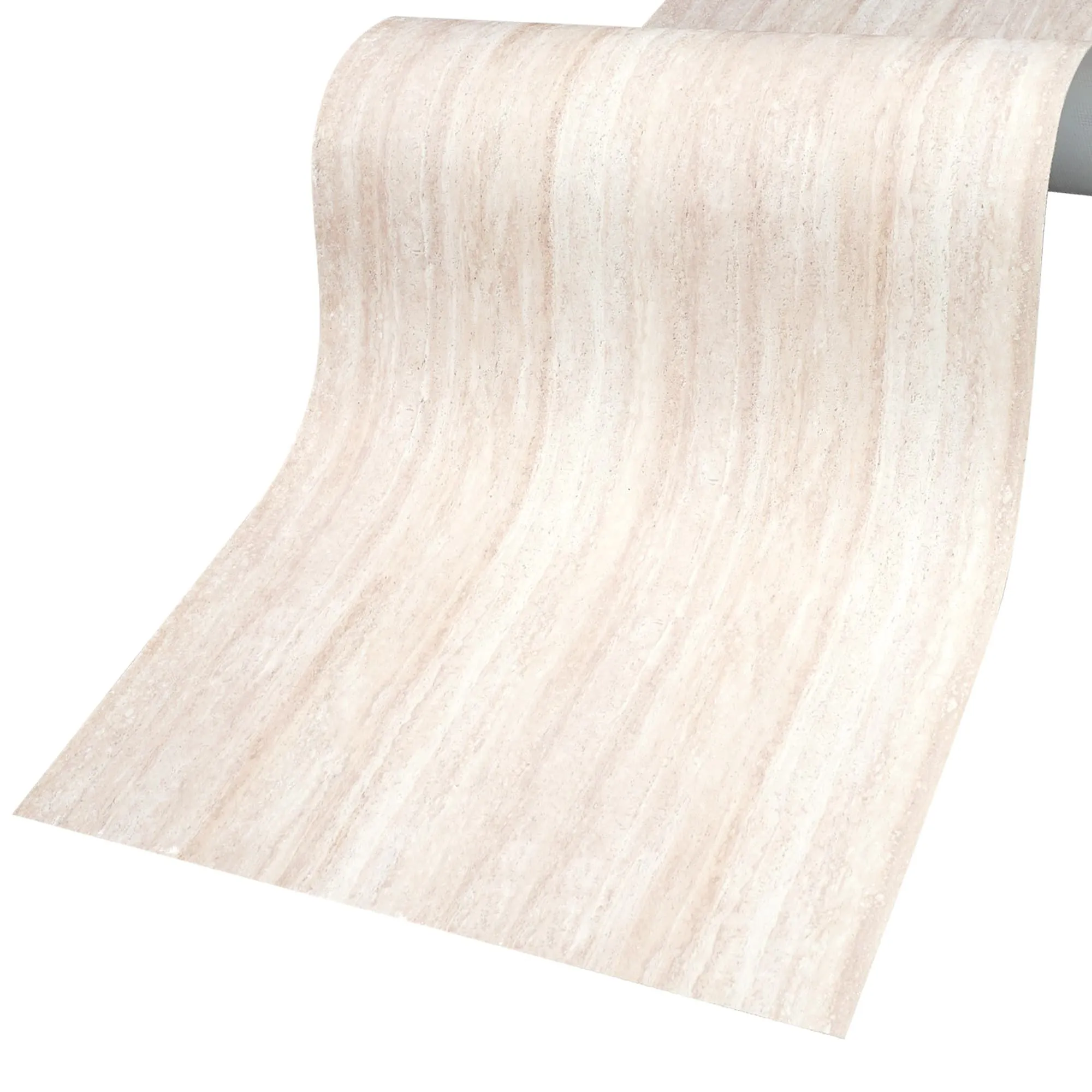
Let's cut to the chase: Rona Yellow MCM isn't the cheapest option on the market. If you're comparing it to basic vinyl siding, painted drywall, or even low-grade ceramic tiles, you'll likely see a higher upfront price tag. But here's the thing: initial cost alone is a poor measure of value. To truly understand Rona Yellow's worth, we need to break down what that upfront investment actually includes—and how it stacks up against alternatives.
First, the material cost. Rona Yellow MCM panels typically range from $12 to $20 per square foot, depending on the supplier, panel size, and any customizations (like specialized cuts or finishes). For context, that's higher than vinyl ($3–$7/sq ft) or standard ceramic tile ($5–$10/sq ft) but comparable to mid-range natural stone (like travertine or limestone, which can run $10–$25/sq ft) and often lower than high-end options like marble ($20–$50/sq ft). Keep in mind that MCM panels are larger than most tiles—usually 3x5 feet or bigger—so you'll need fewer panels to cover the same area, which can reduce labor time (more on that in a minute).
Next, installation. Because MCM is lightweight and flexible, it's generally easier to install than natural stone. You won't need heavy machinery to lift slabs, and it adheres well to most substrates (wood, concrete, metal) with standard construction adhesives. Labor costs for MCM installation typically run $5 to $10 per square foot, compared to $10 to $15 per square foot for natural stone (which requires more precision, sealing, and support structures). If you're handy, you might even tackle small projects yourself, though we'd recommend hiring a pro for larger or exterior jobs to ensure proper waterproofing and alignment.
Then there are the "hidden" upfront costs to consider: tools, underlayment, and waste. MCM installation requires basic tools (a utility knife, trowel, level) that most contractors already have, so you won't need to splurge on specialized equipment. Underlayment is minimal—often just a moisture barrier for exterior use—and because MCM panels are less brittle than stone, there's less waste from breakage during cutting or transport. All told, a typical Rona Yellow MCM project (say, a 200 sq ft kitchen backsplash) might cost between $3,400 and $6,000 upfront, including materials and labor. Compare that to a natural travertine backsplash of the same size, which could hit $5,000 to $8,000 once you factor in heavier material costs and higher labor fees. Suddenly, Rona Yellow's initial price tag doesn't look so steep.
| Material | Initial Cost (Material + Labor, per sq ft) | Expected Lifespan | Annual Maintenance Cost | Durability (1=Low, 10=High) |
|---|---|---|---|---|
| Rona Yellow MCM | $17–$30 | 25–30 years | $5–$10 | 9 |
| Historical Pathfinders Stone (Natural) | $20–$35 | 50+ years (with heavy maintenance) | $20–$30 | 8 |
| Lunar Peak Silvery MCM | $15–$28 | 25–30 years | $5–$10 | 9 |
| Standard Vinyl Siding | $8–$15 | 10–15 years | $2–$5 | 5 |
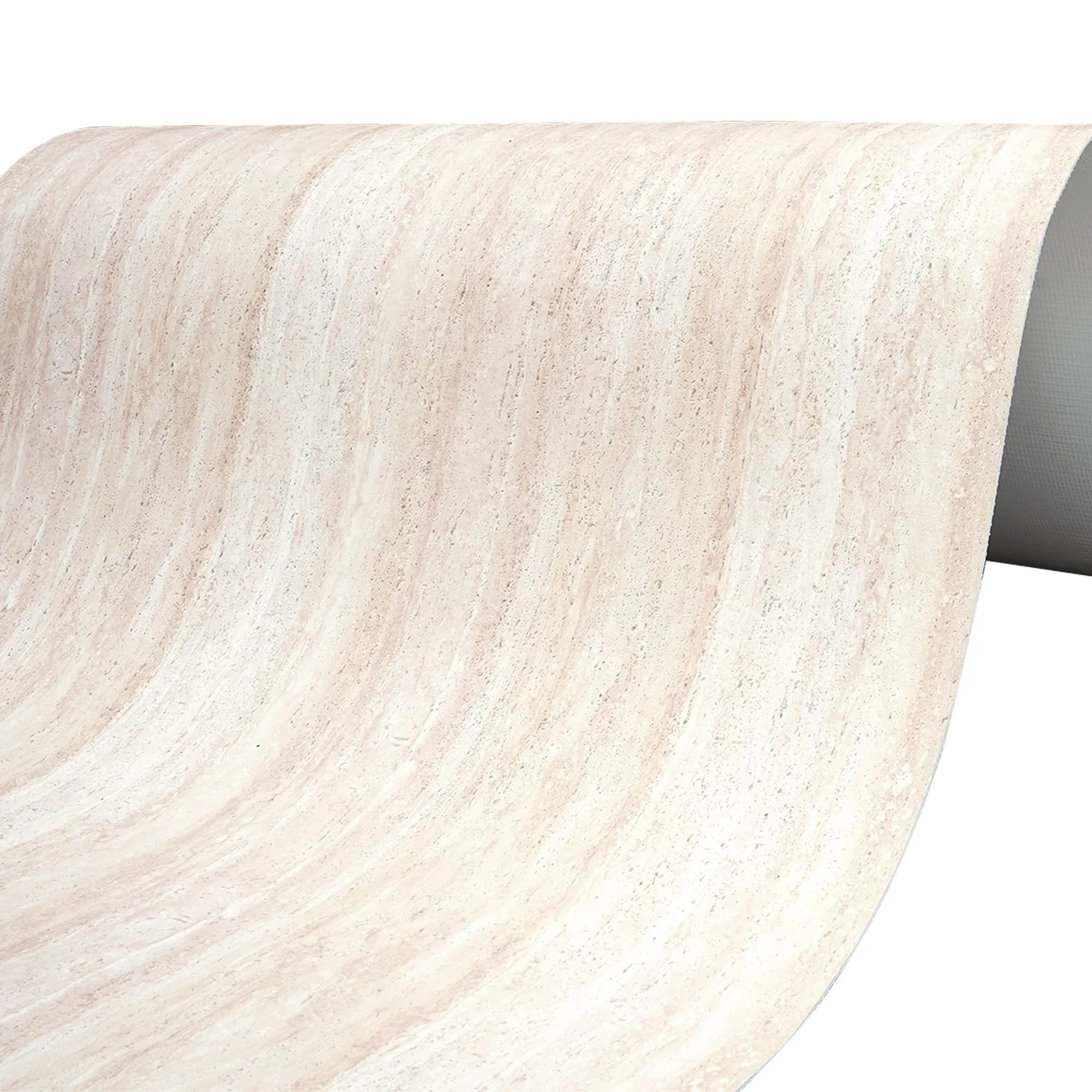
Initial cost is just the first chapter of Rona Yellow's story. The real magic lies in its long-term value—the ways it saves you money, time, and stress over decades. Let's start with durability, because when a material lasts longer, it means you won't be replacing it every 10 years (looking at you, vinyl siding). Rona Yellow MCM is built to withstand the elements: it's water-resistant, so rain, snow, and humidity won't cause warping or rot. It's UV-stable, meaning that golden hue won't fade to a pale shadow even after years of direct sunlight. It's also impact-resistant—think about kids running around with toys, or a rogue hailstorm—and won't crack or chip easily. In fact, most manufacturers back MCM panels with a 20–25 year warranty, and real-world examples show them lasting 30+ years with proper care.
Then there's maintenance—or rather, the lack thereof. Natural stone like historical pathfinders stone often requires annual sealing to prevent staining, and even then, it's prone to etching from acidic substances (coffee, wine, citrus). Rona Yellow? Wipe it down with a damp cloth and mild soap, and you're done. No sealing, no special cleaners, no hiring a professional to re-grout or refinish. Let's do the math: if you spend $50 a year on maintenance for natural stone (sealer, cleaner, occasional repairs) versus $10 a year for Rona Yellow, over 20 years that's $1,000 vs. $200—a savings of $800. Multiply that by a larger space (say, a 500 sq ft exterior facade), and the numbers get even more compelling.
Aesthetic longevity is another hidden value driver. Trends come and go—remember when avocado green appliances were all the rage?—but Rona Yellow has a timeless quality. Its earthy tone and natural texture don't tie it to a specific decade, so your space won't feel dated in 10 years. Compare that to trendy materials like polished concrete (which can look sterile as styles shift) or bold-colored laminates (which fade or go out of fashion). Rona Yellow evolves with your space: pair it with mid-century modern furniture today, and swap in bohemian decor tomorrow, and it still works. This versatility means you won't feel the need to renovate just to keep up with design fads, saving you tens of thousands in future remodeling costs.
Finally, let's talk resale value. When it comes time to sell your home or commercial property, buyers notice quality materials that stand the test of time. A kitchen with Rona Yellow MCM backsplash that still looks brand-new after 15 years? That's a selling point. A facade covered in faded, cracked vinyl? Not so much. Real estate agents often cite durable, low-maintenance materials as key factors in higher resale prices—some estimate that quality cladding materials can boost property value by 5–10%. If your home is worth $500,000, that's an extra $25,000–$50,000 at sale time. Suddenly, that initial $6,000 investment in Rona Yellow looks like pocket change.
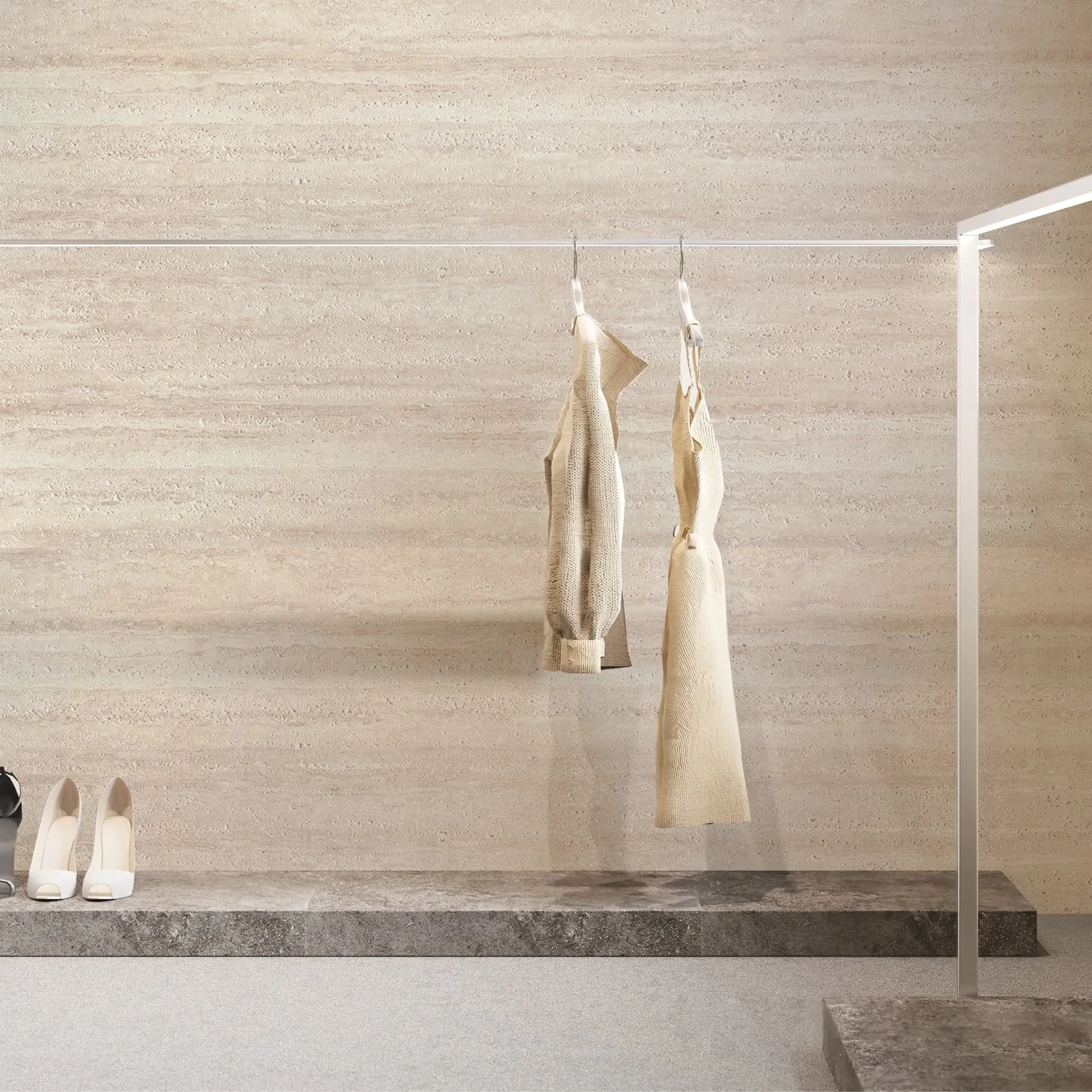
The MCM project board series is vast, with options ranging from the weathered charm of historical pathfinders stone to the sleek metallic sheen of lunar peak silvery. So why choose Rona Yellow over these alternatives? Let's break it down by use case.
If you're going for a traditional, Old World look, historical pathfinders stone might seem like the obvious choice. With its rough-hewn texture and earthy grays and browns, it evokes cobblestone streets and ancient villas. But here's the catch: historical pathfinders stone (even in MCM form) tends to have a busier pattern, which can overwhelm small spaces. It also leans heavily into a specific aesthetic—great for a Tuscan villa, less so for a modern loft. Rona Yellow, with its softer color and more uniform texture, is a chameleon. It can play up traditional elements (pair it with wooden beams and terracotta roof tiles) or blend into modern designs (next to stainless steel and clean lines). It's the difference between a statement piece that dictates your entire design and a versatile foundation that lets your style shine.
Then there's lunar peak silvery, a fan favorite for contemporary spaces. With its cool, metallic finish, it's perfect for industrial-chic lofts or high-tech offices. But silver can feel cold in residential settings, especially if you're aiming for a warm, inviting vibe. Rona Yellow adds that missing warmth without sacrificing modernity. Imagine a kitchen with lunar peak silvery cabinets and Rona Yellow backsplash—the contrast is striking, but the yellow keeps the space from feeling like a factory floor. It's a balance that's hard to achieve with cooler-toned materials alone.
For outdoor spaces, Rona Yellow also holds its own against more "outdoor-specific" MCM options like gobi panel (which mimics desert stone) or wave panel (with its textured, undulating surface). While gobi panel is great for arid climates, its muted tones can fade into the background. Rona Yellow, on the other hand, adds visual interest without clashing with landscaping. And unlike wave panel, which can be tricky to clean (those crevices trap dirt), Rona Yellow's smoother texture is low-maintenance enough for busy patios or pool surrounds.
At the end of the day, the question isn't "Can I afford Rona Yellow MCM?" It's "Can I afford not to choose it?" Let's recap: upfront costs are competitive with mid-range natural stone, installation is easier (and cheaper) than traditional materials, and long-term savings on maintenance, replacement, and resale value can dwarf that initial investment. Add in its timeless beauty and versatility, and Rona Yellow stops looking like an expense and starts looking like what it is: an investment in your space, your peace of mind, and your future.
Think of it this way: when you buy a cheap sofa, you know it'll sag in five years, and you'll end up replacing it. When you invest in a well-made sofa, it lasts decades, looks better with age, and might even become a family heirloom. Rona Yellow MCM is the well-made sofa of building materials. It's not the cheapest option today, but it's the one that will still be making you happy (and saving you money) 30 years from now.
So, if you're ready to stop chasing cheap fixes and start investing in a material that works as hard as you do, Rona Yellow MCM might just be the answer. It's more than a color, more than a panel—it's a promise that your space will look good, perform better, and keep giving back, year after year. And in the end, isn't that the kind of value we all want?
Recommend Products












