
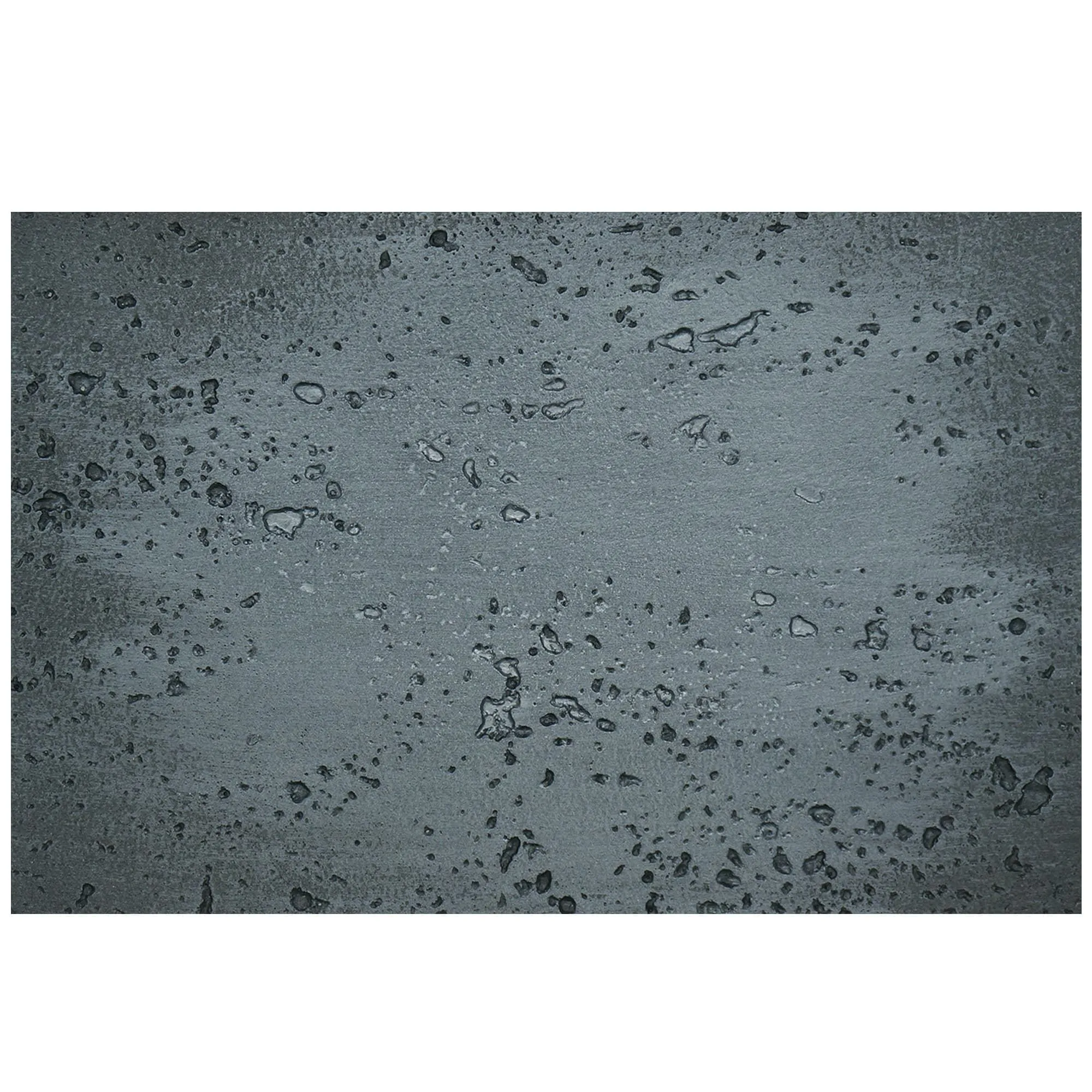
Walk through the upscale neighborhoods of Riyadh, the coastal villas of Jeddah, or the modern commercial hubs of Dammam, and you'll notice a common thread in many standout buildings: a material that blends timeless elegance with contemporary edge. That material? Travertine—specifically, the travertine (vintage silver) variant that's been turning heads in Saudi Arabia's construction scene. As 2025 unfolds, homeowners, architects, and developers are increasingly asking: What does this sought-after stone cost, and is it worth the investment? Let's dive into the details, from its unique appeal to the nitty-gritty of pricing, and how it stacks up against other popular materials like MCM flexible stone and fair-faced concrete .
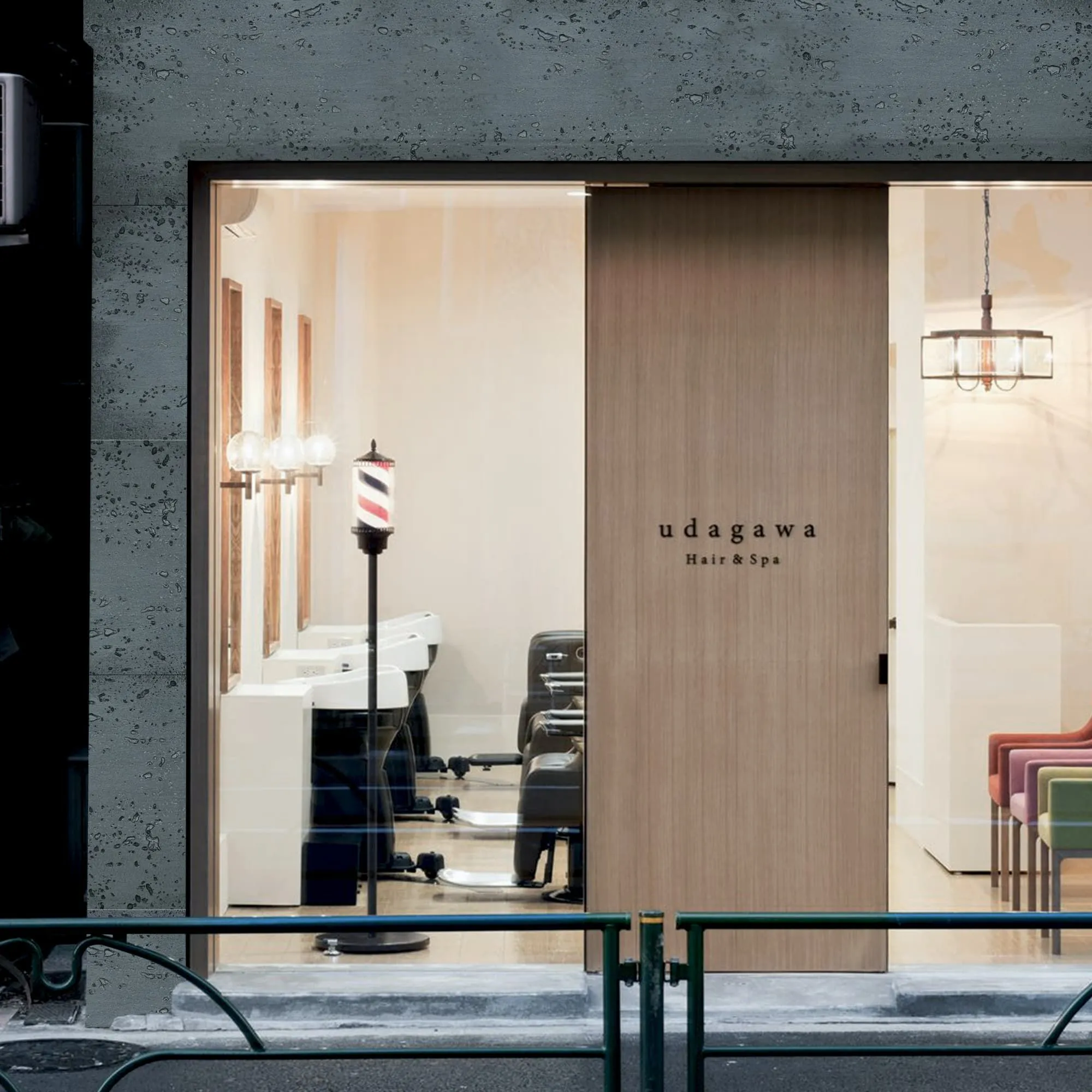
First, let's get to know the star of the show. Travertine is a natural stone formed from mineral-rich spring water, known for its porous texture and earthy tones. But travertine (vintage silver) isn't your average stone. Imagine a surface that shimmers with soft, silvery-gray hues, accented by subtle beige veins and tiny fossilized pockets—like a piece of the moon dusted with stardust. It's warm yet modern, rustic yet refined, making it a favorite for both interior spaces (kitchen backsplashes, living room floors) and exterior facades (villa exteriors, hotel lobbies).
In Saudi Arabia, where architecture often balances tradition and innovation, this stone hits a sweet spot. It pairs beautifully with the region's love for open, sunlit spaces—its light color reflects heat, keeping interiors cooler during scorching summers—while its vintage finish adds a touch of understated luxury that feels both global and rooted in local design sensibilities. No wonder it's become a go-to for projects aiming to make a statement without feeling over-the-top.
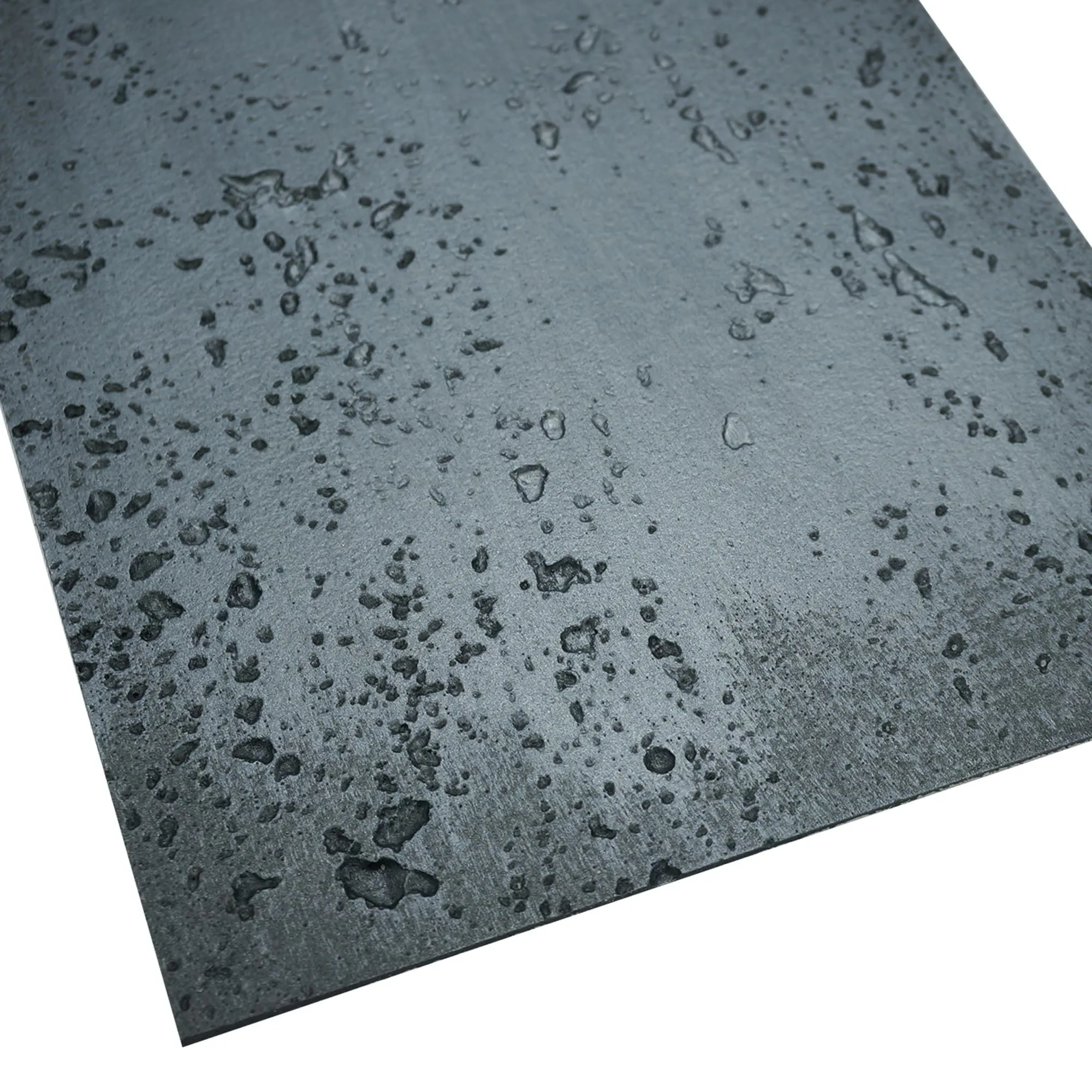
Like any premium building material, the cost of travertine (vintage silver) isn't set in stone (pun intended). Several factors can swing the price up or down, and understanding them will help you budget smarter. Let's break them down:
Most travertine in Saudi Arabia is imported, primarily from Italy, Turkey, and Iran—countries renowned for high-quality stone quarries. Travertine (vintage silver) , with its unique coloration, is often a specialty cut, meaning it's not as widely available as standard beige or gray travertine. Import costs, including shipping, customs duties, and distributor markups, can add 20-30% to the base price of the stone. In 2025, global shipping delays have eased compared to a few years back, but fuel prices and trade policies still play a role—keep an eye on regional trade news if you're planning a big purchase.
Travertine is graded based on uniformity, porosity, and vein patterns. Grade A stones have consistent color, minimal cracks, and tight pores, while lower grades (B or C) may have more visible imperfections. Travertine (vintage silver) in Grade A is pricier but worth it for high-end projects where aesthetics matter most—think luxury hotels or high-end residential villas. Grade B might be a better fit for budget-conscious buyers or areas with less foot traffic, like secondary bathroom walls.
Slab size matters. Larger slabs (e.g., 120x60 cm) are harder to quarry and transport without damage, so they cost more per square meter than smaller tiles (30x30 cm). Thickness is another factor: standard thicknesses are 1.5 cm (for floors) and 2 cm (for exteriors or high-traffic areas). Thicker slabs are heavier and sturdier but also pricier. For reference, a 1.5 cm Grade A travertine (vintage silver) slab might cost 15-20% less than a 2 cm slab of the same quality.
How the stone is finished affects both look and cost. Travertine (vintage silver) is often sold in honed (matte, smooth) or polished (shiny, reflective) finishes. Honed is more affordable and hides scratches better, making it ideal for floors. Polished, with its mirror-like surface, is pricier but adds drama to walls or countertops. Some suppliers also offer "brushed" or "tumbled" finishes for a more weathered, rustic look—these can cost extra due to the additional processing steps.
Don't forget the "hidden" costs beyond the stone itself. Installation by a skilled mason is crucial—travertine is porous and can crack if not laid properly. Expect to pay SAR 80-120 per square meter for installation, depending on the complexity (e.g., intricate patterns or uneven surfaces). Sealing is another must: travertine's pores absorb liquids, so a good sealant (costing SAR 20-30 per square meter) will protect against stains and wear. Transportation from the supplier to your site? That's another SAR 500-1,000, depending on distance.
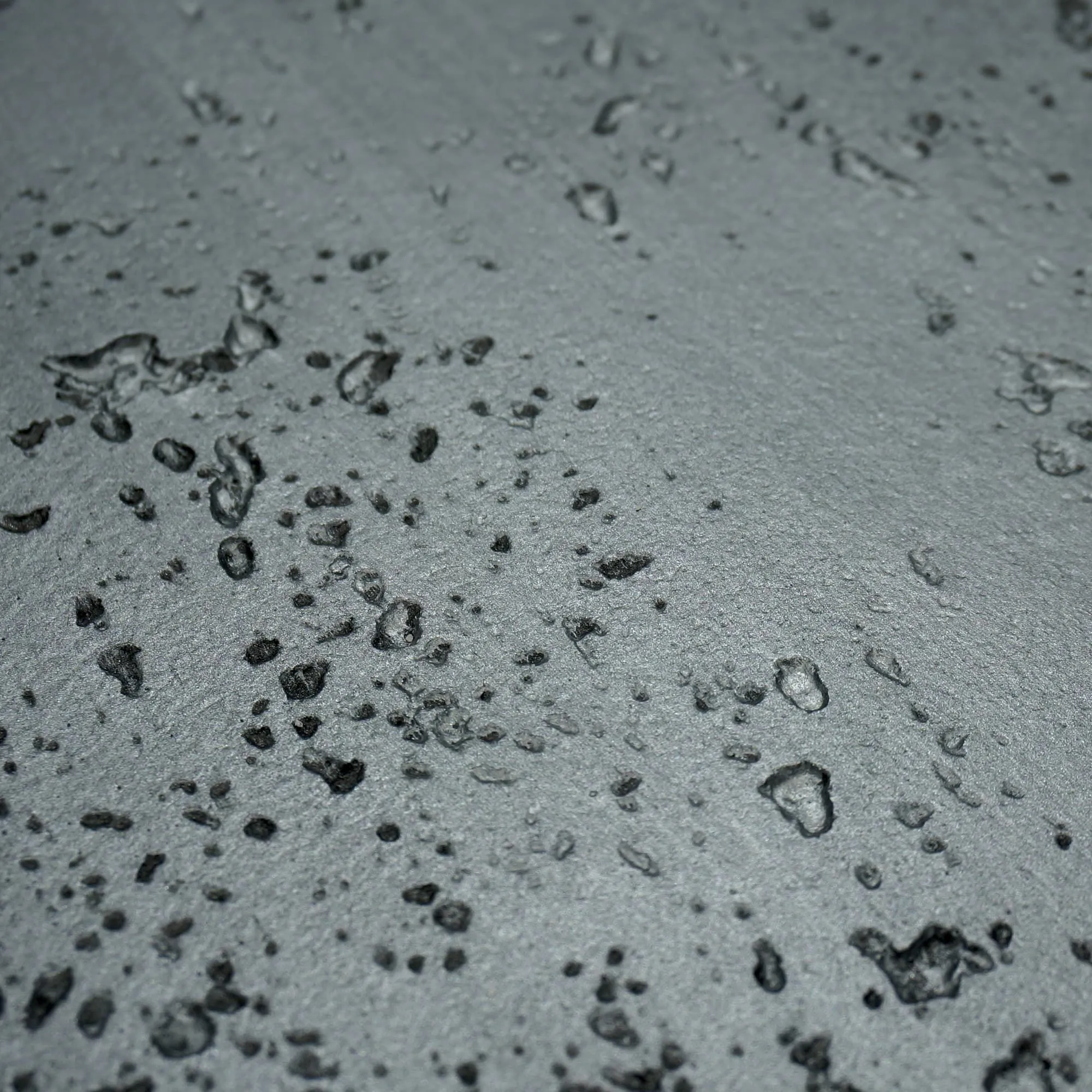
Now, the numbers you've been waiting for. Based on market data from major suppliers in Riyadh, Jeddah, and Dammam, here's what you can expect to pay for travertine (vintage silver) in 2025:
Keep in mind these are wholesale prices—if you're buying from a retail showroom, add 15-20% for their markup. For a typical 200-square-meter villa floor, using Grade A honed travertine (vintage silver) , you're looking at roughly SAR 56,000-70,000 for the stone alone, plus SAR 16,000-24,000 for installation and sealing—total around SAR 72,000-94,000. It's an investment, but one that adds lasting value to your property.
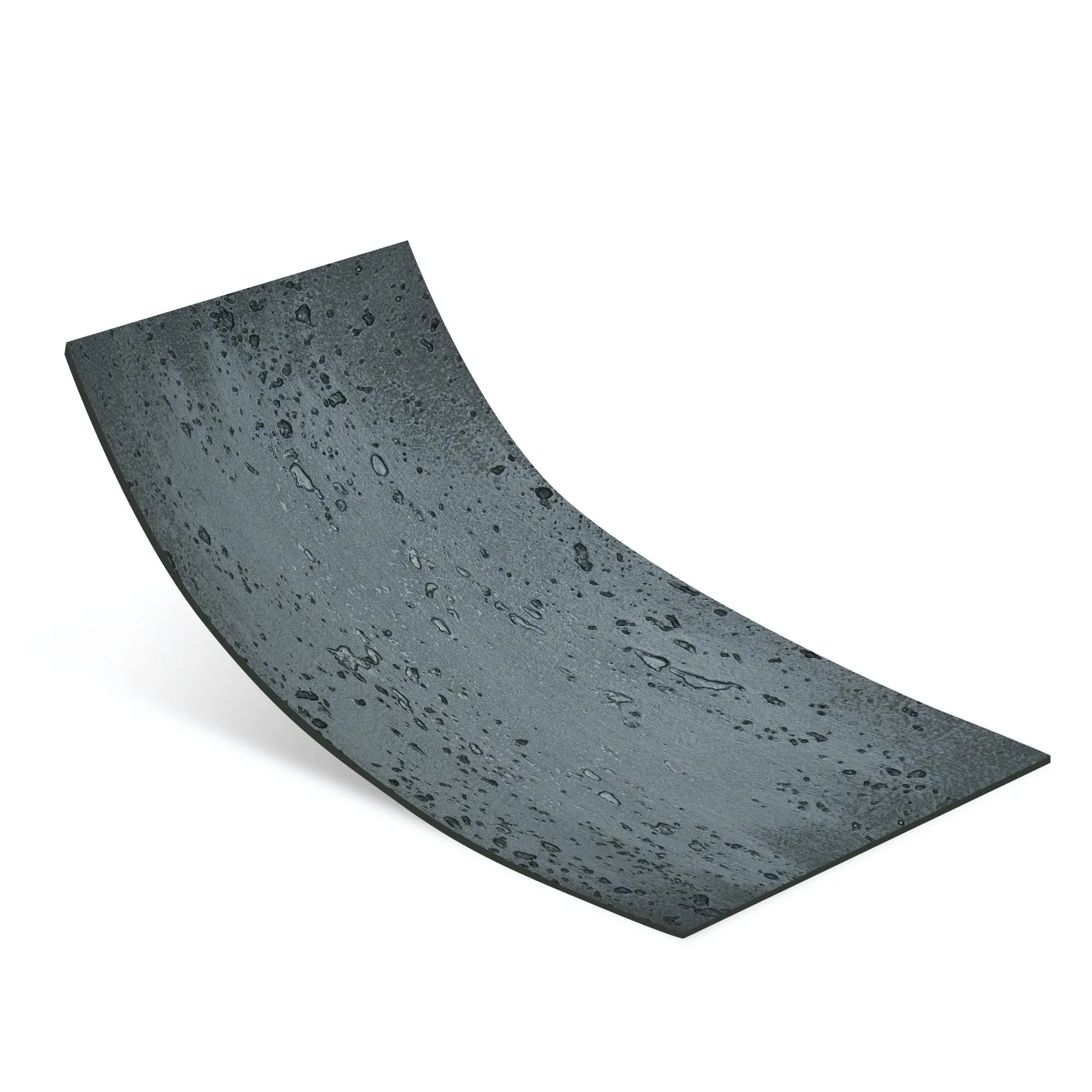
Is travertine (vintage silver) the right choice for your project, or should you consider alternatives? Let's compare it to four popular options in Saudi Arabia's market: MCM flexible stone , lunar peak silvery , boulder slab (vintage silver) , and fair-faced concrete . The table below breaks down their costs, features, and best uses:
| Material | 2025 Price (per sqm) | Key Features | Best For |
|---|---|---|---|
| Travertine (Vintage Silver) | SAR 280-450 | Natural stone, porous, silvery-gray with beige veins, heat-resistant | Interior floors, exterior facades, luxury villas |
| MCM Flexible Stone | SAR 180-250 | Lightweight, synthetic composite, flexible (bends around curves), low maintenance | Curved walls, accent panels, budget projects |
| Lunar Peak Silvery | SAR 320-400 | Engineered stone, metallic silver finish, non-porous, scratch-resistant | Modern kitchens, high-traffic commercial spaces |
| Boulder Slab (Vintage Silver) | SAR 400-550 | Thick, rugged natural stone, irregular edges, rustic-sleek look | Feature walls, fireplace surrounds, luxury hotels |
| Fair-Faced Concrete | SAR 150-220 | Raw, industrial look, durable, low cost, customizable with stains | Minimalist interiors, commercial buildings, outdoor patios |
As you can see, travertine (vintage silver) sits in the mid-to-high range. MCM flexible stone and fair-faced concrete are more budget-friendly, but they lack the natural beauty and uniqueness of travertine. Lunar peak silvery (an engineered stone) offers a similar silvery aesthetic but with a more uniform, less organic look. Boulder slab (vintage silver) is pricier and heavier, best for statement pieces rather than large-scale use.
If your priority is natural beauty and timelessness, travertine (vintage silver) is hard to beat. But if you need something lightweight (for high-rise buildings) or more affordable, MCM flexible stone might be a better fit. For industrial-chic vibes, fair-faced concrete is a solid (literally) choice.
Ready to take the plunge? Here are some trusted suppliers across Saudi Arabia where you can source travertine (vintage silver) :
Pro tip: Always inspect the stone in person before buying. Colors can vary between batches, and you'll want to check for cracks or uneven porosity. Reputable suppliers will let you visit their warehouses to handpick slabs—worth the extra effort for a project this important.
At the end of the day, choosing travertine (vintage silver) comes down to your project goals and budget. If you're building a luxury home, hotel, or commercial space where aesthetics and durability are top priorities, it's hard to find a material that combines natural beauty, heat resistance, and timeless appeal quite like this stone. It's not the cheapest option, but its ability to elevate a space from "nice" to "extraordinary" is undeniable.
For homeowners, it's also a smart long-term investment. Properties with high-quality natural stone finishes tend to retain value better and attract premium buyers. And with proper care—regular sealing, avoiding harsh cleaners—your travertine (vintage silver) surfaces can last decades, developing a rich patina that only gets more beautiful with time.
In 2025, travertine (vintage silver) remains a star in Saudi Arabia's construction landscape, blending luxury, functionality, and style. While its cost reflects its premium status, understanding the factors that influence pricing—from sourcing to installation—will help you make an informed decision. Whether you're designing a dream home or a standout commercial project, this stone offers a unique opportunity to create spaces that feel both rooted in tradition and forward-thinking.
So, go ahead—explore showrooms, touch the stone, imagine it in your space. With the right planning, travertine (vintage silver) could be the missing piece that turns your architectural vision into reality.
Recommend Products












