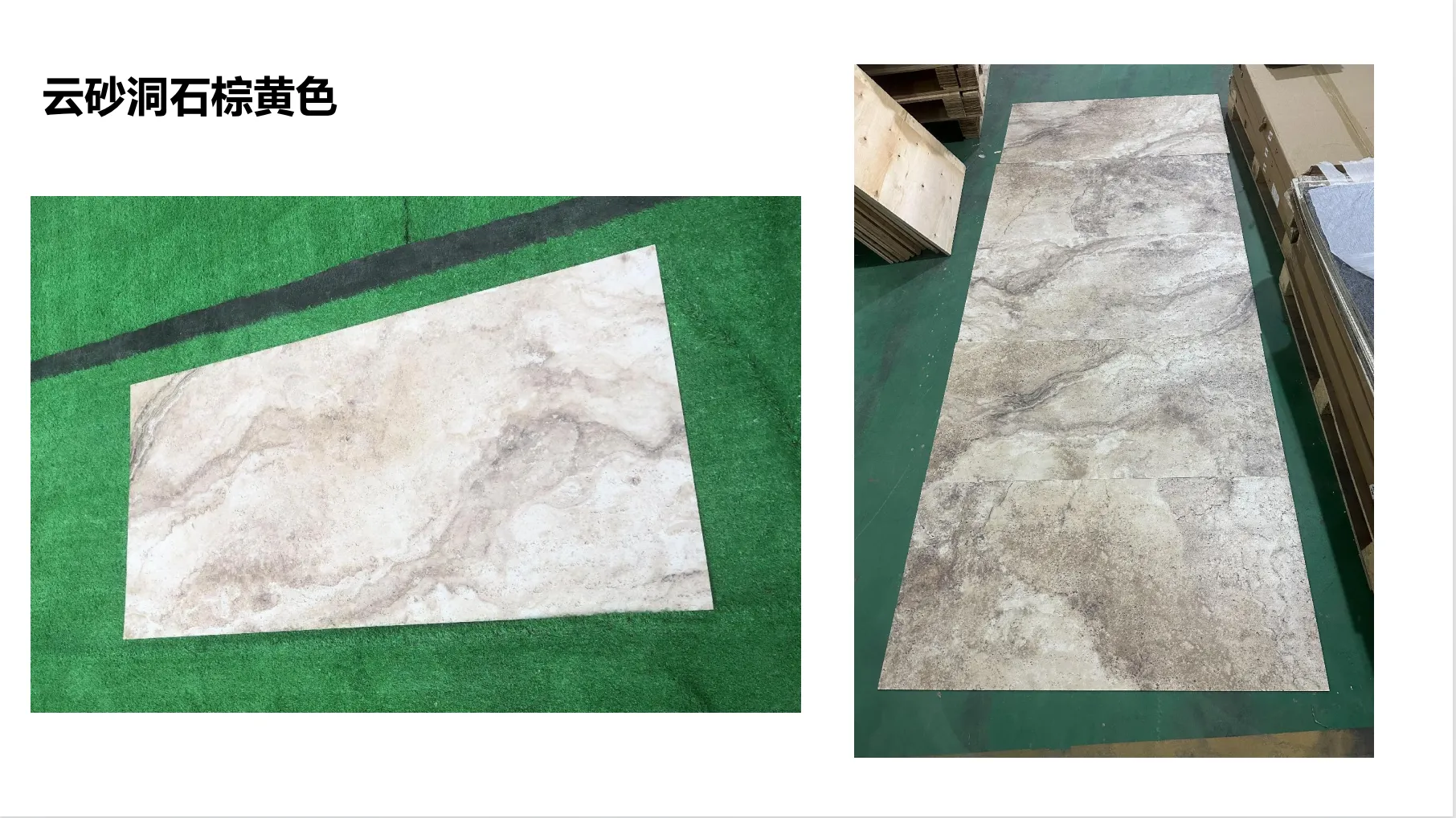
To truly understand a material's durability, you can't just take its beauty at face value. You have to put it through the wringer—literally. We partnered with a leading materials testing lab to subject dark grey
dolomitic travertine to a battery of industry-standard tests, designed to simulate decades of real-world wear in a controlled environment. Here's how we did it:
Compressive Strength:
This test measures how much weight the stone can bear before cracking. Think of it as the material's "backbone"—critical for floors, countertops, or structural elements. We used a hydraulic press to apply pressure incrementally until failure, recording the maximum load in megapascals (MPa).
Water Absorption:
Moisture is a material's silent enemy. Too much absorption can lead to staining, mold, or even freeze-thaw damage in cold climates. We submerged samples in water for 24 hours, weighing them before and after to calculate the percentage of water absorbed. Lower numbers mean better resistance.
Abrasion Resistance:
For high-traffic areas like hotel lobbies or shopping malls, how well a material resists scratches and wear is make-or-break. Using a Taber Abraser, we rubbed samples with abrasive wheels under controlled pressure, measuring weight loss over 10,000 cycles. Less loss equals more durability.
Freeze-Thaw Resistance:
In regions with harsh winters, water seeps into pores, freezes, expands, and can crack stone. We cycled samples between -20°C and 20°C, 50 times over, then checked for cracks, spalling, or strength loss. If it survives this, it can handle a Canadian winter or a mountainous climate.
These tests aren't just numbers on a page. They're a promise: that the material you choose today will still look good—and function well—in 20, 30, even 50 years.