
Picture this: It's mid-July in Riyadh, and the mercury has hit a scorching 48°C. The sun blazes down, turning metal surfaces into fire hazards and making even the air feel like a warm blanket wrapped too tight. Meanwhile, in Jeddah, a sudden sandstorm whips through the city, flinging grit against buildings with the force of a thousand tiny bullets. In such a climate—where extreme heat, relentless UV radiation, and abrasive sandstorms are part of daily life—choosing the right building material isn't just about aesthetics. It's about survival. And that's where dolomitic travertine comes in. Over the past decade, this unassuming stone has quietly become a go-to choice for architects and developers across Saudi Arabia, proving time and again that it's built to thrive where other materials falter. Let's dive into why dolomitic travertine, particularly in its dark grey and claybank variants, has become the backbone of resilient construction in the Kingdom.
First things first: Let's clear up any confusion. Travertine itself is a type of limestone formed by mineral-rich water flowing through geological formations—think hot springs or mineral deposits. It's known for its unique porous texture and earthy tones, which have made it a favorite in architecture for centuries (you've probably seen it in ancient Roman buildings or upscale European villas). But dolomitic travertine? It's a step up. What sets it apart is its composition: while regular travertine is mostly calcium carbonate, dolomitic travertine has a higher concentration of dolomite, a mineral that adds extra density and strength. This small difference in makeup is a game-changer when it comes to durability, especially in tough climates like Saudi Arabia's.
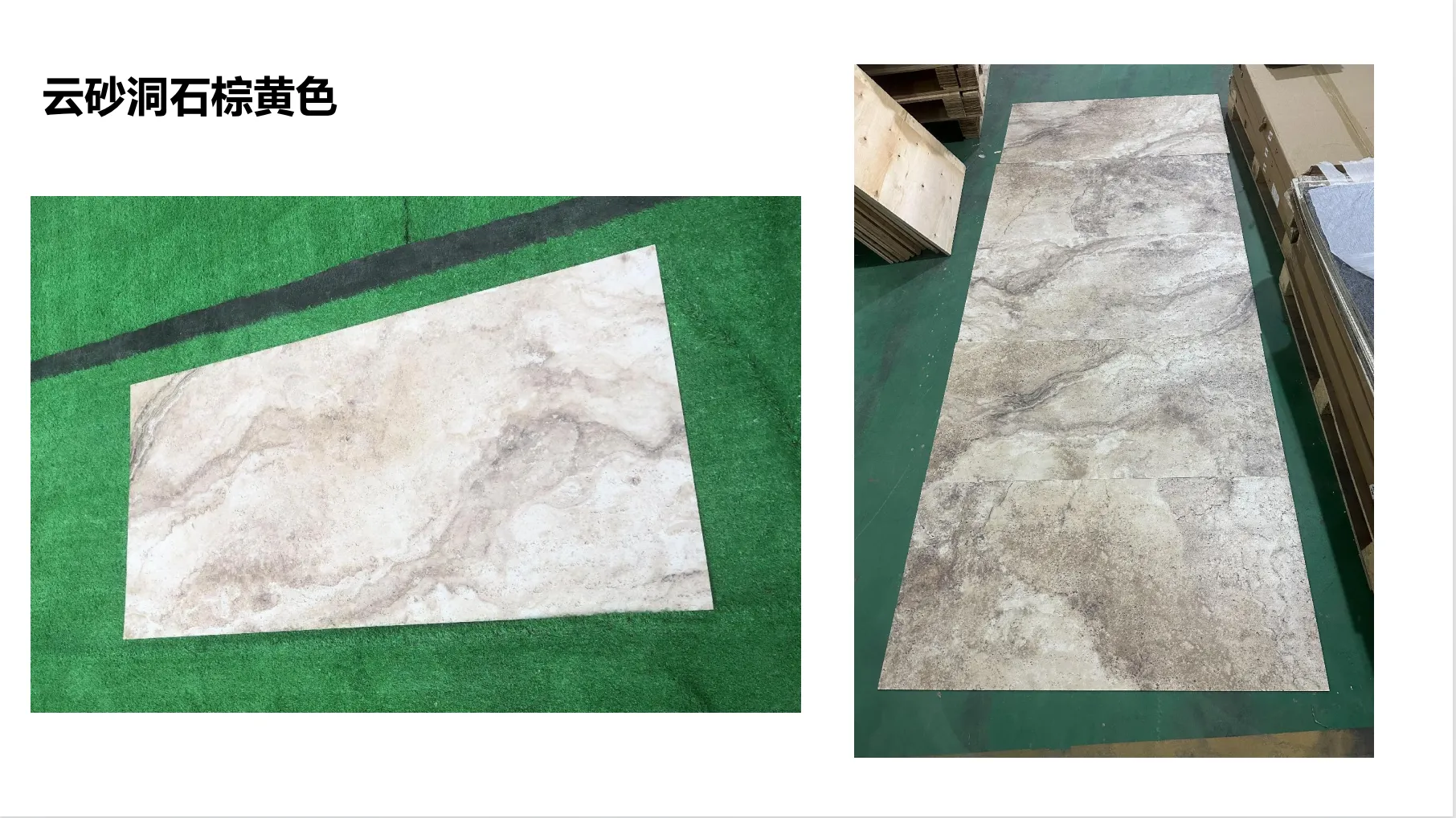
You'll often hear about two common variants in Saudi projects: dolomitic travertine (dark grey) and dolomitic travertine (claybank). The dark grey variety has a moody, sophisticated look—think storm clouds meeting stone—while the claybank leans warmer, with soft beige and terracotta undertones that blend beautifully with Saudi's desert landscapes. Both share the same core durability traits, but their aesthetic versatility means they're equally at home in modern skyscrapers and traditional-inspired structures. And here's the kicker: unlike some synthetic materials that try to mimic natural stone, dolomitic travertine doesn't just look the part—it is the part, with all the resilience that comes from millions of years of natural formation.
Before we talk about why dolomitic travertine excels, let's paint a clear picture of what it's up against. Saudi Arabia isn't just "hot"—it's one of the hottest places on Earth. In cities like Dammam and Riyadh, summer temperatures regularly soar above 45°C, and surface temperatures on building exteriors can climb even higher, hitting 70°C or more. Then there's the sun: with little cloud cover, UV radiation is intense, enough to fade paints, crack plastics, and weaken some stones over time. Add in sandstorms—common in the central and eastern regions—that hurl abrasive particles at speeds up to 60 km/h, and you've got a recipe for material failure if you're not careful.
But it's not just the extremes. Coastal areas like Jeddah deal with humidity and salt spray from the Red Sea, which can corrode metal and seep into porous stones, leading to staining or degradation. Even inland, sudden temperature drops at night (yes, deserts get cold after dark!) cause materials to expand and contract, weakening their structure over time. For architects, this means choosing a material that can handle thermal shock, resist abrasion, stand up to UV rays, and repel water and salt. It's a tall order, and many materials fall short. Take standard concrete, for example: it's strong, but it cracks under repeated temperature changes. Natural granite? Gorgeous, but some varieties absorb too much heat, making buildings feel like ovens. So why does dolomitic travertine pass the test?
Let's break down the reasons dolomitic travertine is a climate champion, starting with its porosity. You might think "porous" is a bad word when it comes to durability—after all, pores can trap water, which freezes and expands, or absorb stains. But dolomitic travertine has a controlled porosity. Its pores are smaller and more evenly distributed than regular travertine, which means it absorbs far less water—usually less than 2% by weight, compared to 5-7% for some marbles. In Saudi's arid climate, this low water absorption isn't just about resisting rain (though Jeddah's occasional downpours do happen); it's about preventing moisture from seeping in during rare humid spells and causing internal damage. It also makes the stone highly resistant to staining from oil, dirt, or the occasional spilled coffee at a outdoor café.
Then there's thermal stability. Most materials expand when heated and contract when cooled, and over time, this "thermal cycling" can lead to cracks or warping. Dolomitic travertine, thanks to its dolomite content, has a low coefficient of thermal expansion. In plain English? It doesn't stretch or shrink much, even when temperatures swing from 40°C during the day to 15°C at night. This stability is crucial in Saudi Arabia, where daily temperature differences can be dramatic. I once spoke to an architect in Riyadh who told me about a project where they used dolomitic travertine (claybank) for exterior cladding. After five years, there wasn't a single visible crack, even though the building faced direct sunlight for 10 hours a day. "We expected some movement, maybe a hairline fracture here or there," he said. "But it was like the stone just… adapted. It's almost eerie how well it held up."
Abrasion resistance is another big win. Sandstorms in Saudi Arabia aren't just annoying—they're like nature's sandblaster, wearing down softer materials over time. Dolomitic travertine's dense, crystalline structure makes it surprisingly scratch-resistant. The dolomite crystals act like tiny armor plates, fending off the grit and gravel carried by desert winds. Compare that to, say, Gobi panel—a popular lightweight material often used for its desert-inspired texture— which can start to look worn after a few severe storms. Gobi panel has its place, don't get me wrong; it's great for accent walls or low-traffic areas. But for high-exposure exteriors or busy walkways, dolomitic travertine is the workhorse that keeps looking sharp year after year.
And let's not forget UV resistance. Saudi's sun is intense enough to fade dyed fabrics in months, but dolomitic travertine's color comes from its mineral composition, not dyes or pigments. That means it doesn't fade. I visited a resort in Al Khobar a few years back that used dolomitic travertine (dark grey) for its outdoor patio floors. After eight years of direct sunlight, the stone still looked as deep and rich as the day it was installed. The resort manager joked, "We've replaced the patio furniture twice, but the stone? It's outlived three sets." That's the kind of longevity developers dream of—material that doesn't just last, but maintains its beauty with minimal upkeep.
You might be wondering: sure, dolomitic travertine is durable, but what about other options commonly used in Saudi Arabia? Let's put it head-to-head with a few contenders to see how it measures up. I've pulled together a quick comparison to make it easy:
| Material | Heat Resistance | Abrasion Resistance (Sandstorms) | Water Absorption | UV Stability |
|---|---|---|---|---|
| Dolomitic Travertine (Dark Grey) | Excellent (minimal expansion/contraction) | High (dense structure resists scratching) | Low (<2%) | Excellent (natural color doesn't fade) |
| Gobi Panel | Good (lightweight, but may warp in extreme heat) | Moderate (prone to surface wear over time) | Moderate (3-4%) | Good (but some color fading after 5+ years) |
| Lunar Peak Black | Fair (porous; may absorb heat and expand) | Moderate (softer than dolomitic travertine) | Moderate-High (4-6%) | Good (but requires sealing to prevent fading) |
| MCM Flexible Stone | Good (flexible, resists cracking from thermal shock) | Moderate (thinner than dolomitic travertine, more prone to dents) | Low (similar to dolomitic travertine) | Excellent (colorfast pigments) |
As you can see, dolomitic travertine holds its own across the board, but where it really shines is in heat and abrasion resistance. Take Lunar Peak Black, for example—a stunning, sleek material that's popular in modern designs. It looks incredible, but its higher porosity means it can absorb more heat, making buildings feel warmer inside, and it's softer, so sandstorms can leave micro-scratches over time. MCM flexible stone, on the other hand, is a great option for curved surfaces or lightweight applications (it's made with a flexible backing), but it's thinner than dolomitic travertine, which makes it less ideal for high-traffic areas like shopping mall floors or hotel lobbies where durability is non-negotiable.
Gobi panel is another interesting case. Inspired by the Gobi Desert's rugged landscapes, it has a unique, textured look that's perfect for creating visual interest. But in Saudi's harshest conditions—think the Empty Quarter's relentless sun and sand—it tends to show wear faster than dolomitic travertine. One contractor I worked with in Najran put it this way: "Gobi panel is like a good pair of sneakers—stylish and comfortable, but you wouldn't hike a mountain in them. Dolomitic travertine is hiking boots: built tough, meant to last."
Enough theory—let's talk real-world results. Over the past decade, dolomitic travertine has been used in some of Saudi Arabia's most high-profile projects, and the feedback from architects and developers is overwhelmingly positive. Take the King Abdullah Financial District (KAFD) in Riyadh, for example. When designing the district's flagship office tower, the team wanted a material that would make a statement but also stand up to Riyadh's harsh sun and occasional sandstorms. They chose dolomitic travertine (claybank) for the exterior cladding, and seven years later, the building still looks as crisp as the day it opened. The claybank tones have mellowed slightly—adding a warm, lived-in charm—without fading, and there's not a single crack in the cladding, even after countless thermal cycles.
Then there's the Al Ula Heritage Resort, a luxury property nestled in the desert near the ancient Nabatean ruins. Here, the goal was to blend modern comfort with the area's historical vibe, and dolomitic travertine (dark grey) was the star. The resort used the stone for everything from outdoor walkways to pool surrounds, and it's been put through the wringer: daily foot traffic, sand blown in from the nearby dunes, and intense sun. Yet, walk through the resort today, and the stone looks immaculate. The dark grey color has held fast, and the surface remains smooth, with none of the pitting or scratching you might expect from years of desert exposure. The resort's facilities manager, Ahmed, told me, "We were worried about maintenance costs, but honestly? We just hose it down occasionally and seal it every three years. It's been almost zero hassle."
Even smaller projects are seeing the benefits. In Jeddah's Al Hamra district, a mixed-use development opted for dolomitic travertine (claybank) for its ground-floor retail facades. Jeddah's coastal location means higher humidity and the occasional salt breeze, but the stone has resisted staining and corrosion. "We had a few skeptics who thought we should go with a synthetic material," the project architect, Layla, recalled. "But after two years, the travertine still looks brand new, while some of the neighboring buildings with synthetic cladding are already showing signs of fading. It was worth every extra riyal."
Now, let's be clear: even the toughest material needs a little TLC. Dolomitic travertine is durable, but it's not indestructible. The good news? Installation and maintenance are straightforward, especially if you work with experienced professionals. First, installation: because dolomitic travertine is denser than regular travertine, it's a bit heavier, so proper structural support is key. You'll want to use a reputable contractor who understands how to anchor it securely, whether it's for cladding, flooring, or countertops. It's also important to seal the stone after installation—even with its low porosity, a quality sealer adds an extra layer of protection against stains and moisture. Think of it like sunscreen for stone: not strictly necessary, but definitely a good idea.
When it comes to maintenance, less is more. For daily cleaning, a soft broom or hose to remove dust and sand is usually enough. For deeper cleaning, mild soap and water work wonders—avoid harsh chemicals like bleach or acidic cleaners, which can eat away at the sealer and dull the stone's finish. And remember that sealing? Plan to redo it every 3-5 years, depending on the stone's exposure. In high-traffic areas like shopping malls or hotel lobbies, you might need to seal every 2-3 years, but in lower-traffic spots like residential exteriors, 5 years is often enough. The process is quick and relatively inexpensive, especially compared to the cost of replacing damaged material down the line.
One thing to note: dolomitic travertine's natural texture means it can develop a "patina" over time—small scratches or a slight softening of the finish. Some people see this as a flaw, but in Saudi Arabia, it's often embraced as part of the stone's character. The patina tells a story of the desert, the sun, and the life happening around it, making buildings feel more connected to their environment. As one architect put it, "It's not about keeping the stone perfect; it's about letting it age gracefully, like a well-loved book."
At the end of the day, choosing building materials in Saudi Arabia isn't just about aesthetics or even short-term durability. It's about long-term value. Buildings here need to last decades, not just years, and dolomitic travertine delivers on that promise. Its upfront cost is higher than some synthetic alternatives, but when you factor in low maintenance, minimal repairs, and the fact that it won't need to be replaced every 10-15 years, it's actually the more economical choice. Developers who've used it often talk about how it enhances property value, too—buyers and tenants are drawn to the stone's natural beauty and the peace of mind that comes with knowing it can handle whatever the Saudi climate throws at it.
And let's not overlook the environmental angle. Dolomitic travertine is a natural, sustainable material. Unlike synthetic cladding, which often relies on fossil fuels and produces harmful emissions during manufacturing, dolomitic travertine is quarried with minimal environmental impact, and its longevity means less waste over time. In a country that's increasingly focused on green building practices—think Saudi Vision 2030's push for sustainability—this is a big plus. It's a material that aligns with the Kingdom's goals of building for the future, not just the present.
So, what's the verdict? Dolomitic travertine isn't just another building material—it's a solution tailored to Saudi Arabia's unique climate challenges. Its combination of strength, durability, and natural beauty makes it a standout choice for everything from skyscrapers to resorts, and its performance in real-world projects speaks for itself. Whether you're drawn to the moody elegance of dolomitic travertine (dark grey) or the warm versatility of dolomitic travertine (claybank), one thing is clear: this stone is built to thrive where others merely survive.
As Saudi Arabia continues to grow and develop, with new cities like NEOM rising from the desert and existing metropolises expanding, the demand for resilient, beautiful building materials will only increase. And dolomitic travertine? It's ready to meet that demand. It's a material that respects the past—its natural formation, its use in ancient architecture—while embracing the future, proving that sometimes, the best solutions are the ones that have been right in front of us all along, shaped by time and nature.
So, the next time you're walking through a new development in Riyadh or relaxing at a resort in Al Ula, take a moment to look down at the stone beneath your feet or up at the cladding on the walls. Chances are, it's dolomitic travertine, quietly doing what it does best: standing strong, looking beautiful, and proving that in Saudi Arabia's harsh climate, durability and beauty don't have to be mutually exclusive. And that? That's something worth building on.
Recommend Products












