
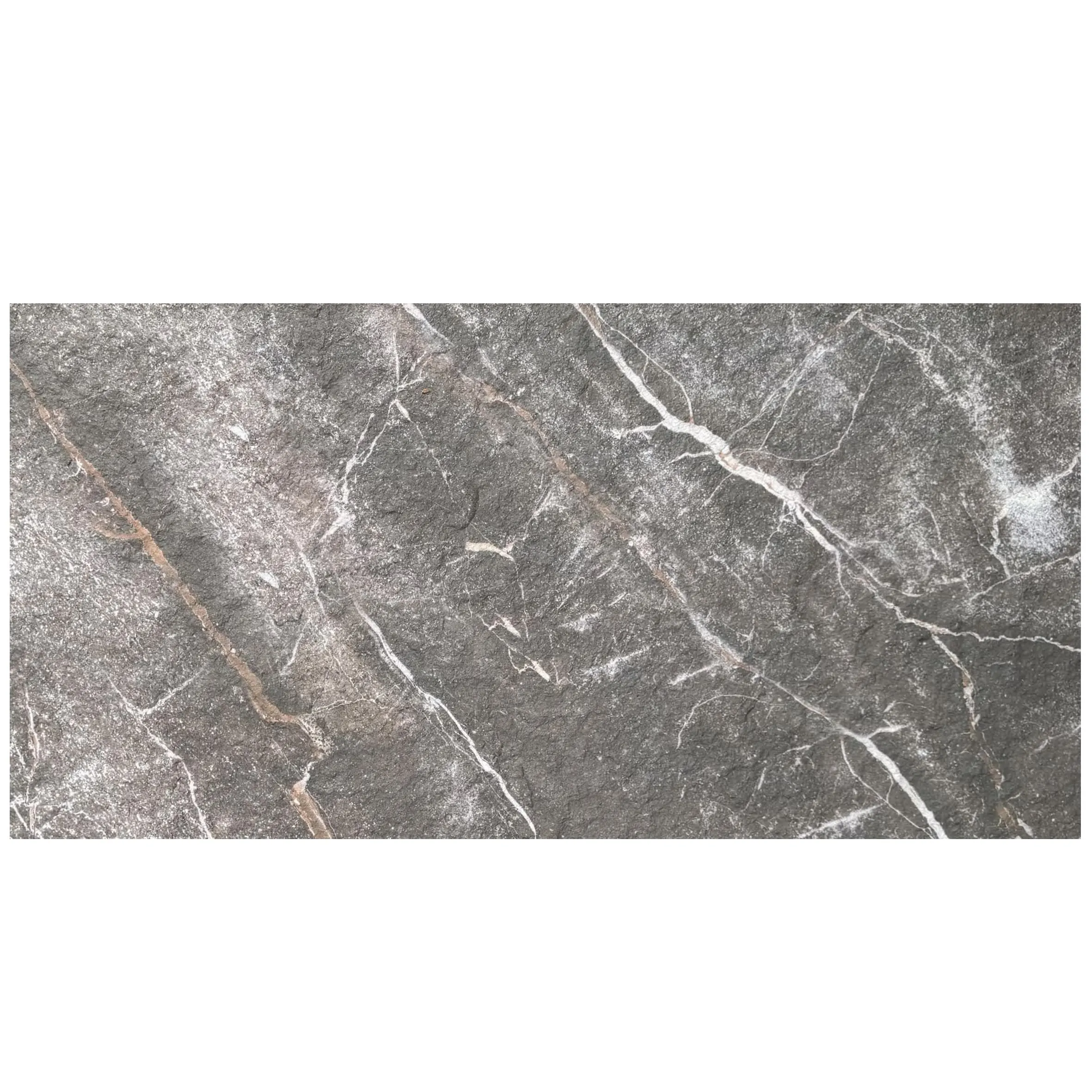
When architects and builders set out to create structures that stand the test of time, one question looms large: will this material hold up when nature throws its worst at it? From the salt-kissed winds of coastal towns to the blistering heat and sandstorms of desert landscapes, the choice of building material can make or break a project's longevity. Among the many options available, Granite Portoro has emerged as a standout contender, prized for its striking aesthetics and reputation for resilience. But how does it truly perform when pitted against the unique challenges of coastal and desert climates? Let's dive in, exploring the science behind its durability, real-world applications, and how it stacks up against other materials like fair-faced concrete, lime stone (beige), and even specialized options like gobi panel and lunar peak silvery.
First, let's get to know the star of the show. Granite Portoro isn't just another stone—it's a product of millions of years of geological craftsmanship. Formed deep within the Earth's crust, this igneous rock is primarily composed of quartz, feldspar, and mica, with trace minerals that give it its distinctive dark, almost black base interlaced with golden veins. What sets it apart, though, isn't just its beauty; it's the structure. Granite Portoro boasts an incredibly dense, crystalline composition, with low porosity and high compressive strength. These traits are the foundation of its durability, making it resistant to everything from scratches to chemical erosion. But how do these inherent qualities translate when faced with the specific stresses of coastal and desert environments?
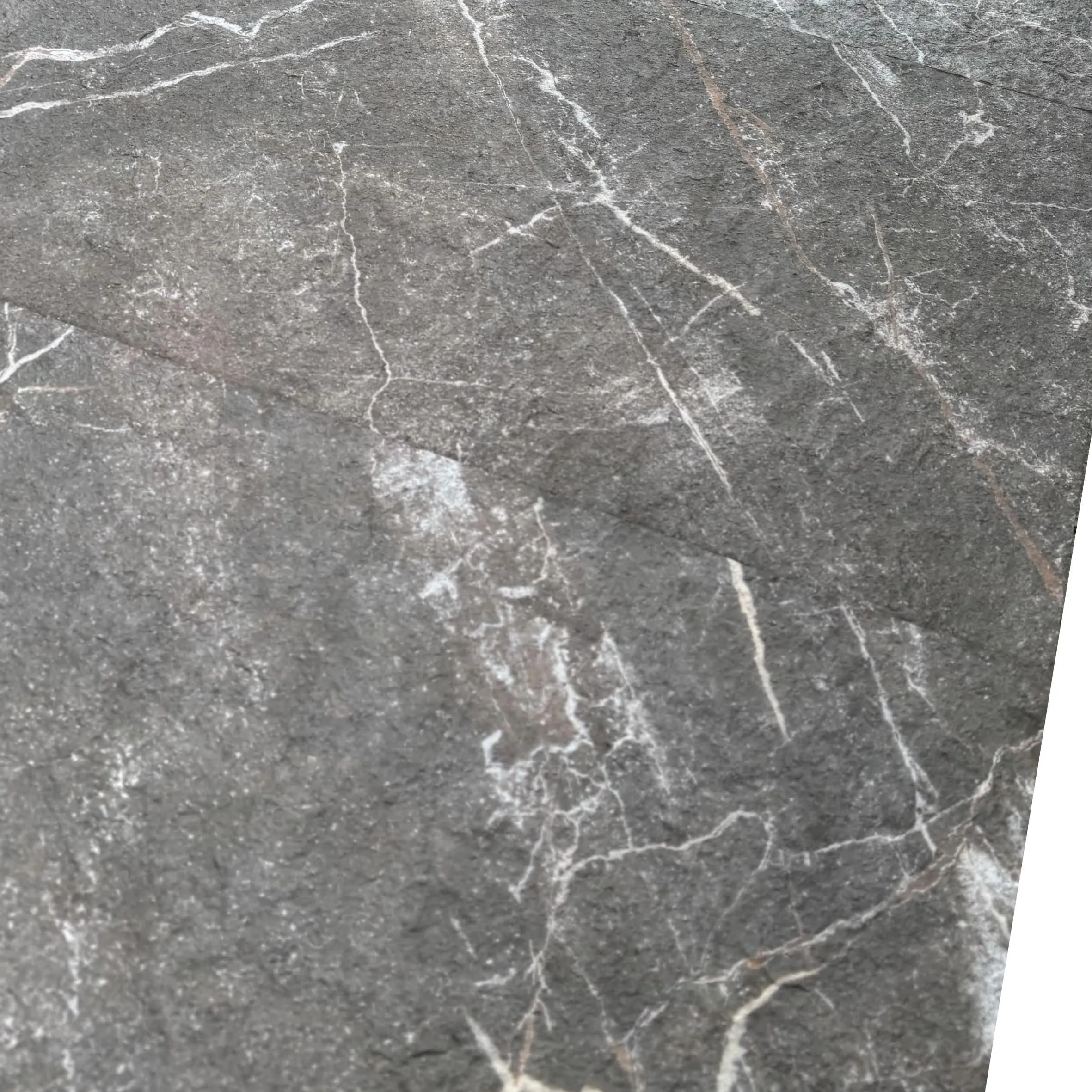
Coastal regions are harsh on buildings. The air is thick with salt spray, carried by relentless onshore winds that lash at exteriors day in and day out. Humidity levels soar, creating a breeding ground for mold and mildew, while occasional storms bring driving rain and even flooding. For many materials, this is a death sentence. Take lime stone (beige), for example—a popular choice for its warm, earthy tones. While lovely, its higher porosity means saltwater can seep in, leading to efflorescence (those unsightly white deposits) and gradual crumbling over time. Even fair-faced concrete, celebrated for its industrial chic, can suffer from salt-induced corrosion of its steel reinforcements if not properly sealed.
Granite Portoro, however, thrives here. Its low porosity is the first line of defense. Unlike lime stone (beige), which absorbs water like a sponge, Granite Portoro's dense structure repels moisture, preventing saltwater from penetrating and causing internal damage. The salt crystals that form when seawater evaporates? They simply sit on the surface, easy to wash away with a gentle rinse. This resistance to moisture also makes it inhospitable to mold and mildew, a common headache for coastal property owners.
Then there's the wind. Coastal storms can send debris hurtling at buildings, but Granite Portoro's hardness—measured at 6-7 on the Mohs scale—stands up to impacts that would chip softer stones. In places like the Mediterranean coast, where historic buildings clad in Granite Portoro have weathered centuries of salt winds, the stone's surface remains remarkably intact, its golden veins still gleaming as brightly as the day they were quarried.
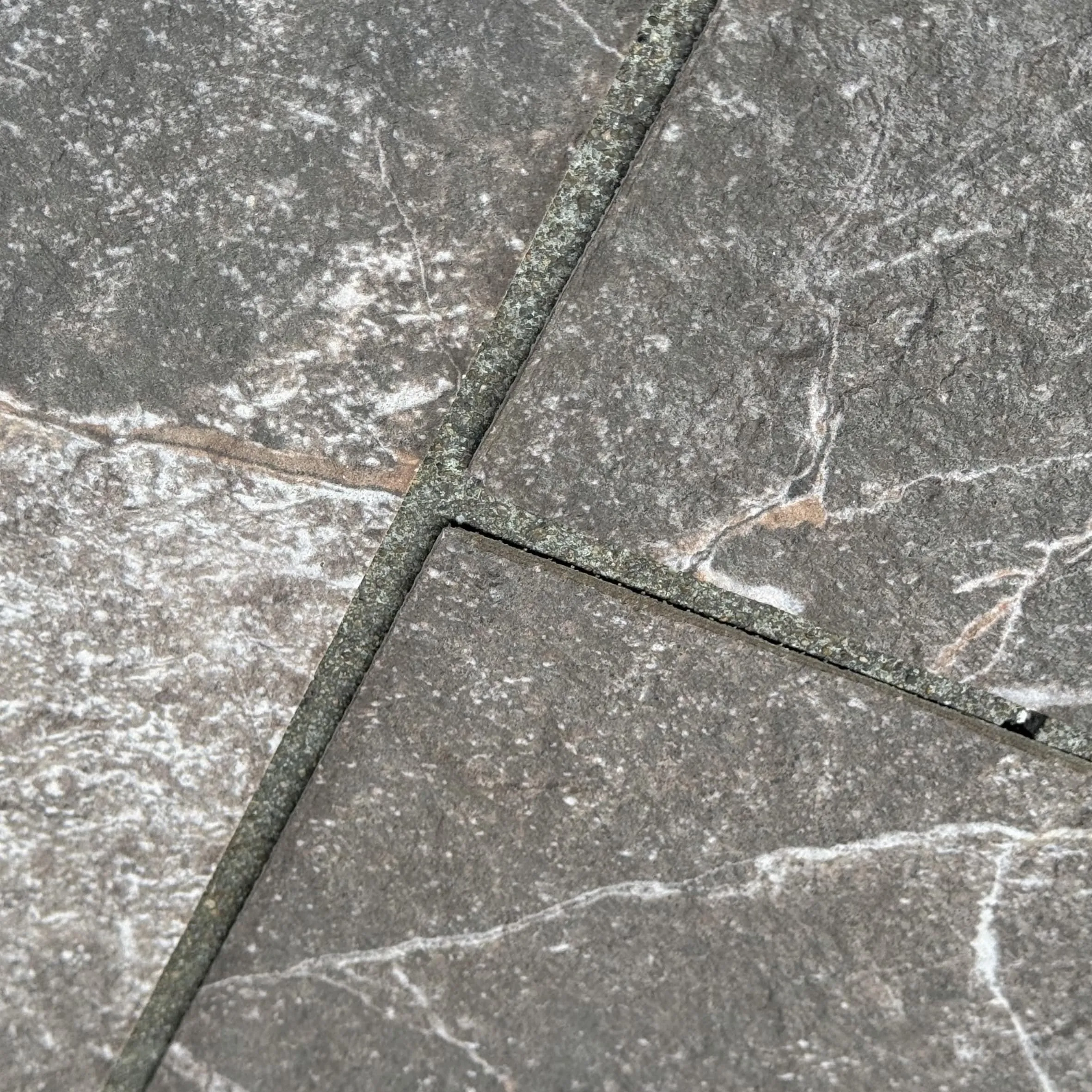
If coastal climates test a material's resistance to water and wind, desert climates push it to the limit with heat, abrasion, and UV radiation. Daytime temperatures can soar above 120°F (49°C), only to plummet drastically at night, causing materials to expand and contract— a cycle that weakens even the sturdiest structures over time. Add in sandstorms, where grains of silica act like sandpaper against surfaces, and intense UV rays that fade colors and degrade organic materials, and you've got a hostile environment that demands nothing less than extraordinary durability.
Here again, Granite Portoro shines. Its high density means it conducts heat slowly, helping to regulate temperature inside buildings—a boon in desert regions where keeping interiors cool is a constant battle. Unlike materials like gobi panel, which while designed for arid landscapes can sometimes warp under extreme thermal stress, Granite Portoro's crystalline structure remains stable, resisting the expansion and contraction that lead to cracks.
Sand abrasion is another challenge. In places like Saudi Arabia, where sandstorms are a regular occurrence, buildings often bear the scars of years of sandblasting. But Granite Portoro's hardness means it wears down at a glacial pace. Compare that to softer stones or even some engineered materials, which can develop a dull, pitted surface after just a few seasons. Architects working on desert projects, from luxury resorts to cultural centers, often opt for Granite Portoro not just for its looks, but for the peace of mind that comes with knowing it won't require frequent replacement.
UV radiation is yet another foe, but Granite Portoro's color stability is impressive. Unlike painted surfaces or even some marbles that fade under the sun, its natural pigments—locked into the stone's mineral composition—retain their depth. This is why you'll find Granite Portoro used in iconic desert structures, from the lunar peak silvery -accented facades of modern museums to the historic pathfinders stone-inspired courtyards of traditional palaces, where it continues to look vibrant year after year.
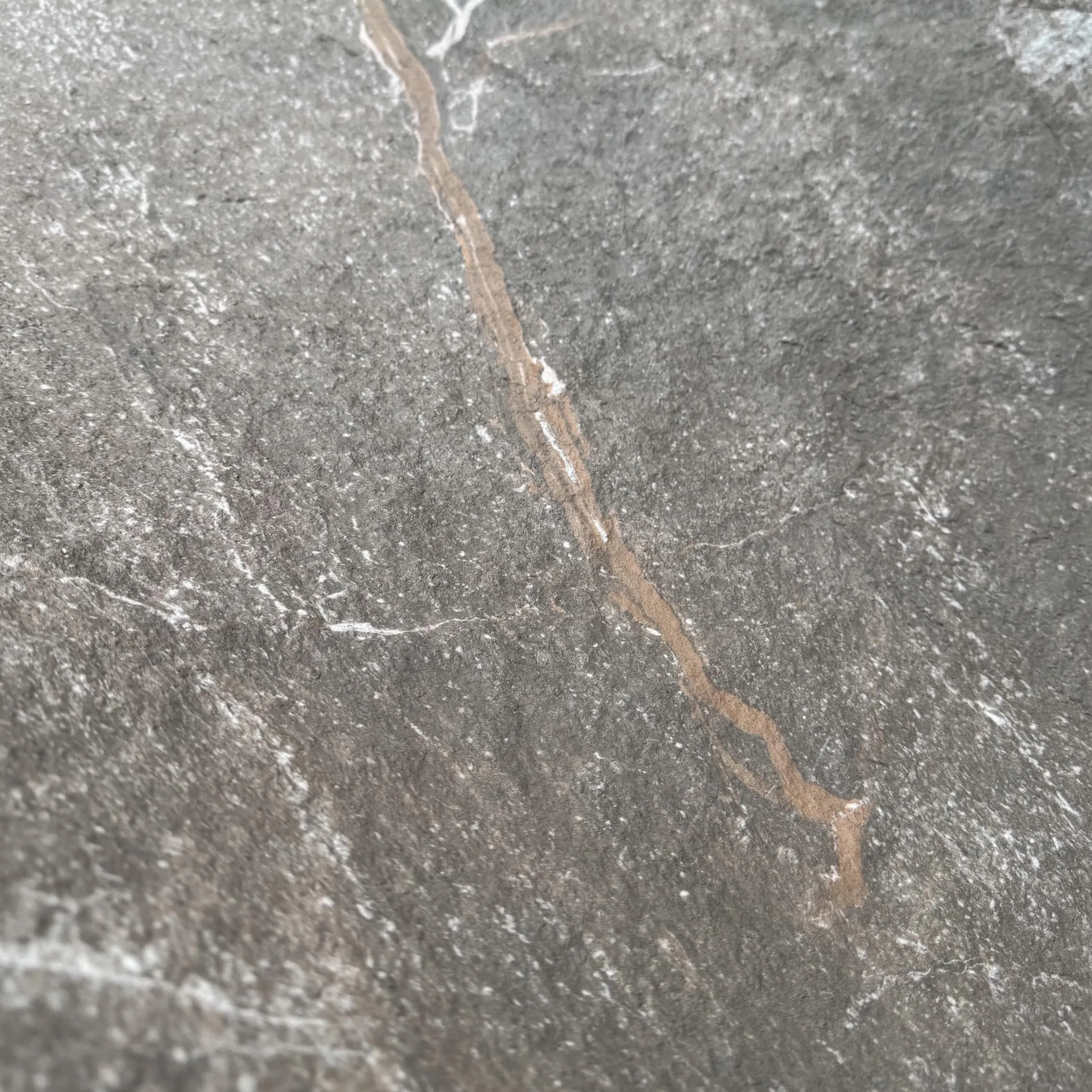
To better understand how Granite Portoro holds up, let's break down the specific challenges of each climate and how the stone responds:
| Climate Type | Key Challenges | Granite Portoro's Defense Mechanisms |
|---|---|---|
| Coastal | Saltwater corrosion, high humidity, wind-driven debris, salt spray | Low porosity resists moisture absorption; dense structure prevents salt penetration; hardness (6-7 Mohs) withstands impacts |
| Desert | Extreme temperature swings, sand abrasion, UV radiation, thermal expansion | Stable crystalline structure resists thermal stress; high density minimizes sand wear; natural pigments resist UV fading |
Of course, Granite Portoro isn't the only option for harsh climates. Let's take a quick look at how it stacks up against a few other popular materials, drawing from the diverse world of building stones and composites:
Fair-Faced Concrete: A staple in modern architecture, fair-faced concrete is valued for its raw, industrial aesthetic. While durable, it's more porous than Granite Portoro, making it prone to efflorescence in coastal areas and staining in deserts. It also lacks the natural heat resistance, meaning it can absorb and radiate more heat in desert sun.
Lime Stone (Beige): A classic choice for warm, earthy designs, lime stone (beige) is softer than Granite Portoro (3-4 Mohs) and highly porous. In coastal climates, it's susceptible to salt damage, while in deserts, it can erode quickly under sand abrasion. It's beautiful but often requires more maintenance.
Lunar Peak Silvery: This sleek, metallic-toned stone is gaining popularity for modern desert buildings. While it handles heat well, its lower density compared to Granite Portoro makes it more vulnerable to sandstorms over time. It also tends to show scratches more easily, which can mar its polished finish.
Historical Pathfinders Stone: A nod to traditional desert construction, this stone has been used for centuries in arid regions. While it has cultural significance, it lacks the uniformity and engineered durability of Granite Portoro, often requiring regular patching and repair.
What sets Granite Portoro apart is its balance of strength, aesthetics, and low maintenance. It doesn't just survive harsh climates—it thrives in them, retaining its beauty and structural integrity with minimal upkeep.
To truly appreciate Granite Portoro's durability, let's look at a couple of real-world examples:
Coastal Case Study: The Azure Bay Hotel (Greece)
Perched on a cliff overlooking the Aegean Sea, the Azure Bay Hotel was built in 2005 with Granite Portoro cladding its exterior walls and terrace floors. Over nearly two decades, it has endured countless saltwater sprays, winter storms, and summer humidity. Today, the stone's surface remains smooth and lustrous, with no signs of efflorescence or pitting. The hotel's maintenance team reports that aside from annual pressure washing to remove surface salt deposits, the Granite Portoro has required no major repairs—a stark contrast to the hotel's original wooden decking, which needed replacement after just five years.
Desert Case Study: Al-Mansoora Cultural Center (Saudi Arabia)
Completed in 2010, this iconic center in Riyadh features Granite Portoro in its courtyard floors and exterior accents. Located in a region where summer temperatures regularly exceed 110°F (43°C) and sandstorms hit at least once a month, the stone has held up remarkably. "We expected some wear, but after 13 years, it still looks like it was installed yesterday," says the center's facilities manager. "The only maintenance we do is a light cleaning with water—no harsh chemicals needed. It's been a game-changer for our budget."
While Granite Portoro is low-maintenance, a little care goes a long way in ensuring it lasts for generations:
In the world of building materials, durability is about more than just surviving—it's about thriving, even when nature pushes back. Granite Portoro doesn't just meet that standard; it redefines it. Whether facing the salt winds of the coast or the scorching heat of the desert, this remarkable stone combines strength, beauty, and resilience in a way that few materials can match.
For architects and builders, choosing Granite Portoro isn't just a practical decision—it's an investment in the future. It's the assurance that the buildings they create will not only serve their purpose today but will continue to inspire and endure for decades to come. In a world where climate extremes are becoming more common, materials like Granite Portoro are more than just building blocks—they're partners in creating structures that stand as testaments to human ingenuity and nature's enduring power.
Recommend Products












