

Picture this: You're walking through the lobby of a boutique hotel, and your eyes are drawn to the floor—warm, earthy reds swirled with cream and gold, each tile unique, like a slice of history underfoot. That's red travertine, a natural stone that's been turning heads in architecture for centuries. But as you run your hand over its surface, a thought creeps in: "This is beautiful, but will it last? I've heard natural stone is high-maintenance, even fragile."
It's a common concern. In the world of construction, where every material choice impacts budgets, longevity, and client satisfaction, red travertine often gets pigeonholed as a "pretty but impractical" option. Myths about its porosity, scratch resistance, and suitability for tough environments circulate like whispers in a job site trailer. But what if those myths are just that—stories, not facts? Today, we're diving deep into red travertine's durability, separating the fiction from the truth, and helping you decide if this timeless stone deserves a spot in your next project.
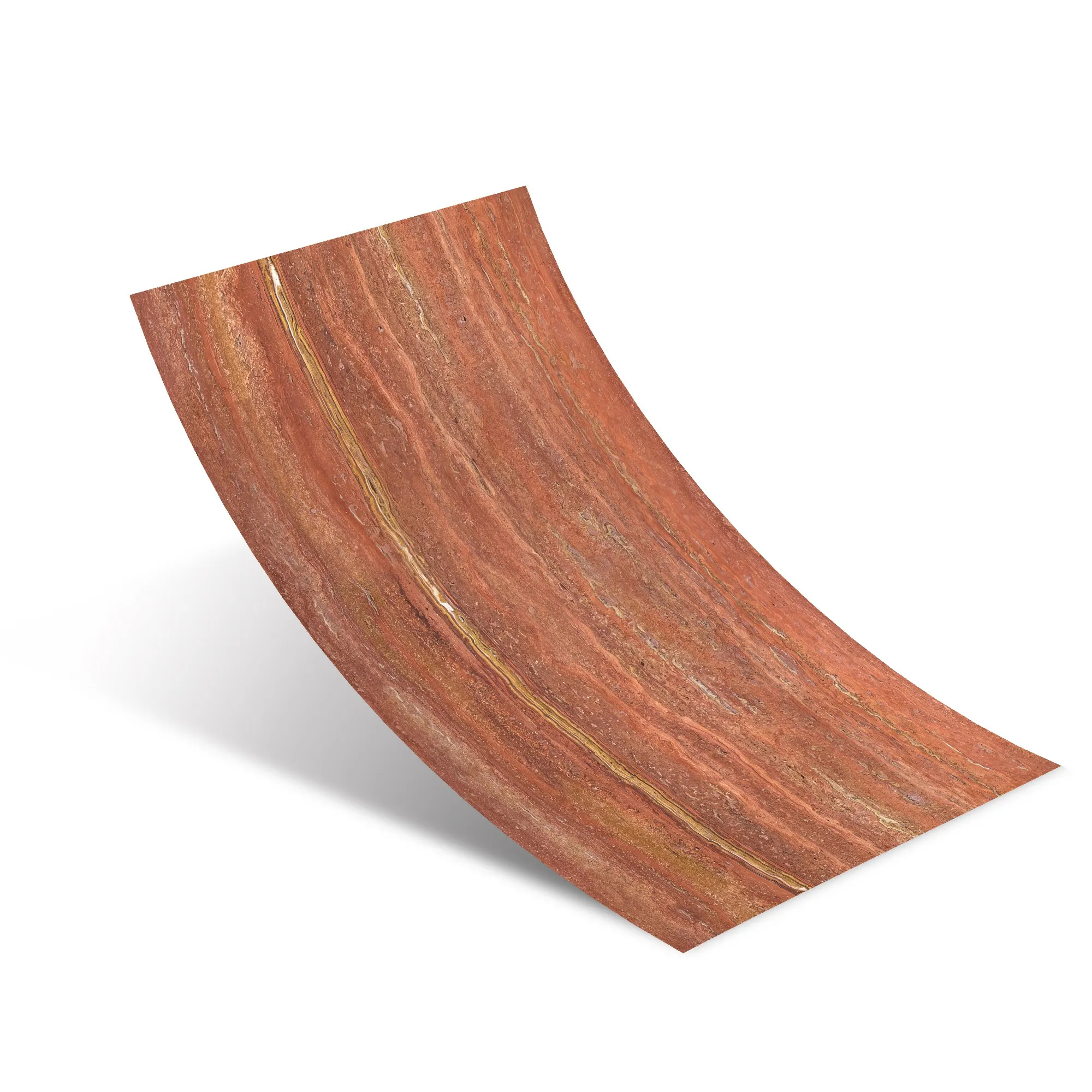
First, let's get to know the star of the show. Red travertine is a type of sedimentary rock formed from mineral-rich hot springs. As water evaporates, it leaves behind layers of calcium carbonate, which slowly harden into stone. The "red" comes from iron oxides in the mix, giving it that distinctive warm hue—ranging from soft terracotta to deep, rusty crimson, often flecked with veins of cream, gold, or even black. Unlike uniform man-made materials, every slab of red travertine is one-of-a-kind; no two tiles will ever look exactly the same. That uniqueness is part of its charm, but it's also where some durability myths take root.
Historically, travertine (including its red variant) has been a go-to for grand structures. Think ancient Roman baths, Renaissance palaces, or even modern landmarks like the Getty Center in Los Angeles (though that's beige travertine). But red travertine, with its bold color, adds an extra layer of personality—making it a favorite for spaces where aesthetics matter as much as function, from high-end restaurants to luxury homes.
Let's start with the rumors. Over the years, red travertine has picked up a reputation for being… well, a bit delicate. Here are the four biggest myths that make construction pros hesitate:
Walk into any tile showroom, and you'll probably hear someone say, "Travertine? Oh, it's full of holes! If you spill wine or coffee, it'll stain right away." The idea is that those tiny pits and pores in the stone act like sponges, sucking up liquids and leaving permanent marks. For commercial spaces like restaurants or hotels, where spills are daily occurrences, this sounds like a disaster waiting to happen.
Another common worry: red travertine is "soft" compared to, say, granite or quartz. The thinking goes that heels, furniture legs, or even heavy foot traffic will leave scratches all over it, turning a beautiful floor into a dull, marred mess in no time. Why invest in a material that can't handle the hustle and bustle of a busy lobby or retail store?
Rain, snow, UV rays—outdoor elements are tough on any material. Many assume red travertine, being natural stone, will absorb water, freeze, and crack in winter, or fade to a pale pink under the sun. Why risk it when there are "hardier" options like fair-faced concrete or composite decking?
Even if you're willing to overlook the porosity and scratches, there's the upkeep. The myth here is that red travertine demands constant attention: sealing every few months, special cleaners, avoiding all acidic substances (goodbye, lemon juice or vinegar!). For busy contractors or property managers, that sounds like a never-ending chore.
These myths aren't entirely baseless—they often stem from real stories of projects gone wrong. Maybe a homeowner installed red travertine in their kitchen without sealing it, and a tomato sauce spill stained permanently. Or a hotel skipped maintenance, and their lobby floor started looking dull after a year. But here's the thing: those failures usually come down to misuse or lack of knowledge , not the stone itself. Let's set the record straight.
It's time to separate fact from fiction. Red travertine isn't a fragile flower—it's a tough, resilient material with a track record spanning millennia. Let's debunk those myths one by one.
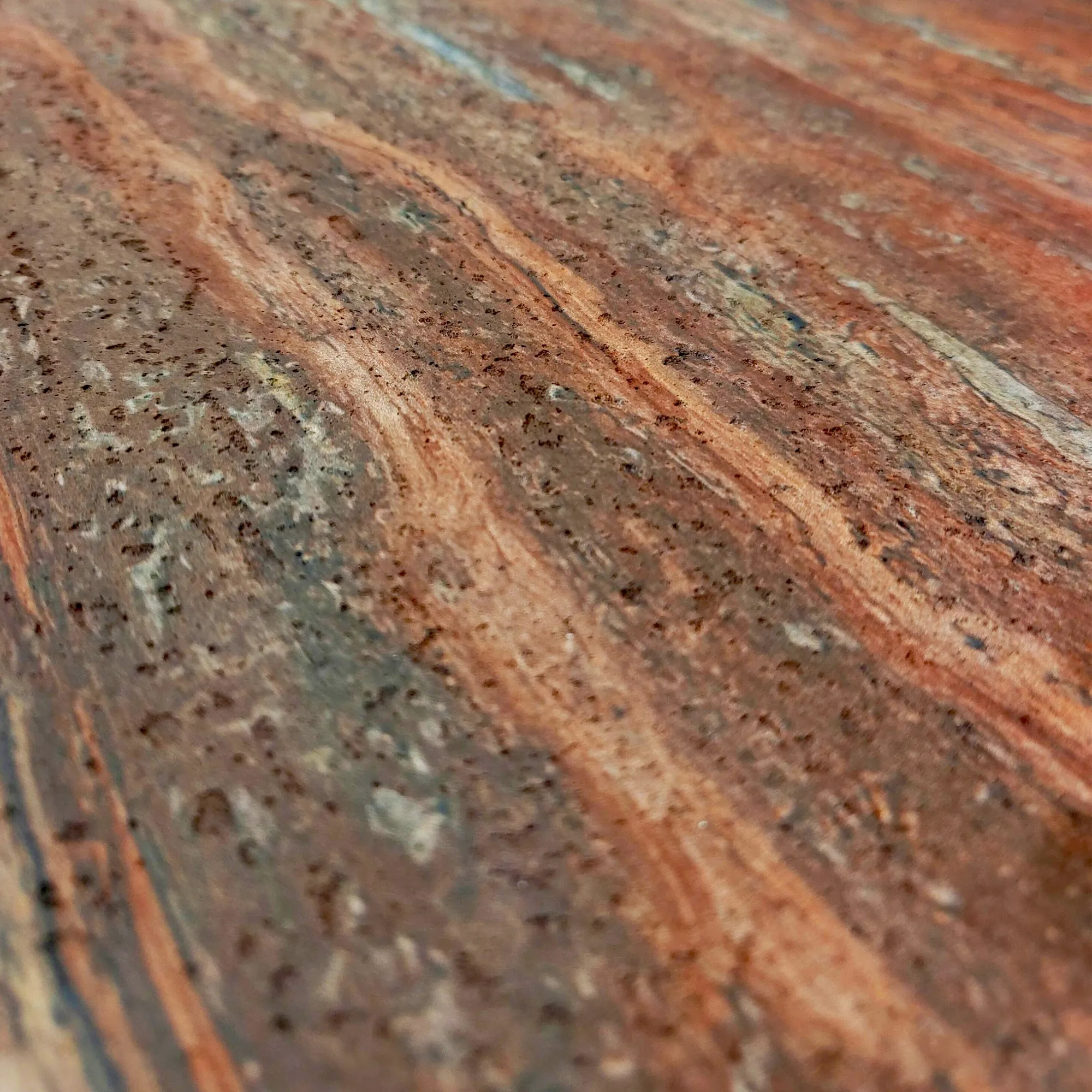
First, the porosity: it's true, red travertine has tiny pores and voids (those "holes" you see). That's part of its natural texture! But here's the game-changer: sealants . Today's stone sealers aren't just surface coatings—they're penetrating formulas that seep into those pores, filling them from the inside out. Think of it like waterproofing a tent: the fabric is porous, but the sealant makes it rainproof. For red travertine, a high-quality penetrating sealer (look for "impregnating" or "deep-penetrating" on the label) creates a barrier that repels liquids, oils, and stains. Most sealers last 3–5 years for indoor use, and 2–3 years outdoors—hardly "constant maintenance."
Pro tip: For extra protection in high-spill areas (like restaurant kitchens or bar tops), apply a topical sealer on top of the penetrating one. It adds a thin, glossy layer that's easy to wipe clean and reapply every 6–12 months. With the right sealer combo, red travertine can handle coffee spills, wine splashes, even the occasional ketchup drizzle—just wipe it up within a few hours, and you're golden.
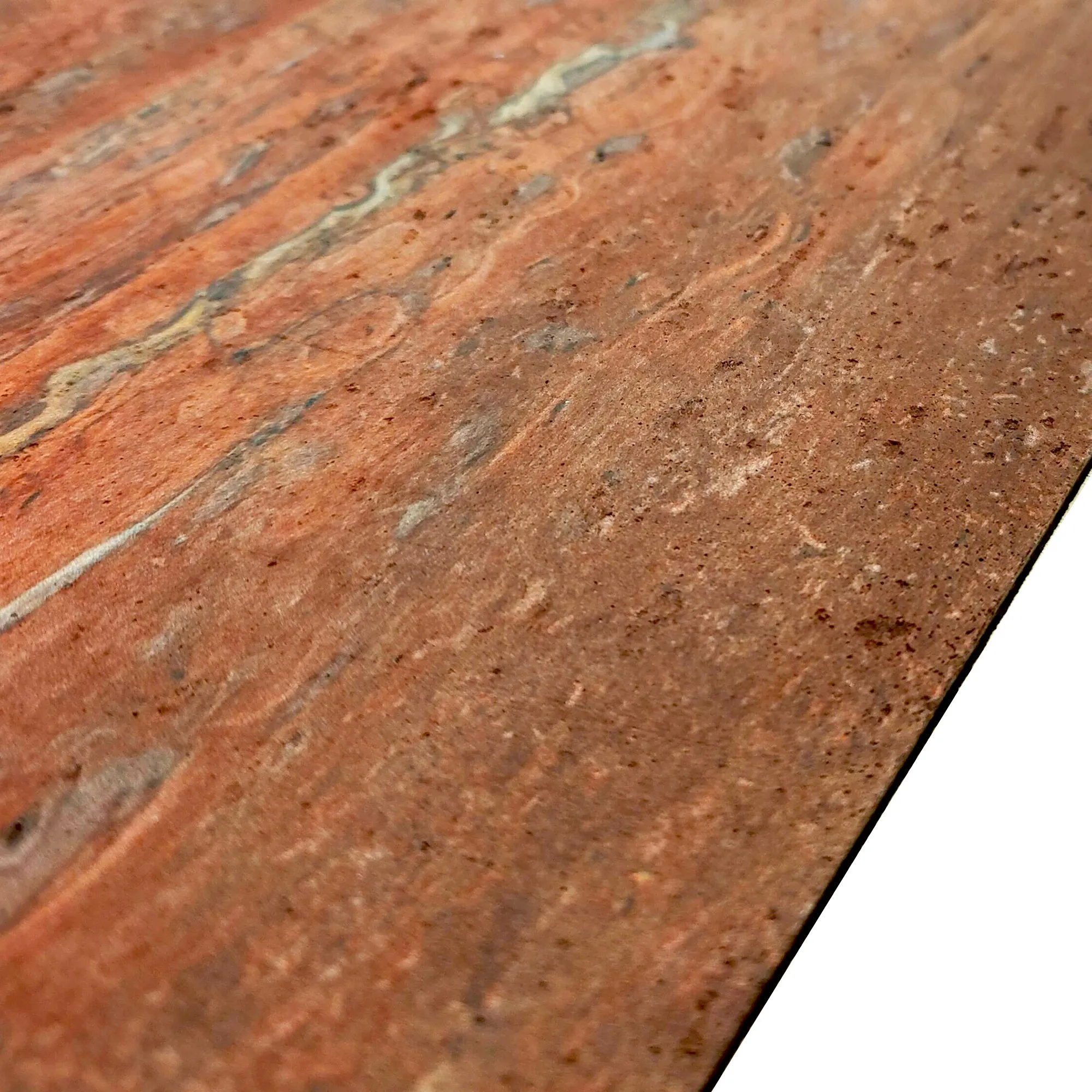
Let's talk hardness. On the Mohs scale (which rates mineral hardness from 1, talc, to 10, diamond), red travertine sits around 3–4. That's softer than granite (6–7) or quartzite (7–8), but harder than marble (3–4, same as travertine) or limestone (3). So yes, it's not the hardest stone out there—but "soft" doesn't mean "easily scratched." Most everyday items won't damage it: shoes, furniture with felt pads, even pet claws. The real culprits? Grit and sand tracked in on shoes (which act like sandpaper) and dragging heavy, unprotected furniture. But that's true for any flooring material, from hardwood to polished concrete.
Here's proof: Visit a historic building with red travertine floors that's been maintained properly—say, a 100-year-old villa in Tuscany. You'll see patina, sure (that's the stone's character!), but minimal deep scratches. Why? Because they sweep regularly to remove grit, use furniture pads, and avoid dragging heavy objects. In modern projects, adding a scratch-resistant underlayment during installation (like a cement board for floors) further boosts durability. Red travertine can handle high foot traffic—you just need to treat it with respect.
Red travertine and the great outdoors? They're actually old friends. Take, for example, the courtyard of the Hotel Hassler in Rome, which features red travertine tiles that have weathered rain, snow, and scorching sun for decades—still looking rich and vibrant. The key is installation and sealing for UV resistance . Outdoors, you need to: 1) Use a breathable sealer (so moisture doesn't get trapped underneath and cause cracking), 2) Install proper drainage (slope the tiles slightly so water runs off), and 3) Avoid areas with standing water (like around leaky faucets). For freeze-thaw climates, opt for "frost-resistant" red travertine (ask your supplier—some quarries test for this), which has lower water absorption and can handle temperature swings without cracking.
UV fading? Red travertine's color comes from iron oxides, which are naturally stable. Unlike dyed materials, its hue won't bleach out in the sun—though over time, it may develop a subtle "patina" (a slight softening of color) that many designers actually love, as it adds warmth and age. If you want to preserve the original vibrancy, choose a sealer with UV inhibitors—problem solved.
Let's cut through the hype: red travertine does need maintenance, but it's not a full-time job. Here's the basic routine: Sweep or vacuum weekly to remove grit. Mop with a pH-neutral stone cleaner (avoid vinegar, bleach, or ammonia—they can etch the surface). Reseal every 3–5 years indoors, 2–3 years outdoors. That's it! Compare that to hardwood floors, which need refinishing every 7–10 years, or even some luxury vinyls that fade and require replacement after a decade. Red travertine, with proper care, can last 50+ years—making its maintenance a small price to pay for longevity.
And for those worried about acidic substances: yes, lemon juice, vinegar, or harsh cleaners can etch the surface (that's true for most natural stones, including marble). But how often does that happen? In a residential kitchen, maybe a spilled glass of orange juice—just wipe it up immediately, and no harm done. In commercial settings, train staff to clean spills quickly, and you're covered. It's common sense, not rocket science.
Still skeptical? Let's look at real projects where red travertine has stood the test of time. Take the Azure Resort & Spa in Bali, which installed red travertine in its lobby and outdoor pool deck 12 years ago. Today, the tiles still glow with their original red and gold tones, and the resort's maintenance manager swears by their routine: "We seal the lobby every 4 years and the pool deck every 2 years. We sweep daily, and use a soft mop with stone cleaner. It's never been a hassle, and guests always comment on how 'luxurious' the floors feel."
In downtown Portland, The Rusty Spoon Café chose red travertine for their floor and backsplash when they opened in 2015. Owner Maria Gonzalez admits she was nervous at first: "I'd heard the myths—'it'll stain, it'll scratch, it's too soft.' But my architect assured me it was doable with sealing. Now, 8 years later, we've had coffee spills, food drops, even a few broken plates—and the travertine still looks amazing. We reseal the floor every 3 years, and the backsplash? We've only sealed it once! The natural texture hides small scratches, and the color has only gotten richer with time. Our regulars say it feels 'cozy' and 'welcoming'—something we never would've gotten with fair-faced concrete or wood grain board."
Compare that to fair-faced concrete, a popular modern alternative. While concrete is durable and low-maintenance, it lacks red travertine's warmth and uniqueness. It's sleek and industrial, which works for some spaces, but for a café aiming for a rustic, inviting vibe? Red travertine wins hands down. Similarly, wood grain board offers a natural look, but it warps outdoors and scratches easily—hardly a match for red travertine's longevity.
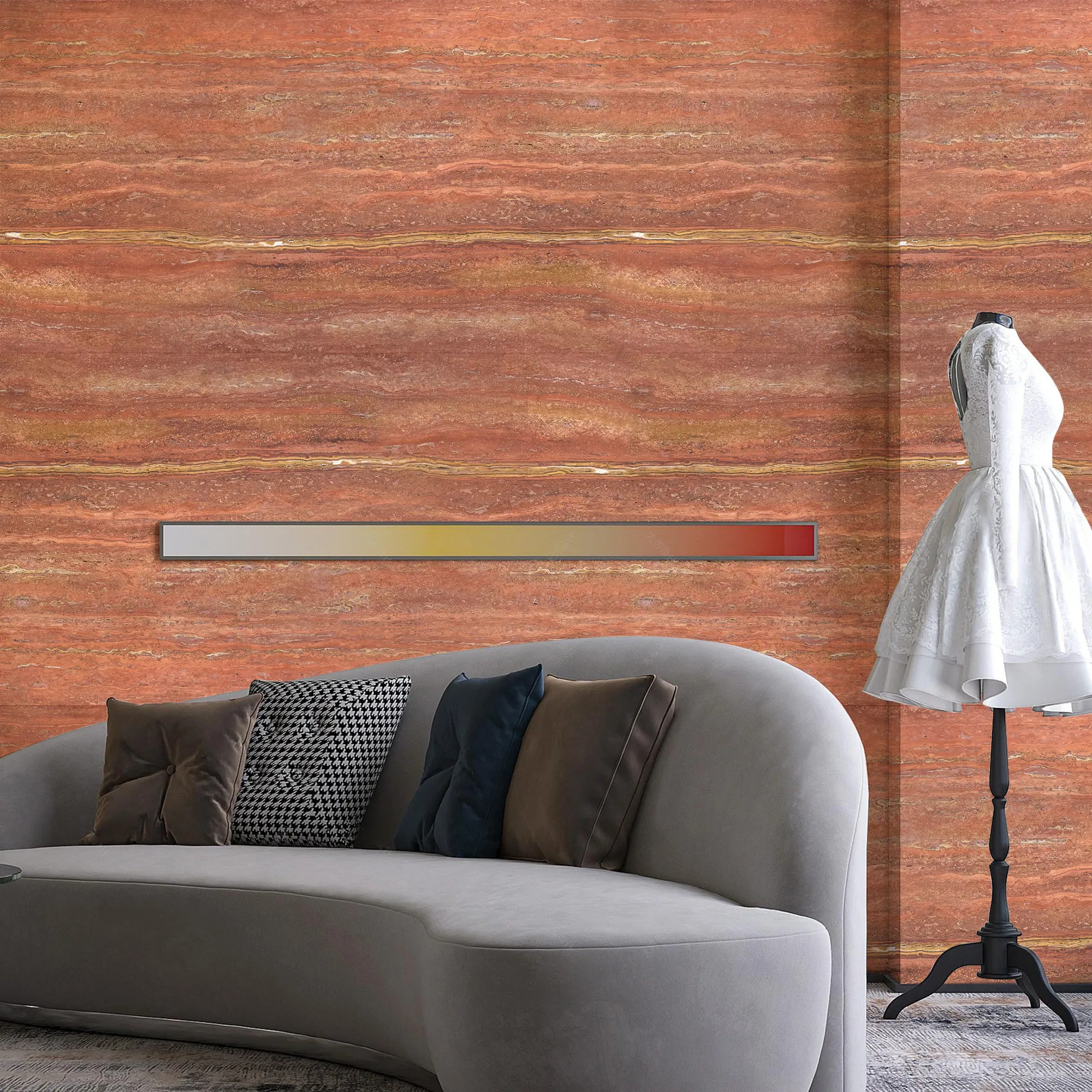
To help you decide if red travertine is right for your project, let's compare it to two common alternatives: polish concrete and mcm flexible stone . We'll look at durability, maintenance, aesthetics, and cost.
| Factor | Red Travertine | Polish Concrete | MCM Flexible Stone |
|---|---|---|---|
| Durability | High (3–5 Mohs hardness; 50+ year lifespan with care) | Very High (6–7 Mohs hardness; 100+ year lifespan) | Medium (flexible but prone to cracking under heavy impact; 15–20 year lifespan) |
| Maintenance | Moderate (seal every 3–5 years; pH-neutral cleaner) | Low (sweep, mop with water; occasional resealing every 5–10 years) | Low (wipe clean with soap and water; no sealing needed) |
| Aesthetics | Unique, warm, natural veining; rich red/gold tones; high-end look | Sleek, industrial, uniform; customizable with stains/aggregates | Lightweight, flexible; mimics stone but lacks natural depth |
| Cost | High ($15–$30/sq ft installed) | Medium ($8–$15/sq ft installed) | Low ($5–$12/sq ft installed) |
| Best For | Luxury spaces, high-end residential, outdoor patios/walkways | Industrial spaces, commercial floors, basements | Curved surfaces, temporary installations, budget projects |
As you can see, red travertine isn't the cheapest or lowest-maintenance option—but it offers unmatched beauty and character. If your project prioritizes aesthetics, longevity, and a "timeless" feel, the investment is worth it. For budget-focused or ultra-high-traffic areas (like a warehouse), polish concrete might be better. For curved walls or temporary displays, mcm flexible stone could work. But for that "wow" factor that clients remember? Red travertine delivers.
We talked to three industry pros to get their take on red travertine's durability. Here's what they had to say:
"Clients often ask, 'Is red travertine too soft for our lobby?' I always show them photos of the Colosseum's travertine (yes, it's beige, but same family!)—that stone has been standing for 2,000 years. The key is education: explain that sealing and maintenance aren't optional, but they're manageable. Once they see how it transforms a space, they're sold." — Elena Rodriguez , Principal Architect, Rodriguez Design Studio
"I've installed red travertine in everything from penthouse bathrooms to winery tasting rooms. The biggest mistake I see is skipping the sealer to save money. A $200 sealer job upfront prevents $2,000 in stain repairs later. Do it right the first time, and red travertine will outlast most other materials." — Marcus Chen , General Contractor, Chen Construction Co.
"We specify red travertine for outdoor projects all the time—patios, walkways, pool decks. The secret is drainage: we slope the substrate 1/4 inch per foot and use a breathable sealer. In freeze-thaw climates, we also recommend 'honed' (matte) finish over polished, as it's less slippery when wet. Clients love that it ages gracefully—develops a patina that makes the space feel lived-in, not worn-out." — Sarah Kim , Landscape Architect, Green Spaces Design
So, is red travertine durable? The answer is a resounding yes —but with a caveat: it requires respect. It's not a "set it and forget it" material like polish concrete, but its beauty, uniqueness, and longevity make it a standout choice for projects where aesthetics and legacy matter. The myths about its porosity, scratch resistance, and outdoor viability are rooted in outdated information or poor installation—not the stone itself.
Think of it like a vintage car: it needs regular oil changes and tune-ups, but it turns heads and holds its value for decades. Red travertine isn't just a building material—it's a statement. It says, "We care about beauty, history, and quality." And when installed and maintained properly, it'll keep saying that for generations.
So, the next time you're planning a project and someone dismisses red travertine as "too fragile," share this: it's not a myth. It's a fact—red travertine is tough, timeless, and ready to leave its mark on your next build.
Recommend Products











