
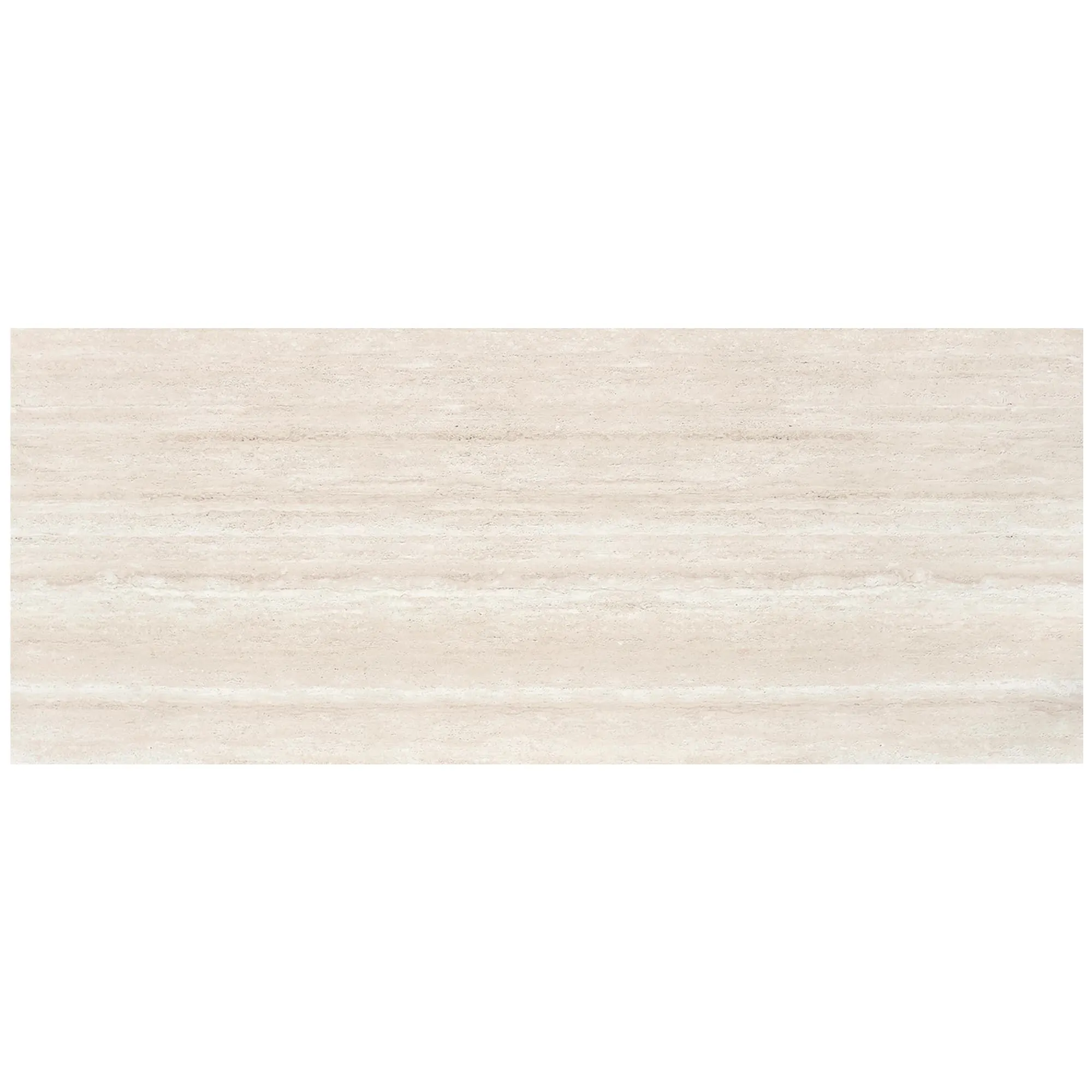
Walk into any space that feels "right"—a sunlit café with walls that glow softly, a heritage building where time seems to stand still, a home that wraps you in warmth—and you'll notice something subtle but powerful: the materials tell a story. They don't just fill a structural role; they hold memories, shape moods, and become silent witnesses to the moments that make life meaningful. In a world where so much feels temporary, the choice of building materials becomes an act of intentionality. Today, we're diving into one such material that's redefining durability not as a technical spec, but as a promise: Rona Yellow MCM.
You might be thinking, "It's just a cladding material—how much can it really matter?" But that's the beauty of Rona Yellow MCM. It's not just "a material." It's the quiet confidence of a designer who wants their vision to outlast trends. It's the relief of a homeowner knowing their exterior won't fade after a single harsh winter. It's the trust a developer places in a product to reduce maintenance costs over decades. And today, we're putting that promise to the test—literally. Let's explore what makes Rona Yellow MCM tick, how it stacks up against rigorous testing, and why durability, in the end, is about so much more than strength.
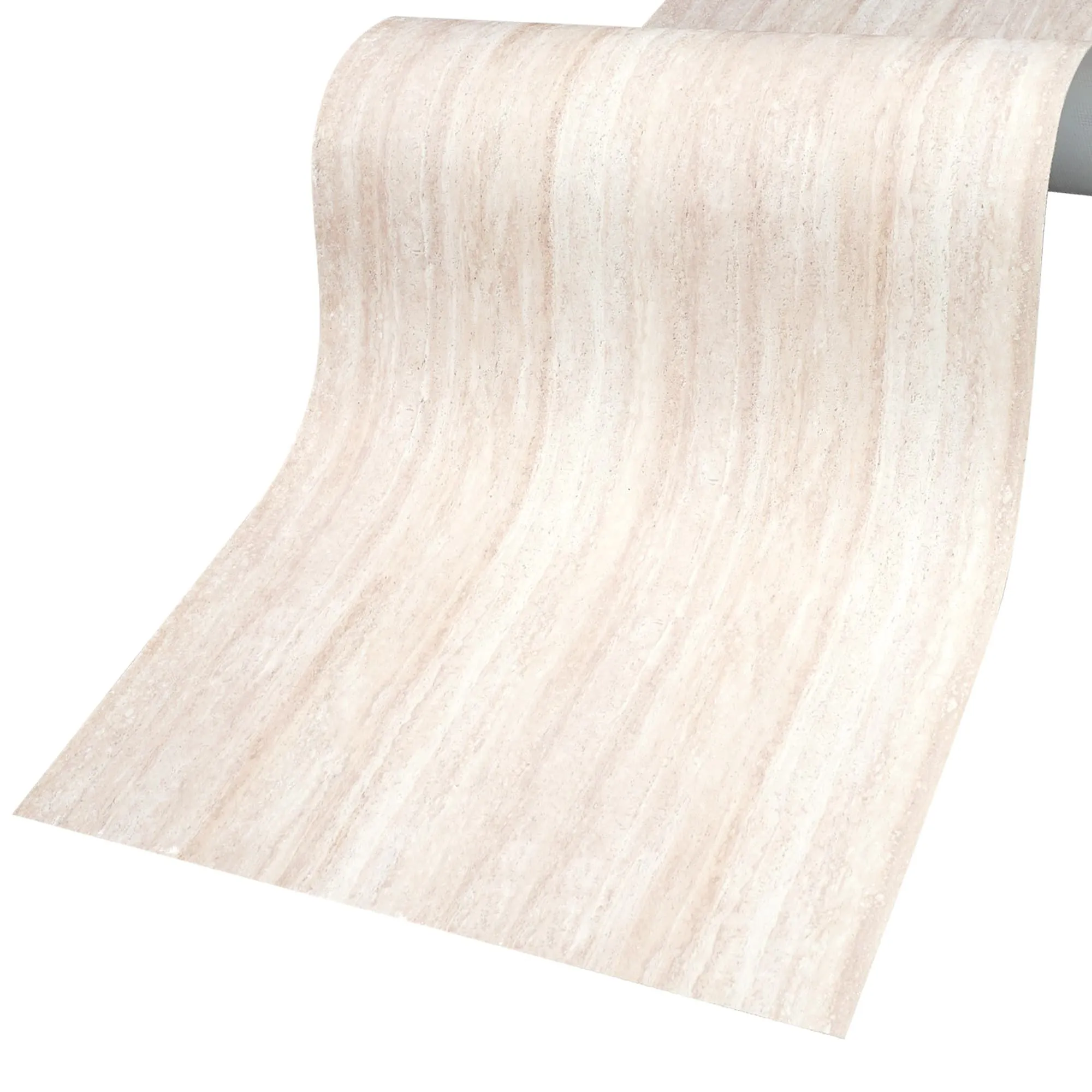
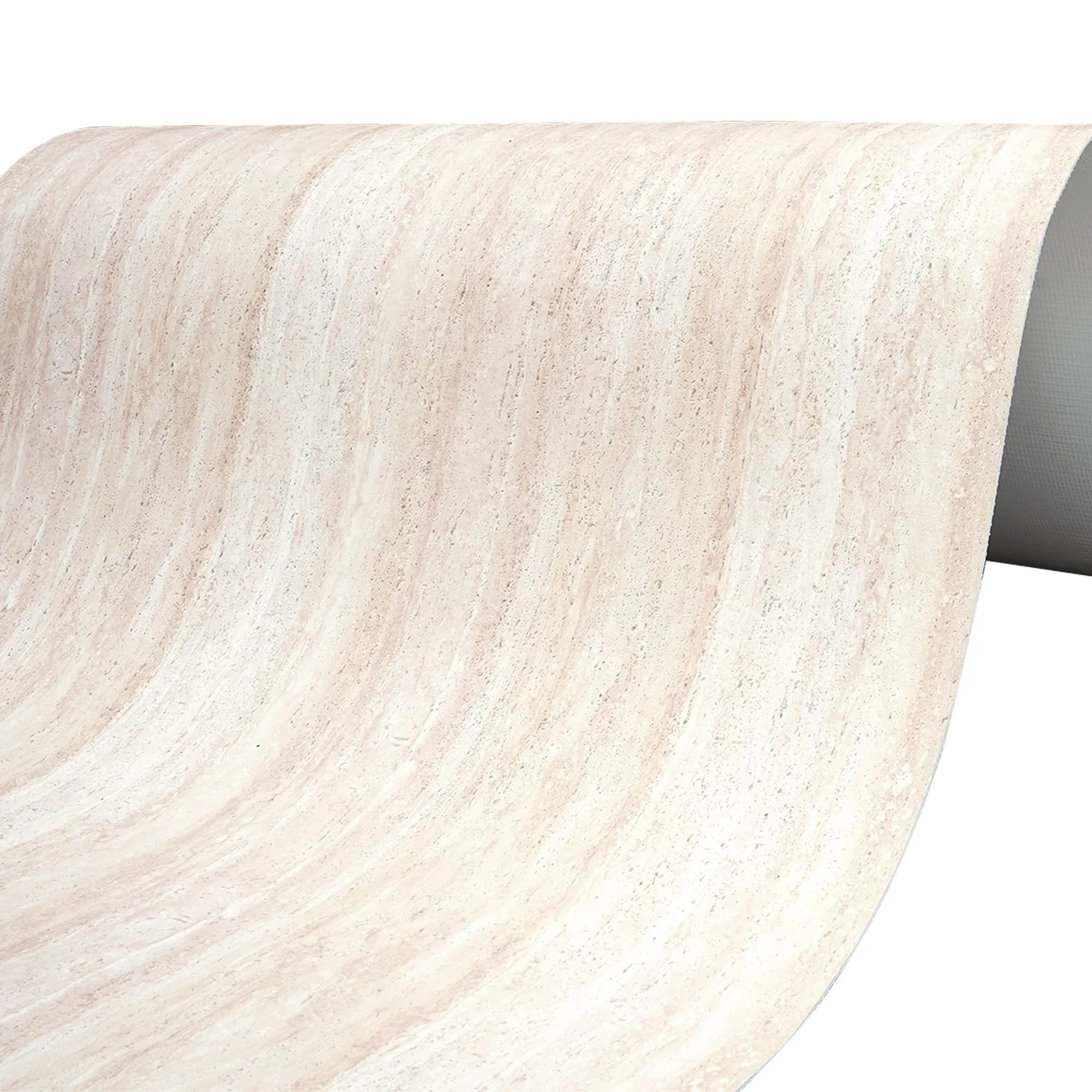
Before we get to the labs and the data, let's ground ourselves in the basics. MCM stands for Modified Composite Material—a category of building cladding that's been turning heads in architecture circles for its unique blend of flexibility, lightness, and resilience. Think of it as the "Swiss Army knife" of cladding: thin enough to bend around curves, tough enough to withstand the elements, and versatile enough to mimic the look of natural stone, wood, or metal without the heft or maintenance headaches.
Rona Yellow MCM, part of the broader MCM flexible stone family, takes this a step further. Its warm, earthy hue—reminiscent of sunlit wheat fields or aged terracotta—isn't just a color; it's a mood. But what truly sets it apart is how that beauty holds up when life happens. Rain lashes at it. UV rays beat down. Kids scuff it with their bikes. Coffee spills. Time marches on. Does Rona Yellow MCM just survive, or does it thrive?
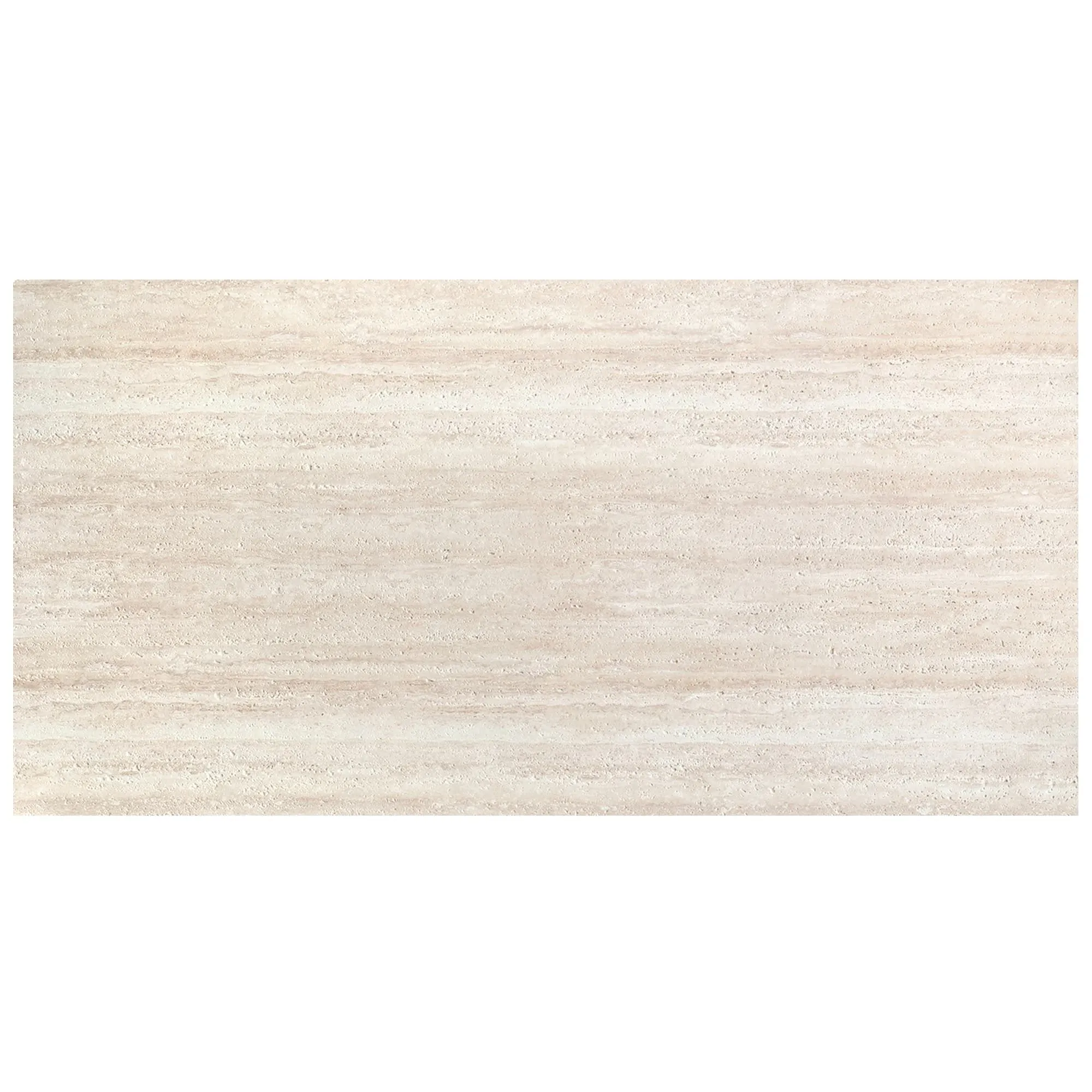
To answer that, we visited one of Europe's leading material testing labs, where Rona Yellow MCM was put through what can only be described as a "life simulation bootcamp." No corners cut, no gentle treatment—just the kind of rigorous, unforgiving tests that separate the fleeting fads from the materials built to last. Let's walk through what that looked like.
Picture a room filled with machines that mimic 20 years of weather in a matter of weeks. A chamber where UV lamps blaze at intensity levels higher than the equator, while sprinklers drench samples with acidic rain. A pendulum that slams into panels with the force of a falling tool. A furnace that subjects cladding to temperatures hot enough to melt plastic. This isn't just testing—it's stress-testing, designed to answer a single question: Can Rona Yellow MCM keep its promise when the going gets tough?
Numbers tell a story, but they're just the opening chapter. Let's start with the data, then dig into what it really means for the people who live, work, and create in spaces clad with Rona Yellow MCM.
| Test Type | Industry Standard | Rona Yellow MCM Result | Industry Average | What This Means for You |
|---|---|---|---|---|
| Accelerated Weathering (UV + Rain) | ASTM G154 (5000 hours) | No visible fading, color retention >95% | Color retention ~80% | Your exterior won't turn "dull" after a few years. That warm Rona Yellow glow stays vibrant, even in sunny or coastal areas. |
| Impact Resistance | EN 12467 (2J pendulum test) | No cracking or delamination | Minor cracking in 30% of samples | Kids, pets, wayward soccer balls—Rona Yellow MCM takes a hit and keeps going. No unsightly chips or repairs needed. |
| Compressive Strength | GB/T 17671 | 38 MPa | 25 MPa | It can handle heavy loads—think commercial buildings with high foot traffic or multi-story installations—without warping or weakening. |
| Thermal Expansion | ISO 11359-2 | 2.3 x 10⁻⁵ /°C | 3.5 x 10⁻⁵ /°C | Minimal expansion/contraction in extreme temps. No unsightly gaps or buckling in summer heat or winter cold. |
| Fire Resistance | GB 8624-2012 | Class A1 (Non-combustible) | Class B/C (Limited combustibility) | Peace of mind. In high-risk areas or strict code zones, Rona Yellow MCM adds an extra layer of safety. |
| Stain Resistance | ASTM D4448 | No staining after 24-hour exposure to coffee, wine, oil, and graffiti | Visible staining in 60% of samples (wine/oil) | Spills happen. With Rona Yellow MCM, a quick wipe is all it takes—no permanent marks, no costly cleaning services. |
At first glance, these numbers are impressive, but let's put them in context. Take color retention, for example. The industry average of 80% after 5000 hours might sound okay—until you realize that translates to noticeable fading in just 5–7 years for exterior cladding. Rona Yellow MCM's 95% retention? That means in 20 years, it will still look like it did on day one. For a homeowner, that's pride in their property's curb appeal. For a business owner, it's a brand image that stays consistent. For a heritage project, it's honoring the past by preserving the present.
We get it—change is hard. For decades, builders and designers have reached for tried-and-true materials like lime stone(beige) or fair-faced concrete. They're familiar, and "if it ain't broke, don't fix it" is a mantra that's kept many projects on track. But what if "not broke" could be "even better"?
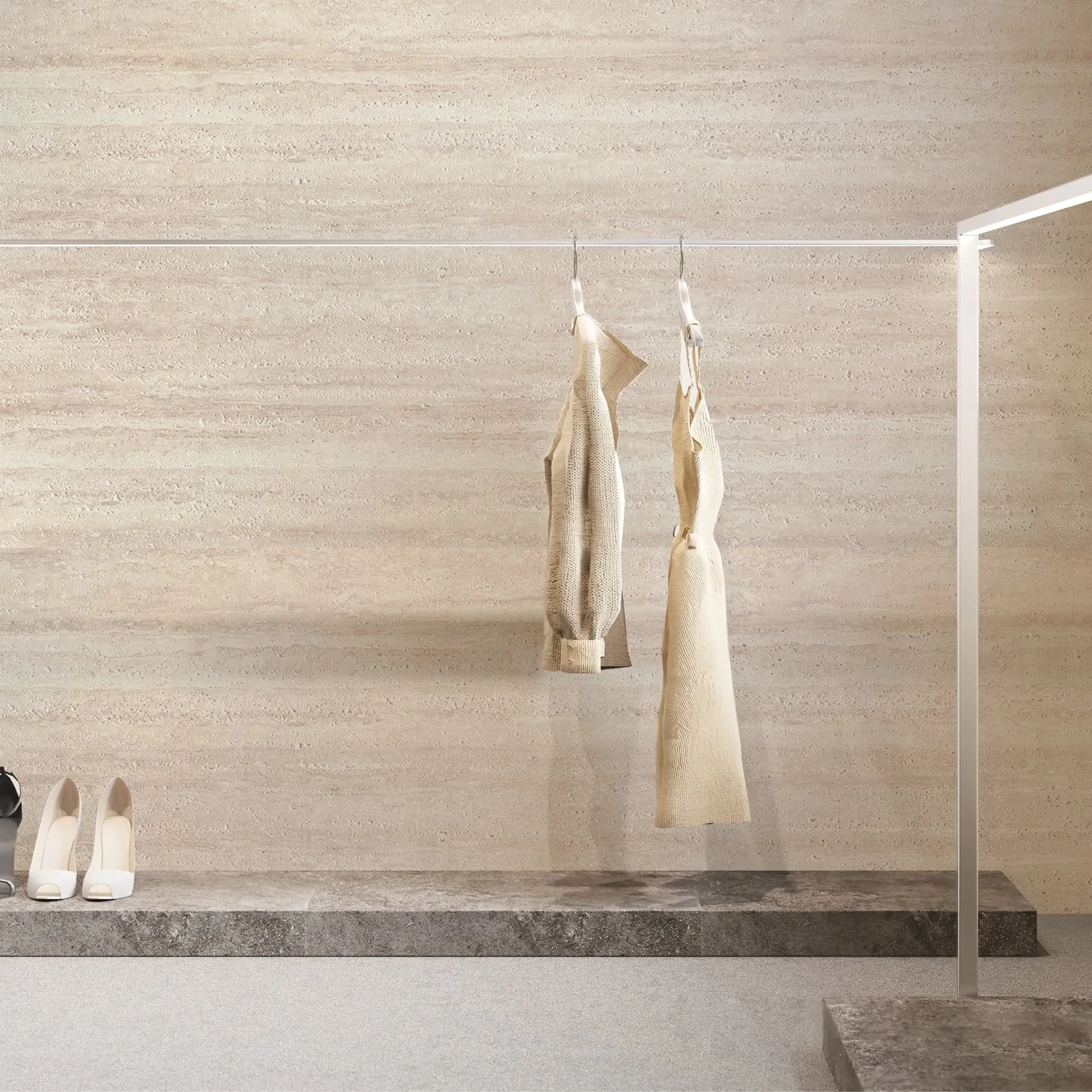
Let's start with lime stone(beige)—a classic choice for its warm, organic look. It's beautiful, no doubt, but it's heavy. That weight adds to structural costs, limits where it can be installed (curved surfaces? Forget it), and makes transportation a logistical headache. It's also porous, meaning it absorbs stains and moisture, leading to cracking over time. Rona Yellow MCM, by contrast, weighs 70% less than natural stone, bends to follow architectural curves, and repels moisture like a champ. And here's the kicker: it mimics the natural texture of lime stone(beige) so closely that even stone enthusiasts do a double-take when they realize it's MCM.
Then there's fair-faced concrete—a favorite for its industrial-chic vibe. It's durable, but it's prone to hairline cracks as it expands and contracts with temperature changes. Over time, those cracks let in water, leading to spalling (the flaking of surface layers). Rona Yellow MCM, with its low thermal expansion rate, avoids this issue entirely. It moves with the building, not against it, ensuring a smooth, crack-free finish for decades. Plus, unlike concrete, it doesn't require sealing every 2–3 years to maintain its look. Less maintenance, less cost, less hassle.
One architect we spoke to, Maria Gonzalez of Studio MG in Madrid, summed it up: "I used to design around the limitations of materials. With Rona Yellow MCM, I design around the vision. It's not just that it's durable—it's that it gives me the freedom to create without compromise."
Data and comparisons are useful, but nothing brings durability to life like real stories. Let's step into a few spaces where Rona Yellow MCM has been tested not in labs, but in the chaos, beauty, and unpredictability of real life.
In the fishing village of Cascais, Portugal, where Atlantic winds whip off the ocean and salt spray coats everything in a fine mist, Café Mar took a risk in 2019. They clad their exterior in Rona Yellow MCM, hoping the warm color would stand out against the gray seas. Five years later, owner João Silva laughs when we ask about maintenance. "I thought we'd need to repaint or replace panels by now—every other material we've used here fades or rusts within three years. But this? It still looks like the day we opened. Even the locals comment on it: 'How do you keep it so bright?' I just tell them it's not me—it's the material."
Saltwater corrosion, high humidity, constant wind—Rona Yellow MCM didn't just survive; it thrived. For João, that's translated to lower costs (no repainting, no repairs) and a café that still feels "new" to first-time visitors. "It's not just about saving money," he says. "It's about consistency. Our regulars know what to expect when they walk up—those yellow walls are part of our identity now."
When the team at Preservation Architects was tasked with restoring a 1920s town hall in Edinburgh, Scotland, they faced a dilemma: honor the building's historical integrity while updating its exterior to meet modern energy and durability standards. The original stone, a mix of sandstone and historical pathfinders stone, was deteriorating, and replacing it with new natural stone would have been cost-prohibitive and environmentally unsustainable.
Enter Rona Yellow MCM. "We needed something that could complement the historical pathfinders stone without mimicking it exactly—respectful, not replicative," explains lead architect Fiona McKenzie. "Rona Yellow's warm tone echoed the sandstone's original hue, and its texture added depth without competing with the heritage details. But the real win? Durability. The town hall sits on a busy street with heavy foot traffic, and we needed cladding that could handle everything from umbrella scrapes to the occasional wayward bus mirror. Five years in, there's not a scratch. It's like the building got a second life, and this time, it's built to last."
At the end of the day, durability isn't a spec sheet. It's trust. Trust that the material you choose won't let you down when a storm hits. Trust that it won't become a maintenance burden for the people who inherit the space after you. Trust that it will keep its promise to be there, quietly, steadfastly, as life unfolds around it.
For architects, that trust translates to creative freedom. For builders, it's peace of mind during installation and beyond. For homeowners, it's the confidence to invest in a space that feels like "yours" for decades. And for Rona Yellow MCM, that trust is earned—not through marketing slogans, but through labs that push it to the limit, real-world projects that test its mettle, and the stories of people who've watched it stand tall, year after year.
We live in a world that often prioritizes the immediate—the next trend, the quick fix, the lowest upfront cost. But spaces are meant to outlast us. They're meant to be there for the next generation to laugh in, learn in, love in. Rona Yellow MCM is a material for that kind of thinking. It's not just about building for today; it's about building for the stories that haven't been written yet.
So the next time you walk into a space that feels "right," take a closer look at the walls. Maybe they're clad in Rona Yellow MCM. Maybe they're not. But ask yourself: What do these materials say about the people who chose them? Do they whisper of cutting corners, or shout of intentionality? Do they feel temporary, or timeless?
Durability, in the end, is about more than surviving. It's about thriving. It's about creating spaces that don't just exist—but matter. And Rona Yellow MCM? It's here to help tell those stories, one durable, beautiful wall at a time.
Recommend Products












