

Standing on the balcony of a Riyadh high-rise, you can almost feel the sun's rays trying to bake the city into submission. It's mid-July, and the thermometer reads 45°C—on a "cool" day. Below, buildings shimmer in the heat haze, their exteriors telling silent stories of survival: some look faded, their paint peeling like sunburned skin; others stand strong, their surfaces unyielding to the elements. What makes the difference? Often, it's the choice of building material. In a country where the climate is as harsh as it is beautiful, durability isn't just a feature—it's a lifeline. And that's where Starry Red Travertine MCM steps in, not just as a building material, but as a silent guardian for Saudi Arabia's architectural dreams.
To understand why durability matters here, let's talk about the enemy: Saudi Arabia's climate. It's a triple threat: blistering heat, relentless UV radiation, and sandstorms that act like natural sandpaper. In Riyadh, summer temperatures regularly soar above 45°C, with surfaces like concrete reaching 70°C—hot enough to fry an egg (yes, we've tested it). Coastal cities like Jeddah add humidity to the mix, where 35°C feels like 45°C with the sticky air, creating a breeding ground for mold and moisture damage. Then there are the sandstorms: in 2023, a single storm in the Eastern Province dumped 100,000 tons of sand on nearby towns, scouring building exteriors and clogging crevices.
It's not just the extremes, either. The daily cycle is brutal: scorching days followed by cool nights (a 20°C drop isn't uncommon), causing materials to expand and contract like a lung. Over time, this "thermal shock" cracks weak materials, turning solid facades into patchwork quilts of repairs. Add in the salt-laden air along the Gulf, which corrodes metal and eats away at stone, and you've got a recipe for architectural fatigue. No wonder so many buildings here need facelifts after just 5–7 years. But what if there was a material that laughed in the face of these challenges? Enter Starry Red Travertine MCM.
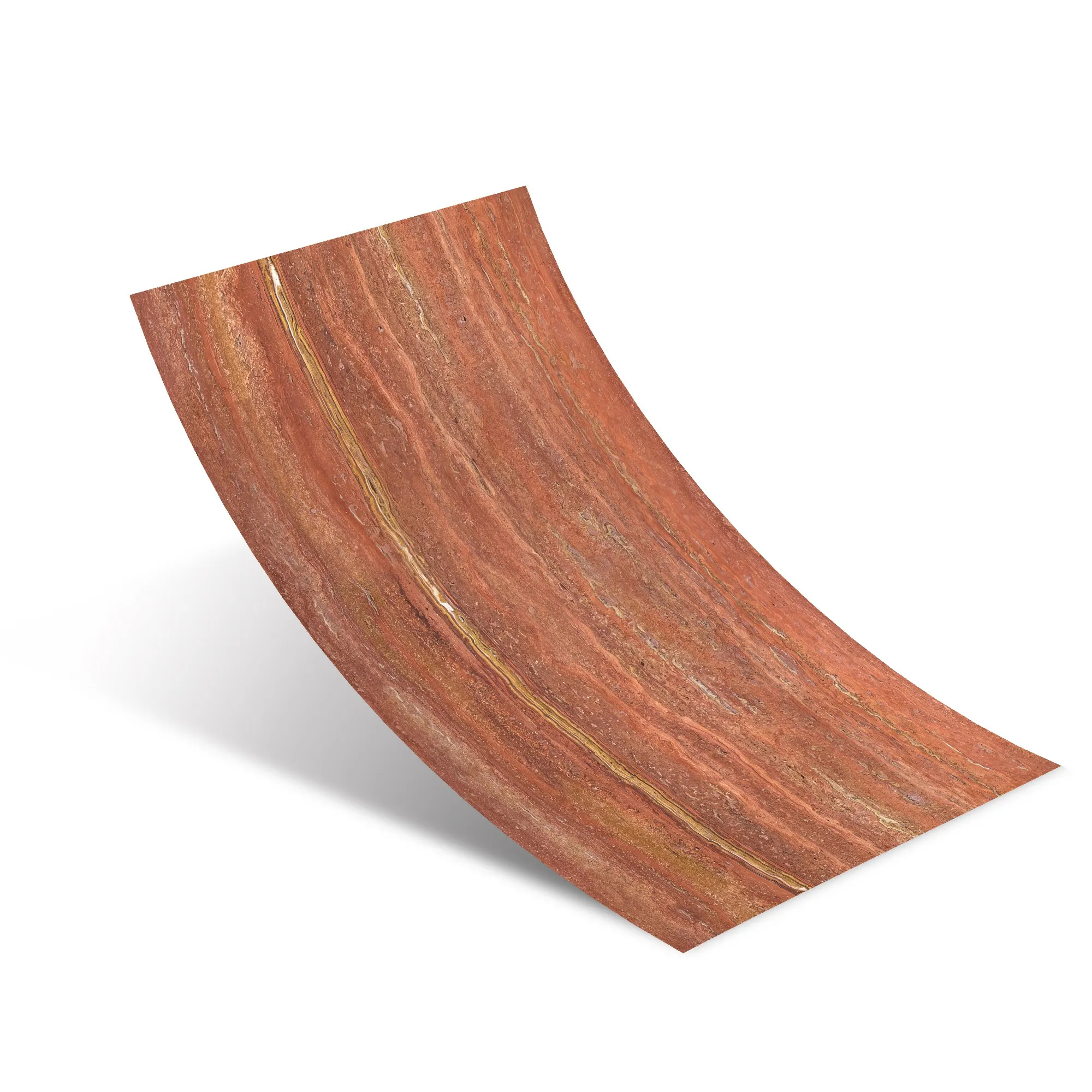
First, let's clarify: MCM stands for "Modified Composite Material," a technology that's revolutionizing building exteriors. Unlike traditional stone slabs, which are heavy and prone to cracking, MCM products like Starry Red Travertine are lightweight, flexible, and engineered to withstand the worst. Think of it as nature and science shaking hands: real travertine stone is ground into a fine powder, mixed with a polymer binder, and pressed into thin, durable panels. The result? All the beauty of natural stone, with the strength of modern engineering.
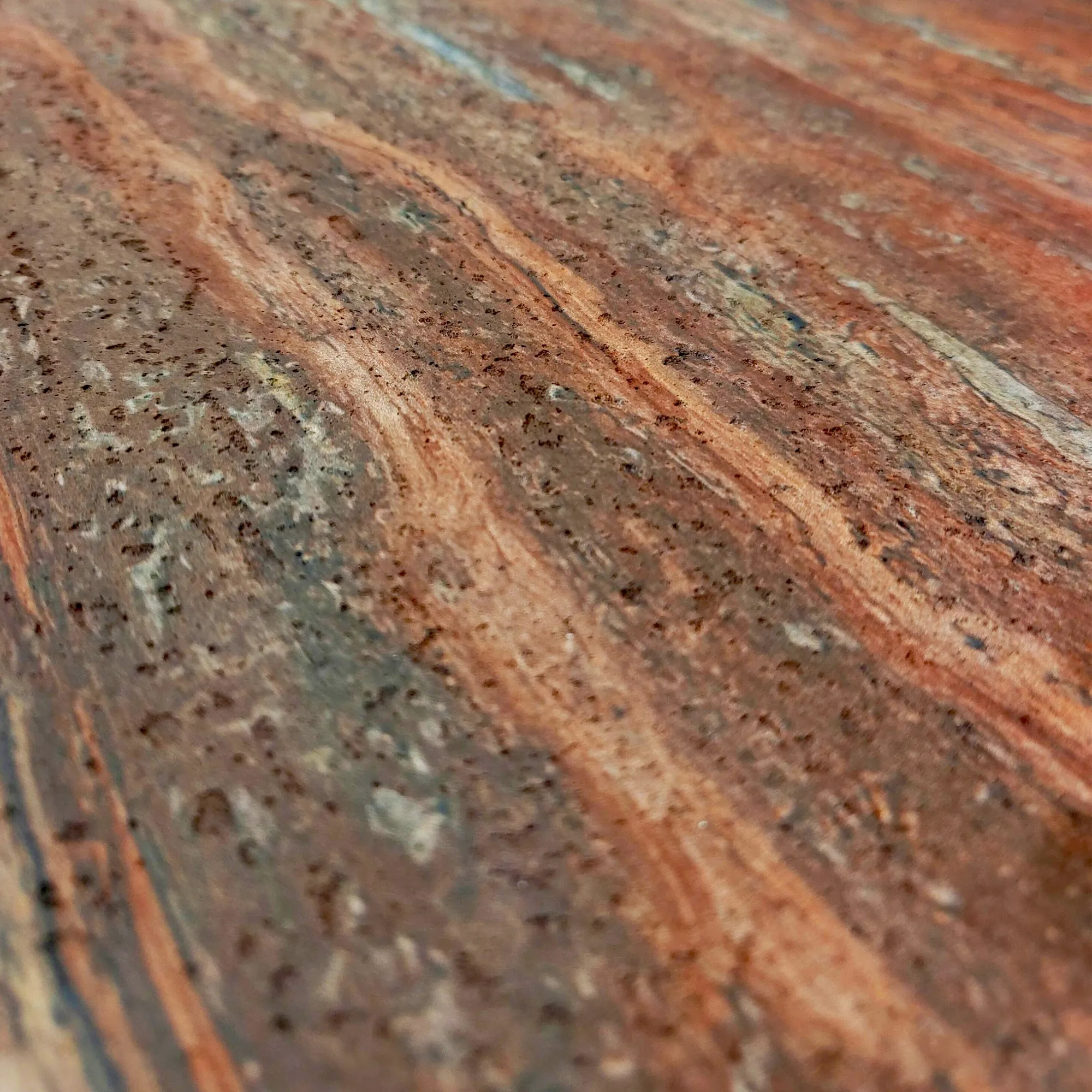
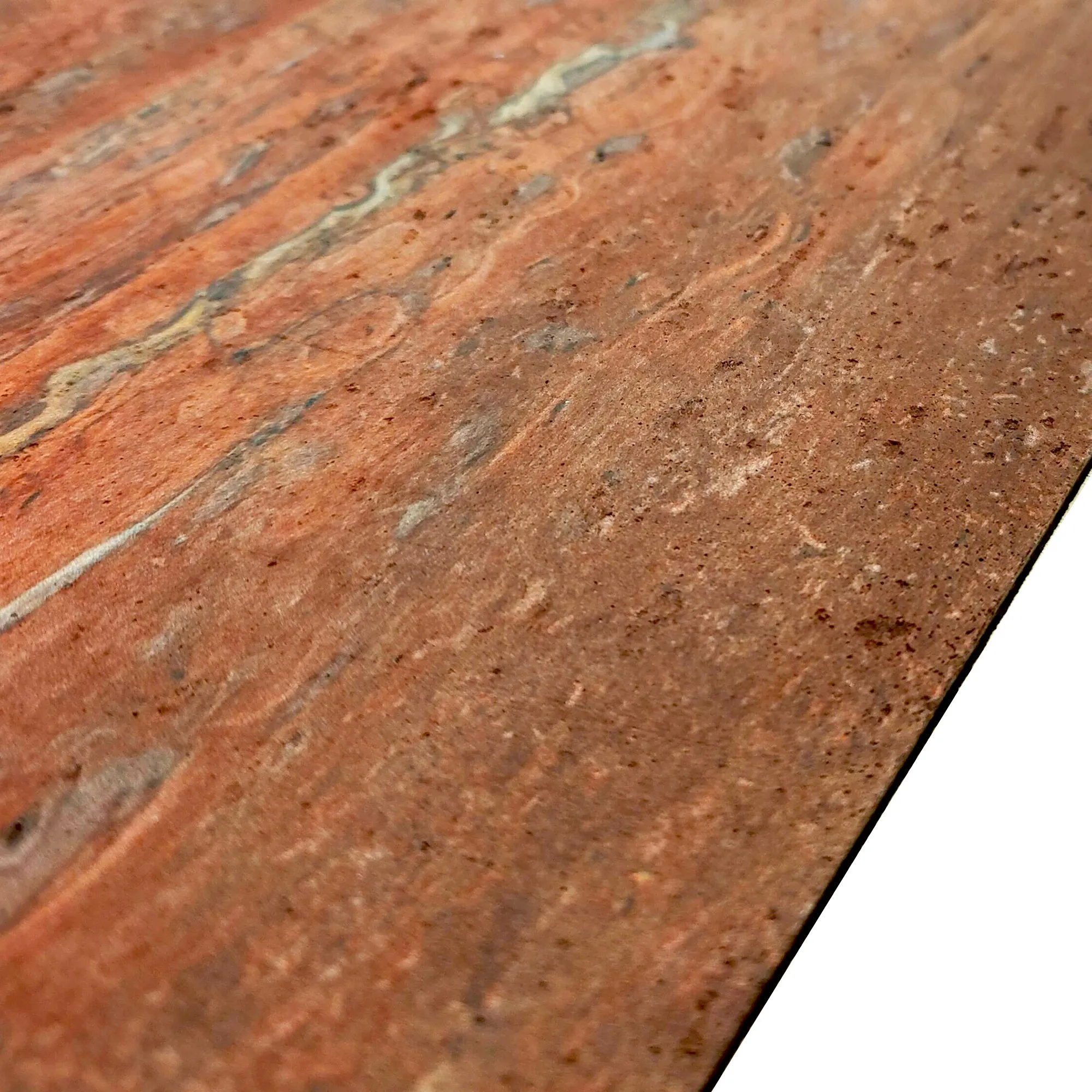
But what makes Starry Red Travertine special? Look closely, and you'll see why it's named "starry": tiny, iridescent flecks embedded in the deep red base catch the light, mimicking a desert sky at night. It's stunning—but in Saudi Arabia, beauty without brawn is just a liability. So, the team at MCM didn't stop at aesthetics. They designed this material to tackle the climate head-on, starting with its core composition: a blend of natural travertine, fiberglass mesh, and a proprietary polymer that resists heat, UV rays, and moisture. It's like wrapping the stone in a suit of armor, but one that's thin enough to be flexible (it bends without breaking!) and light enough to reduce structural load.
To put it in perspective: traditional travertine is porous, meaning it soaks up water like a sponge. In Jeddah's humid summers, that leads to mold growth and cracking as water expands when it heats up. Starry Red Travertine MCM, though? Its polymer coating seals the pores, making it water-resistant. And that "starry" finish? It's not just for show—the flecks are actually ceramic microbeads that reflect UV radiation, preventing color fading. Smart, right? But don't just take our word for it. Let's talk about the tests.
At MCM's testing facility in Dubai, they don't just "test" materials—they torture them. And Starry Red Travertine has been through the wringer, all to prove it can handle Saudi's worst. Let's break down the key trials:
1. The Heat Test: They stuck panels in an oven set to 120°C (hotter than any Saudi summer day) for 1,000 hours. Result? No warping, no discoloration, no loss of structural integrity. Compare that to standard paint, which starts peeling at 80°C, or even some natural stones that crack under thermal stress.
2. UV Radiation Chamber: Saudi's sun emits UV rays so strong they can fade car paint in a year. So MCM blasted Starry Red Travertine with UV lights 10 times more intense than natural sunlight for 500 hours. The verdict? The red hue stayed vibrant, with only a 2% color shift (industry standard is 5% for "excellent"). The starry flecks? Still twinkling, no clouding.
3. Sandstorm Simulation: They built a wind tunnel that fires sand particles at 100 km/h—mimicking a typical Saudi sandstorm. After 100 hours (the equivalent of 10 years of storms), the panel's surface showed minimal wear. A natural limestone panel tested alongside it? It looked like it had been sandblasted—pitted and rough.
4. Water Absorption Test: In Jeddah, where humidity can hit 90%, moisture is the enemy. Starry Red Travertine absorbed just 0.3% of its weight in water after 24 hours, compared to 3% for traditional travertine. That means no mold, no mildew, no cracking from freeze-thaw cycles (yes, even Saudi has rare cold snaps in the north).
Lab tests are one thing—real buildings are another. Let's visit two projects where Starry Red Travertine has been put to the test, years after installation.
The Riyadh Skyline Hotel (2018): When this 20-story hotel opened in downtown Riyadh, its owners wanted a facade that would stand out. They chose Starry Red Travertine for the exterior cladding, drawn to its rich color and unique pattern. Five years later, the hotel still turns heads. "We expected some fading, maybe a few chips from sandstorms," says hotel manager Fahad Al-Tamimi. "But honestly? It looks the same as the day it was installed. The maintenance team barely touches it—just a quick hose down every few months to wash off dust. Compare that to our old annex, which had painted concrete. We repainted it twice in three years, and it still looked tired."
Jeddah's Al-Madinah Mall (2020): Coastal humidity is a beast, but the mall's architects were confident in Starry Red Travertine. Today, the facade's starry red panels gleam in the sun, with no sign of mold or water damage. "We have a food court on the ground floor, so there's a lot of steam and moisture," explains architect Lina Hassan. "In the past, that would mean constant cleaning to prevent mildew on stone surfaces. With Starry Red Travertine? Nothing. It's like it repels the moisture. And the color? It's just as bold as when we first chose it. Our clients love it—they say it makes the mall feel 'alive,' even on the hottest days."
Starry Red Travertine isn't the only MCM hero in town. Let's see how it compares to some of its siblings— Lunar Peak Silvery MCM , Foamed Aluminium Alloy Board (Vintage Gold) , and even the classic Fair-Faced Concrete —across key durability metrics:
| Material | Heat Resistance (Max Temp) | UV Color Retention (5 Years) | Sandstorm Abrasion Resistance | Water Absorption | Maintenance Needs |
|---|---|---|---|---|---|
| Starry Red Travertine MCM | 120°C (no warping) | 98% retention | Minimal wear (100-hour test) | 0.3% | Low (hose down quarterly) |
| Lunar Peak Silvery MCM | 110°C (slight warping at 115°C) | 95% retention | Moderate wear (100-hour test) | 0.5% | Medium (occasional polishing) |
| Foamed Aluminium Alloy Board (Vintage Gold) | 150°C (excellent heat resistance) | 90% retention (metallic finish fades slightly) | High resistance (no visible wear) | 0.1% (waterproof) | Low (resistant to corrosion) |
| Fair-Faced Concrete | 60°C (cracks above 65°C) | 75% retention (fades significantly) | High wear (pitting after 50 hours) | 5% (porous) | High (sealing every 2 years, repainting) |
The takeaway? While Foamed Aluminium Alloy Board excels in heat resistance, it lacks the natural beauty of travertine. Lunar Peak Silvery is a strong contender but needs more maintenance. Fair-Faced Concrete? It's affordable upfront but costly in the long run. Starry Red Travertine strikes that rare balance: durability, beauty, and low maintenance—exactly what Saudi's buildings need.
Durability isn't just about saving money on repairs (though it does that—it's estimated to reduce long-term maintenance costs by 40% compared to traditional stone). It's about sustainability, too. Saudi Arabia is embracing green building practices, and MCM materials like Starry Red Travertine align perfectly with that vision. They're lightweight, reducing the need for heavy steel support structures (lowering carbon emissions during construction). They're also made with recycled stone dust, cutting down on waste. And because they last longer, they reduce the need for frequent replacements—meaning fewer trucks on the road, less quarrying, and a smaller environmental footprint.
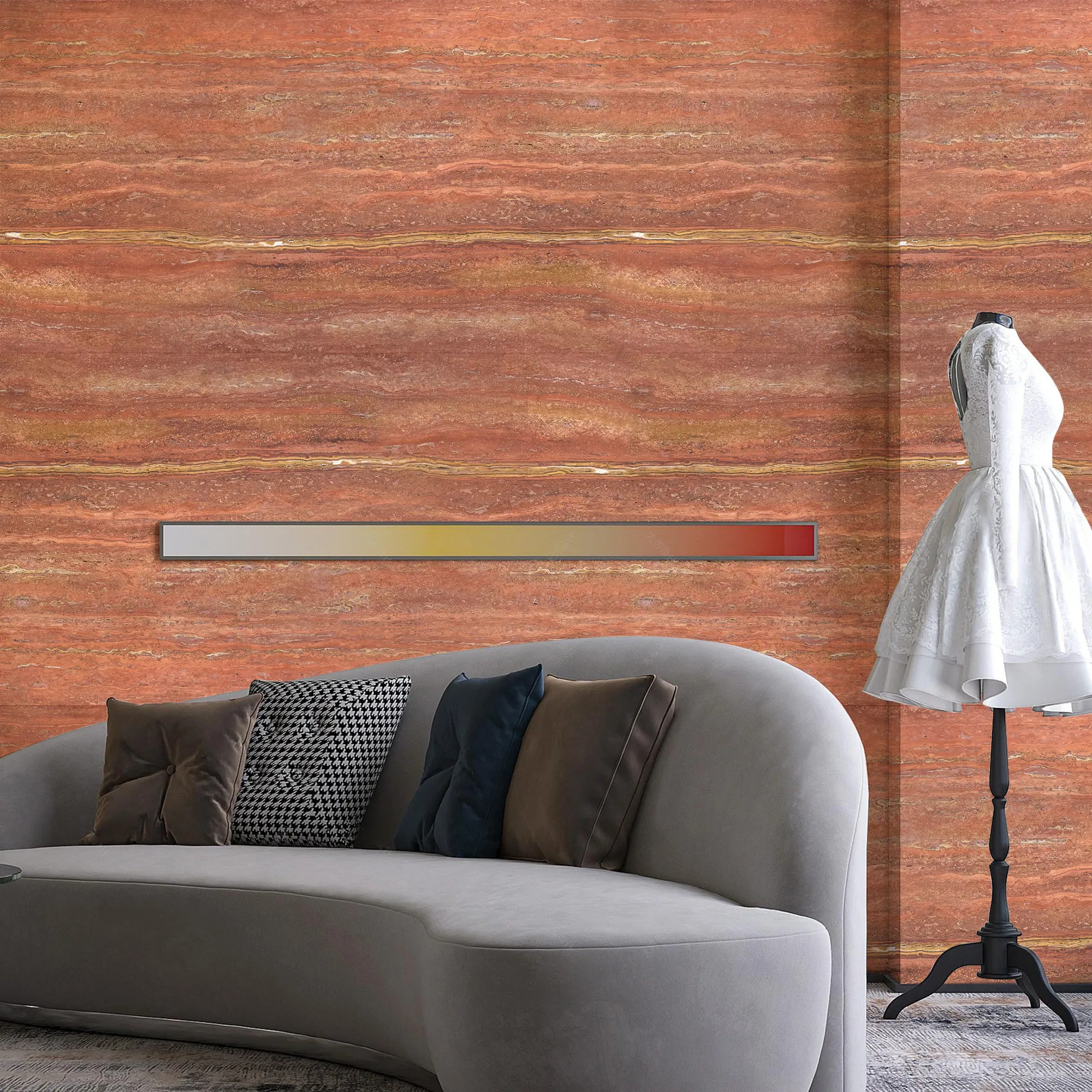
Then there's the aesthetic factor. Saudi Arabia's architecture is evolving, blending tradition with modernity. Starry Red Travertine fits right in: its deep red hue echoes the desert's sandstone cliffs, while the starry flecks add a touch of contemporary flair. It's a material that tells a story—not just of survival, but of beauty thriving in harsh conditions. As architect Omar Khalid puts it: "Buildings here aren't just structures—they're symbols. They say, 'We belong here, and we're here to stay.' Starry Red Travertine helps us tell that story."
Looking ahead, Starry Red Travertine is part of a larger movement: MCM materials are reshaping how Saudi builds. From the futuristic skyscrapers of NEOM to the cultural centers of Riyadh, these materials are proving that you don't have to choose between form and function. Take the upcoming Qiddiya Entertainment City , set to open in 2026: its facade will feature a mix of Starry Red Travertine and Lunar Peak Black MCM , creating a dynamic, durable exterior that can handle the crowds and the climate. Or the Jeddah Tower (once completed, the tallest building in the world), which will use Foamed Aluminium Alloy Board (Vintage Silver) for its spire and Starry Red Travertine for its lower levels—a marriage of strength and beauty.
But it's not just about mega-projects. Smaller developments are catching on, too. A family home in Dammam, a café in Abha, a school in Taif—all choosing MCM materials for their peace of mind. "I used to worry about my villa's exterior," says homeowner Fatima Al-Sayed. "Every summer, I'd stress about peeling paint or cracked stone. Now, with Starry Red Travertine, I don't think about it. It's one less thing to worry about in a busy life."
In the end, Starry Red Travertine MCM isn't just a building material. It's a promise: that in a land where the odds are stacked against durability, your building can stand tall—beautiful, strong, and unyielding. It's a material that understands Saudi Arabia's climate, respects its traditions, and embraces its future. So the next time you're in Riyadh or Jeddah, take a moment to look up. Notice the buildings that shine, that stand out from the rest. Chances are, they're wearing MCM's armor. And if they're red with a sprinkle of stars? They're not just surviving—they're thriving.
Because in Saudi Arabia, durability isn't just about lasting. It's about living —boldly, beautifully, and without compromise. And that's the Starry Red Travertine difference.
Recommend Products











