
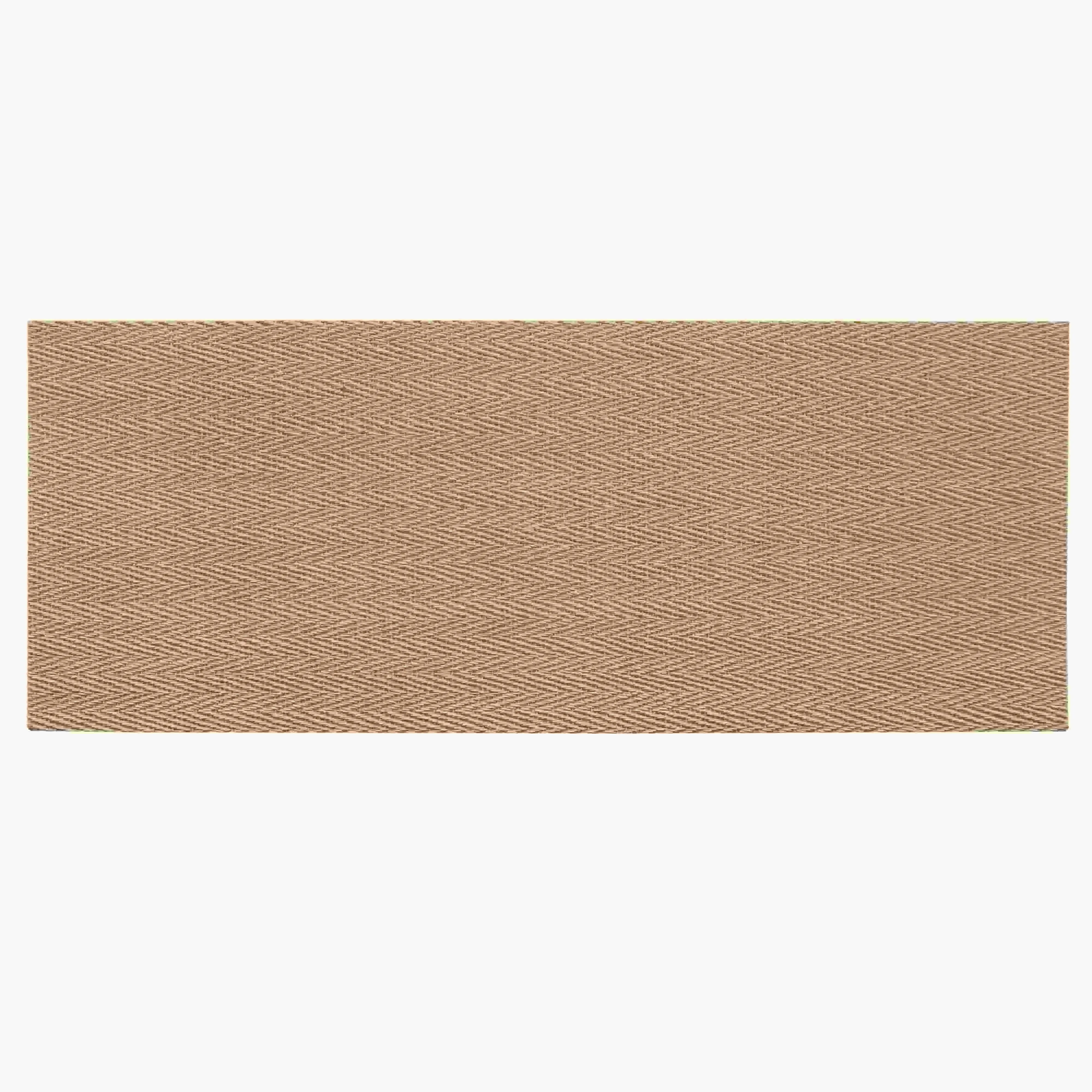
Walk into any modern café, boutique hotel, or even a thoughtfully designed home these days, and you'll likely spot it: the soft, organic rhythm of Weaving (Khaki) Texture. Its warm, earthy tones and tactile, interlaced pattern—reminiscent of handwoven textiles or sun-dried palm fronds—has made it a darling of architects and interior designers. But here's the thing about trends in building materials: what looks stunning on day one needs to keep looking stunning when the elements decide to throw a tantrum. That's where durability steps in, and Weaving (Khaki) Texture? It's not just a pretty face. Let's talk about why this material isn't just surviving extreme weather—it's thriving.
Think about the last time you saw a building with peeling paint, cracked facades, or faded cladding. It's not just an eyesore—it's a red flag. Buildings aren't static; they're living, breathing structures that take daily hits from the environment. Extreme heat bakes them, freezing cold contracts and expands their materials, rain seeps into tiny pores, and UV rays bleach colors into oblivion. For homeowners, this means costly repairs. For businesses, it's a hit to curb appeal and customer trust. And for architects? It's a blow to their reputation. So when we talk about Weaving (Khaki) Texture, we're not just talking about aesthetics—we're talking about reliability. Can it stand up to the worst Mother Nature has to offer? Let's dig in.
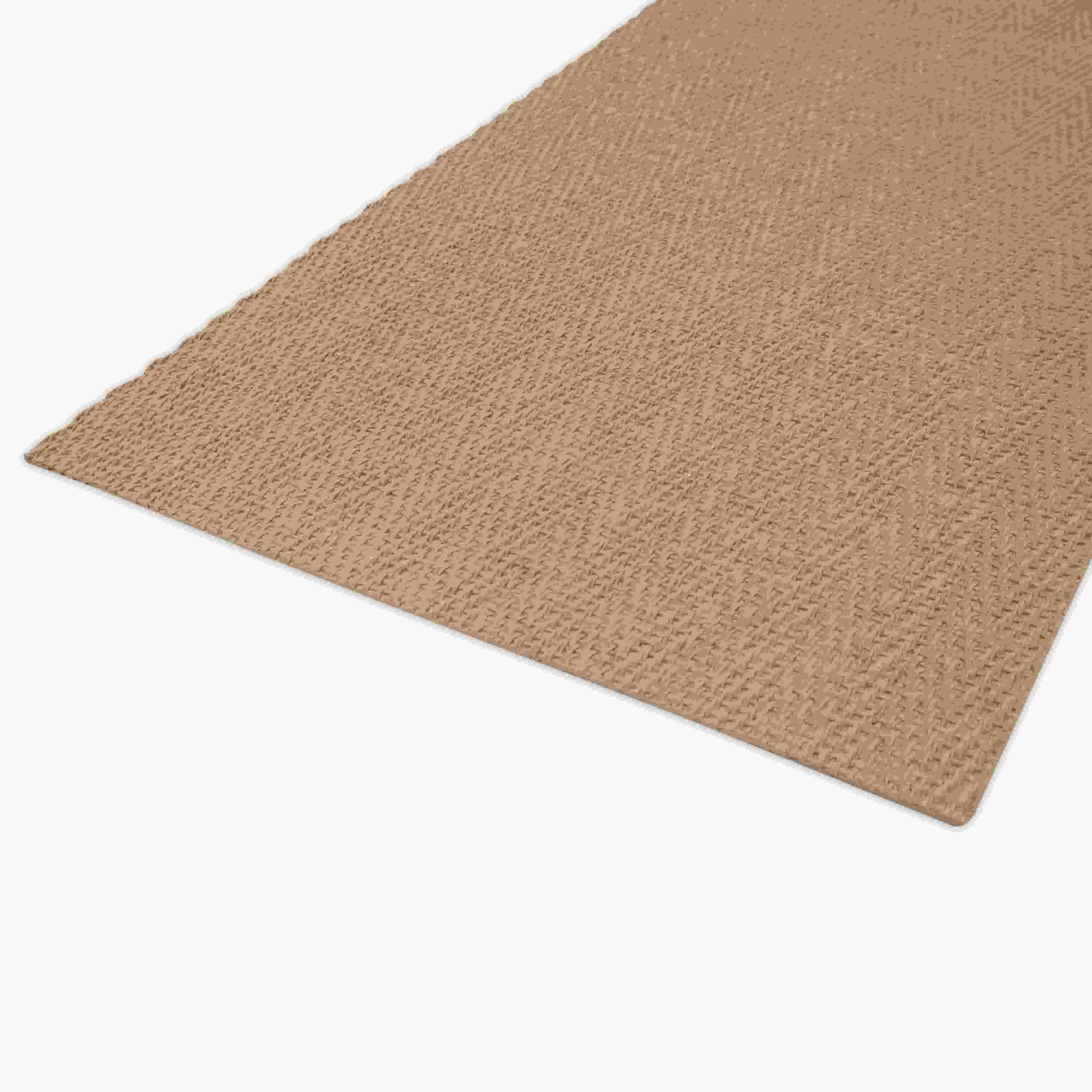
First, let's get to know the star of the show. Weaving (Khaki) Texture isn't your grandma's woven mat. It's a modern marvel of material science, often crafted using mcm flexible stone technology—a game-changer in the world of cladding. MCM, or Modified Composite Material, combines natural minerals with high-performance polymers to create something that's lightweight, flexible, and yes, incredibly durable. The "weaving" in its name comes from its surface pattern: thin, interconnected layers that mimic the look of woven fibers, but with the sturdiness of stone. This isn't just about looks, though. That interlaced structure? It's a secret weapon against the elements.
Imagine a fabric that can bend without breaking, or a stone that can flex without cracking. That's the magic of MCM. Traditional cladding materials like solid stone or even fair-faced concrete (that raw, industrial look we all love) are tough, but they're rigid. When temperature swings cause a building to expand or contract, rigid materials can crack. Weaving (Khaki) Texture, thanks to its flexible core and woven surface, moves with the building. It's like the difference between a stiff denim jacket and a stretchy activewear top—one fights movement, the other embraces it.
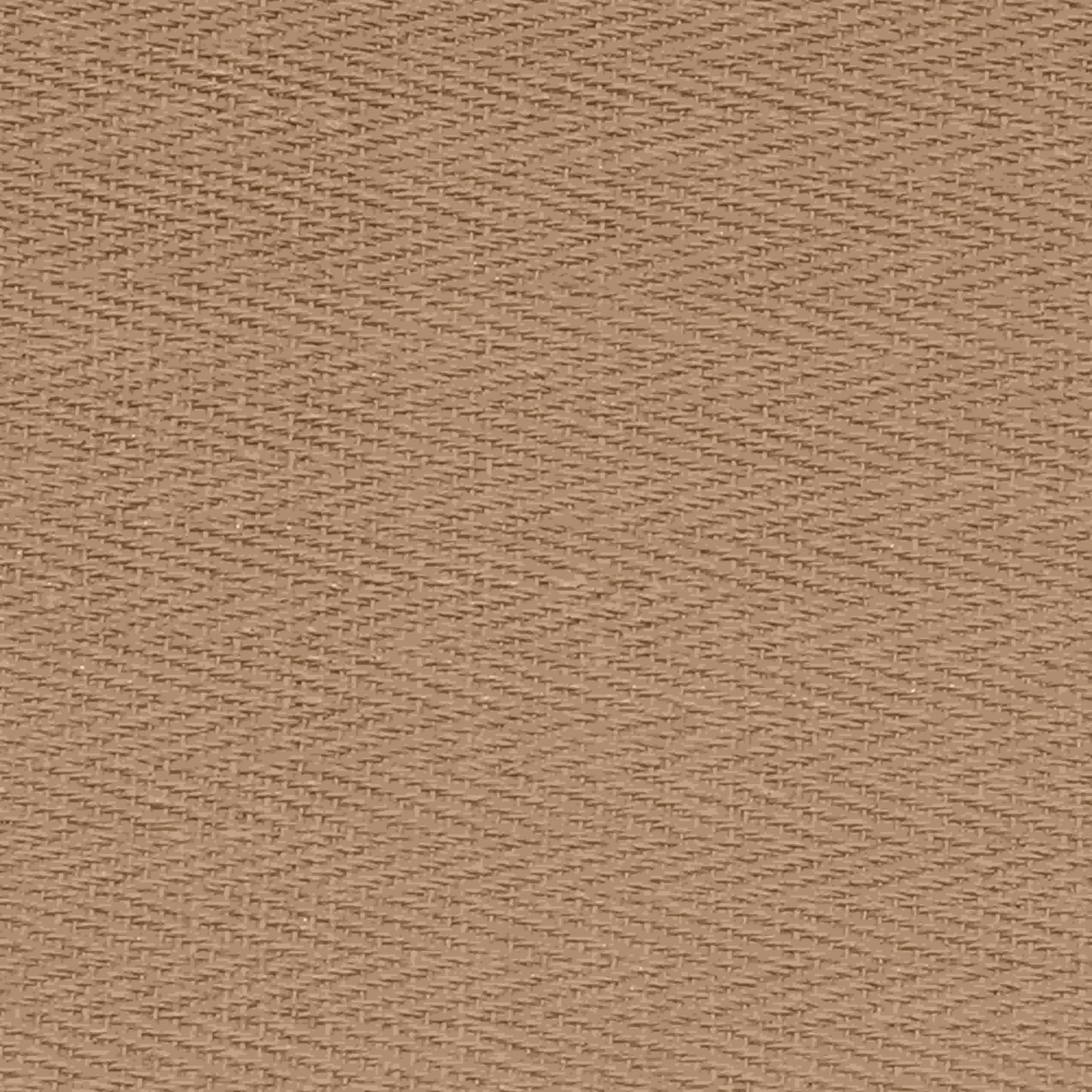
Let's start with the big one: extreme heat. In places like Arizona, Dubai, or parts of Australia, summer temperatures can soar past 110°F (43°C), and direct sunlight beats down on building exteriors for hours. Most materials would start to show signs of stress: paint fades, plastic-based cladding warps, even natural stone can discolor. Weaving (Khaki) Texture? It's built to handle the heat. The MCM base resists thermal expansion, so it doesn't bubble or warp, and the khaki pigment is infused deep into the material, not just painted on. That means UV rays—those color-killers—can't bleach it easily. Compare that to, say, travertine (beige) , a beautiful natural stone that's porous by nature. Travertine can fade in intense sun and even develop hairline cracks if it absorbs too much heat. Weaving (Khaki) skips that drama.
Now flip the script: freezing temperatures. In places like Canada, Scandinavia, or the mountainous regions of the U.S., winter brings sub-zero nights and freeze-thaw cycles that are brutal on building materials. Here's what happens: water seeps into tiny pores, freezes, expands, and then thaws, contracting again. Over time, this process can split stone, concrete, and even brick. Weaving (Khaki) Texture, though, has a tight, non-porous surface that repels water. Even if a little moisture gets in, the flexible MCM core doesn't crack when the water freezes. It's like having a built-in winter coat for your building. Compare that to bamboo mat board , another textured material that's popular for its eco-friendly vibe. Bamboo, while strong, is organic—it can absorb moisture and become brittle in freezing temps. Weaving (Khaki) stays flexible, even when Jack Frost comes to call.
Rain. Lots of it. Monsoon seasons in Southeast Asia, heavy downpours in the Pacific Northwest, or the humid summers of the American South—all of these test a material's ability to keep water out. Weaving (Khaki) Texture's woven pattern might look like it could trap water, but looks are deceiving. The layers are bonded tightly, creating a barrier that sheds rain like a duck's back. And because it's not organic (unlike wood or bamboo), there's no risk of mold, mildew, or rot. I once visited a beach house in Thailand that used Weaving (Khaki) on its exterior walls. After a monsoon season that dumped over 10 feet of rain, the walls still looked as fresh as the day they were installed. No water stains, no peeling, just that same warm khaki tone. That's the peace of mind this material brings.
Wind isn't just about gusts—it's about debris. A storm can hurl branches, rocks, or even loose shingles at a building, and brittle materials shatter. Weaving (Khaki) Texture, with its flexible MCM base, has a little give. It can absorb impact without cracking. Think of it like a car's crumple zone—instead of breaking, it bends and then bounces back. Compare that to something like epoch stone , a durable material in its own right but one that's more rigid. Epoch stone can take a hit, but a strong enough wind-driven object might chip it. Weaving (Khaki)? It's like the material equivalent of a martial artist—using flexibility to deflect force, not fight it.
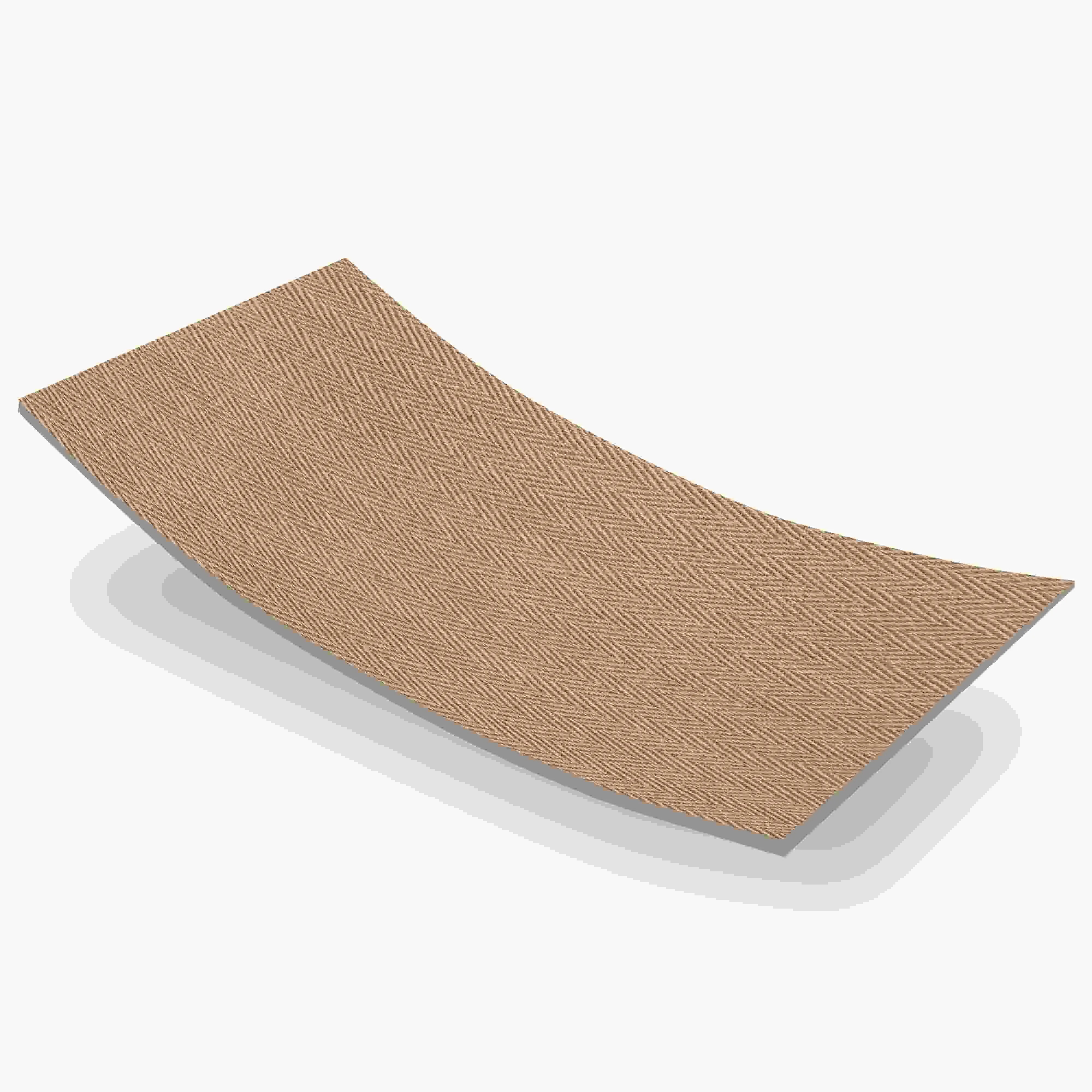
Curious how Weaving (Khaki) Texture holds up against other popular materials? Let's break it down:
| Material | Heat/UV Resistance | Freeze-Thaw Resistance | Water Resistance | Impact Resistance |
|---|---|---|---|---|
| Weaving (Khaki) Texture | Excellent (no fading/warping) | Excellent (no cracking) | Excellent (water-repellent) | Very Good (flexible, impact-absorbent) |
| Travertine (Beige) | Good (can fade over time) | Poor (porous, prone to cracking) | Poor (absorbs water) | Fair (brittle, can chip) |
| Fair-Faced Concrete | Good (can discolor) | Fair (prone to cracking in freeze-thaw) | Fair (porous, needs sealing) | Good (strong but brittle) |
| Bamboo Mat Board | Poor (fades, warps in heat) | Poor (absorbs moisture, brittle when frozen) | Poor (organic, prone to rot) | Fair (can split under impact) |
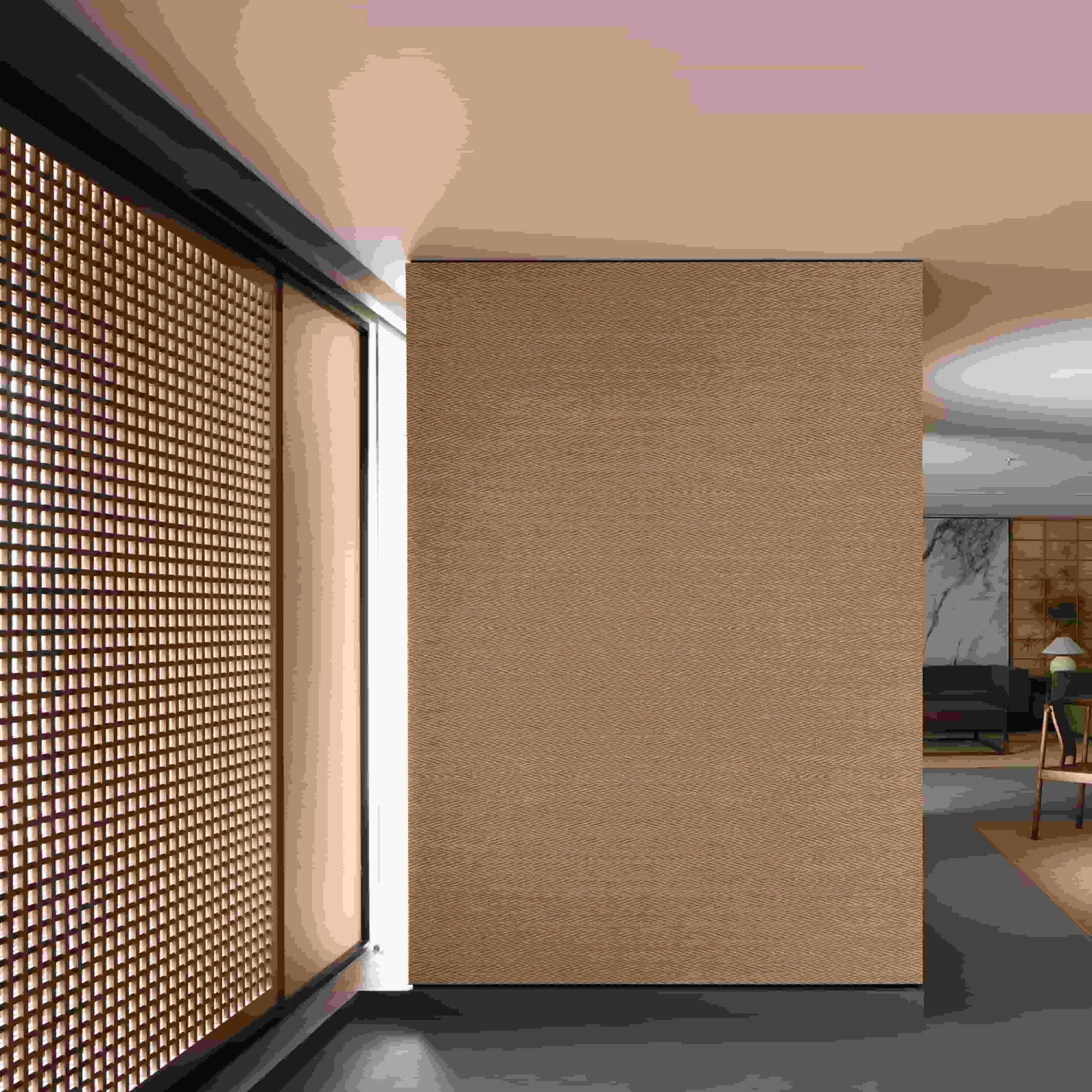
Okay, let's get a little geeky (but not too much). Weaving (Khaki) Texture's durability comes down to two things: the MCM core and the weaving structure. The MCM base is a mix of natural minerals (like stone dust) and polymers, which are engineered to be lightweight and flexible. The weaving pattern isn't just for show—it adds surface strength. Those interlaced layers distribute stress evenly, so if one part takes a hit, the whole material absorbs it. It's like how a spider's web doesn't tear easily because the threads share the tension.
Manufacturers also put this material through rigorous testing. We're talking 1,000 hours of UV exposure (simulating years of sunlight), freeze-thaw cycles (over 50 cycles of freezing and thawing), and impact tests (dropping heavy objects on it). Weaving (Khaki) Texture passes these tests with flying colors, which is why architects trust it for everything from coastal homes to mountain lodges.
Take the Coastal Breeze Hotel in Bali, for example. Perched on a cliff overlooking the ocean, it's battered by salt spray, high humidity, and monsoon rains. The exterior walls? Clad in Weaving (Khaki) Texture. Three years later, guests still comment on how "fresh" the hotel looks. No salt damage, no fading, just that warm, woven texture welcoming them in.
Or the Rocky Mountain Retreat in Colorado, a vacation home at 9,000 feet elevation. Winters here see temperatures as low as -20°F and heavy snow, while summers hit 90°F with intense sun. The homeowners chose Weaving (Khaki) for their outdoor patio walls. After two harsh winters and a scorching summer, the material hasn't cracked, faded, or warped. "We were worried about maintenance," the owner told me, "but we haven't had to do a thing. It just… works."
Weaving (Khaki) Texture has earned its spot in design trends, but here's the real reason it's sticking around: it's durable. In a world where extreme weather is becoming more common, we need materials that don't just look good—they last. This isn't about sacrificing beauty for strength; it's about having both. Whether you're building a beach house, a mountain cabin, or a city café, Weaving (Khaki) Texture proves that you can have a material that's as tough as it is stunning.
So the next time you see that warm, woven pattern on a building, take a second look. It's not just a texture—it's a promise. A promise that even when the sky opens up, the wind howls, or the sun blazes, your space will still feel like home. And isn't that what we all want?
Recommend Products












