
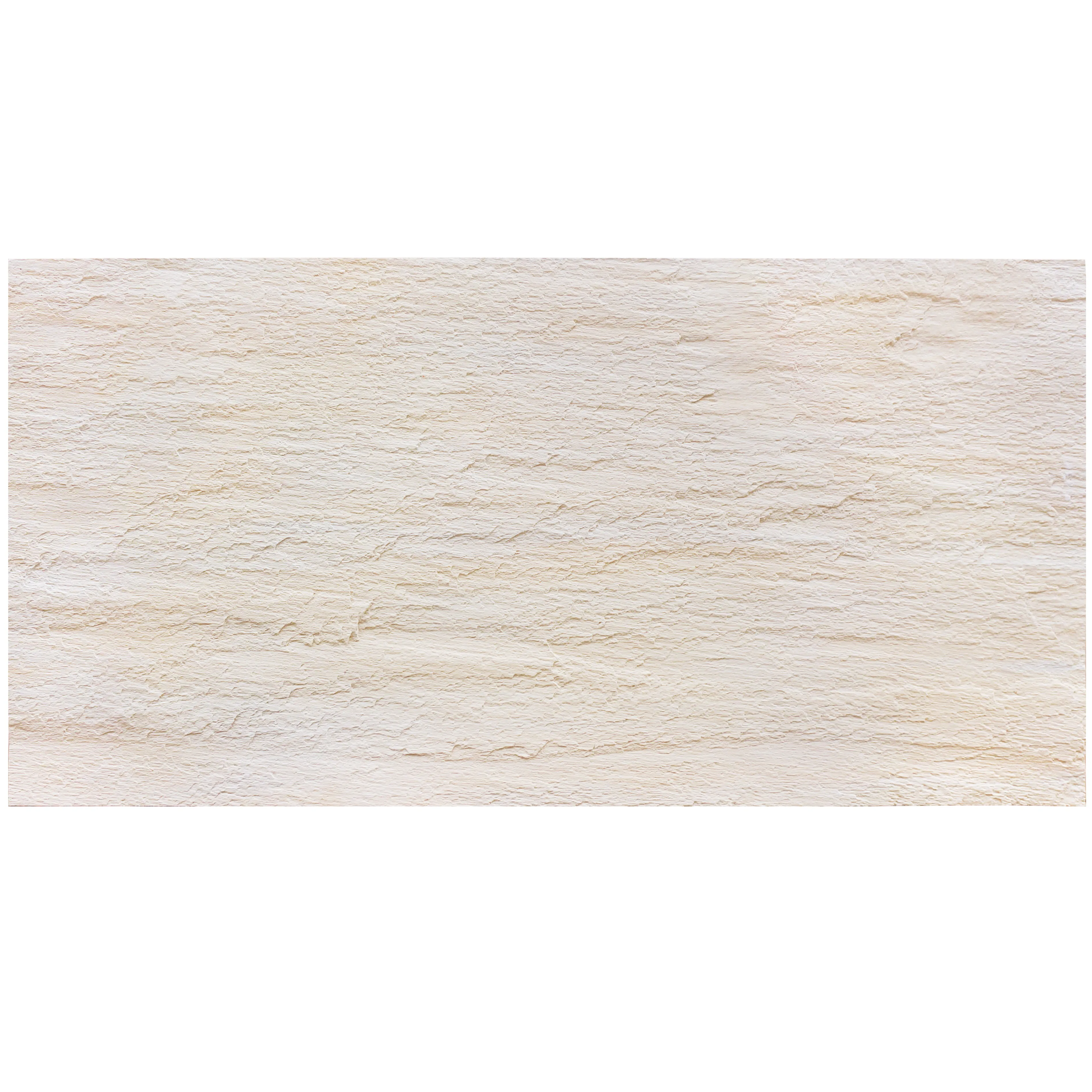
In a world where climate change looms large and sustainability has shifted from a buzzword to a critical necessity, the construction industry stands at a crossroads. Buildings account for nearly 40% of global energy consumption and 30% of greenhouse gas emissions, according to the United Nations Environment Programme. This staggering statistic isn't just a number—it's a call to action. Architects, developers, and builders are increasingly turning to green building practices, and at the heart of this movement lies the choice of materials. Today, we're diving into a material that's making waves in sustainable construction: Oasis Stone Foge. More than just a pretty face in cladding solutions, Oasis Stone Foge embodies the future of eco-friendly building—blending durability, aesthetics, and environmental responsibility in ways that traditional materials often fall short. Let's explore why this innovative material is becoming a cornerstone of green building projects worldwide.
Before we zoom in on Oasis Stone Foge, it's important to grasp why the construction industry is rethinking its material choices. For decades, projects relied heavily on resource-intensive materials like concrete, steel, and traditional stone. While these materials are strong, their production often involves high energy use, excessive water consumption, and significant carbon emissions. Take concrete, for example: manufacturing one ton of cement (a key component) releases approximately 0.8 tons of CO2 into the atmosphere. Multiply that by the scale of a commercial building, and the environmental impact becomes undeniable.
Green building materials, by contrast, are designed to minimize this footprint. They prioritize energy efficiency, recyclability, durability, and low embodied carbon—the total emissions generated during a material's lifecycle, from extraction to disposal. These materials don't just reduce harm; they actively contribute to healthier spaces. They improve indoor air quality, regulate temperature, and even lower long-term maintenance costs. In short, they're not just good for the planet—they're good for people and bottom lines too. And in this landscape, Oasis Stone Foge emerges as a standout player.
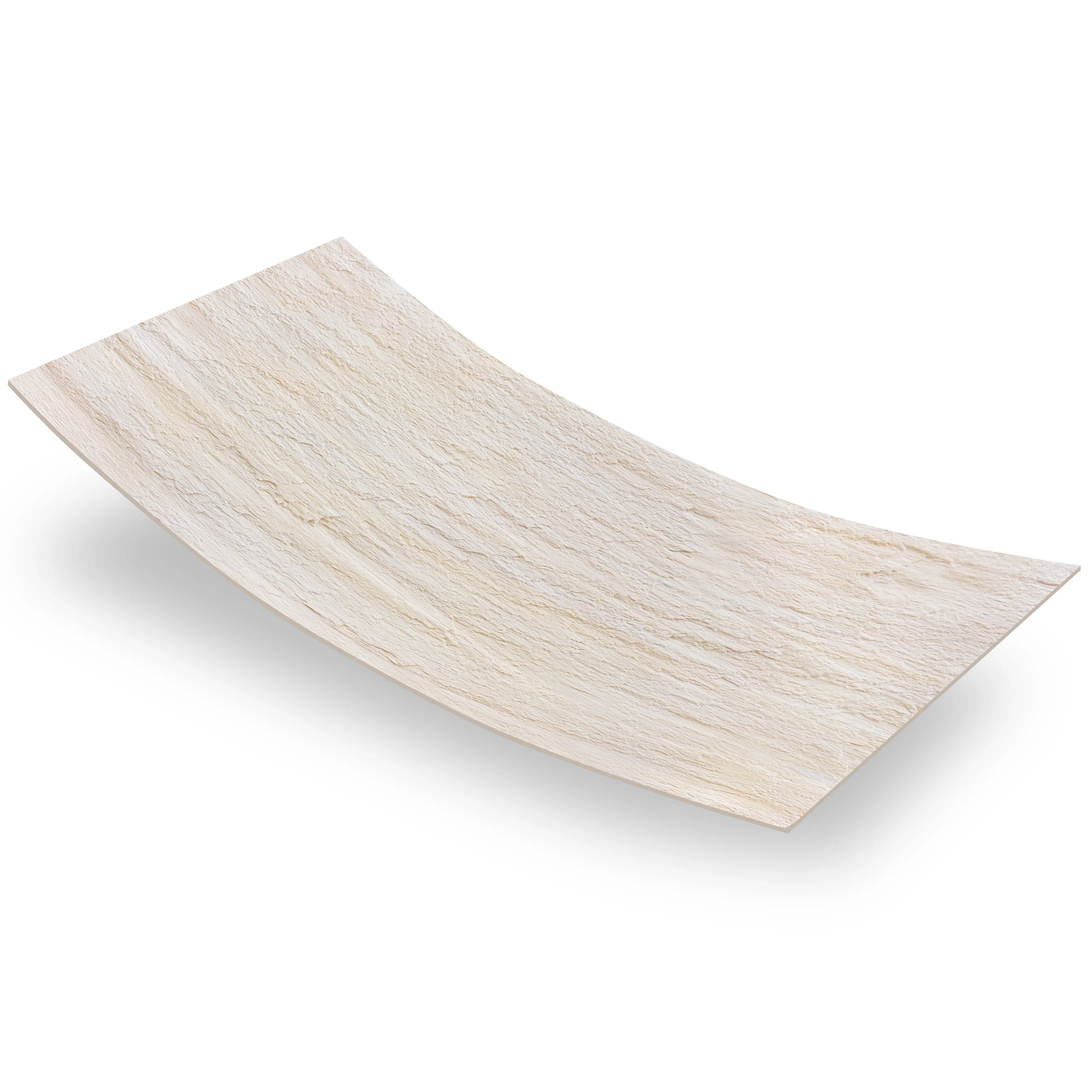
Oasis Stone Foge is part of the broader family of Modified Composite Material (MCM) products, a category known for its lightweight, flexible, and sustainable properties. But what exactly sets it apart? Let's break it down. At its core, Oasis Stone Foge is crafted from a blend of natural minerals, recycled aggregates, and a low-VOC (volatile organic compound) binding agent. Unlike traditional stone cladding, which often requires heavy extraction and transportation, Oasis Stone Foge is engineered to mimic the look and texture of natural stone—think the warm, earthy tones of sandstone or the subtle veining of travertine—without the environmental toll.
The manufacturing process itself is a masterclass in sustainability. Production facilities for Oasis Stone Foge prioritize energy efficiency, using solar power where possible and recycling water in closed-loop systems. The material's composition includes up to 30% recycled content, such as crushed glass, reclaimed stone dust, and even post-consumer plastic fibers, diverting waste from landfills. And because it's a composite, it's lighter than natural stone—up to 70% lighter, in fact. This reduced weight translates to lower transportation emissions (fewer trucks needed) and easier installation, which cuts down on labor time and on-site waste.
But don't let its lightness fool you: Oasis Stone Foge is remarkably durable. It resists cracking, fading, and moisture damage, making it suitable for both interior and exterior applications. Whether it's facing a skyscraper in a bustling city or cladding a home in a coastal town, it holds up against harsh weather, pollution, and the test of time. This combination of sustainability, aesthetics, and resilience is what makes it a game-changer.
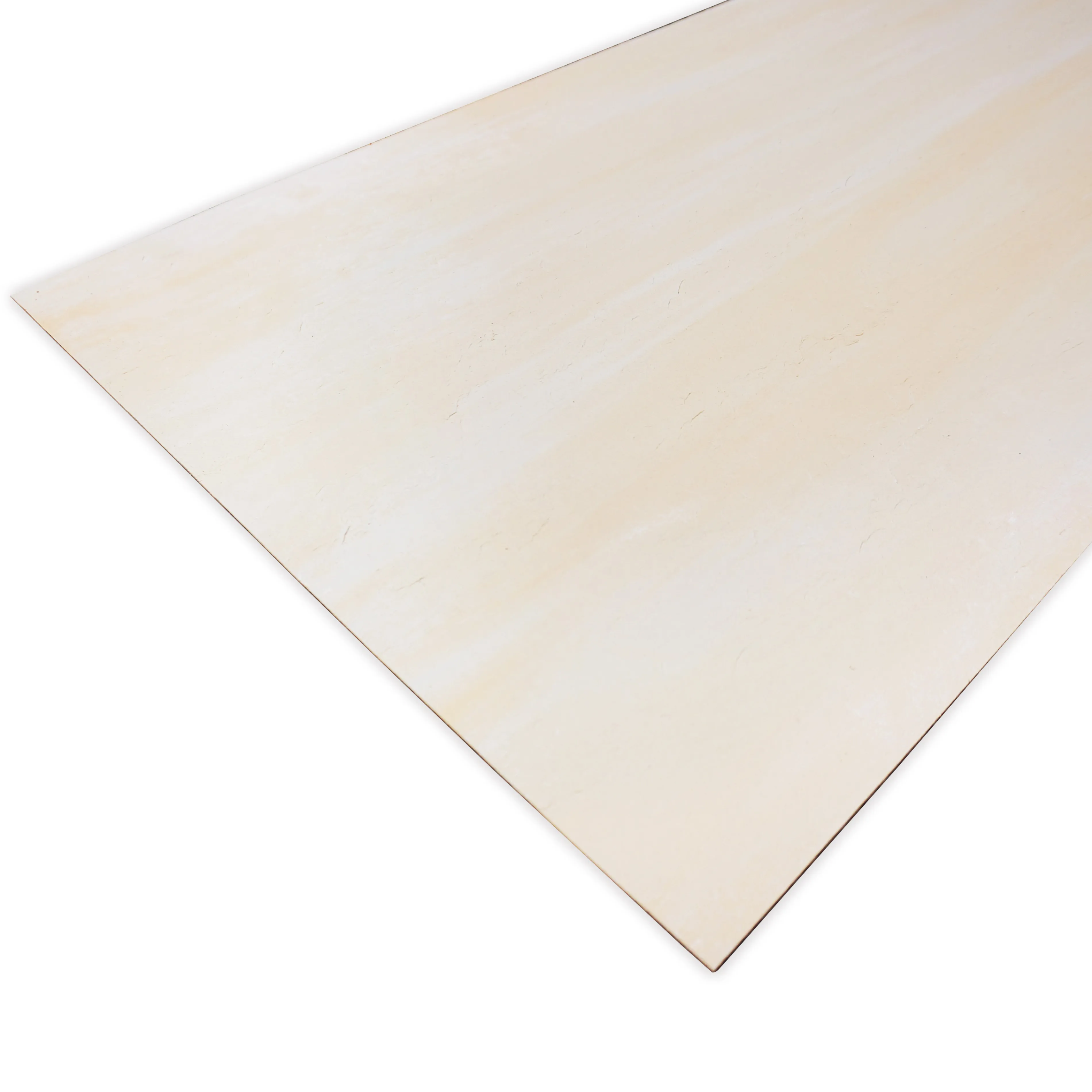
Let's start with the numbers—because when it comes to sustainability, data matters. The embodied carbon of Oasis Stone Foge is significantly lower than that of traditional building materials. Studies conducted by independent environmental labs show that producing one square meter of Oasis Stone Foge generates approximately 8.5 kg of CO2 equivalent. Compare that to fair-faced concrete, which clocks in at around 22 kg CO2/m², or even foamed aluminium alloy board (vintage silver), which can emit up to 18 kg CO2/m² during production. That's a reduction of nearly 60% compared to concrete and 50% compared to foamed aluminium. For a mid-sized commercial project using 5,000 m² of cladding, choosing Oasis Stone Foge over concrete would save roughly 67,500 kg of CO2—equivalent to taking 14 cars off the road for a year.
This low carbon footprint stems from two key factors: the use of recycled materials and energy-efficient manufacturing. By incorporating recycled aggregates, the production process reduces the need for extracting and processing virgin materials, which are major sources of emissions. Additionally, many manufacturers of Oasis Stone Foge have invested in renewable energy, with some facilities operating entirely on solar or wind power. The result? A material that starts its lifecycle on a greener note than most of its competitors.
Sustainability isn't just about what happens during production—it's about how long a material lasts. A product that needs frequent replacement is, by definition, less sustainable, as it perpetuates a cycle of extraction, manufacturing, and disposal. Oasis Stone Foge shines here, with a projected lifespan of 50+ years. That's more than double the average lifespan of vinyl siding (20-30 years) and on par with high-quality natural stone, but without the weight and brittleness that can lead to cracks or breakage over time.
Its durability is owed to its composite structure. The blend of minerals and binding agents creates a material that's resistant to UV radiation, so it won't fade in direct sunlight. It's also moisture-resistant, preventing mold growth and water damage—a common issue with wood cladding or even some types of concrete. In coastal areas, where saltwater can corrode metal and degrade stone, Oasis Stone Foge holds its own, requiring minimal maintenance beyond occasional cleaning. This longevity means fewer replacements, less waste, and a lower overall environmental impact over the building's lifecycle.
A building's envelope—the walls, roof, and windows—plays a critical role in its energy consumption. Poorly insulated or thermally inefficient cladding can lead to significant heat loss in winter and heat gain in summer, driving up heating and cooling costs. Oasis Stone Foge contributes to a more energy-efficient envelope thanks to its natural insulating properties. With a thermal conductivity of approximately 0.15 W/m·K, it outperforms materials like fair-faced concrete (1.4 W/m·K) and even some types of foamed aluminium (0.25 W/m·K). This means buildings clad in Oasis Stone Foge retain heat better in cold climates and stay cooler in warm ones, reducing the need for constant HVAC use.
Consider a residential project in Chicago, where winters are harsh and heating bills can soar. A home using Oasis Stone Foge as exterior cladding saw a 23% reduction in heating costs compared to a similar home with traditional concrete siding, according to a case study by the Green Building Council. Over 50 years, that translates to thousands of dollars saved and a substantial reduction in carbon emissions from reduced energy use. It's a win-win: lower utility bills for homeowners and a lighter load on the planet.
Even the most durable materials eventually reach the end of their useful life. When that happens, what becomes of them? Oasis Stone Foge is designed with circularity in mind. At the end of its lifecycle, it can be crushed and recycled into aggregate for new construction projects or even repurposed as a base material for roads. Unlike some composites that blend materials in ways that make separation impossible, Oasis Stone Foge's components are compatible with standard recycling processes, reducing the amount of waste sent to landfills.
This is a stark contrast to materials like vinyl siding, which is often non-recyclable and ends up in landfills, or foamed aluminium, which, while recyclable, requires significant energy to melt down and repurpose. Oasis Stone Foge's end-of-life recyclability closes the loop, aligning with the circular economy principles that are becoming central to sustainable construction.
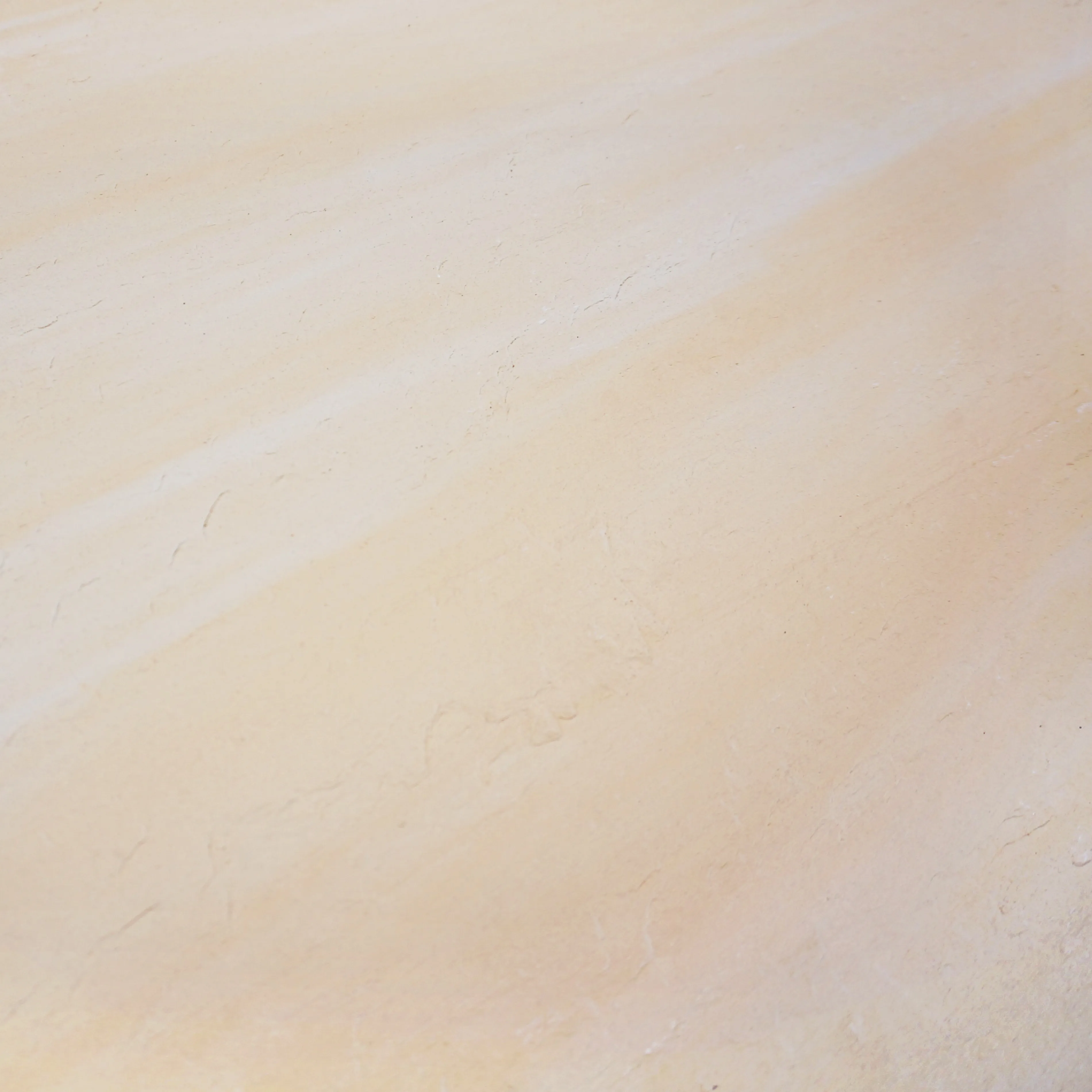
To truly appreciate Oasis Stone Foge's eco-friendly benefits, it helps to see how it stacks up against other common cladding materials. Below is a comparison table highlighting key sustainability metrics:
| Material | Embodied Carbon (kg CO2/m²) | Recycled Content (%) | Projected Lifespan (Years) | Thermal Conductivity (W/m·K) | End-of-Life Recyclability |
|---|---|---|---|---|---|
| Oasis Stone Foge | 8.5 | 30% | 50+ | 0.15 | High (recyclable into aggregate) |
| Fair-Faced Concrete | 22.0 | 5-10% | 40-50 | 1.40 | Low (often landfilled) |
| Foamed Aluminium Alloy Board (Vintage Silver) | 18.0 | 15% | 30-40 | 0.25 | Medium (recyclable but energy-intensive) |
| Natural Travertine (Beige) | 15.0 | 0% | 50+ | 1.20 | Low (heavy, hard to recycle) |
The table tells a clear story: Oasis Stone Foge leads in embodied carbon, recycled content, and thermal conductivity, while matching the lifespan of natural stone. Fair-faced concrete, a staple in construction, has more than double the carbon footprint and lower recyclability. Foamed aluminium, though lightweight, can't match Oasis Stone Foge's longevity or low energy use in production. Even natural travertine, which is often lauded for its natural origins, falls short due to its high extraction impact and lack of recycled content.
What's particularly striking is how Oasis Stone Foge combines the best of both worlds: the aesthetic appeal of natural materials with the sustainability of modern composites. It doesn't require sacrificing beauty for eco-friendliness—a trade-off that has long plagued green building efforts.
Theory is one thing, but real-world application is where a material's true value is tested. Across the globe, architects and developers are incorporating Oasis Stone Foge into their projects, and the results are inspiring. Let's take a look at a few standout examples:
Completed in 2023, the GreenVista Office Complex is a 10-story building in downtown Denver that aims to achieve LEED Platinum certification—the highest honor in green building. A key part of its sustainability strategy? Cladding the exterior with 8,000 m² of Oasis Stone Foge in a warm, sandstone-like finish. The choice was driven by both aesthetics and performance.
"We wanted a material that would reflect Colorado's natural landscape while meeting our strict carbon reduction goals," says Maria Gonzalez, the project's lead architect. "Oasis Stone Foge checked both boxes. Its low embodied carbon helped us reduce the building's overall carbon footprint by 12%, and its thermal properties have already led to a 15% decrease in heating costs compared to our initial projections."
The building's tenants have also praised the material. "The lobby walls are clad in Oasis Stone Foge, and it feels so warm and inviting—like walking into a mountain lodge, but in the heart of the city," notes James Chen, CEO of a tech startup based in GreenVista. "Plus, knowing that the building is doing its part for the environment aligns with our company values."
In Portland, a city known for its commitment to sustainability, the Serenity Heights residential community features 50 townhomes clad in Oasis Stone Foge. The developer, EcoLiving Homes, chose the material to differentiate itself in a competitive market and to appeal to eco-conscious buyers.
"Homebuyers today are asking more questions about materials," says David Park, founder of EcoLiving Homes. "They want to know where things come from, how they're made, and how long they'll last. When we tell them about Oasis Stone Foge—its recycled content, its 50-year lifespan—they're sold. It's not just a selling point; it's a way to build trust."
The community has seen a 20% faster sales rate than comparable non-sustainable developments in the area, and early energy data shows that homeowners are saving an average of $200 per month on heating and cooling costs. "It's proof that sustainability can drive both environmental and economic value," Park adds.
For developers and building owners, achieving green building certifications like LEED (Leadership in Energy and Environmental Design) or BREEAM (Building Research Establishment Environmental Assessment Method) is about more than prestige—it can increase property value, attract tenants, and even qualify for tax incentives. Oasis Stone Foge plays a valuable role in earning points toward these certifications.
In LEED, for example, Oasis Stone Foge contributes to several credit categories:
•
Materials and Resources (MR) Credit 2: Construction Waste Management
: Because Oasis Stone Foge is lightweight and easy to cut, it generates up to 30% less on-site waste than traditional stone cladding.
•
MR Credit 4: Recycled Content
: With 30% recycled materials, it helps projects meet the credit's requirements.
•
Energy and Atmosphere (EA) Credit 1: Optimize Energy Performance
: Its thermal conductivity reduces heating and cooling loads, contributing to energy savings.
•
Innovation in Design (ID) Credit
: Some projects have earned innovation points for using Oasis Stone Foge as a low-carbon alternative to conventional cladding.
These credits aren't just checkmarks on a list—they translate to tangible benefits. A LEED Platinum building can command rents up to 17% higher than non-certified buildings, according to a study by the Urban Land Institute. For developers, choosing Oasis Stone Foge isn't just an eco-friendly decision; it's a smart financial one.
The future of sustainable construction is bright, and Oasis Stone Foge is poised to evolve with it. Manufacturers are already exploring ways to increase the recycled content in the material, aiming for 50% by 2030. There's also research into incorporating phase-change materials (PCMs) into the composite, which would allow the cladding to store and release heat, further improving energy efficiency.
Beyond Oasis Stone Foge, the MCM category is expanding, with new textures and finishes that mimic rare or endangered stone varieties—reducing the demand for unsustainable extraction. For example, MCM flexible stone products that replicate the look of lunar peak silvery or travertine (starry blue) are gaining popularity, offering architects creative freedom without environmental guilt.
As the construction industry continues to prioritize sustainability, materials like Oasis Stone Foge will become increasingly central. They represent a shift away from the "take-make-waste" model and toward a more thoughtful, circular approach to building—one that respects both the planet and the people who inhabit it.
In the fight against climate change, every material choice matters. Oasis Stone Foge isn't just a cladding solution—it's a statement. It says that beauty and sustainability can coexist, that durability and low environmental impact aren't mutually exclusive, and that the future of construction is rooted in innovation. From its low embodied carbon and high recycled content to its exceptional longevity and energy efficiency, Oasis Stone Foge checks all the boxes for eco-friendly building materials.
As we look ahead, the demand for sustainable construction will only grow. Consumers, regulators, and businesses alike are demanding more from the buildings they occupy, work in, and invest in. In this landscape, materials like Oasis Stone Foge will lead the way—not just because they're better for the planet, but because they're better for people. They create spaces that are healthier, more comfortable, and more in tune with the natural world.
So, to the architects, developers, and builders reading this: the next time you're planning a project, consider the impact of your material choices. Choose materials that don't just build structures, but build a greener, more sustainable future. Choose materials like Oasis Stone Foge. The planet—and future generations—will thank you.
Recommend Products












