

In a world where the phrase "going green" has evolved from a trend to a necessity, the construction industry is undergoing a quiet revolution. We've all walked into a building and felt it— that cold, sterile vibe from generic concrete walls or the heaviness of overused marble that seems to scream "luxury" but whispers "environmental cost" under its breath. But what if the materials shaping our homes, offices, and cities could tell a different story? A story of responsibility, innovation, and respect for the planet we call home.
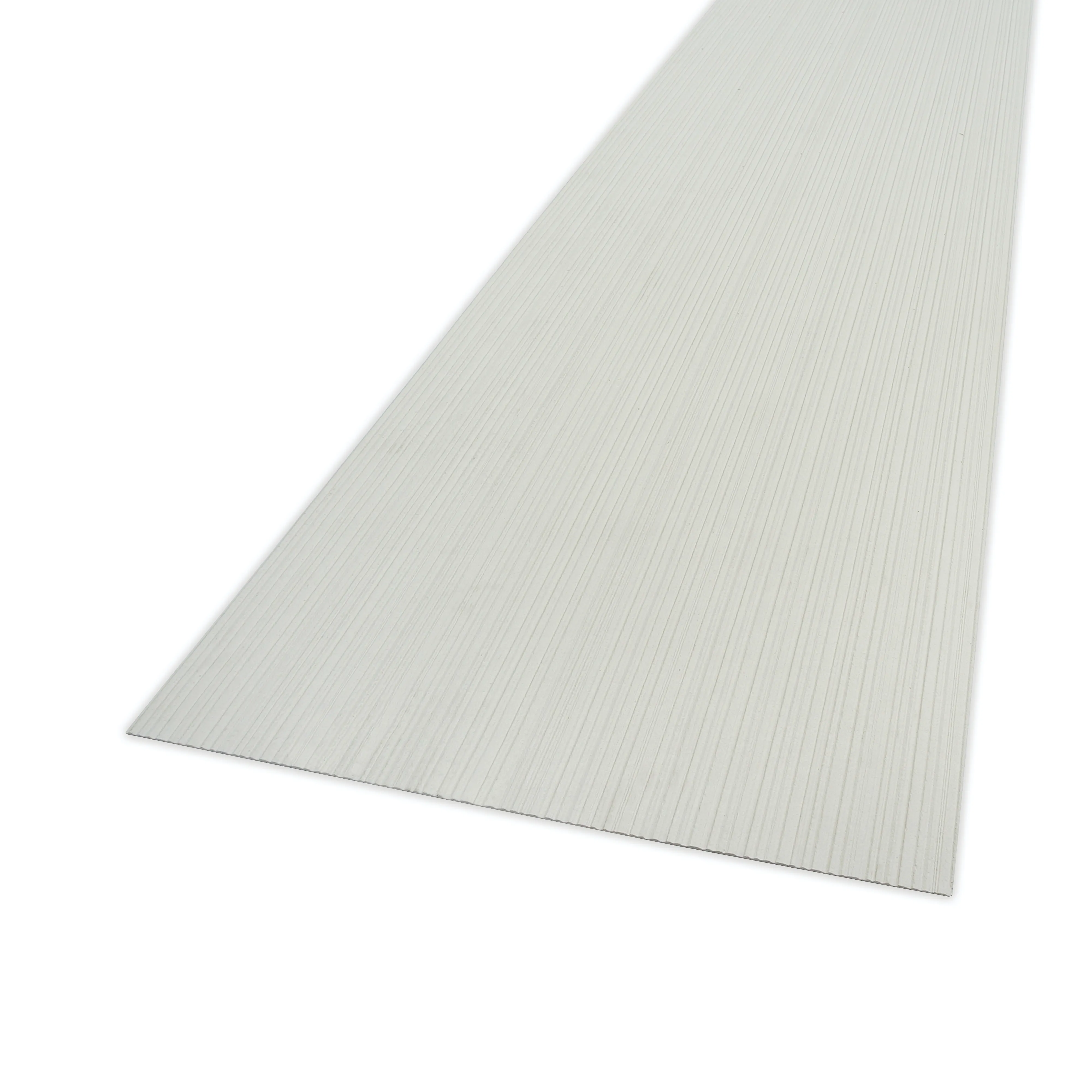
Enter COLORIA, a name that's been turning heads in the building materials space not just for their stunning designs, but for their unwavering commitment to sustainability. Today, we're diving deep into one of their standout products: Fine Line Stone (White). This isn't just another pretty face in the world of cladding and flooring—it's a testament to how craftsmanship and eco-consciousness can walk hand in hand. Let's unpack what makes its production process so special, and why it might just be the material your next project has been waiting for.
Before we get into the nitty-gritty of Fine Line Stone (White), let's talk about the brand behind it. COLORIA isn't a newcomer to the game—they've been in the business of reimagining building materials for over two decades. What started as a small team in Milan with a passion for design quickly grew into a global name, but not by chasing trends. Instead, they've stayed focused on a core mission: to create materials that don't just look good, but do good, too.
Walk through their headquarters, and you'll see it everywhere—recycled wood desks, solar panels on the roof, even a rainwater harvesting system that waters the indoor garden. It's not performative; it's part of their DNA. And that ethos trickles down to every product they make, from their foamed aluminium alloy board collections to their iconic travertine lines. But Fine Line Stone (White)? It's their pride and joy—a product that encapsulates everything they stand for.
So, why "Fine Line Stone (White)"? The name itself hints at its appeal: a delicate, linear texture that mimics the natural veining of stone, but with a crisp, clean white finish that designers adore. But the real vision here was bigger than aesthetics. COLORIA noticed a gap in the market: architects and homeowners wanted the beauty of natural stone without the environmental toll. Traditional stone extraction—think quarrying, heavy machinery, and tons of waste—leaves a massive carbon footprint. Fine Line Stone (White) was designed to bridge that gap: the look and feel of premium stone, minus the guilt.
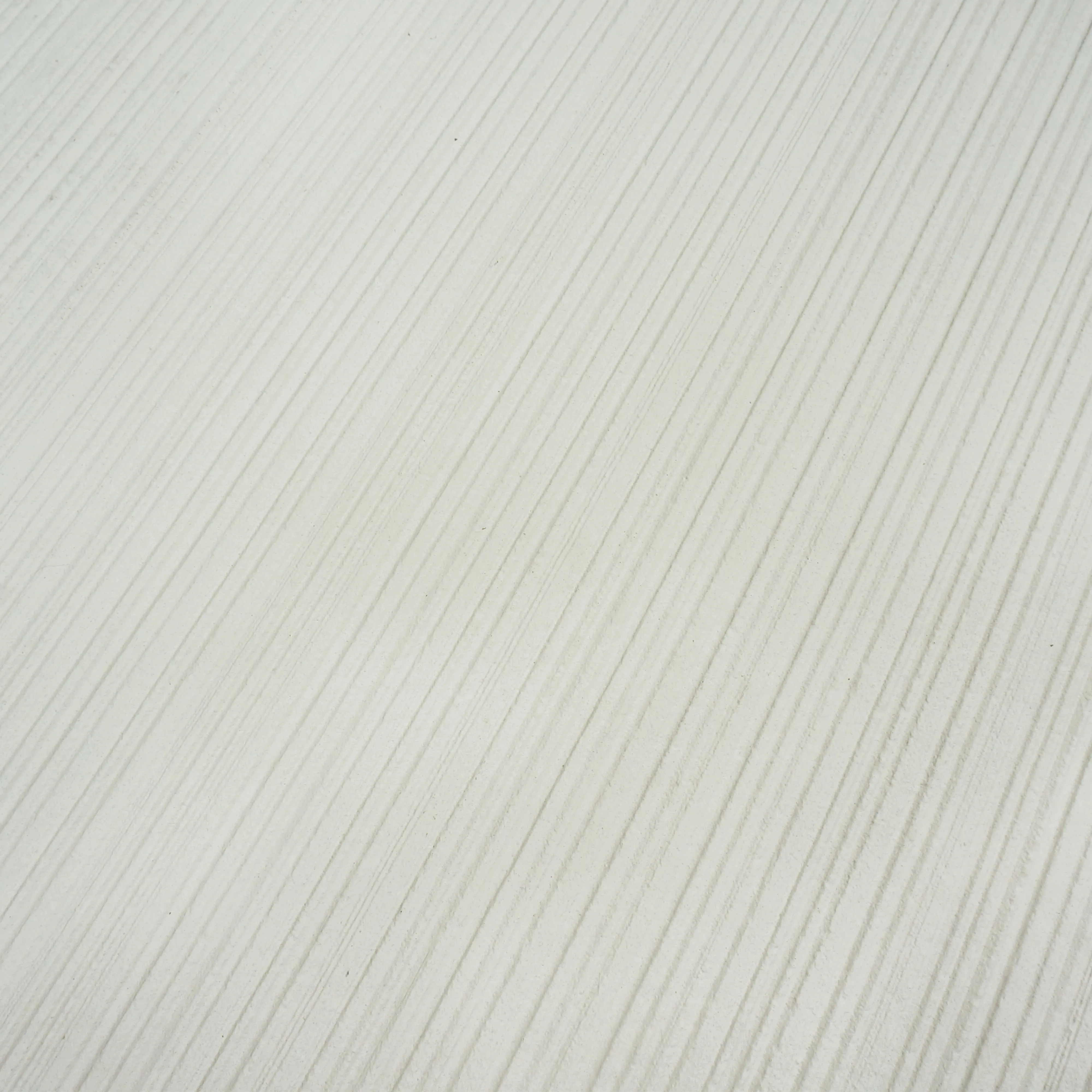
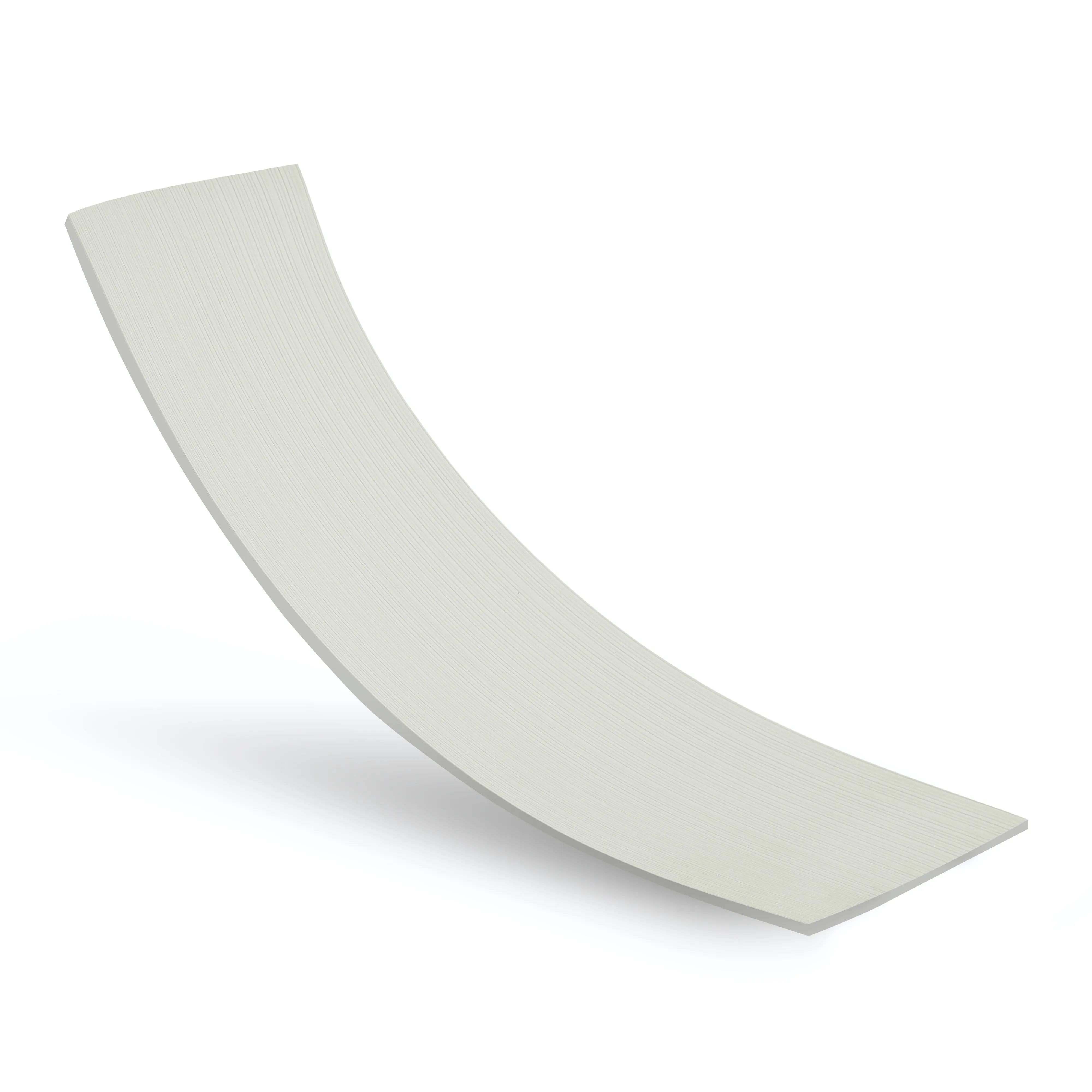
Let's start with the basics: what is Fine Line Stone (White), exactly? At its core, it's part of COLORIA's mcm flexible stone series—a line of lightweight, durable cladding materials made from a blend of natural minerals and recycled polymers. But don't let the "flexible" part fool you; this stuff is tough. It's resistant to scratches, moisture, and even fire, making it ideal for both indoor and outdoor use. And that white hue? It's not just paint. The color is embedded during production, using non-toxic pigments that won't fade over time, even in harsh sunlight.
But what really makes it stand out is its versatility. Unlike traditional stone slabs, which are heavy and hard to install, Fine Line Stone (White) is lightweight—around 3kg per square meter—and flexible, meaning it can bend to fit curved surfaces. Ever tried installing a curved wall with natural marble? Spoiler: it's a nightmare. With Fine Line Stone (White), it's a breeze. That's why architects love it for everything from accent walls in living rooms to facade cladding on commercial buildings.
Let's paint a picture. Imagine a boutique hotel in Tokyo with a lobby wrapped in Fine Line Stone (White). The linear texture catches the light, creating a sense of movement, while the white finish makes the space feel airy and modern. Now, picture a beach house in Bali, where the same material is used for outdoor flooring—it stands up to saltwater and rain without warping. Or a corporate office in New York, where it's paired with COLORIA's foamed aluminium alloy board (vintage silver) for a sleek, industrial-chic look. The possibilities are endless, and that's by design.
COLORIA worked with interior designers and architects during the development phase to ensure Fine Line Stone (White) could adapt to any style—minimalist, rustic, industrial, you name it. It's not just a material; it's a canvas. And because it's part of the mcm flexible stone family, it plays well with others. Mix it with wood, metal, or even glass, and it holds its own without overpowering the space.
Okay, let's get to the good stuff: the production process. This is where COLORIA truly shines. Let's break it down step by step, so you can see exactly how they've minimized environmental impact at every turn.
It all starts with what goes into the mix. Fine Line Stone (White) is made from a blend of natural minerals (like calcium carbonate and quartz) and recycled polymers. The minerals are sourced from local quarries that adhere to strict sustainability standards—no clear-cutting forests or disrupting ecosystems here. And the recycled polymers? They're mostly post-consumer plastic waste, like old water bottles and packaging, that would otherwise end up in landfills. By repurposing these materials, COLORIA diverts over 500 tons of plastic from landfills each year—just through this product alone.
Compare that to traditional stone production, which relies on extracting massive blocks of stone from the earth, often requiring the removal of topsoil and vegetation. The contrast is stark. With Fine Line Stone (White), the raw material footprint is drastically smaller, and that's just the first step.
Once the raw materials are sourced, they head to COLORIA's state-of-the-art manufacturing facility in Portugal. This isn't your average factory. The entire plant runs on 100% renewable energy—solar panels, wind turbines, and even a small hydroelectric setup that harnesses energy from a nearby river. They've invested heavily in energy-efficient machinery, too: induction heaters that use 30% less energy than traditional models, and automated systems that optimize production times to reduce idle energy use.
The result? The carbon footprint of producing one square meter of Fine Line Stone (White) is just 0.8kg of CO2. For context, producing a square meter of natural travertine (a popular alternative) emits around 5.2kg of CO2. That's a 85% reduction. Let that sink in: you get the same premium look, but with a fraction of the environmental impact.
Water is another big issue in traditional stone production. Quarrying and cutting stone require massive amounts of water for cooling and cleaning—often millions of liters per year. COLORIA, however, has a closed-loop water system in place. All the water used in mixing and shaping Fine Line Stone (White) is filtered, treated, and reused. They've even installed low-flow faucets and sensors in the facility to prevent waste. As a result, their water usage per square meter is less than 10% of what's typical in stone manufacturing. In a world where water scarcity is becoming a pressing issue, that's not just impressive—it's essential.
Here's a dirty secret about manufacturing: waste is inevitable. But COLORIA has turned that problem into an opportunity. During the production of Fine Line Stone (White), any scraps or defective panels are ground down and reused as raw material for new batches. Nothing goes to waste. Even the packaging is eco-friendly—biodegradable shrink wrap and recycled cardboard boxes that can be broken down and composted or recycled again.
And when the product reaches the end of its life? Unlike traditional stone, which often ends up in landfills, Fine Line Stone (White) is fully recyclable. COLORIA even offers a take-back program for old panels, ensuring they're properly processed and turned into new materials. It's a circular system that keeps resources in use and out of the trash.
| Category | Traditional Natural Stone (e.g., Marble/Travertine) | COLORIA Fine Line Stone (White) |
|---|---|---|
| Carbon Footprint (per sqm) | 5.2kg CO2 | 0.8kg CO2 |
| Water Usage (per sqm) | 250 liters | 20 liters |
| Raw Material Source | Quarried natural stone (finite resource) | Recycled polymers + sustainably sourced minerals |
| Waste Generated | 30-40% waste during extraction/cutting | <5% waste (100% recycled) |
| End-of-Life Disposal | Mostly landfilled (non-biodegradable) | Fully recyclable via COLORIA take-back program |
Talk is cheap, right? Any brand can claim to be "sustainable," but COLORIA backs it up with certifications. Fine Line Stone (White) has earned the EU Ecolabel, one of the most rigorous environmental certifications in the world, which verifies its low carbon footprint, water efficiency, and recyclability. It's also LEED v4 compliant, meaning it contributes to green building credits for projects aiming for LEED certification. And in 2023, it was awarded the Green Good Design Award by The Chicago Athenaeum, recognizing its excellence in sustainable design.
But certifications aside, COLORIA is transparent about their process. They publish an annual sustainability report that details everything from energy usage to waste reduction goals. You can download it from their website—no smoke and mirrors, just cold, hard data. That level of openness is rare in the industry, and it's why architects and builders trust them.
Let's take a look at how Fine Line Stone (White) performs in the real world. One of the most notable projects is the Green Tower in Barcelona, a 22-story residential building that aimed to be one of the most sustainable in Europe. The architects wanted a facade that was both modern and eco-friendly, and they chose Fine Line Stone (White) for its lightweight properties (which reduced the building's overall structural load) and energy efficiency (the material's thermal insulation helps reduce heating and cooling costs by 25%).
Residents rave about it, too. Maria, a graphic designer who lives on the 15th floor, says, "The white facade reflects sunlight, so my apartment stays cool in the summer. And it's so easy to clean—after that big storm last year, I thought the walls would be stained, but a quick hose-down and they looked brand new." It's not just sustainable; it's practical, too.
Closer to home (for some), the Evergreen Residences in Portland, Oregon, used Fine Line Stone (White) for their lobby and common areas. The developers wanted a material that aligned with their "zero waste" goal, and Fine Line Stone (White) fit the bill perfectly. Because it's lightweight, they saved on transportation costs and emissions during delivery. And since it's made with recycled materials, they earned extra points toward their local green building certification.
"We were worried it might feel 'fake' compared to real stone," admits James, the project manager. "But when we installed it, even the contractors were impressed—you can't tell the difference unless you touch it. And the best part? We didn't have to sacrifice design for sustainability. The lobby looks incredible, and we sleep better knowing we did our part for the planet."
Builders are under more pressure than ever to meet sustainability targets. Local governments are implementing stricter regulations, and clients are demanding greener options. Fine Line Stone (White) makes their job easier. It's easy to install (no heavy lifting required), which saves time and labor costs. It's durable, so callbacks for repairs are rare. And because it's certified, it helps projects qualify for green building incentives and certifications, which can boost property values and attract eco-conscious buyers.
Let's be real: as a homeowner, you care about two things—how your space looks, and how long it will last. Fine Line Stone (White) delivers on both. That crisp white finish won't yellow over time, and the material is resistant to stains, scratches, and mold. It's also low-maintenance: no need for expensive sealants or special cleaners. Just a damp cloth, and it's good as new.
But beyond that, there's the peace of mind that comes with choosing sustainable materials. Sarah, a homeowner in Seattle who used Fine Line Stone (White) for her kitchen backsplash, puts it best: "I wanted my home to reflect my values. When I cook, I don't have to worry about harsh chemicals in the material leaching into the air. And when I sell someday, I know this will be a selling point for buyers who care about the environment."
At the end of the day, it all comes down to the planet. The construction industry is responsible for 39% of global carbon emissions, according to the UN Environment Programme. Small changes add up, and choosing materials like Fine Line Stone (White) is a small change with a big impact. By reducing reliance on quarried stone, we preserve natural habitats. By using recycled materials, we reduce waste. And by lowering energy and water usage during production, we cut down on greenhouse gas emissions.
It's not about being perfect—it's about progress. And every square meter of Fine Line Stone (White) installed is a step in the right direction.
COLORIA isn't resting on its laurels. They've invested millions in a research and development lab dedicated to making their production process even more sustainable. Right now, they're working on a version of Fine Line Stone (White) made with 100% recycled materials (up from 70% today) and exploring bio-based polymers that would make the material fully biodegradable. They're also experimenting with new colors and textures, so designers will have even more options to choose from.
Sustainability isn't just about making good products—it's about changing the industry. COLORIA hosts workshops for architects and builders, teaching them how to incorporate eco-friendly materials into their projects. They partner with universities to fund research on sustainable construction, and they're vocal advocates for policy changes that incentivize green building practices. "We can't do this alone," says Elena, COLORIA's sustainability director. "We need the entire industry to move forward together."
COLORIA also believes in the power of collaboration. They've teamed up with NGOs like Green Building International to promote sustainable practices in developing countries, and they work with local communities near their production facilities to create jobs and support education. It's a holistic approach to sustainability—one that goes beyond the product and into the people and places that make it all possible.
At the end of the day, Fine Line Stone (White) is more than a building material. It's a statement—a sign that beauty and sustainability don't have to be enemies. It's proof that with a little innovation and a lot of heart, we can reimagine the way we build our world. Whether you're a builder, a designer, or a homeowner, choosing materials like this isn't just a choice for your project—it's a choice for the planet.
So, the next time you walk into a space with stunning stone walls or floors, take a moment to wonder: what's the story behind that material? If it's Fine Line Stone (White), you can bet it's a story worth telling.
Q: Is Fine Line Stone (White) more expensive than traditional stone?
A: Initially, it might cost a bit more than lower-quality stone, but when you factor in installation, maintenance, and long-term durability, it's actually more cost-effective. Plus, many projects qualify for green building incentives that offset the upfront cost.
Q: Can it be used outdoors?
A: Absolutely! Fine Line Stone (White) is UV-resistant, moisture-resistant, and fire-rated, making it perfect for outdoor facades, patios, and pool areas.
Q: How does it compare to other eco-friendly materials like
foamed aluminium alloy board
?
A: Foamed aluminium alloy board is great for modern, industrial looks, but Fine Line Stone (White) offers the natural stone aesthetic that many designers prefer. It's also more affordable and easier to install for large-scale projects.
Q: Is the white color prone to yellowing?
A: No. COLORIA uses non-toxic, fade-resistant pigments that are embedded in the material during production. Even after years of sunlight exposure, the white finish remains bright and crisp.
Q: Where can I buy Fine Line Stone (White)?
A: COLORIA has distributors in over 50 countries. Check their website for a list of local suppliers, or contact their customer service team for help finding a dealer near you.
Recommend Products












