
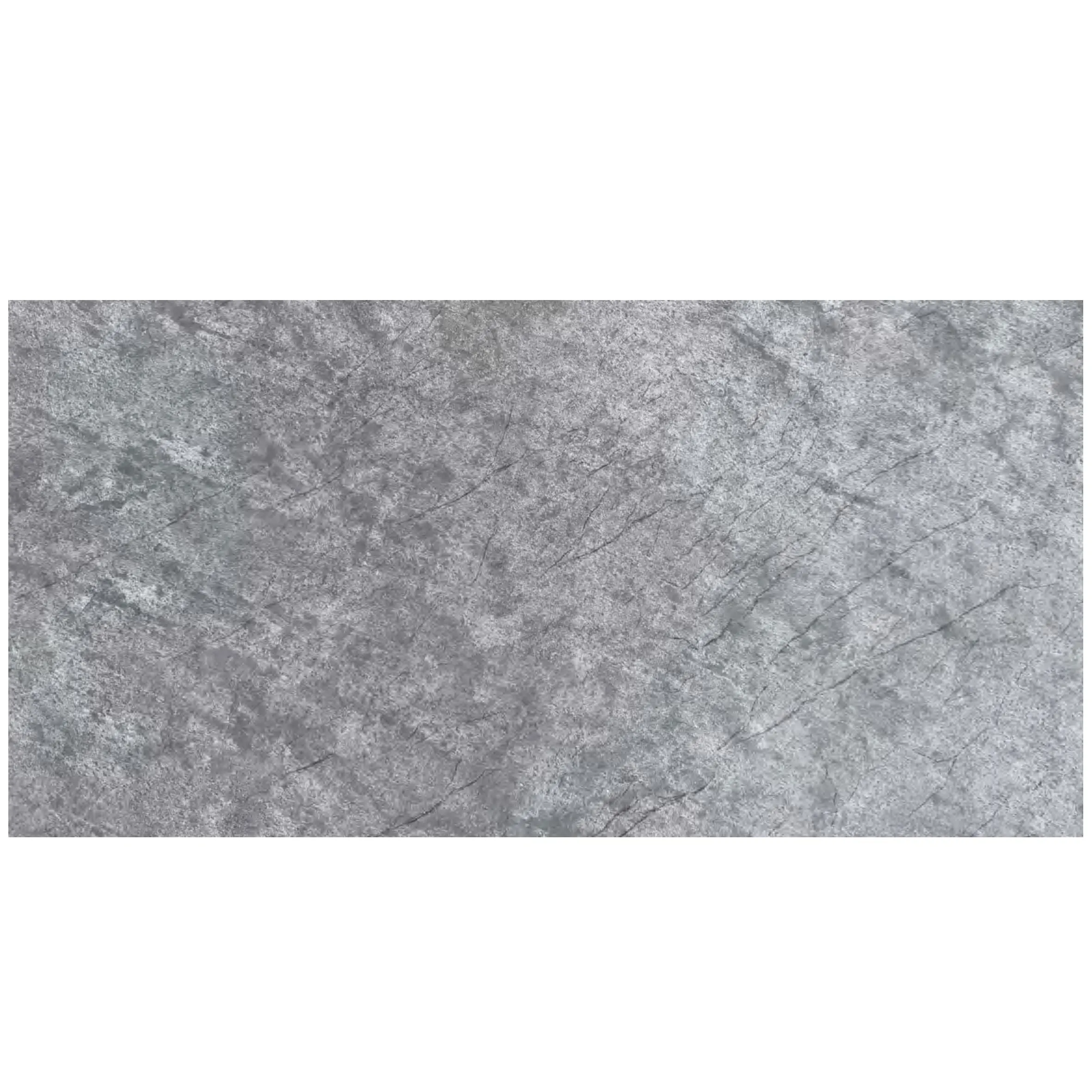
In the world of architecture, the phrase "going green" has evolved from a buzzword to a moral imperative. As cities grow taller and construction projects multiply, the building materials we choose leave an indelible mark on our planet—from the quarries that extract raw stone to the carbon emissions released during transportation and installation. Today, architects and designers aren't just asking, "Does this material look good?" They're asking, "Does it do good?" Enter COLORIA, a brand that's redefining sustainable construction with its innovative MCM (Modified Composite Material) products. Among these, Glacial Slate stands out as a shining example of how beauty and environmental responsibility can coexist. Let's dive into the story of this remarkable material, and how COLORIA is leading the charge toward a greener built environment.
Before we explore Glacial Slate, it's worth getting to know the minds behind it. COLORIA isn't just a manufacturer of building materials—it's a pioneer in sustainable design. For over a decade, the brand has focused on developing MCM products that challenge the status quo of traditional construction materials. MCM, or Modified Composite Material, is a game-changer: a blend of natural minerals, recycled polymers, and advanced binders that mimics the look and feel of natural stone, wood, or concrete—without the environmental cost. From flexible cladding to large-format slabs, COLORIA's lineup reads like a wishlist for eco-conscious architects, and Glacial Slate is one of its most celebrated creations.
What sets COLORIA apart? It's their unwavering commitment to the planet at every step. "We don't just create materials; we create solutions that respect the Earth's limits," says Maria Gonzalez, COLORIA's Head of Sustainability. "Every product, from our MCM flexible stone to our big slab board series, is designed with a lifecycle approach—minimizing resource use, reducing waste, and ensuring durability so buildings last longer, and need fewer replacements."
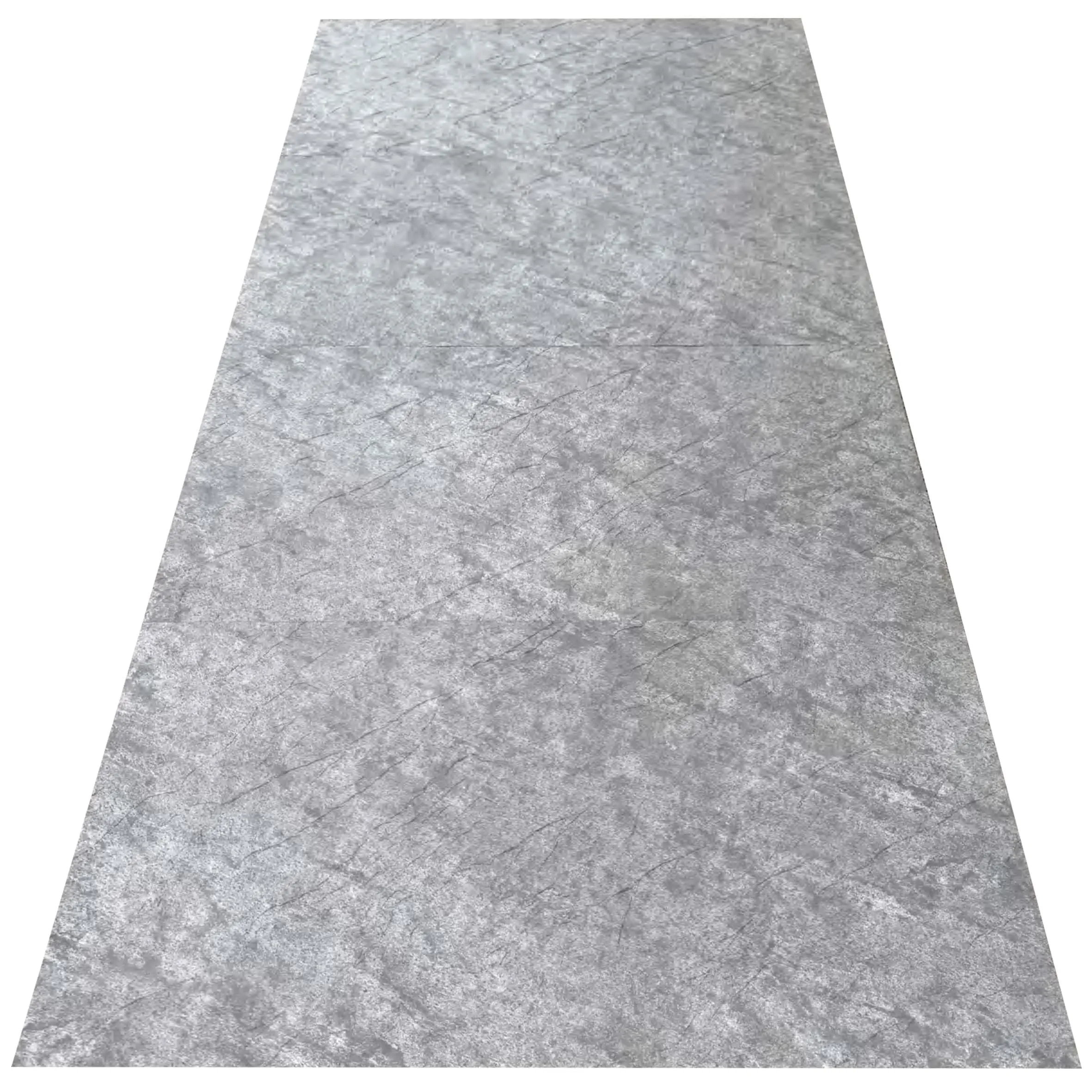
Imagine running your hand over a wall that feels like it was carved from a glacier—cool, textured, with layers of gray and white that evoke the quiet grandeur of polar ice fields. That's Glacial Slate. At first glance, you might mistake it for natural slate quarried from mountain sides, but look closer, and you'll realize it's something far more revolutionary. This isn't just a material; it's a testament to how innovation can replicate nature's beauty while treading lighter on the planet.
So, what makes Glacial Slate eco-friendly? Let's start with its composition. Unlike natural slate, which requires intensive mining (a process that disrupts ecosystems and consumes massive amounts of water), Glacial Slate is crafted using MCM technology. The base includes recycled stone aggregates and polymers, reducing the need to extract virgin resources. "We source post-industrial waste from construction sites and manufacturing facilities—materials that would otherwise end up in landfills—and transform them into something extraordinary," explains Carlos Mendez, COLORIA's Lead Material Scientist. "For every square meter of Glacial Slate produced, we divert approximately 20kg of waste from landfills. That adds up quickly when you consider large-scale projects."
But it's not just about waste reduction. The production process itself is a model of efficiency. Traditional stone processing involves cutting, grinding, and polishing—steps that guzzle energy and release harmful dust into the air. COLORIA's MCM production, by contrast, uses low-temperature curing and precision molding, slashing energy consumption by up to 40% compared to natural stone manufacturing. And because Glacial Slate is lightweight (about 70% lighter than natural slate), transporting it emits far less carbon. "A single truck can carry 10 times more Glacial Slate panels than natural slate slabs," says Gonzalez. "That's a huge reduction in transportation emissions, especially for projects in remote areas."
Aesthetically, Glacial Slate doesn't compromise. Its surface boasts a unique "frosted" texture, with subtle veining that mimics the way ice crystallizes over centuries. It's available in a range of cool grays and whites, making it versatile for both modern and rustic designs. Architects love it for feature walls, facades, and even flooring—where its slip-resistant finish adds a layer of safety. "I used Glacial Slate in a community center project last year," recalls Lisa Chen, a principal architect at GreenSpaces Design Studio. "The client wanted something that felt organic but didn't require tearing up a mountainside. Glacial Slate delivered—visually stunning, and we could sleep easy knowing we'd cut the project's carbon footprint by a third."
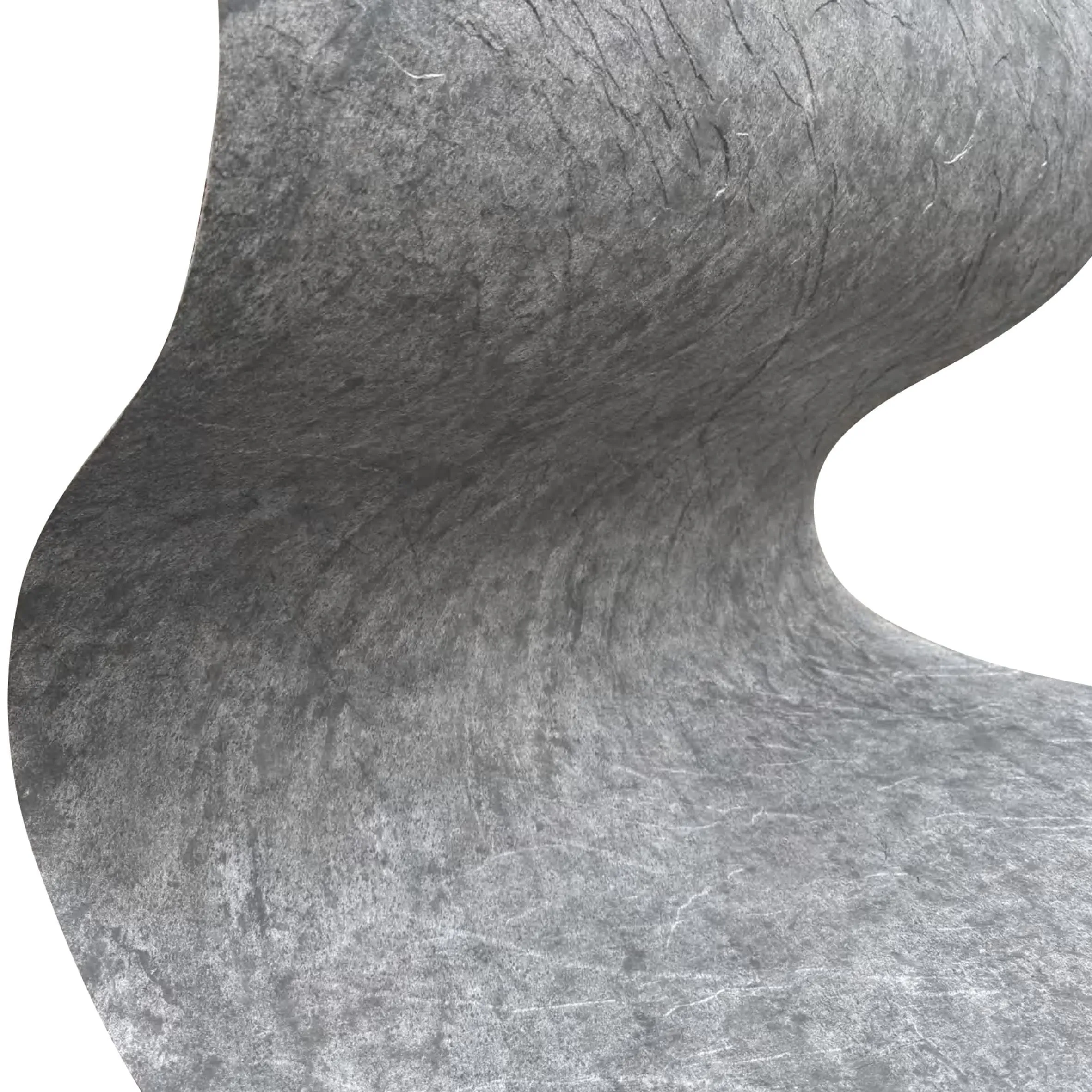
Glacial Slate is just one star in COLORIA's constellation of sustainable MCM products. To truly appreciate its impact, we need to understand the technology that powers it: MCM, or Modified Composite Material. At its core, MCM is a blend of natural minerals (like stone powder, clay, and sand) and high-performance polymers, engineered to be flexible, durable, and lightweight. Unlike traditional rigid materials such as natural stone or concrete, MCM can bend without breaking, making it ideal for curved surfaces and complex installations—all while using fewer resources.
Take MCM flexible stone , for example. This product line reimagines stone cladding as a lightweight, bendable sheet that can be applied to almost any surface—walls, columns, even furniture. Traditional stone cladding is heavy, requiring structural support that adds to construction costs and carbon emissions. MCM flexible stone, by contrast, weighs as little as 3kg per square meter, eliminating the need for extra support. "We recently used MCM flexible stone in a renovation project for an old warehouse," says Chen. "The building's original structure couldn't handle the weight of natural stone, but MCM flexible stone went up easily, and it looks identical to the real thing. The client was blown away by how much we saved in both time and materials."
Then there's the MCM big slab board series —large-format panels (up to 1.2m x 2.4m) that reduce installation time and waste. Traditional big slabs, whether concrete or natural stone, are prone to cracking during transport and installation, leading to high waste rates (often 10-15% of material ends up in the trash). MCM big slabs, however, are impact-resistant and easy to handle, cutting waste to less than 2%. "In a high-rise facade project, every percent of waste reduction matters," notes Mendez. "With MCM big slabs, we're not just saving materials—we're saving labor hours, too. Installers can cover more area in a day, which means fewer workdays and lower energy use on-site."
But perhaps the most compelling advantage of MCM is its longevity. Unlike painted surfaces or vinyl cladding, which fade or degrade in 5-10 years, MCM products like Glacial Slate and flexible stone are UV-resistant, weatherproof, and resistant to mold and mildew. "We've tested our MCM panels in extreme conditions—from desert heat to coastal humidity—and they hold up," says Gonzalez. "A building clad in MCM could go 20-30 years without needing replacement, which means fewer resources consumed over time. That's sustainability in action."
| Category | Traditional Materials (e.g., Natural Slate, Concrete Slabs) | COLORIA MCM Products (e.g., Glacial Slate, MCM Big Slab Board Series) |
|---|---|---|
| Resource Use | High: Requires mining/quarrying virgin stone; depletes natural reserves. | Low: Uses recycled stone aggregates and post-industrial waste; reduces virgin resource extraction by up to 70%. |
| Carbon Footprint | High: Energy-intensive mining, cutting, and transportation (heavy weight = more fuel use). | Low: 40% less energy in production; 70% lighter, cutting transportation emissions by 60%. |
| Durability & Lifespan | 5-15 years (prone to cracking, fading, or water damage). | 20-30+ years (UV-resistant, weatherproof, and impact-resistant). |
| Installation Waste | 10-15% waste due to breakage and cutting errors. | <2% waste: flexible, lightweight, and precision-molded for easy installation. |
| Structural Impact | Requires heavy structural support, increasing building material use. | Lightweight (3-5kg/m²) eliminates need for extra support, reducing overall construction materials. |
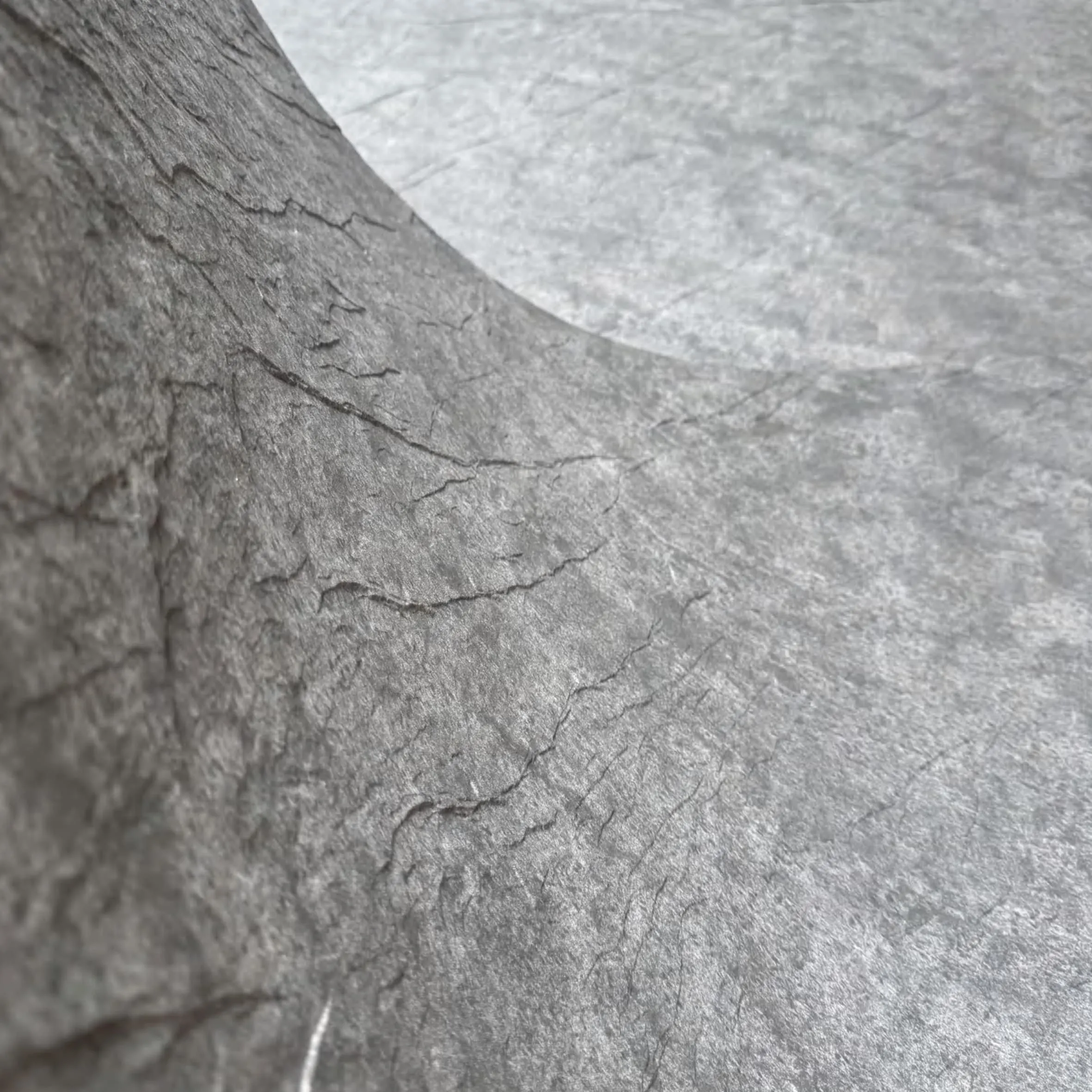
COLORIA's dedication to sustainability isn't limited to product design—it's baked into every step of their operations, from the factory floor to the finished project. Let's take a behind-the-scenes look at how they're turning green promises into reality.
Start with the production facilities. COLORIA's main manufacturing plant, located outside Barcelona, runs on 100% renewable energy—solar panels on the roof and wind energy purchased from local providers. "We invested in solar in 2018, and it's paid off both environmentally and financially," says Gonzalez. "Last year, we generated 1.2 million kWh of solar energy, offsetting 800 tons of CO2 emissions. That's like taking 170 cars off the road for a year." Water usage is another focus: the plant recycles 95% of its process water, using advanced filtration systems to treat and reuse water for mixing materials and cleaning. "Traditional stone processing can use up to 100 liters of water per square meter of product," Mendez explains. "We use less than 5 liters—most of which is recycled."
Waste reduction is equally impressive. By-products from MCM production (like excess powder and trimmings) are ground up and reused in new batches, creating a closed-loop system. "We aim for zero waste to landfill," Gonzalez says. "In 2024, we hit 98%—only 2% of waste was non-recyclable, and even that was sent to a facility that converts it into energy."
Then there's the company's focus on green building materials as a whole. COLORIA doesn't just make sustainable products—they advocate for sustainable practices in the industry. They're a proud member of the Green Building Council and have helped develop guidelines for low-carbon cladding materials. Their products, including Glacial Slate, MCM flexible stone, and even options like fair-faced concrete, are LEED and BREEAM certified, making it easier for architects to earn green building credits.
One project that showcases COLORIA's impact is the Horizon Tower in Dubai, a 42-story residential building clad in MCM big slab boards and Glacial Slate accents. "The developer wanted a facade that was both luxurious and eco-friendly," says Ahmed Hassan, the project's construction manager. "We chose COLORIA's MCM big slab board series for the main facade—it's lightweight, so we saved on structural steel, and the Glacial Slate feature wall adds that high-end look without the environmental cost. The building's energy model shows it will use 25% less energy than a similar tower with traditional cladding, thanks in part to the MCM's insulating properties."
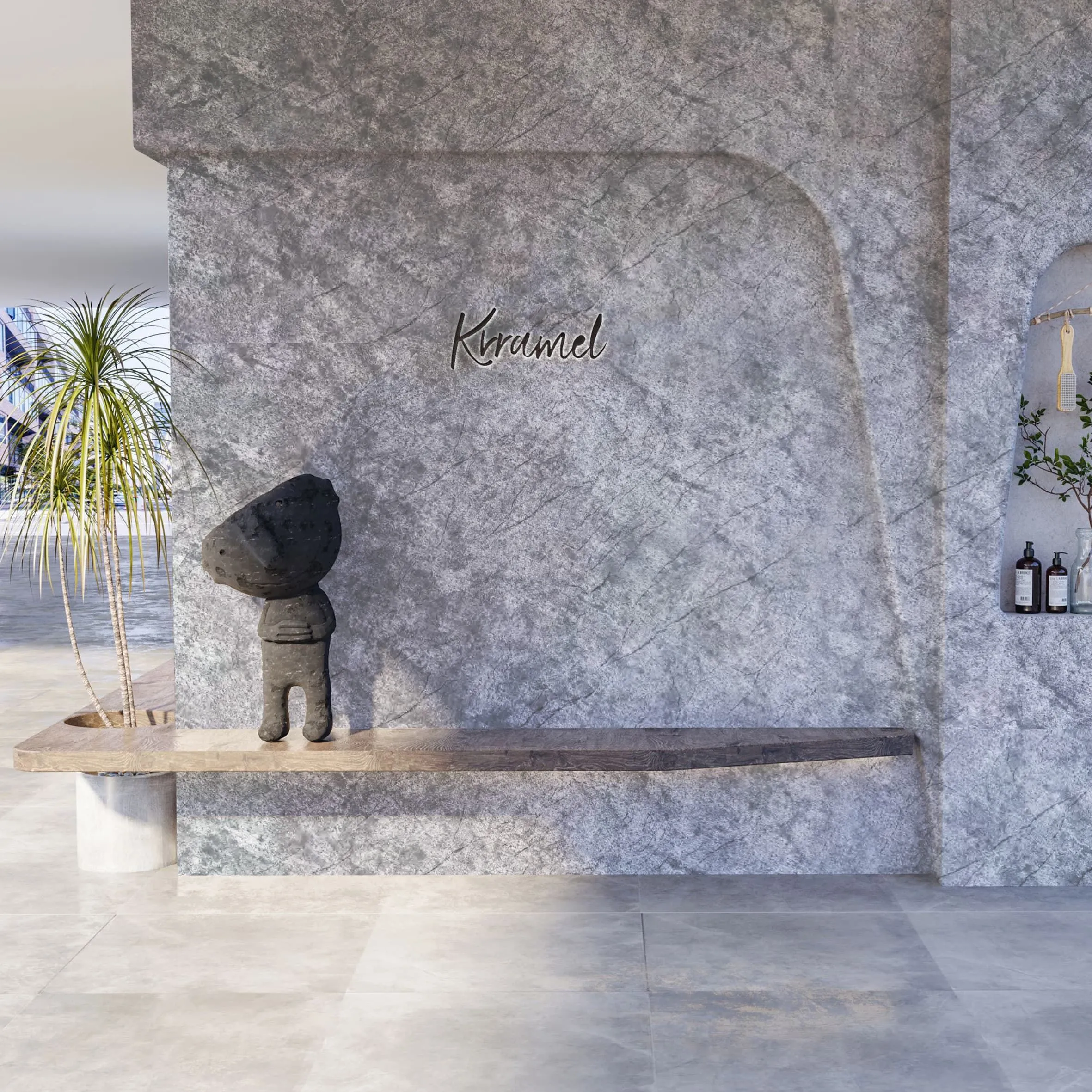
While Glacial Slate and MCM flexible stone steal the spotlight, COLORIA's fair-faced concrete is another example of how they're reimagining traditional materials. Fair-faced concrete—also known as architectural concrete—is valued for its raw, industrial aesthetic, but traditional versions are carbon-heavy, requiring large amounts of cement (a major CO2 emitter). COLORIA's take? A low-carbon formulation that replaces 30% of cement with fly ash (a by-product of coal combustion) and recycled aggregates, cutting its carbon footprint by 40%.
"Fair-faced concrete has always been popular for its minimalist look, but architects often hesitated because of its environmental impact," says Chen. "COLORIA's version changes that. I used it in a restaurant project last year—the exposed concrete walls became the focal point, and the client loved that we could achieve that aesthetic without guilt."
As the world grapples with climate change, the demand for sustainable building materials will only grow. COLORIA is already looking ahead, investing in R&D to make MCM even more eco-friendly. "We're experimenting with bio-based polymers—replacing synthetic binders with plant-based alternatives," Mendez reveals. "Early tests show promise; we could reduce our reliance on fossil fuels by another 20% in the next five years." They're also exploring carbon capture technology, aiming to make their factories carbon-negative by 2030.
But perhaps the most exciting part is how COLORIA is inspiring others. "When architects and developers see that sustainable materials don't mean compromising on beauty or performance, they're more likely to make the switch," says Gonzalez. "Glacial Slate isn't just a product—it's a conversation starter. It says, 'We can build better, for both people and the planet.'"
In the end, the story of Glacial Slate and COLORIA's MCM products is about more than building materials—it's about redefining progress. Sustainability in architecture isn't about sacrifice; it's about innovation. It's about creating spaces that inspire us, while leaving a lighter footprint on the Earth.
Whether it's the cool texture of Glacial Slate, the flexibility of MCM flexible stone, or the raw beauty of fair-faced concrete, COLORIA is proving that green building materials can be both high-performing and visually stunning. As more architects, developers, and homeowners embrace these options, we move closer to a future where every building is a testament to our commitment to the planet.
So the next time you walk past a building with a striking stone facade, take a closer look. It might just be Glacial Slate—and behind that beauty, a story of innovation, responsibility, and a brand that's building a better world, one slab at a time.
Recommend Products












