

In an era where every decision we make echoes through the planet's delicate ecosystems, the construction industry stands at a crossroads. We're no longer just building structures—we're crafting legacies, and the materials we choose today will shape the world our children inherit. Enter Bali Stone, a material that doesn't just adorn our buildings with natural beauty but carries a quiet promise: to honor the earth while elevating our spaces. It's more than a trend; it's a shift toward intentional design, where sustainability and aesthetics dance in harmony. Let's dive into why Bali Stone is quickly becoming the darling of architects, designers, and eco-conscious homeowners alike.
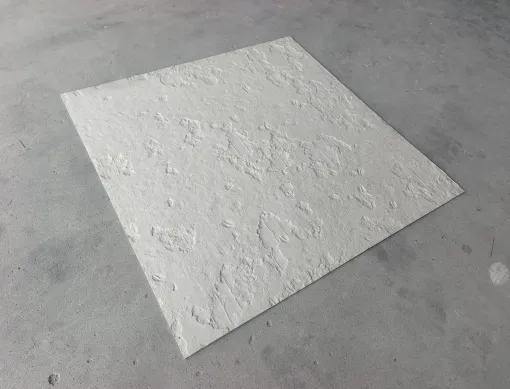
First things first: Bali Stone isn't your average building material. Picture this: quarried from regions where nature has spent centuries perfecting its texture, each slab tells a story of time, pressure, and geological artistry. Unlike synthetic alternatives that rely on harsh chemicals and energy-heavy production, Bali Stone is a product of the earth's own processes—mined responsibly, processed with minimal intervention, and finished to highlight its inherent character. Think warm, earthy tones that range from soft beiges to deep, weathered browns, with veins and patterns that look like nature's own brushstrokes. It's the kind of material that makes a wall feel less like a barrier and more like a living, breathing part of the landscape.
But what truly sets Bali Stone apart is its versatility. Whether you're aiming for a rustic cabin vibe, a sleek urban loft, or a serene spa retreat, it adapts. It can be cut into large slabs for feature walls, chiseled into smaller tiles for flooring, or even shaped into custom accents that become the focal point of a room. And unlike some "green" materials that sacrifice durability for eco-credentials, Bali Stone is built to last—standing up to the elements, foot traffic, and the test of time with grace.
Let's talk numbers—because sustainability isn't just a feeling; it's a measurable commitment. Traditional building materials like certain types of concrete or synthetic stone often require massive amounts of energy to produce. Think factories burning fossil fuels to heat kilns, or transportation networks crisscrossing the globe to ship raw materials. Bali Stone, by contrast, keeps things local (when sourced responsibly) and simple. Its extraction process is less energy-intensive, relying more on mechanical cutting than high-heat processing. Even better, many quarries that specialize in Bali Stone have adopted eco-friendly practices, like reforestation programs to restore areas after mining or water recycling systems to reduce waste. The result? A significantly lower carbon footprint compared to its synthetic counterparts. It's a small choice that adds up to big change when multiplied across a building project.
Ever walked into an old building and marveled at the stone walls that still look as sturdy as the day they were built? That's the magic of natural stone—and Bali Stone is no exception. Unlike vinyl siding that fades after a few years or composite decking that warps in the sun, Bali Stone doesn't just survive; it ages beautifully. Its resistance to weathering, scratches, and stains means you won't be replacing it every decade. Less replacement equals less waste ending up in landfills, and fewer resources spent on manufacturing new materials. It's a circular approach to construction: build once, build well, and let the material grow more characterful with time. Imagine a kitchen backsplash that still looks stunning 20 years later, or a patio floor that bears the marks of family barbecues and children's laughter without losing its charm. That's the durability dividend Bali Stone delivers.
Here's a hidden gem: Bali Stone isn't just pretty—it's practical. Its dense composition acts as a natural insulator, helping regulate indoor temperatures year-round. In the summer, it keeps heat out, reducing the need for air conditioning; in the winter, it traps warmth, cutting down on heating costs. This isn't just good for your wallet—it's good for the planet. Every kilowatt-hour saved is a step away from fossil fuel dependency, and Bali Stone makes that savings effortless. Compare that to thin, synthetic materials that offer little to no insulation, forcing homeowners to crank up the thermostat (and their carbon emissions) to stay comfortable. With Bali Stone, your walls aren't just holding up the roof—they're working behind the scenes to keep your home energy-efficient and eco-friendly.
Let's not forget about indoor air quality—a topic close to the hearts of anyone who's ever walked into a newly built home and smelled that "new construction" stench (spoiler: it's often volatile organic compounds, or VOCs, off-gassing from synthetic materials). Bali Stone, being a natural product, doesn't rely on toxic adhesives, sealants, or finishes to look good. Many suppliers offer options finished with water-based sealers or natural oils, keeping harmful chemicals out of your living spaces. That means cleaner air for you, your family, and your pets—no more worrying about allergies or long-term health risks from the materials surrounding you. It's a small detail, but one that turns a house into a haven.
Of course, Bali Stone isn't the only sustainable material on the market. Let's take a look at how it compares to some popular alternatives, including MCM Flexible Stone, travertine, and fair-faced concrete—all names you might recognize from the world of green building.
| Material | Production Carbon Footprint | Durability (Avg. Lifespan) | Recyclability | Aesthetic Versatility |
|---|---|---|---|---|
| Bali Stone | Low (minimal processing, local sourcing) | 50+ years (ages gracefully) | High (can be crushed and reused as aggregate) | Exceptional (natural patterns, varied finishes) |
| MCM Flexible Stone | Moderate (requires some synthetic binding agents) | 20–30 years (durable but less so than natural stone) | Moderate (recycling options limited by binding materials) | High (flexible, can mimic other textures) |
| Travertine | Moderate (quarrying and transport can add emissions) | 40+ years (classic durability but porous) | High (similar to Bali Stone, recyclable as aggregate) | Strong (timeless, but color range narrower than Bali Stone) |
| Fair-Faced Concrete | High (cement production is carbon-intensive) | 30–40 years (prone to cracking over time) | Low (recycling concrete is possible but energy-heavy) | Moderate (industrial look, limited natural variation) |
As the table shows, Bali Stone shines brightest in the categories that matter most for long-term sustainability: low production emissions, unmatched durability, and high recyclability. MCM Flexible Stone, for example, is a great option for projects where flexibility is key (think curved walls or unique shapes), but it can't quite match Bali Stone's lifespan or minimal environmental impact. Travertine, a beloved natural stone, comes close, but its porosity means it requires more maintenance (like sealing) and can have a higher carbon footprint if sourced from faraway quarries. And fair-faced concrete, while trendy for its industrial chic, carries the heavy burden of cement production—a process responsible for around 8% of global CO2 emissions. When you stack them up, Bali Stone isn't just a choice; it's a statement.
Enough talk—let's imagine Bali Stone in action. Picture a beach house in Costa Rica, where the exterior walls are clad in Bali Stone, their warm tones blending seamlessly with the surrounding sand and palm trees. The stone's natural insulation keeps the interior cool during tropical days, reducing the need for AC, while its rough texture adds a tactile, organic feel that invites bare feet and lazy afternoons. Inside, the kitchen countertops are polished Bali Stone, resistant to spills and heat, with veins that look like waves frozen in time. It's a space that feels both luxurious and grounded, as if it grew out of the landscape rather than being built on it.
Or consider a urban apartment building in Portland, where sustainability is part of the brand. The lobby features a feature wall of Bali Stone, welcoming residents with its earthy warmth and reminding them of the building's commitment to the planet. The flooring in the communal areas is Bali Stone tile, chosen for its durability (no more scuffed floors from busy foot traffic) and ease of maintenance. Even the outdoor terrace uses Bali Stone pavers, which stay cool under the sun and drain well, reducing runoff and helping the building meet LEED certification standards. It's proof that sustainability doesn't have to mean sacrificing style—in fact, it often enhances it.
And let's not overlook smaller projects. A homeowner in Vermont might use Bali Stone for a fireplace surround, turning a functional element into a work of art. The stone's heat resistance makes it perfect for the job, while its natural color palette complements the home's wooden beams and cozy, cabin-like vibe. Or a café in Seattle could line its outdoor patio with Bali Stone tiles, creating a space that feels both polished and inviting, where rainwater drains easily and the stone's texture provides traction even on wet days. Bali Stone isn't just for grand gestures; it's for the everyday moments that make a house a home.
As we look ahead, the demand for sustainable building materials isn't just growing—it's accelerating. Governments are tightening regulations on carbon emissions, consumers are becoming more eco-conscious, and architects are pushing for materials that align with their values. Bali Stone is poised to lead this charge, not just because it's green, but because it makes green look good. Imagine a world where every new building doesn't just meet code but exceeds it, where "sustainable" is synonymous with "stunning." That's the future Bali Stone is helping to build.
Innovation is also on the horizon. Some quarries are experimenting with even more eco-friendly extraction methods, like using solar-powered machinery or electric vehicles to reduce emissions during transport. Others are exploring ways to repurpose quarry waste—turning leftover stone chips into aggregate for roads or decorative gravel for gardens. It's a closed-loop system that honors the "nothing goes to waste" philosophy, ensuring that every part of the stone's journey contributes to the planet's health, not its harm.
At the end of the day, choosing Bali Stone is about more than picking a material for your next project. It's about voting with your dollars, your designs, and your values. It's about saying, "I care about this planet, and I want my home, my office, my community space to reflect that care." It's about creating spaces that don't just serve us but serve the earth, too.
So whether you're an architect drafting blueprints for the next iconic building, a homeowner dreaming of a kitchen that feels like a retreat, or a designer looking to blend beauty with purpose, consider Bali Stone. It's a material that doesn't just build better spaces—it builds a better world. And in the end, isn't that the legacy we all want to leave?
Here's to walls that tell stories, floors that feel like home, and materials that honor the earth. Here's to Bali Stone—and to the future we're building, one sustainable choice at a time.
Recommend Products












