
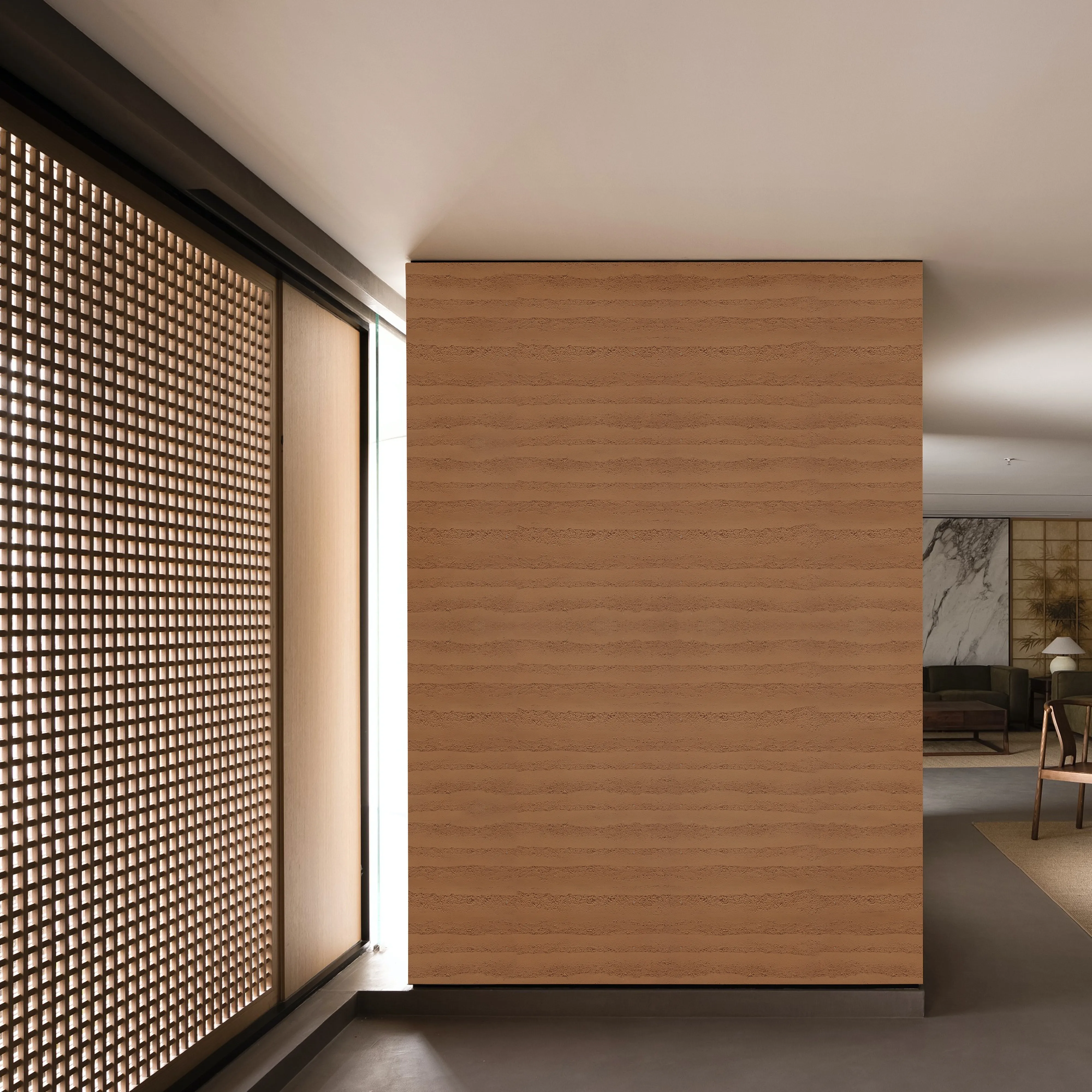
In an era where every industry is being called to account for its environmental footprint, the construction sector stands at a critical crossroads. For decades, it has relied on resource-intensive materials like concrete and steel, contributing significantly to global carbon emissions, deforestation, and waste. But what if there was a building material that honors tradition, embraces modern technology, and treads lightly on the planet? Enter COLORIA GROUP's Rammed Earth Board (Khaki)—a product that's not just redefining sustainable construction, but proving that eco-friendly choices can also be aesthetically stunning. Let's dive into why this unassuming material might just be the future of green building.
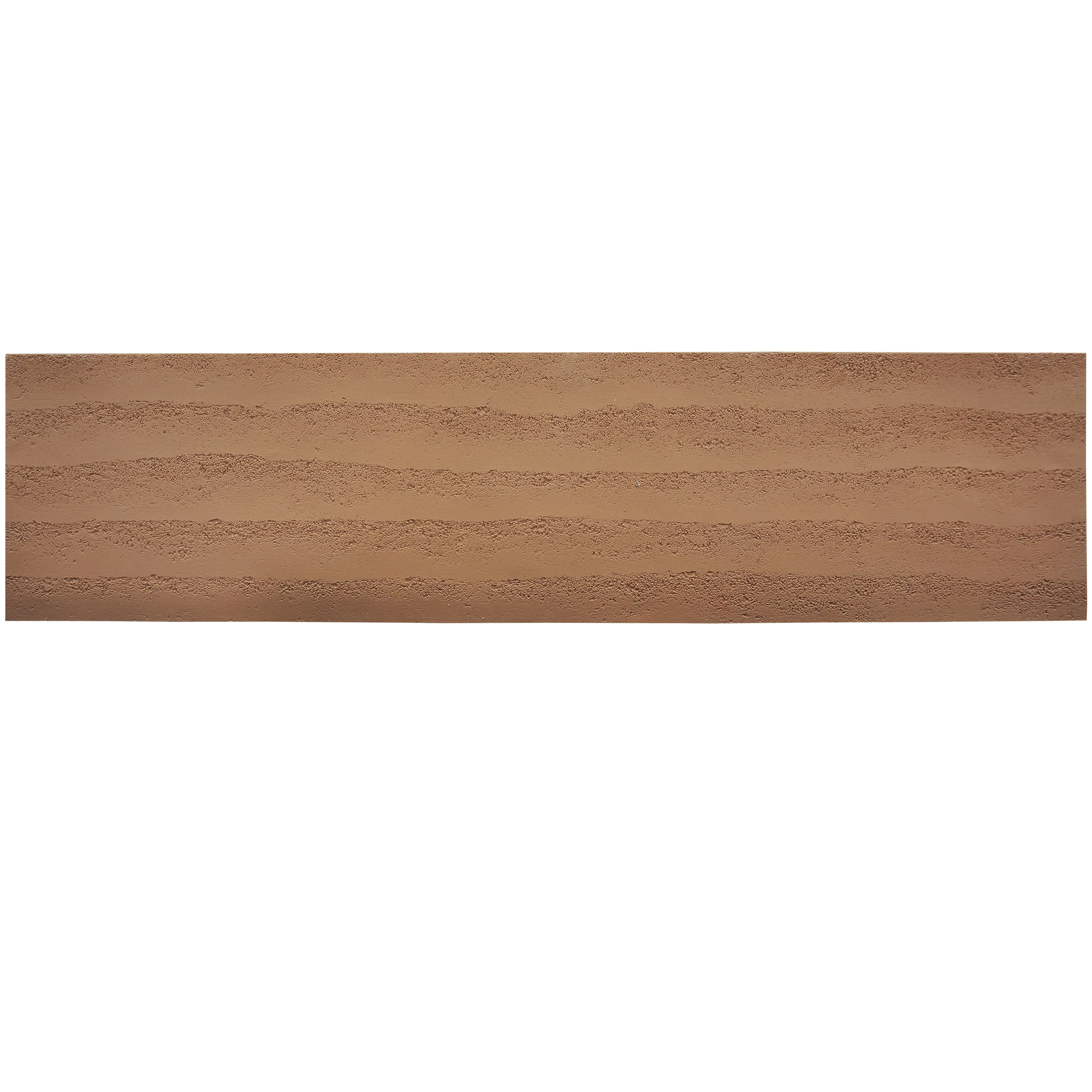
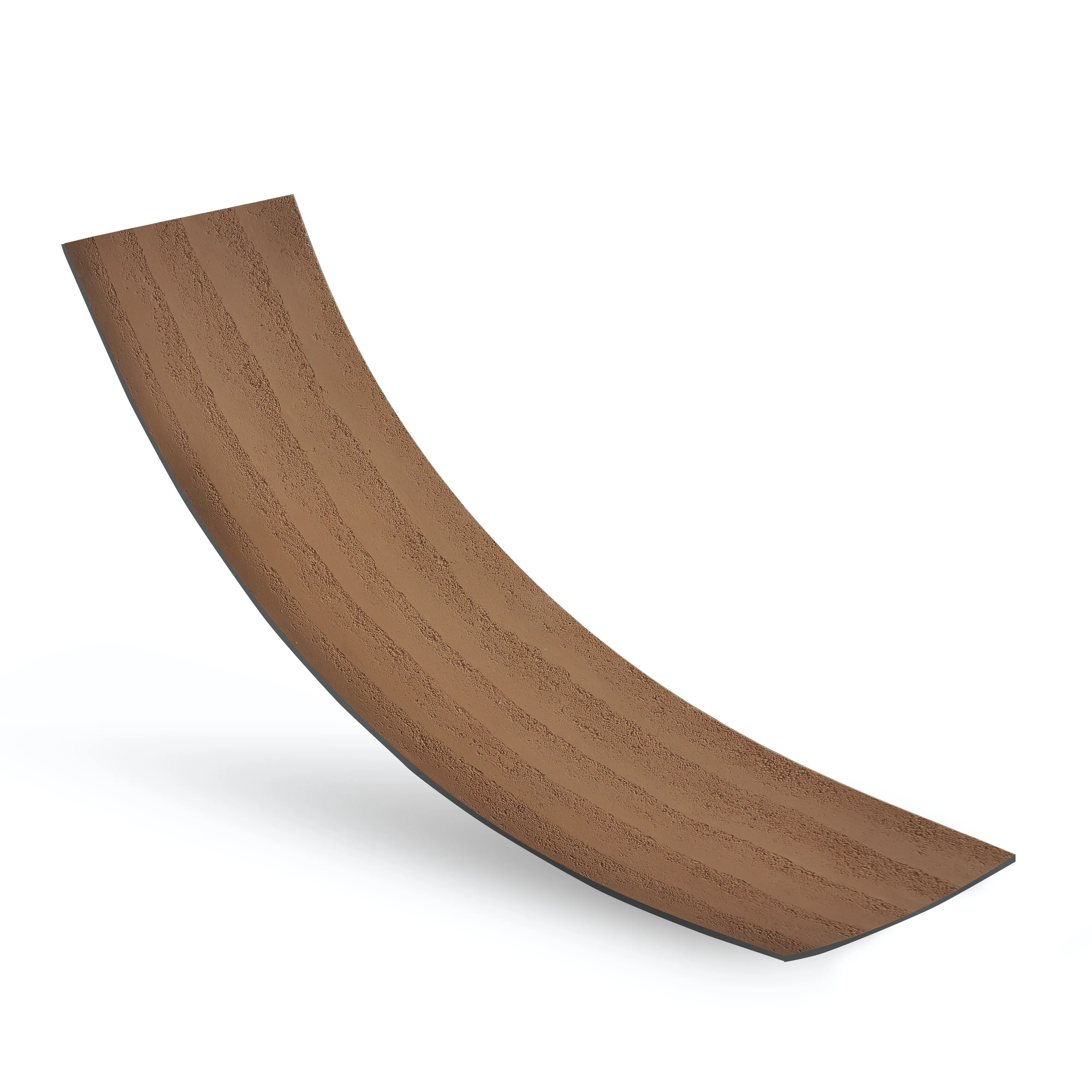
Before we unpack its environmental perks, let's get to know the star of the show. Rammed Earth Board (Khaki) is a modern take on the ancient building technique of rammed earth, which dates back thousands of years to civilizations like the Romans and Chinese. Traditional rammed earth involves compressing layers of soil, sand, and a small amount of binder (like lime or cement) into formwork to create thick, sturdy walls. COLORIA GROUP has reimagined this with a contemporary twist: their boards are prefabricated, lightweight, and infused with a warm, earthy khaki hue derived from natural pigments—no synthetic dyes in sight.
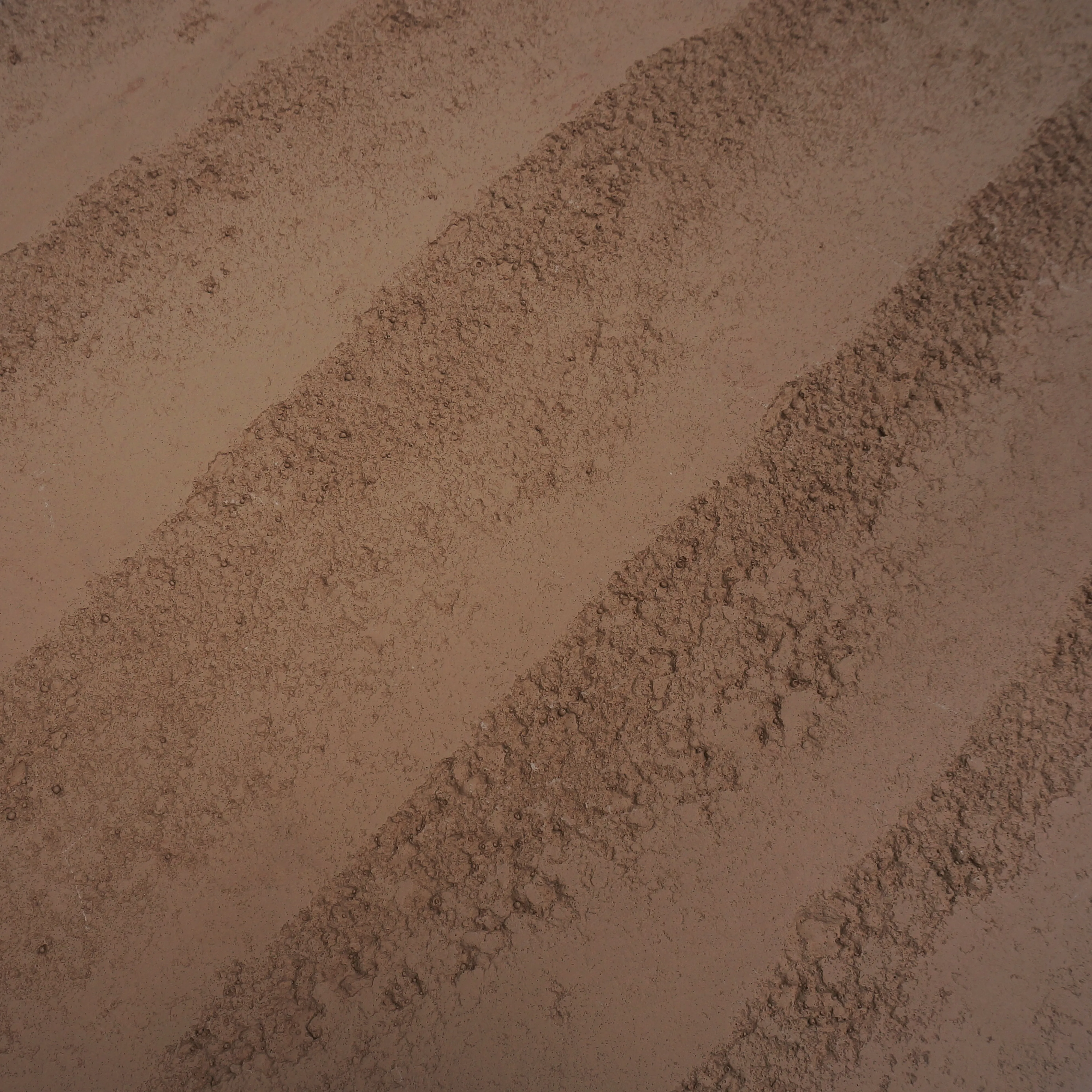
The result? A material that feels both timeless and fresh. Run your hand over it, and you'll notice a subtle, tactile texture—think sun-baked clay with a hint of grain—that adds depth to any space. Unlike concrete or overly polished stone, Rammed Earth Board (Khaki) brings a sense of warmth, as if the very earth itself is part of the building. But its beauty isn't just skin deep; it's what's under the surface that makes it a game-changer for sustainability.
To truly appreciate why Rammed Earth Board (Khaki) is a win for the planet, let's first acknowledge the problem it's solving. The construction industry is responsible for roughly 39% of global carbon emissions, according to the United Nations Environment Programme. A big chunk of that comes from the production of materials we use every day:
These materials don't just harm the planet during production, either. Their short lifespans (think chipping paint, rotting wood, or cracking concrete) mean frequent replacements, creating a cycle of waste. And when they're finally discarded, many don't break down—they sit in landfills for centuries, leaching toxins into soil and water.
COLORIA GROUP's Rammed Earth Board (Khaki) is designed to address these issues head-on. Let's break down its environmental superpowers:
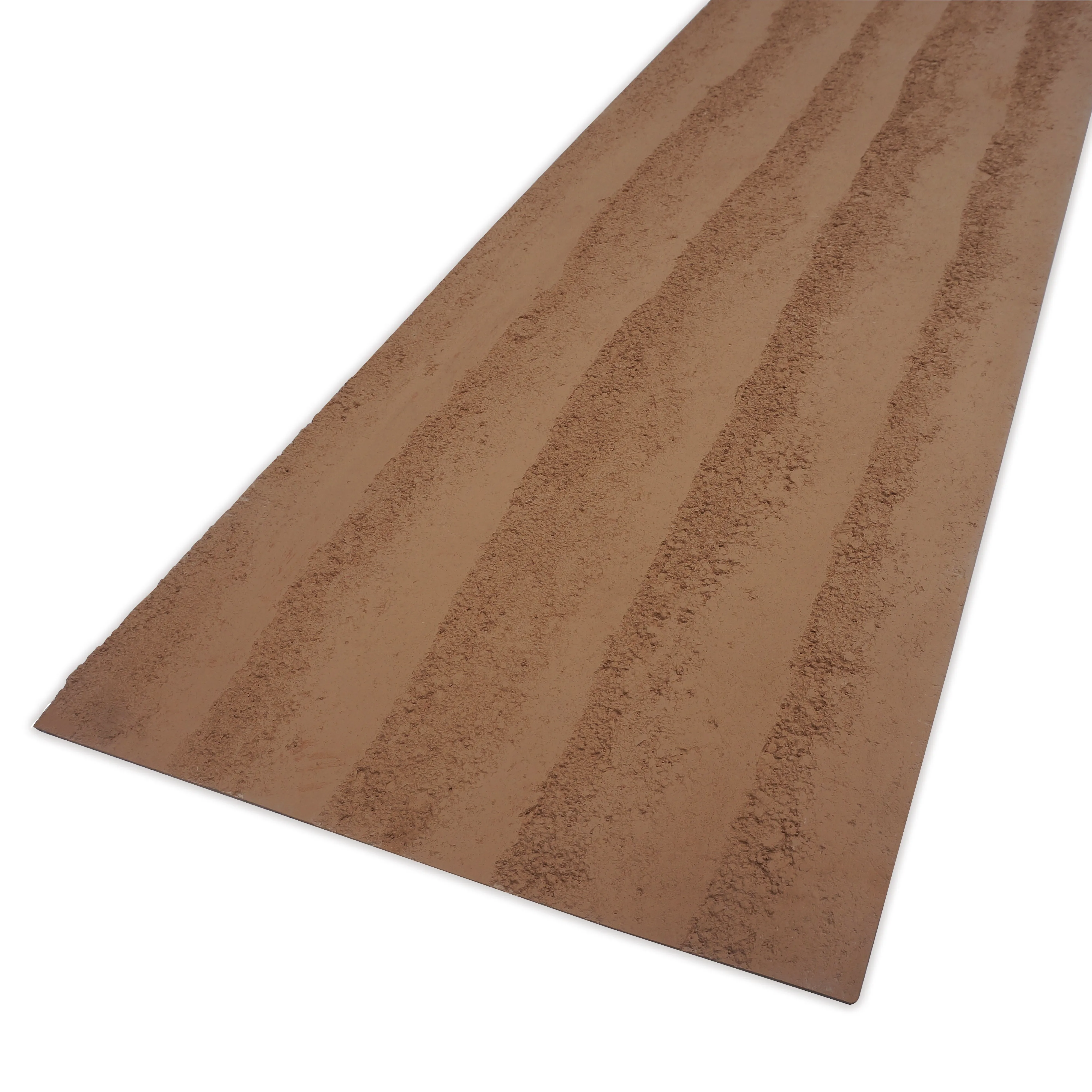
Rammed Earth Board (Khaki) starts with some of the most abundant resources on the planet: local soil, sand, and natural binders like lime (a far greener alternative to cement). Unlike materials that require mining rare minerals or importing distant resources, COLORIA sources its raw materials locally whenever possible, cutting down on transportation emissions. Even the khaki color is achieved using iron oxide pigments, which are naturally occurring and non-toxic—no need for energy-intensive synthetic dyes.
The production process itself is low-impact. Instead of high-heat kilns or chemical treatments, the materials are mixed with water, pressed into molds under high pressure, and air-dried. This "slow manufacturing" approach uses a fraction of the energy required to make concrete or steel, reducing its carbon footprint from the start.
When we talk about a material's environmental impact, "embodied carbon"—the emissions released during its production, transportation, and installation—is a crucial metric. Rammed Earth Board (Khaki) shines here. Studies on traditional rammed earth suggest its embodied carbon is as low as 50-100 kg CO₂ per cubic meter, compared to concrete's 400-800 kg CO₂/m³. COLORIA's prefabricated boards are even more efficient, thanks to optimized manufacturing processes that minimize waste and energy use.
Contrast this with something like foamed aluminium alloy board (vintage silver), which, while lightweight and durable, requires mining bauxite, refining aluminum (a process that uses huge amounts of electricity), and adding synthetic foaming agents. The result? A significantly higher carbon footprint before it even leaves the factory.
Sustainability isn't just about reducing emissions during production—it's about making materials that stand the test of time. Rammed Earth Board (Khaki) is tough. Traditional rammed earth structures, like the Great Wall of China or ancient desert forts, have lasted for centuries, resistant to pests, fire, and weathering. COLORIA's version builds on that legacy with modern binders that enhance strength without sacrificing eco-credentials.
Imagine a home clad in Rammed Earth Board (Khaki) that, with minimal maintenance, stays intact for 50+ years. Compare that to vinyl siding, which might need replacement every 20 years, or painted wood that chips and rots. Fewer replacements mean less demand for new materials, less waste, and fewer emissions over the building's lifetime. It's the ultimate "buy once, buy well" philosophy applied to construction.
At the end of a building's life, most materials become waste. Concrete is crushed and dumped; synthetic cladding releases toxins as it breaks down. Rammed Earth Board (Khaki) is different. Since it's made from natural materials—soil, sand, lime, and natural pigments—it can be recycled or even returned to the earth. Demolish a wall, crush the boards, and the material can be reused as fill, or left to biodegrade without leaching harmful chemicals. It's a closed-loop system that honors the planet's finite resources.
Sustainability isn't just about the planet—it's about people, too. Traditional building materials often off-gas VOCs, formaldehyde, or other toxins, worsening indoor air quality and contributing to health issues like allergies and asthma. Rammed Earth Board (Khaki)? It's inert. No synthetic chemicals, no weird fumes—just pure, natural earth. In fact, it even helps regulate humidity: the porous structure absorbs moisture when the air is damp and releases it when dry, creating a more comfortable, healthier living environment. It's like having a built-in air purifier and humidifier, all in one.
You might be thinking, "Okay, it's better than concrete, but what about other eco-friendly options?" Let's put Rammed Earth Board (Khaki) head-to-head with two popular alternatives: fair-faced concrete (touted for its raw, industrial look) and foamed aluminium alloy board (vintage silver) (a lightweight, modern choice).
| Material | Embodied Carbon (kg CO₂/m²) | Recyclability | Raw Material Sourcing | Indoor Air Impact |
|---|---|---|---|---|
| Rammed Earth Board (Khaki) | ~15-25 | High (crushable, reusable as fill; biodegradable) | Local, abundant (soil, sand, natural pigments) | Excellent (no VOCs, regulates humidity) |
| Fair-Faced Concrete | ~40-60 | Low (recyclable as aggregate, but energy-intensive to process) | Global supply chain (cement, sand, gravel); high water use | Moderate (may off-gas trace alkalis) |
| Foamed Aluminium Alloy Board (Vintage Silver) | ~80-120 | Moderate (aluminium is recyclable, but foaming agents may complicate) | Mined bauxite, synthetic additives; energy-heavy production | Good (no VOCs, but poor humidity regulation) |
The verdict? Rammed Earth Board (Khaki) outperforms both in embodied carbon, recyclability, and raw material ethics. It's not just a "green" option—it's a greener option, without compromising on functionality or style.
Sustainability is only useful if the material fits real-world needs. Luckily, Rammed Earth Board (Khaki) is versatile. Here are just a few ways it's being used to build better:
Residential Homes
Imagine a suburban home with exterior walls clad in Khaki Rammed Earth Board. The warm, earthy tone blends with the landscape, while the material's thermal mass keeps interiors cool in summer and warm in winter—reducing reliance on HVAC systems. Inside, accent walls made from the same board add texture to living rooms or bedrooms, creating a cozy, grounded vibe.
Eco-Resorts
Luxury doesn't have to mean excess. Resorts in places like Bali or Costa Rica are using Rammed Earth Board (Khaki) to create bungalows that feel at one with nature. Its natural texture complements tropical greenery, while its durability stands up to humid climates. Plus, guests love knowing their stay isn't costing the planet.
Commercial Spaces
From cafes to coworking spaces, businesses are using Rammed Earth Board (Khaki) to signal their commitment to sustainability. A coffee shop with a Khaki Rammed Earth accent wall feels inviting and eco-conscious, while a tech startup's office might pair it with COLORIA's mcm flexible stone for a modern-meets-natural aesthetic—proving green building materials can be on-trend.
COLORIA GROUP isn't just selling a product—they're part of a movement. As a global mcm panel exporter and advocate for green building materials, they understand that sustainability isn't a trend; it's a responsibility. Their Rammed Earth Board (Khaki) is a testament to that: it's not just designed to be eco-friendly, but to make eco-friendly building accessible. By prefabricating the boards, they've solved one of the biggest hurdles of traditional rammed earth—labor-intensive on-site construction—making it feasible for projects of all sizes.
And they're not stopping there. COLORIA's broader lineup, which includes innovations like mcm flexible stone and low-impact cladding solutions, shows a commitment to reimagining the entire construction supply chain. It's a reminder that every material choice is a vote for the kind of future we want—and Rammed Earth Board (Khaki) is a vote for a future where buildings nurture both people and the planet.
In a world where "sustainable" is often just a marketing buzzword, Rammed Earth Board (Khaki) by COLORIA GROUP is the real deal. It's a material that respects tradition, leverages modern innovation, and puts the planet first—without asking us to sacrifice beauty or performance. From its low embodied carbon to its biodegradable end-of-life, it checks every box for what a green building material should be.
As we look to the future of construction, materials like this aren't just options—they're necessities. Every time we choose Rammed Earth Board (Khaki) over concrete, or mcm flexible stone over synthetic cladding, we're not just building structures; we're building a more sustainable world. And that's a legacy worth investing in.
Recommend Products












