
Walk into any luxury hotel, boutique café, or high-end residential building today, and you'll likely be greeted by the warm, earthy tones of natural stone. For decades, materials like marble, granite, and travertino have been the gold standard of architectural elegance—symbols of timeless beauty and craftsmanship. But beneath that polished surface lies a hidden story: one of ecosystems destroyed, carbon emissions soaring, and resources drained at an unsustainable pace. As the world wakes up to the urgent need for greener construction practices, a new player has emerged to challenge the status quo: Modified Composite Material, or MCM. In particular, MCM flexible stone and its siblings are redefining what it means to build beautifully without costing the Earth—starting with a direct showdown against one of the most beloved natural stones: white travertino.
First, let's clarify: white travertino is a type of travertine, a sedimentary rock formed from mineral-rich hot springs. Its creamy hues, subtle veining, and porous texture have made it a favorite for floors, walls, and countertops. Architects adore it for its ability to bring warmth and organic character to spaces, whether in a rustic villa in Tuscany or a modern penthouse in New York. But that beauty comes with a heavy environmental price tag—one that's often overlooked in the rush to achieve "luxury."
The journey of white travertino begins in quarries, where massive machines tear into mountainsides to extract blocks of stone. These operations don't just remove rock—they level forests, disrupt wildlife habitats, and leave behind gaping scars in the landscape. In regions like Italy's Tivoli, where travertine has been mined for millennia, entire hillsides have been transformed into lunar-like wastelands. Local communities report increased soil erosion, water pollution from quarry runoff, and a sharp decline in native species. "We used to have foxes and eagles here," a Tivoli resident told a documentary crew in 2023. "Now, all we see is dust and trucks."
Then there's transportation. Once extracted, travertino blocks are cut into slabs, loaded onto diesel-guzzling trucks, and shipped across continents. A slab traveling from Italy to a construction site in Dubai, for example, racks up thousands of miles, emitting tons of CO2 along the way. And the waste doesn't stop there: up to 50% of the stone extracted ends up as offcuts or debris, discarded because it doesn't meet aesthetic standards. That's millions of tons of perfectly usable material dumped into landfills each year, just to achieve that "flawless" look.
Even after installation, travertino's environmental impact persists. Its porous nature means it stains easily, requiring regular sealing with chemical-laden products that leach into water systems. And despite its reputation for durability, it's surprisingly prone to chipping and weathering, especially in high-traffic areas. This means more frequent replacements, perpetuating the cycle of extraction and waste.
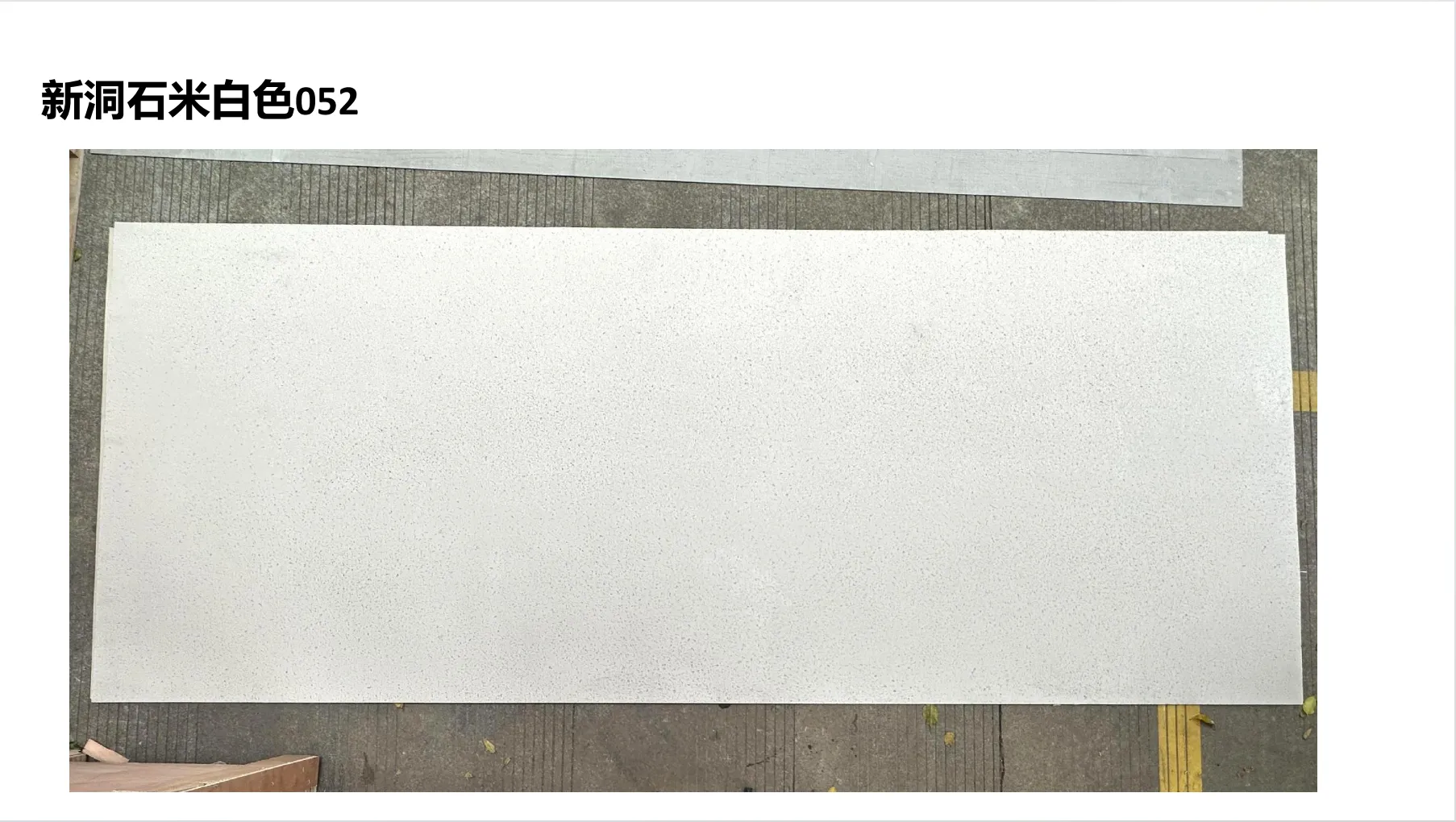
Enter MCM: a material born from the question, "What if we could have the beauty of natural stone without the environmental cost?" Short for Modified Composite Material, MCM is a blend of natural minerals, recycled polymers, and reinforced fibers, engineered to mimic the look and feel of stone, wood, or metal—without the heavy footprint. Think of it as the "green twin" of traditional materials: same elegance, but with a conscience.
At the heart of MCM's appeal is its manufacturing process. Unlike travertino, which requires mountains and burning fossil fuels to extract and transport, MCM is produced in controlled facilities using low-temperature pressing and minimal energy. Take MCM flexible stone, for example: it starts with a base of recycled stone dust (leftover from natural stone processing, which would otherwise go to landfills) mixed with plant-based polymers and fiberglass. This mixture is then pressed into thin, lightweight sheets under low heat, using a fraction of the energy needed to quarry and cut natural stone. The result? A material that's not only flexible (it can bend around curves, eliminating the need for custom-cut corners) but also 70% lighter than travertino—slashing transportation emissions by up to 60%.
But MCM doesn't stop at stone lookalikes. Products like foamed aluminium alloy board (vintage silver) take sustainability a step further by incorporating recycled aluminum, one of the most recyclable materials on the planet. Aluminum recycling uses just 5% of the energy required to produce new aluminum, and MCM's foaming process adds air pockets to the material, reducing its weight even more without sacrificing strength. The result is a material that's perfect for exterior cladding—resistant to corrosion, fire, and extreme weather—while cutting down on the need for heavy structural support (and thus, less concrete, another high-emission material).
| Environmental Factor | Natural White Travertino | MCM (e.g., MCM Flexible Stone) |
|---|---|---|
| Raw Material Sourcing | Requires mining of virgin stone, destroying ecosystems and habitats. | Uses recycled stone dust, recycled polymers, and renewable fibers—reducing virgin resource use by up to 80%. |
| Energy Consumption | High: Mining machinery, transportation, and cutting use fossil fuels heavily. | Low: Manufactured with low-temperature pressing; 60-70% less energy than natural stone production. |
| Waste Generation | 30-50% of extracted stone is wasted as offcuts or debris. | Less than 5% waste during production; scrap material is recycled back into the manufacturing process. |
| Carbon Footprint | High: Transportation over long distances and heavy machinery contribute 15-20kg of CO2 per square meter. | Low: Lightweight design reduces transport emissions; total footprint is ~3kg of CO2 per square meter (80% lower). |
| Durability & Lifespan | 5-15 years (porous, stains easily; requires sealing every 1-2 years). | 25-30 years (waterproof, stain-resistant, no sealing needed; flexible design resists cracking). |
| Recyclability | Non-recyclable; ends up in landfills after use. | Fully recyclable at end-of-life; can be ground down and repurposed into new MCM products. |
In 2022, a luxury hotel chain in Dubai set out to renovate its beachfront property, originally clad in travertine (beige). The goal? Maintain the resort's upscale aesthetic while slashing its carbon footprint. After consulting with sustainability experts, the team opted to replace 10,000 square meters of travertine with MCM flexible stone. The results were staggering: transport emissions dropped by 65% (thanks to MCM's lightweight sheets), construction waste fell by 40% (no offcuts), and the hotel estimates the new cladding will last twice as long as the original travertine. "We were worried guests would notice a difference," said the project architect. "But the feedback has been unanimous: they can't tell it's not real stone. And we sleep better knowing we're not contributing to quarry destruction."
MCM's benefits aren't just on paper—they're reshaping how architects and developers approach green building. Take foamed aluminium alloy board (vintage silver), a sleek, metallic MCM variant that's become a favorite for commercial facades. Its lightweight nature reduces the need for heavy structural support, cutting down on concrete use (a major source of CO2 emissions). In Singapore's Marina Bay district, a 30-story office tower used this material for its exterior, reducing the building's overall embodied carbon by 12% compared to a traditional concrete-and-steel facade. "It's not just about the material itself," says the project engineer. "It's the ripple effect: lighter cladding means smaller foundations, less steel reinforcement, and lower energy use during construction. Every choice adds up."
Then there's the versatility factor. Unlike natural stone, which is limited by what the earth provides, MCM can be engineered to fit any design vision. Want the look of lunar peak silvery for a futuristic lobby? Or the warmth of ancient wood for a boutique hotel? MCM delivers—without depleting natural resources. This flexibility has made it a darling of green building certifications like LEED and BREEAM, where points are awarded for sustainable material choices. In fact, projects using MCM often qualify for additional credits, making it easier to achieve higher certification levels and attract eco-conscious investors.
Critics once argued that "sustainable materials" meant sacrificing beauty or durability. MCM has silenced those doubts. Modern manufacturing techniques allow MCM to replicate the texture, color, and veining of natural stone with uncanny accuracy. Run your hand over MCM flexible stone, and you'll feel the same subtle pores and ridges as travertino. Look at a wall clad in foamed aluminium alloy board (vintage silver), and you'll swear it's polished metal. Designers no longer have to choose between ethics and elegance—MCM offers both.
Durability, too, is a non-issue. MCM is engineered to withstand the harshest conditions: extreme temperatures (from -40°C to 80°C), heavy rain, saltwater, and UV radiation. Unlike travertino, which absorbs moisture and stains, MCM is waterproof and resistant to chemicals, making it ideal for kitchens, bathrooms, and outdoor spaces. And because it's flexible, it can bend with building movement, reducing cracking—a common problem with rigid natural stone.
At the end of the day, choosing MCM over natural white travertino isn't just a material swap—it's a statement. It's saying, "We value the planet as much as we value beauty." It's recognizing that the buildings we construct today will shape the world our children inherit. With MCM, we don't have to compromise. We can have hotels that feel luxurious, homes that feel warm, and offices that inspire—all while preserving the mountains, forests, and ecosystems that make our planet worth living on.
As green building materials continue to gain momentum, MCM is leading the charge, proving that sustainability and style can coexist. It's not just a trend; it's a new standard. And for those willing to embrace it, the rewards are clear: structures that stand the test of time, budgets that stretch further, and a conscience that stays clean. After all, the most beautiful buildings are the ones that leave the lightest footprint.
Recommend Products












