
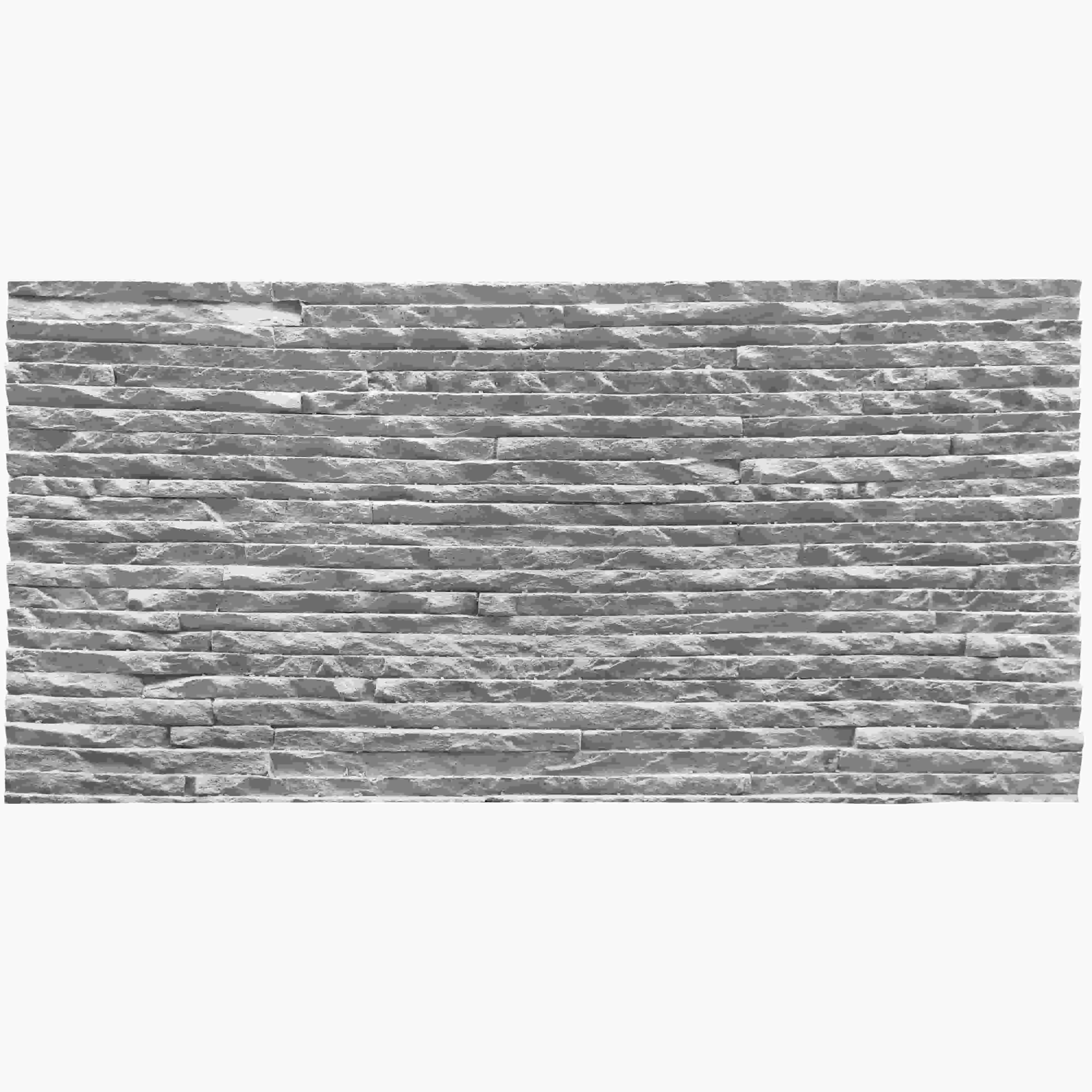
How a Sustainable Choice Transforms Spaces and Protects Our Planet
Picture this: You're standing in the lobby of a new community center, sunlight streaming through floor-to-ceiling windows. The walls are clad in a soft, light grey stone that feels both timeless and modern—its texture warm under your fingertips, its color shifting gently with the light. Later, you learn this "stone" isn't quarried from the earth. It's Muretto Stone (Light Grey), a product of innovative engineering that mimics the beauty of natural stone without the environmental toll. For homeowners, architects, and designers, moments like these are becoming more than just aesthetic wins; they're acts of care for the planet we share.
In recent years, the push for sustainability has moved from a niche concern to a mainstream priority. Yet, when it comes to building materials, many still default to natural stone—marble, granite, travertine—drawn to their classic allure. What if we told you there's a way to keep that elegance while treading lighter on the earth? Enter Muretto Stone (Light Grey), part of the broader MCM (Modified Composite Material) family, which is redefining what it means to build beautifully and responsibly.
To truly appreciate Muretto Stone (Light Grey), we first need to understand the environmental weight of traditional natural stone. Quarrying—whether for marble, granite, or limestone—involves heavy machinery tearing into mountainsides or digging deep into the earth. This process disrupts ecosystems, displaces wildlife, and leaves behind scars that can take decades (if not centuries) to heal. In regions like Italy's Carrara marble quarries or India's granite belt, deforestation and soil erosion are common side effects, turning once-lush areas into barren landscapes.
Then there's the water footprint. Cutting and polishing natural stone requires vast amounts of water—up to 30,000 liters per ton, by some estimates. In water-scarce regions, this strains local resources, leaving communities competing with industries for a life-sustaining resource. Transportation adds another layer: natural stone is heavy, and shipping it across continents (from quarries in Brazil to construction sites in Canada, for example) racks up significant carbon emissions. A single slab of granite can emit over 50kg of CO₂ during transport alone.
Waste is another bitter pill. For every ton of usable natural stone extracted, up to 3 tons become waste—broken slabs, dust, or offcuts that often end up in landfills. This waste isn't just "extra rock"; it's a loss of energy, water, and labor invested in extraction and processing. For architects and homeowners who care about minimizing their project's ecological footprint, these numbers are hard to ignore.
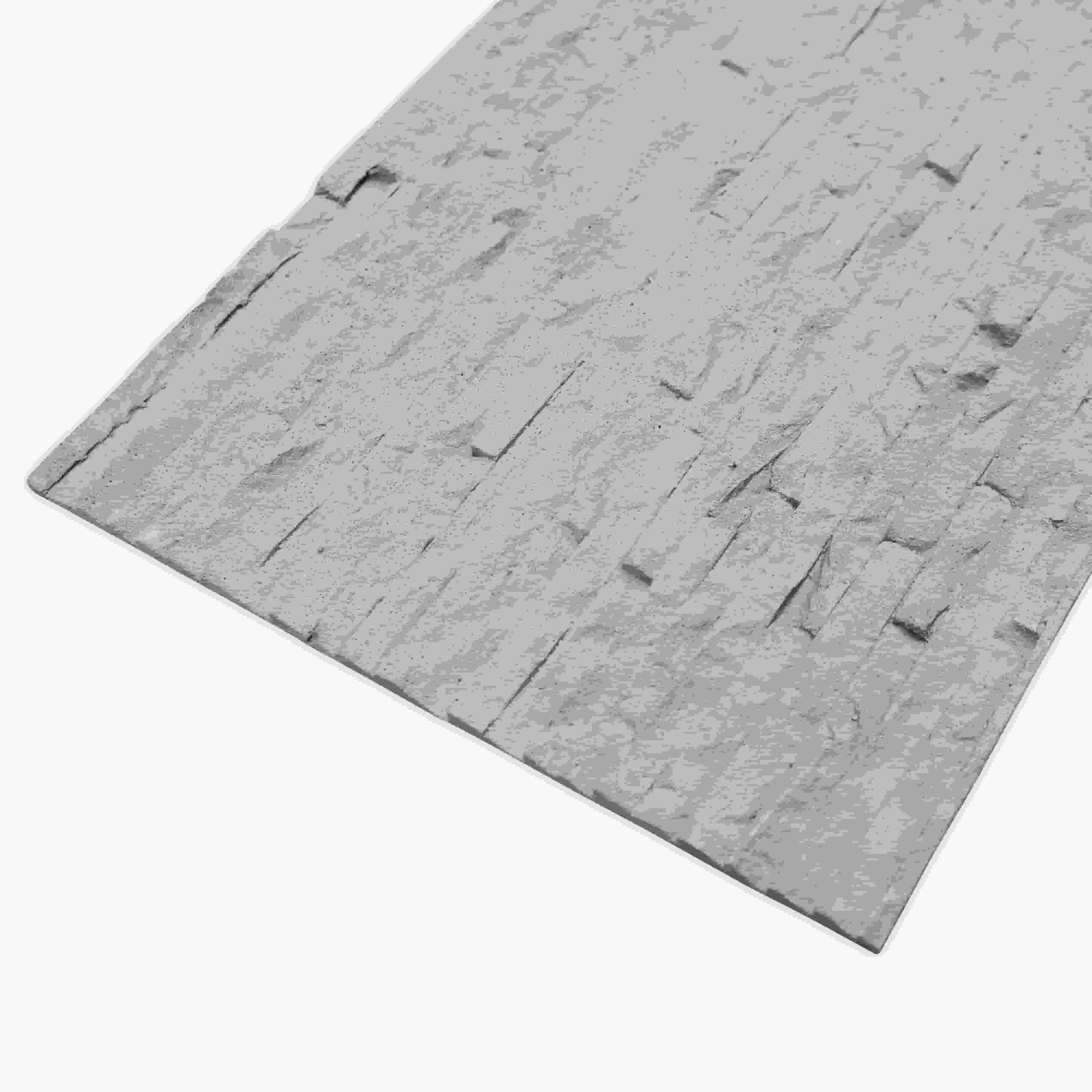
Muretto Stone (Light Grey) was born from a simple question: Why sacrifice the planet for beauty when you can have both? As part of the MCM product line, it's engineered to replicate the texture and visual appeal of natural stone—think the soft veining of light grey limestone or the subtle depth of weathered travertine—but with a manufacturing process that prioritizes sustainability from start to finish.
Let's start with materials. Unlike natural stone, which is mined, Muretto Stone (Light Grey) is made from recycled minerals, industrial byproducts (like fly ash from power plants), and a polymer binder. This not only reduces reliance on virgin resources but also diverts waste from landfills. Imagine taking materials that would otherwise pollute and turning them into a wall panel that makes a living room feel cozy or a restaurant facade feel inviting—that's the magic of MCM technology.
The manufacturing process is equally thoughtful. Traditional stone cutting guzzles energy and water; Muretto Stone (Light Grey), by contrast, uses a low-temperature pressing method that slashes energy use by up to 70%. Water consumption? Minimal—most of it is recycled within the production facility. And because it's a composite material, it can be molded into precise sizes and shapes, drastically reducing waste. Offcuts are ground down and reused in new panels, creating a closed-loop system that honors the "reduce, reuse, recycle" mantra.
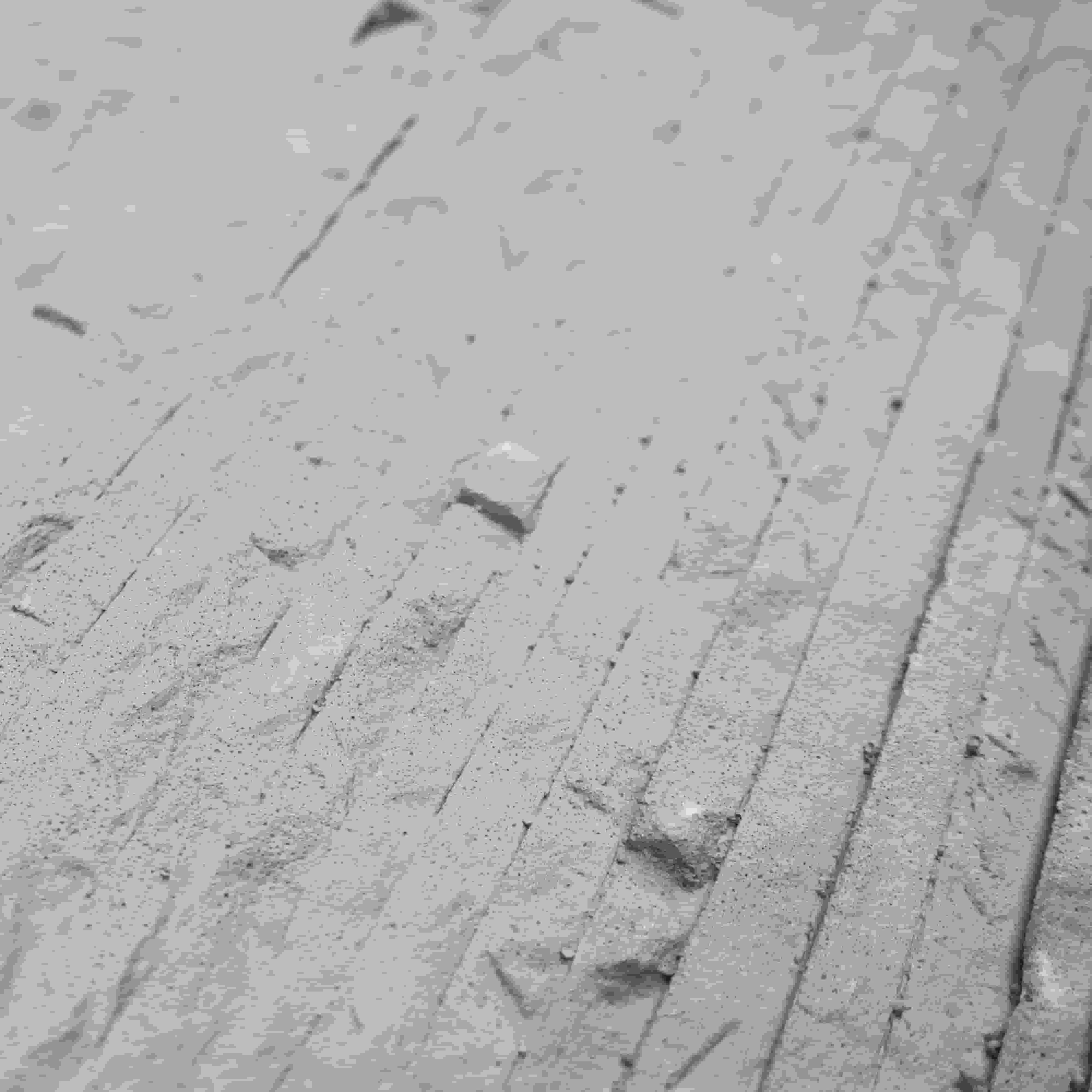
Durability is where Muretto Stone (Light Grey) truly shines. It's resistant to scratches, moisture, and UV rays—so that light grey hue won't fade after a few years of sun exposure, and a spilled glass of wine won't stain it. This longevity means less frequent replacement, which in turn reduces the need for new materials over time. For a homeowner planning to stay in their house for decades, or a business owner looking to minimize maintenance costs, that's a win-win: beauty that lasts, and a lower environmental impact over the product's lifecycle.
| Environmental Factor | Natural Stone | Muretto Stone (Light Grey) |
|---|---|---|
| Carbon Footprint | High (extraction, transport, processing) | Up to 80% lower (recycled materials, local production) |
| Water Usage | 30,000+ liters per ton | Less than 500 liters per ton (recycled water) |
| Waste Generation | 3 tons of waste per 1 ton usable stone | Less than 5% waste (offcuts recycled) |
| Durability | Prone to cracking, staining, and fading | Resistant to moisture, UV rays, and scratches (50+ year lifespan) |
| Resource Depletion | Requires mining virgin stone | Uses recycled materials and industrial byproducts |
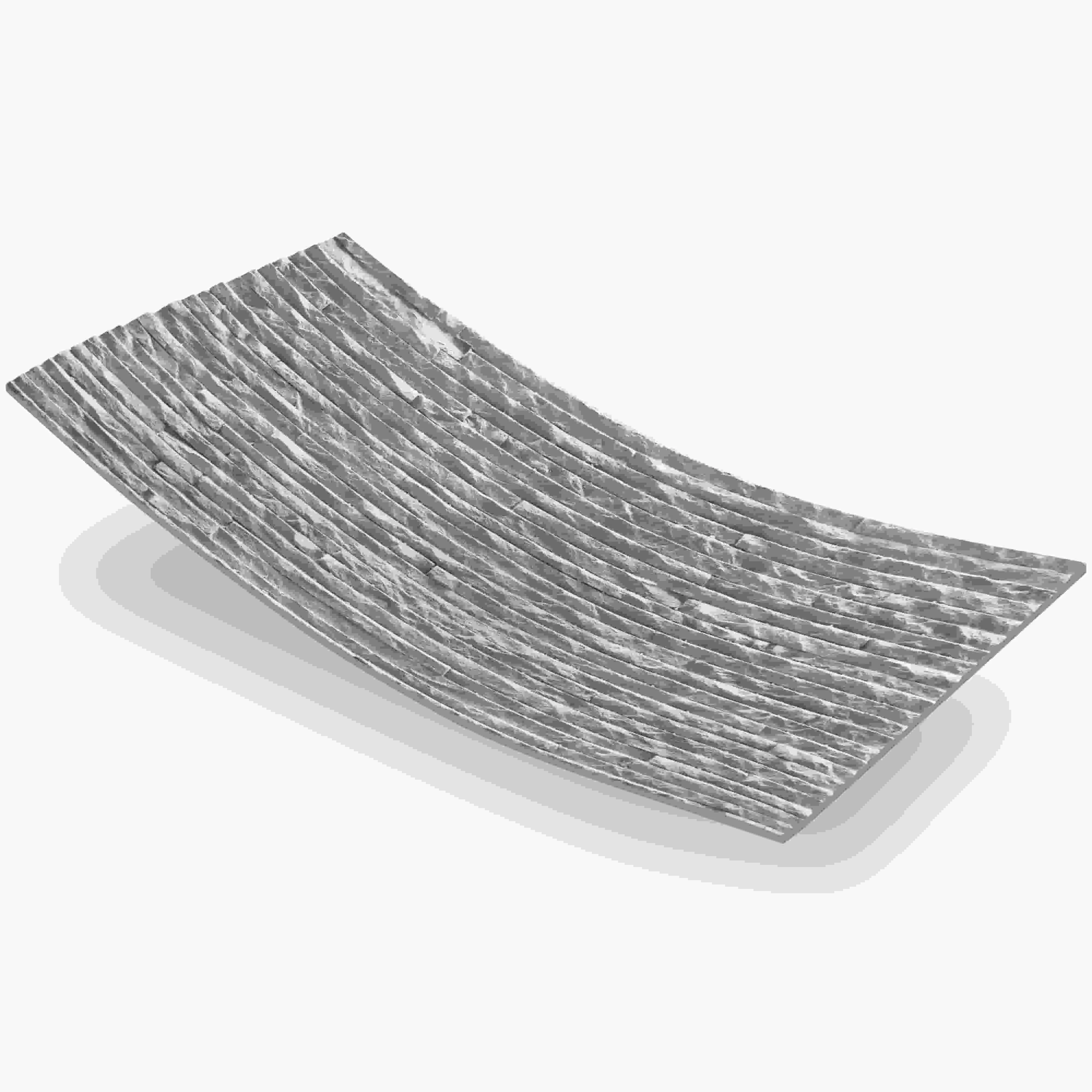
Muretto Stone (Light Grey) isn't alone in the MCM lineup—its siblings, like MCM flexible stone and MCM big slab board series, further expand the possibilities for eco-conscious design. Take MCM flexible stone, for example: thin, lightweight, and bendable, it can wrap around columns, curve over arches, or adhere to uneven surfaces that rigid natural stone can't. This versatility reduces the need for custom cutting (and thus waste) while letting architects get creative with shapes and textures.
Then there's the MCM big slab board series—large-format panels that cover more surface area with fewer seams. Fewer panels mean less installation time, lower labor costs, and less material waste. Imagine a commercial kitchen backsplash done in a single 4x8ft big slab board; not only does it look sleek, but it also cuts down on the number of joints where grime can build up, making maintenance a breeze. For busy homeowners or restaurant owners, that's a practical benefit with an eco-friendly bonus.
Even the finishes are designed with sustainability in mind. Products like travertine (starry green) or lunar peak silvery mimic the sparkle of natural stone without the need for resource-heavy mining. The foamed aluminium alloy board (vintage silver) adds a metallic sheen to facades but is 70% lighter than solid aluminium, slashing transportation emissions. It's clear: MCM isn't just about one product—it's a philosophy that sustainability and beauty can coexist in every corner of a building project.
It's one thing to talk about environmental benefits on paper; it's another to see them in action. Take Sarah, a homeowner in Portland, Oregon, who recently renovated her kitchen. She'd always dreamed of a marble backsplash but was horrified by the carbon footprint. "I couldn't justify tearing up a mountain for my countertops," she says. Then she discovered Muretto Stone (Light Grey). "It looks just like the Italian limestone I fell in love with, but I know it didn't hurt a single ecosystem. Every time I cook, I feel good about the choice—like I'm leaving a smaller footprint for my kids."
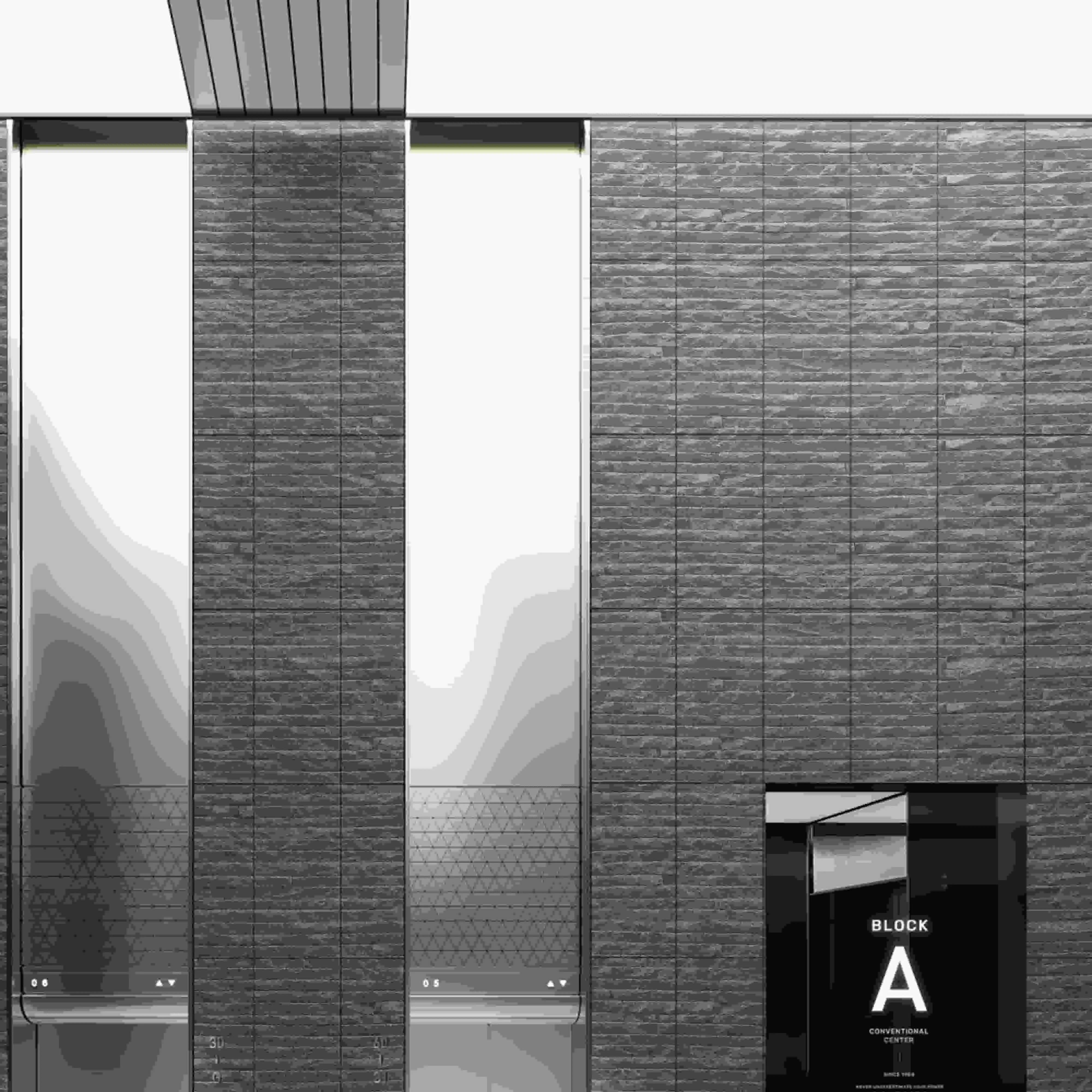
Or consider the team behind the GreenHaven Community Center in Austin, Texas. Tasked with building a LEED Platinum-certified facility, they chose MCM big slab boards for the exterior and Muretto Stone (Light Grey) for the interior lobby. "We needed materials that were durable, low-maintenance, and eco-friendly," says lead architect Miguel Santos. "The MCM panels checked all three boxes. Plus, the natural light plays off the light grey texture beautifully—visitors often comment on how warm and inviting the space feels, not just how 'green' it is."
Contractors, too, are singing MCM's praises. "Natural stone is heavy—we'd need extra crew just to move slabs," says Jake, a local contractor. "Muretto Stone (Light Grey) is lightweight, so installation is faster and safer. And because it's pre-finished, there's no dust from cutting on-site. Our clients love that their projects finish on time, and we love that we're not contributing to landfill waste with offcuts."
Choosing building materials might seem like a small decision in the grand scheme of things, but it's not. Every slab of natural stone replaced with Muretto Stone (Light Grey), every wall clad in MCM flexible stone, is a step toward a planet with healthier ecosystems, cleaner water, and lower carbon emissions. It's a choice that says, "I care about more than just how my space looks—I care about how it affects the world."
Muretto Stone (Light Grey) isn't just a product; it's a reminder that beauty doesn't have to come at a cost. It's the soft grey of a morning sky, the texture of weathered stone, and the peace of mind that comes from knowing you've built something that will stand the test of time—for your family, your community, and the planet. In a world where every choice matters, isn't that the most beautiful thing of all?
Recommend Products












