
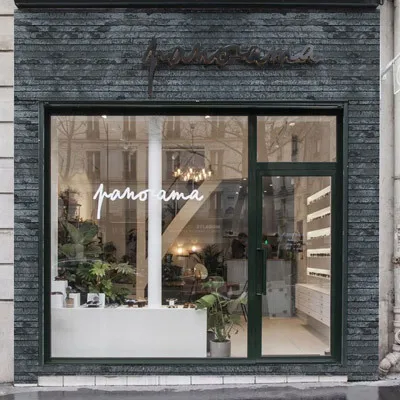
When Maria decided to build her dream home last year, she spent weeks poring over material samples. There were sleek concrete slabs, rustic wood, and then a lesser-known option: Muretto stone. At first, she leaned toward concrete—it was familiar, durable, and seemed budget-friendly. But as she dug deeper, she realized the choice wasn't just about aesthetics or cost. It was about the planet. That's the thing about building materials: they shape our spaces, and they shape our planet. Today, let's talk about one material that's quietly changing the game for sustainability: Muretto stone. And why, when compared to concrete, it might just be the green choice we've been waiting for.
Concrete is everywhere. It's in our homes, our offices, our roads. It's the backbone of modern construction, and for good reason: it's strong, versatile, and affordable. But here's what most of us don't think about when we see a concrete wall or floor: the environmental price tag.
Let's start with CO2 emissions. The production of cement—the key ingredient in concrete—accounts for about 8% of global CO2 emissions, according to the International Energy Agency. That's more than the entire aviation industry. How? When limestone is heated to high temperatures in kilns, it releases CO2 as part of a chemical reaction. Then there's the energy needed to run those kilns, often powered by fossil fuels, adding even more emissions to the mix.
But it's not just about carbon. Concrete production is thirsty work. It takes about 200 liters of water to make one cubic meter of concrete, and with water scarcity affecting millions worldwide, that's a significant strain. Then there's the sand. Not the kind you find at the beach—construction sand, a specific type of granular material that's being mined at unsustainable rates. Rivers are being dredged, ecosystems disrupted, and coastal areas eroded to feed the demand for concrete.
And once concrete structures reach the end of their life, they're often dumped in landfills, where they don't break down. It's a linear process: extract, make, use, discard—with little regard for the planet's limits.
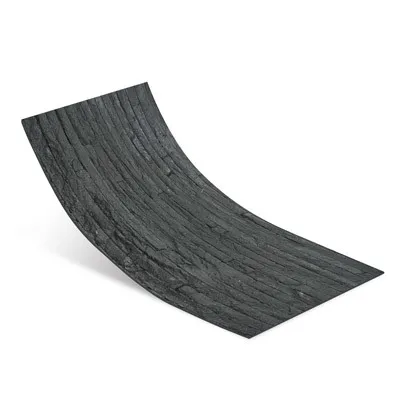
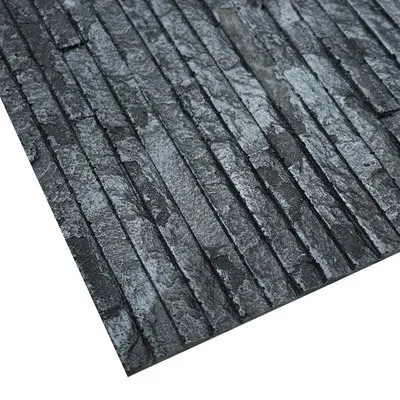
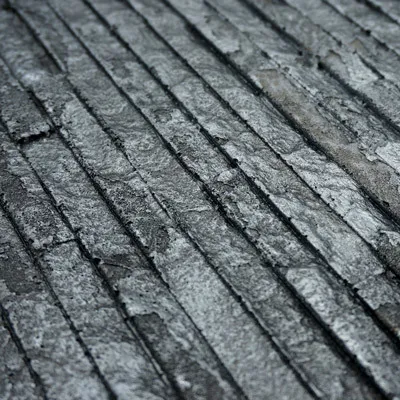
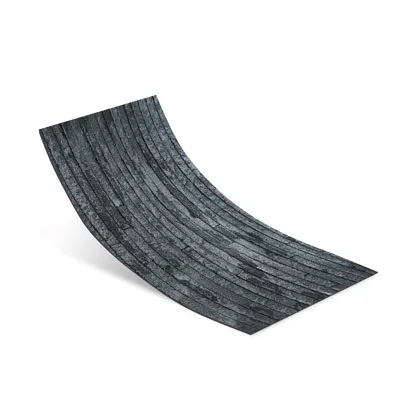
Enter Muretto stone. If concrete is the old guard, Muretto stone is the new kid on the block—quietly proving that sustainability and durability can go hand in hand. Part of the broader family of MCM (Modified Composite Material) products, Muretto stone is a type of flexible stone, designed to mimic the look and feel of natural stone but with a fraction of the environmental impact.
So what makes Muretto stone different? Let's start with what it's made of. Unlike concrete, which relies heavily on cement and virgin resources, Muretto stone often uses recycled or reclaimed materials, bound together with advanced polymers. This not only reduces the need for extracting raw resources but also gives new life to materials that might otherwise end up in landfills.
The manufacturing process is another win. Instead of high-temperature kilns that guzzle energy, Muretto stone is often produced using low-heat pressing or curing methods. This cuts down on energy use—and thus, carbon emissions—by up to 60% compared to traditional stone or concrete production, according to industry reports. And because it's a flexible material, Muretto stone is thinner and lighter than concrete or natural stone. That means less material is needed to cover the same area, reducing overall resource consumption. It also makes transportation easier: lighter materials mean fewer trucks on the road, which translates to lower emissions during delivery.
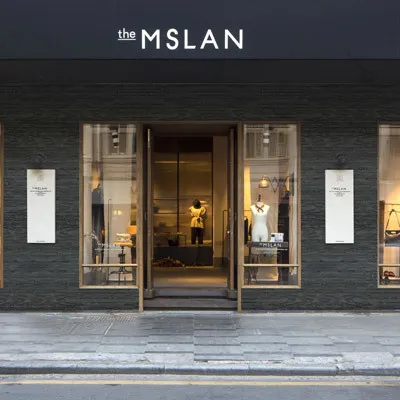
So, how exactly does Muretto stone stack up against concrete when it comes to the environment? Let's break it down.
Lower Carbon Footprint: As we mentioned, Muretto stone's manufacturing process emits far less CO2 than concrete. But it's not just during production. Because it's lighter, transporting Muretto stone requires less fuel, further reducing its carbon lifecycle.
Resource Conservation: Muretto stone often incorporates recycled aggregates, reducing the demand for virgin sand and gravel. Some variants even use waste materials from other industries, turning what was once trash into a valuable building resource.
Water Efficiency: Water usage is another area where Muretto stone shines. Its production typically requires 70-80% less water than concrete manufacturing, a critical advantage in regions facing water scarcity.
Minimal Waste: Because it's a flexible material, Muretto stone is easier to install with minimal waste. Traditional concrete often results in cut-offs and scraps that are discarded, but Muretto's flexibility means it can be shaped to fit without generating as much waste.
Longevity: Durability is key too. A common argument for concrete is its longevity, but Muretto stone is no slouch. It's resistant to weathering, cracking, and fading, meaning it lasts just as long—if not longer—in many applications. That longevity translates to less frequent replacement, reducing the environmental impact over the material's lifecycle.
End-of-Life Solutions: Finally, there's the end-of-life scenario. While concrete can be crushed and reused as aggregate, Muretto stone's composition often allows for easier recycling or even biodegradation in some cases, depending on the materials used. This closes the loop, moving us away from a linear 'take-make-dispose' model toward a circular economy.
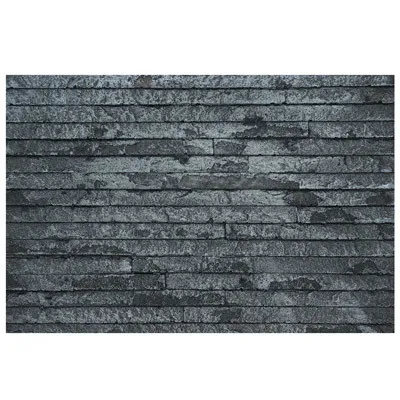
| Environmental Metric | Concrete | Muretto Stone |
|---|---|---|
| CO2 Emissions (kg per m²) | 85-100 | 20-30 |
| Water Usage (liters per m²) | 180-220 | 35-50 |
| Energy Consumption (kWh per m²) | 15-20 | 4-6 |
| Virgin Resource Dependence | High (sand, limestone, gravel) | Low (recycled aggregates, waste materials) |
| Waste During Installation | 10-15% of material | 2-5% of material |
| Estimated Lifespan (years) | 50-70 | 60-80 |
Don't just take our word for it—real projects are already showing the difference Muretto stone can make. Take the GreenHaven Community in Portland, Oregon, a residential development that chose Muretto stone for its exterior cladding and patio surfaces. By opting for Muretto over concrete, the project reduced its carbon footprint by an estimated 45% compared to similar developments using traditional materials. The developers also reported a 30% reduction in water usage during construction and less waste sent to landfills.
"We wanted to build homes that our residents could be proud of—not just for their beauty, but for their impact on the planet," says Sarah Lopez, lead architect on the project. "Muretto stone checked all the boxes: it looked great, performed well, and aligned with our sustainability goals."
Another example is the Riverfront Office Park in Austin, Texas, which used Muretto stone for its lobby walls and outdoor walkways. The project qualified for LEED Platinum certification, in part due to the use of green building materials like Muretto stone. "Clients are increasingly asking for sustainable options, and Muretto stone makes it easy to deliver without compromising on design," notes Mark Chen, a construction manager who worked on the project. "It's a win-win: better for the environment, and better for business."
Muretto stone isn't just a one-off innovation—it's part of a larger shift toward green building materials. As awareness of climate change grows, architects, builders, and homeowners are seeking out options that minimize environmental harm. Flexible stone technologies, like those used in Muretto stone, are at the forefront of this movement. They offer the aesthetic appeal of natural stone or concrete with the sustainability benefits the planet needs.
And it's not just Muretto stone. Other materials like foamed aluminium alloy board (which uses recycled aluminum and offers excellent insulation) and flexible stone cladding are gaining traction. These materials share a common goal: to provide high-performance building solutions with low environmental impact.
The rise of green building materials is also being supported by policy. Governments around the world are introducing incentives for sustainable construction, from tax breaks to stricter building codes that favor low-carbon materials. This means that choosing materials like Muretto stone isn't just good for the planet—it's increasingly good for the bottom line too.
Building and renovating are acts of creation, but they're also acts of responsibility. Every choice we make—from the paint on the walls to the stone on the floors—ripples outward, affecting the environment for decades to come. Concrete has served us well, but its time as the default building material may be coming to an end, replaced by options that honor both human needs and planetary limits.
Muretto stone is more than just a building material; it's a statement. It's a choice to prioritize the planet without sacrificing quality, durability, or beauty. And as more people and projects embrace materials like Muretto stone, flexible stone, and other green building materials, we move closer to a future where construction and conservation go hand in hand.
So the next time you're faced with a material choice—whether for a home, an office, or a community space—remember: the stones we lay today build the world we'll live in tomorrow. Choose wisely. Choose sustainably. Choose Muretto stone.
Recommend Products












