
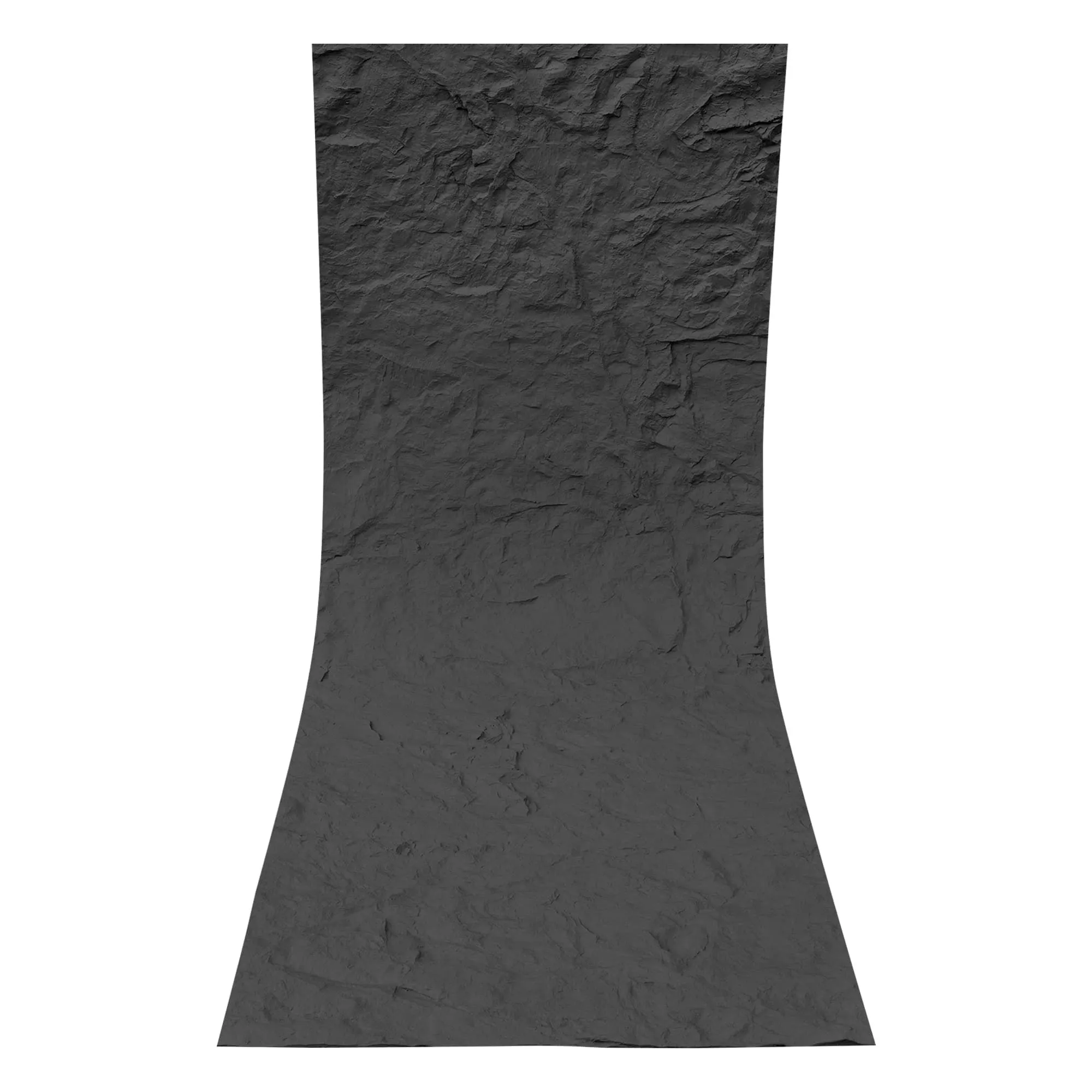
Walk down any street, and your eyes will trace the story of a city—carved into the walls of buildings, the texture of facades, the materials that cradle our daily lives. From the rough-hewn brick of a historic townhouse to the sleek glass of a modern skyscraper, every surface whispers choices: about aesthetics, function, and quietly, about our relationship with the planet. In an era where sustainability isn't just a buzzword but a responsibility, the materials we build with carry more weight than ever. Today, let's talk about one such material that's redefining what it means to build green: the Vintage Black Boulder Slab, a standout in MCM's innovative Big Slab Board Series. More than just a pretty face, this material is a love letter to both design and the Earth—and here's why that matters.
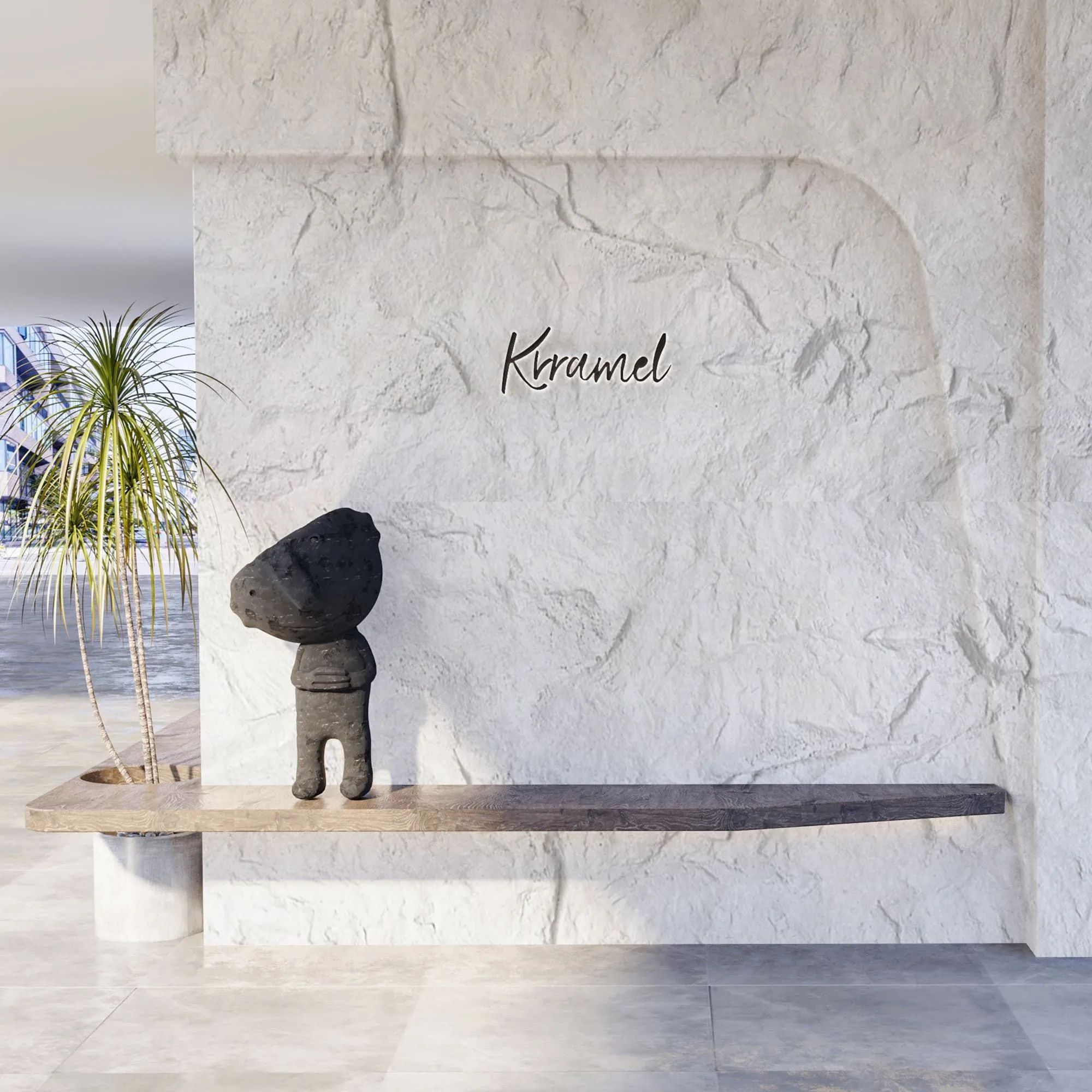
First, let's get to know it. The Vintage Black Boulder Slab isn't your average building material. Part of MCM's renowned Big Slab Board Series, it's born from a blend of cutting-edge technology (hello, MCM 3D Printing Series) and a deep respect for natural aesthetics. Run your hand over its surface, and you'll feel the warmth of a material that mimics the rugged beauty of natural stone—think the weathered charm of a mountain boulder, smoothed by time—without the environmental toll of quarrying raw rock. Its rich, inky black hue is flecked with subtle metallic undertones, giving it depth that shifts with light, making it as versatile as it is striking. Whether used as an accent wall in a cozy café or cladding an entire office building, it brings a sense of groundedness, like bringing a piece of the outdoors in.
But what truly sets it apart is how it's made. Unlike traditional stone slabs, which require heavy machinery to cut and shape—often resulting in 30% or more waste material—Vintage Black Boulder Slab is crafted using MCM's precision 3D printing technology. This means every slab is built layer by layer, with minimal excess. It's a marriage of innovation and consciousness, proving that you don't have to sacrifice beauty for sustainability. And since it's part of MCM's Flexible Stone lineup, it's lightweight too—reducing the need for heavy structural support and cutting down on transportation emissions during installation. Smart, right?
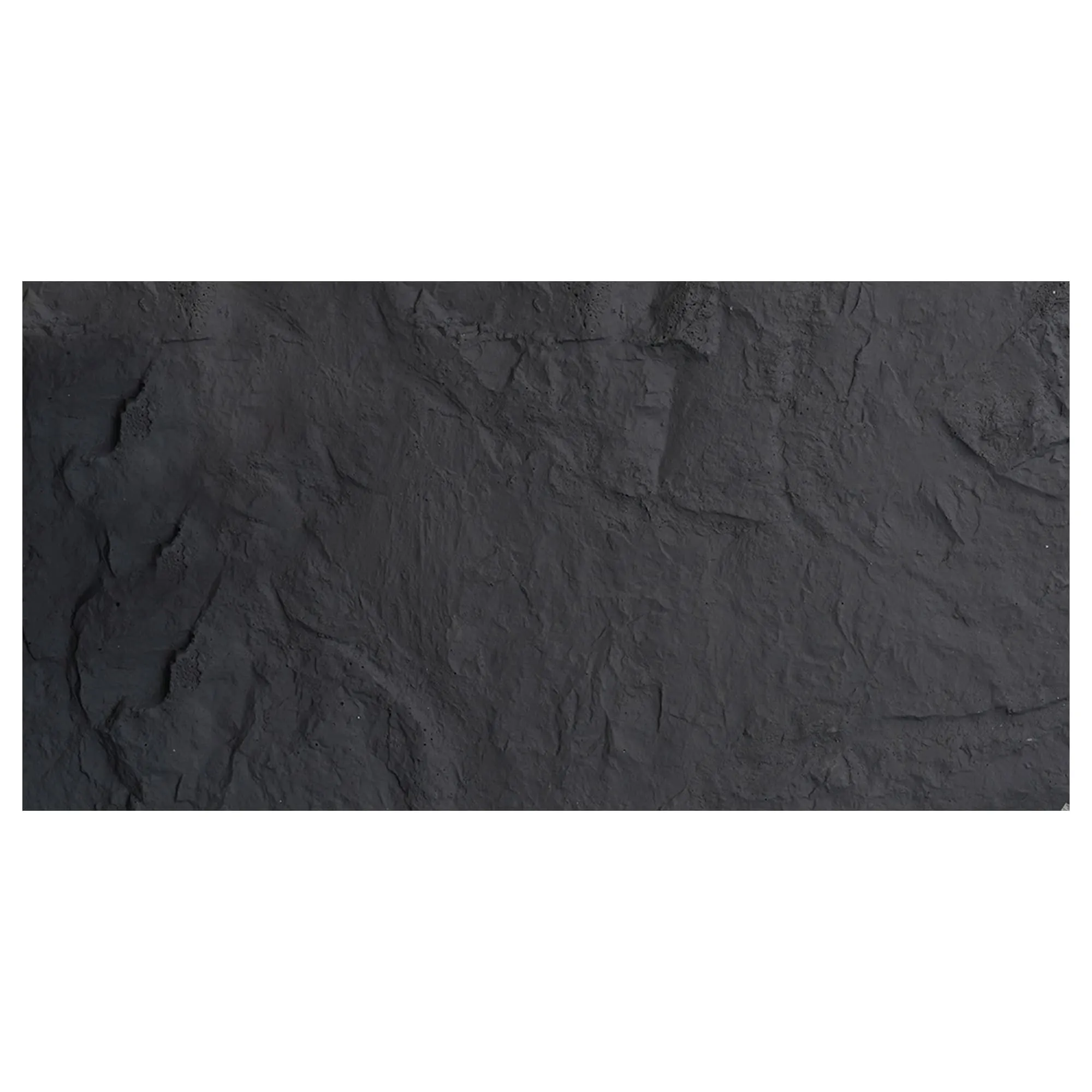
Let's break down the green credentials, because numbers tell a story too. When we talk about sustainable building materials, we need to look at the full lifecycle: from sourcing to manufacturing, use, and even disposal. Vintage Black Boulder Slab shines at every stage.
Sourcing: Kind to the Earth's Crust
Traditional natural stone—like marble or granite—requires quarrying, which can disrupt ecosystems, contribute to soil erosion, and deplete non-renewable resources. The Vintage Black Boulder Slab, on the other hand, uses a blend of recycled aggregates and responsibly sourced minerals. MCM's commitment to reducing quarrying impact means less land disturbance, fewer destroyed habitats, and a smaller carbon footprint from extraction. It's building with the planet, not against it.
Manufacturing: Less Waste, More Wisdom
Waste is the silent villain of construction. According to the Environmental Protection Agency, the construction industry generates over 600 million tons of waste annually in the U.S. alone. Vintage Black Boulder Slab fights this head-on. Thanks to MCM's 3D printing process, material waste is cut by up to 80% compared to traditional stone cutting. Imagine: instead of hacking away at a block of stone and discarding huge chunks, the slab is built precisely to size, layer by layer. That's less landfill, less energy spent on processing excess material, and a manufacturing process that's as efficient as it is innovative. Plus, MCM's factories run on renewable energy where possible, further slashing the carbon footprint of production.
Durability: Built to Last (So We Don't Have to Rebuild)
Sustainability isn't just about what's used to make a material—it's about how long it lasts. A material that needs replacing every 10 years is no better than a disposable plastic bottle. Vintage Black Boulder Slab is built tough. It's resistant to water, UV rays, and temperature fluctuations, meaning it won't fade, crack, or degrade easily. Whether facing the harsh sun of a desert climate or the freezing rains of a northern winter, it holds its own. This longevity translates to less frequent replacements, which in turn means less demand for new materials, less waste, and lower long-term costs (both financial and environmental). It's the definition of "buy once, buy well"—but for buildings.
End-of-Life: Closing the Loop
Even the most durable materials eventually reach the end of their lifecycle. But here's the kicker: Vintage Black Boulder Slab is fully recyclable. When a building is renovated or demolished, the slabs can be ground down and repurposed as aggregate for new MCM products or other construction materials. No need for it to end up in a landfill. This circular approach is a game-changer, turning "waste" into a resource and ensuring the material's impact doesn't end when its first life does.
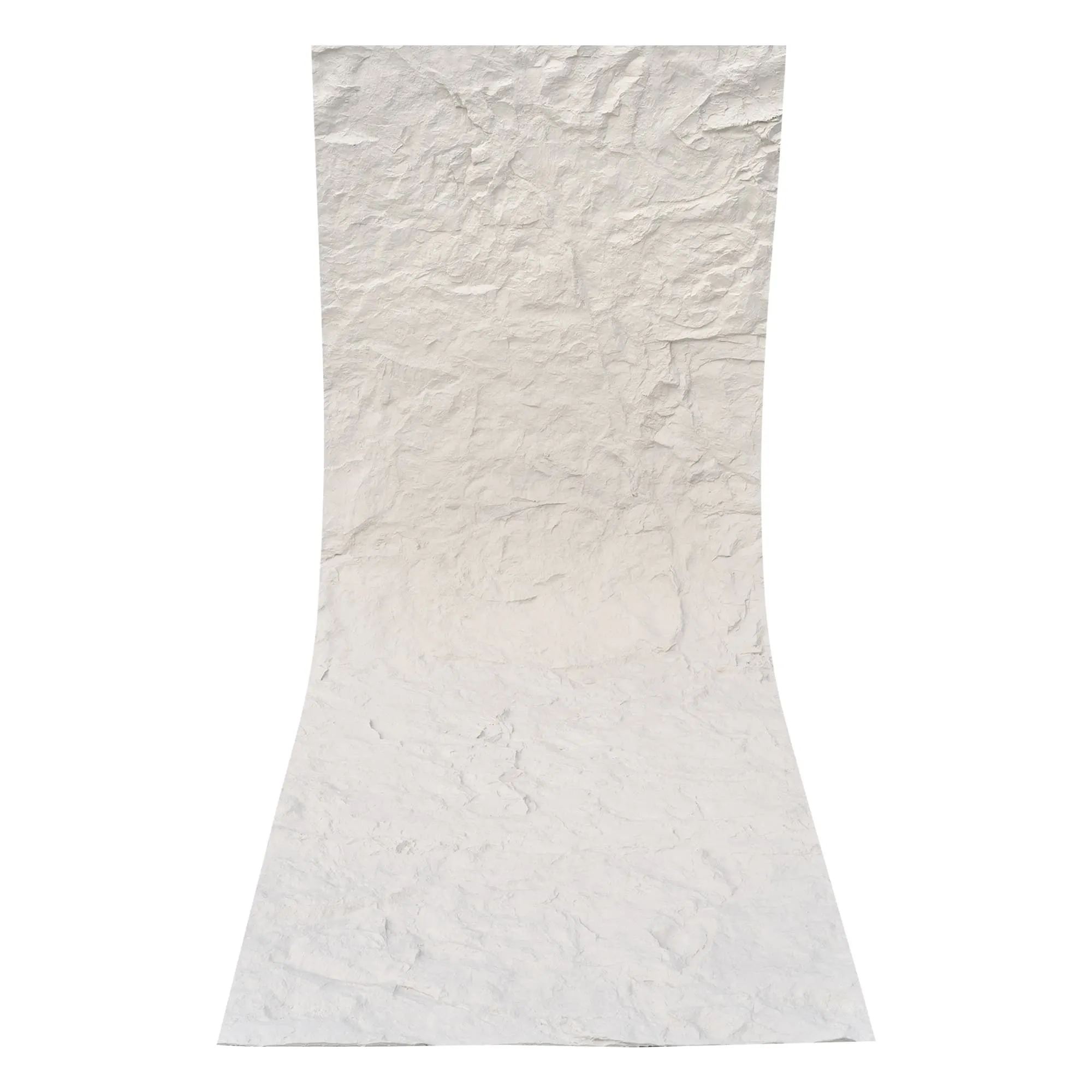
To really see the difference, let's compare Vintage Black Boulder Slab to some common alternatives. We'll look at four key areas: sourcing impact, manufacturing waste, lifespan, and recyclability.
| Aspect | Vintage Black Boulder Slab | Fair-Faced Concrete | Travertine (Starry Blue) | Foamed Aluminium Alloy (Vintage Silver) |
|---|---|---|---|---|
| Sourcing Impact | Uses recycled aggregates; minimal quarrying | High demand for sand/gravel; depletes riverbeds | Requires quarrying natural travertine; disrupts ecosystems | Aluminium mining is energy-intensive and polluting |
| Manufacturing Waste | ~5-10% waste (3D printing precision) | ~15-20% waste (formwork and excess concrete) | ~25-30% waste (traditional cutting) | ~10-15% waste (machining and shaping) |
| Lifespan | 50+ years (resistant to weathering) | 20-30 years (prone to cracking, staining) | 30-40 years (porous; requires sealing) | 30-40 years (prone to dents/scratches) |
| Recyclability | Fully recyclable; repurposed as aggregate | Limited recycling; often ends in landfills | Non-recyclable; crushed for fill at best | Recyclable but energy-heavy process |
The verdict? Vintage Black Boulder Slab outperforms in nearly every category, proving that sustainability and durability can go hand in hand. Take Travertine (Starry Blue), another beautiful MCM product—while it's stunning, its natural sourcing means a higher environmental impact. Fair-faced concrete, a staple in modern construction, simply can't match the lifespan or recyclability. And Foamed Aluminium Alloy, though lightweight, relies on energy-heavy mining. Vintage Black Boulder Slab? It's the sweet spot where innovation meets responsibility.
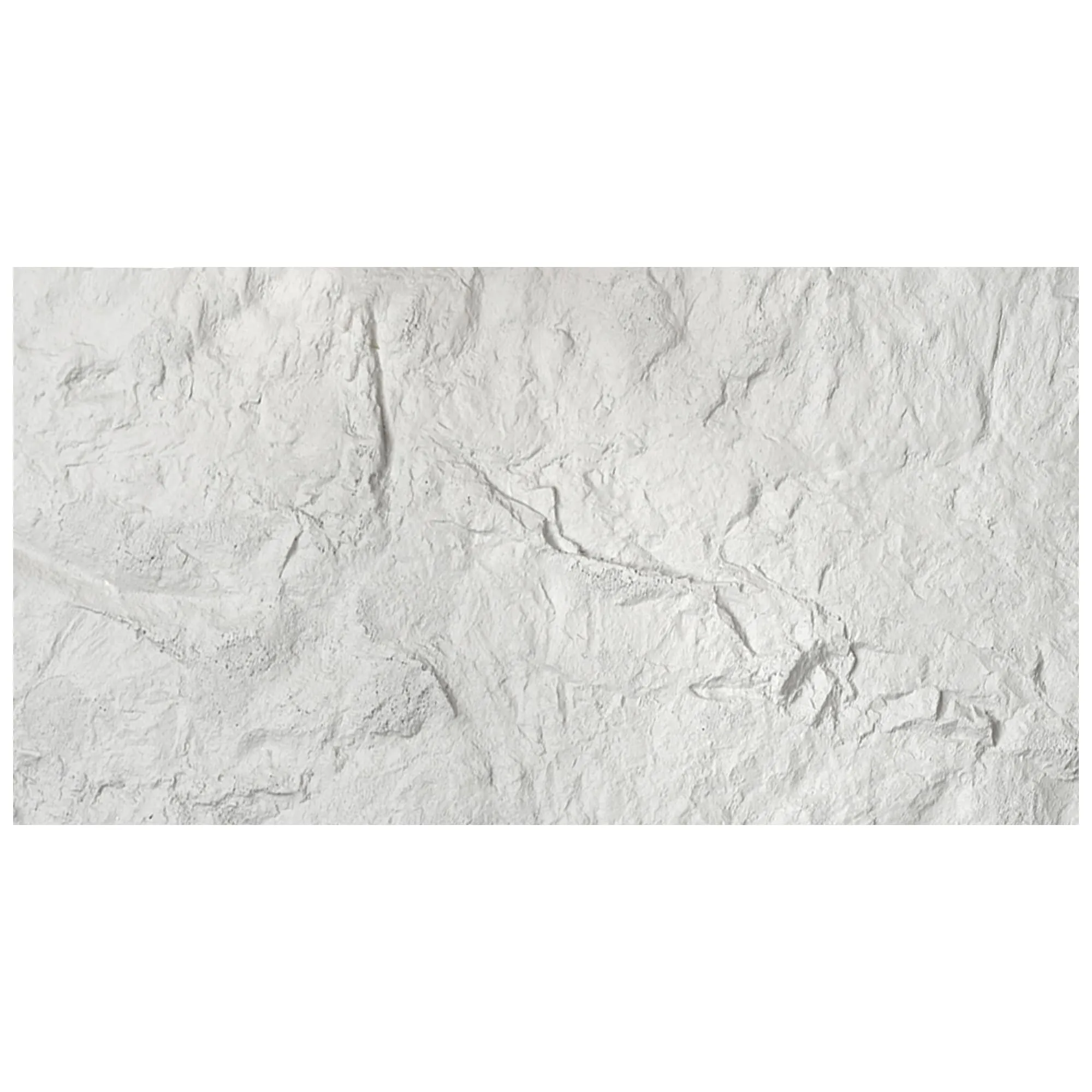
Let's move beyond the specs and talk about real places. In downtown Portland, a new community center recently chose Vintage Black Boulder Slab for its exterior cladding. The design team wanted something that felt welcoming but durable, and that aligned with the center's mission of sustainability. The result? A building that stands out for its sleek, modern look, but more importantly, one that's projected to have 40% lower carbon emissions over its lifetime compared to using traditional stone. Local residents love it—not just for how it looks, but for what it represents: a space built with their grandchildren in mind.
Over in Seattle, a boutique hotel used the slab for its lobby walls. The lightweight nature of MCM's Flexible Stone meant the building's foundation didn't need extra reinforcement, saving on construction time and materials. Guests often comment on how the walls "feel alive," like being in a modern cave with a luxurious twist. And the hotel's owners? They're already seeing savings on maintenance costs, thanks to the slab's resistance to scuffs and stains. It's a win for design, a win for the budget, and a win for the planet.
You might be thinking, "I'm not an architect or a builder—how does this affect me?" Here's the thing: every building we interact with—our homes, offices, favorite coffee shops—shapes our daily experience. And every material in those buildings has a story. Choosing materials like Vintage Black Boulder Slab isn't just up to the pros; it's a cultural shift. When we demand sustainable options, we push the industry to do better. When we appreciate buildings that are as kind to the Earth as they are to our eyes, we vote with our attention and our wallets.
Next time you walk past a new development or step into a renovated space, take a moment to notice the walls. Ask: What's this made of? What impact did it have to get here? Materials like Vintage Black Boulder Slab are proof that we don't have to choose between a beautiful world and a healthy one. They're proof that innovation can honor both the planet and our desire for spaces that inspire.
The Vintage Black Boulder Slab is more than a building material. It's a statement. It says, "We care about the details—the ones you see, and the ones you don't." It says that sustainability and beauty aren't opposites, but partners. In a world where our choices echo for generations, choosing materials that respect the Earth is one of the most powerful ways to build a legacy—one that future us will thank us for.
So here's to the builders, the designers, and the everyday people who notice. Here's to materials that work with the planet, not against it. And here's to the Vintage Black Boulder Slab: a small piece of the puzzle, but a big step toward a greener, more beautiful world.
Recommend Products












