
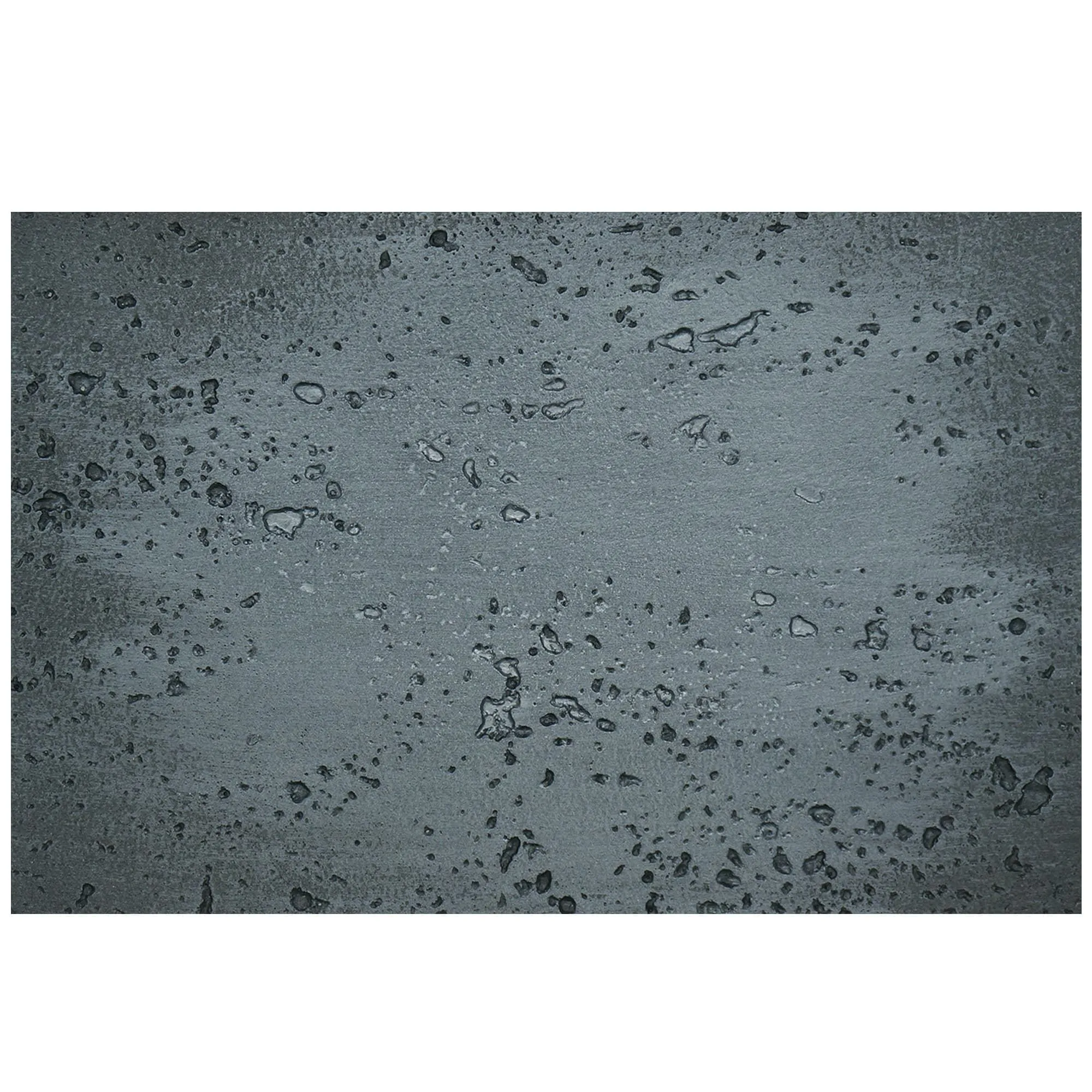
There's something undeniably captivating about natural stone. Walk into a luxury hotel lobby or a high-end restaurant, and chances are you'll find walls or floors clad in travertine, marble, or granite—materials that evoke timelessness, elegance, and a connection to the earth. Travertine, in particular, with its warm tones and unique veining, has been a favorite for centuries, from ancient Roman amphitheaters to modern minimalist homes. The vintage silver variant, with its soft metallic sheen, adds a touch of understated luxury that designers and homeowners adore. But here's the thing: that beauty often comes with a hidden cost—one that's paid by our planet. Let's talk about why, when it comes to sustainability, MCM (Modified Composite Material) might just be the smarter, more responsible choice.
Let's start with where travertine (vintage silver or otherwise) comes from. Natural travertine forms in mineral-rich hot springs, where calcium carbonate deposits build up over thousands of years. To turn that natural formation into the slabs we see in buildings, miners have to extract it from quarries—large, open pits carved into the earth. Quarrying isn't a gentle process. Heavy machinery tears into the landscape, stripping away topsoil, vegetation, and habitats. In regions like Tuscany, Italy, or Denizli, Turkey—major travertine producers—quarries have expanded over time, eating into forests and disrupting local ecosystems. Imagine a hillside once teeming with olive trees and wildlife, now reduced to a scarred expanse of dust and rock. That's the reality of travertine extraction.
Then there's the carbon footprint. Quarrying equipment runs on diesel, and transporting massive stone blocks from quarries to processing plants (often across continents) guzzles fuel. A single slab of travertine can weigh hundreds of pounds; shipping it from Turkey to the U.S., for example, releases significant CO2 emissions. Once at the processing plant, cutting, polishing, and finishing the stone requires even more energy—water is used to cool saws, and electricity powers grinders and polishers. And here's another hard truth: for every slab of travertine that makes it to market, tons of waste material are left behind. Quarries generate heaps of rock dust and offcuts that often end up in landfills, and the water used in processing can become contaminated with chemicals, seeping into local waterways.
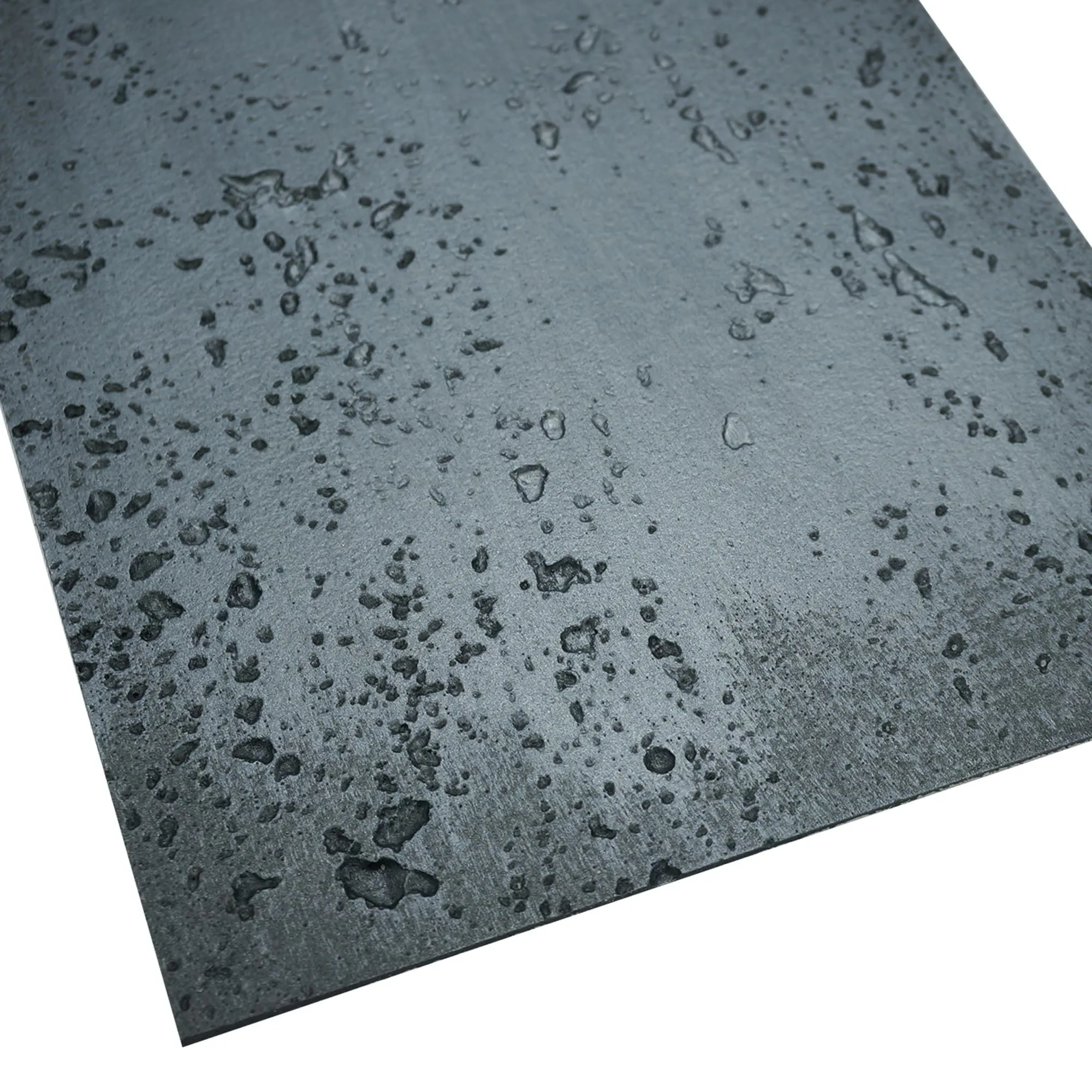
MCM, or Modified Composite Material, isn't a new fad—it's a thoughtful response to the environmental challenges of traditional building materials. Think of it as stone's eco-conscious cousin: it mimics the look and texture of natural materials like travertine, marble, or granite, but it's made from a blend of natural minerals, recycled polymers, and industrial byproducts (like stone dust or fly ash). The result? A material that looks just as stunning as natural stone but leaves a fraction of the environmental footprint.
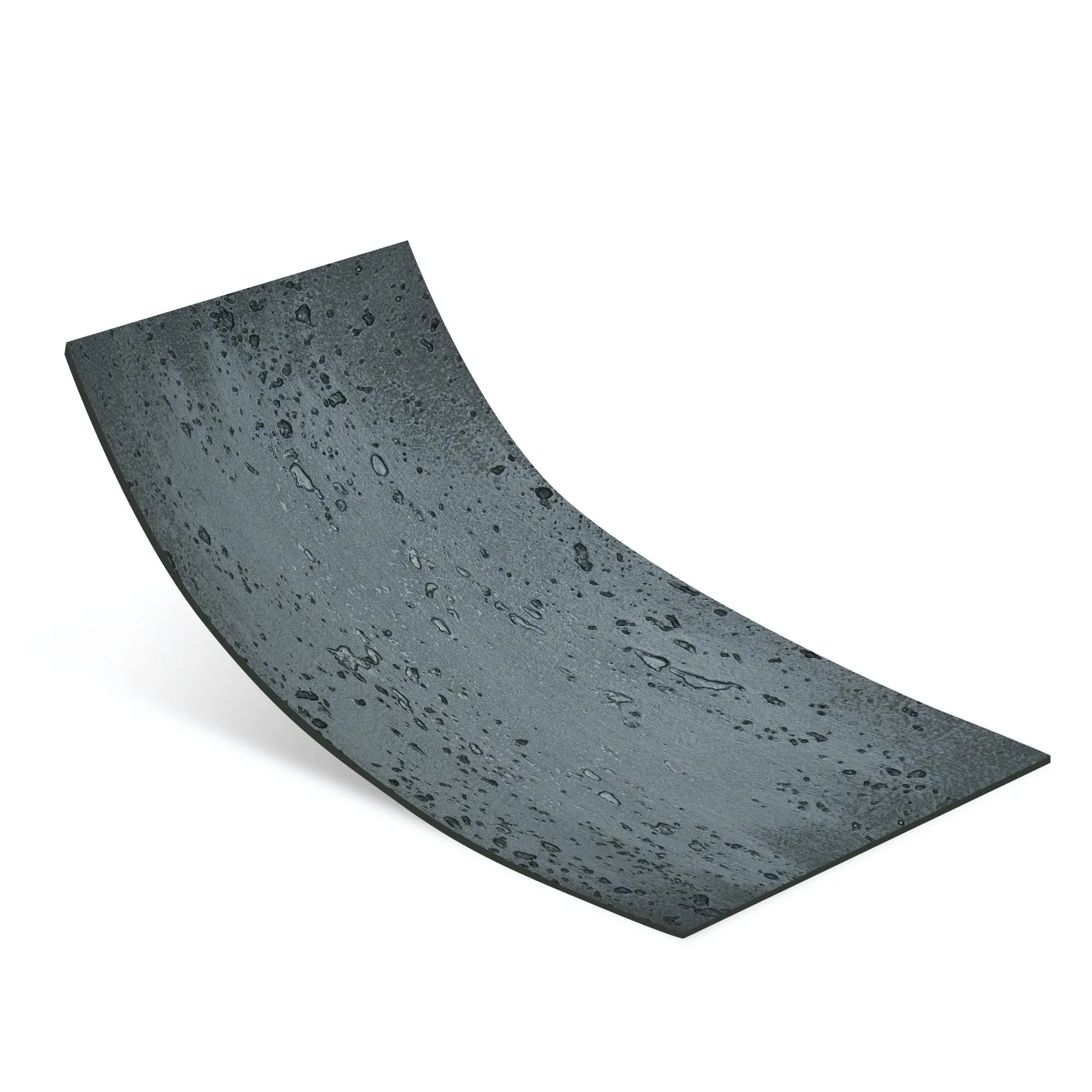
What makes MCM so versatile is its range of products. There's MCM flexible stone, which is thin enough to bend around curved surfaces—a feat natural travertine (vintage silver or not) can't match without cracking. Then there's the MCM big slab board series, which offers the grand, seamless look of large natural stone slabs but at a fraction of the weight. And it's not just stone-like finishes: MCM includes options like foamed aluminium alloy board (vintage silver or gold), which mimics metal with a lightweight, durable design. The key here is that MCM is engineered to be both beautiful and responsible.
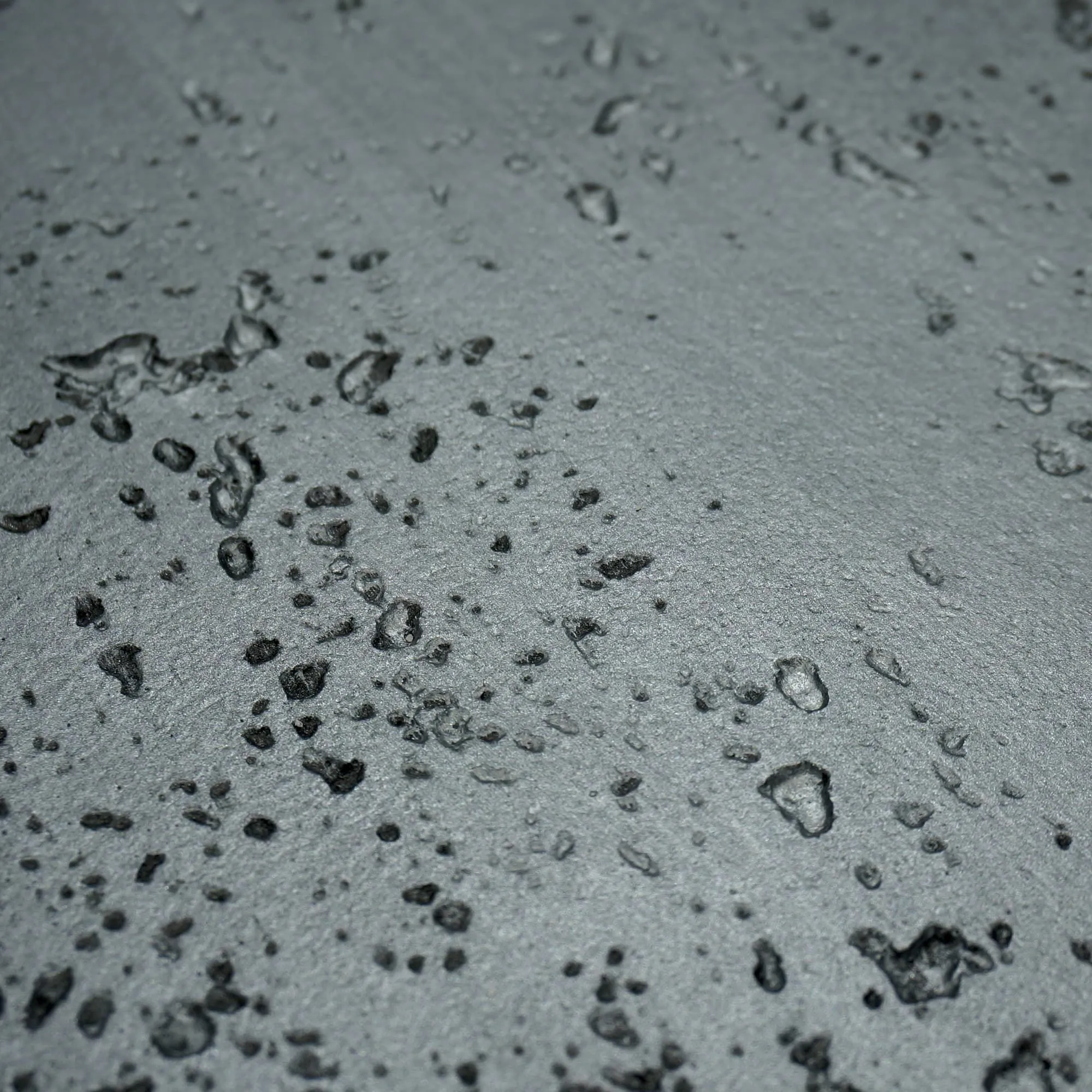
Now, let's get to the heart of it: why is MCM better for the planet than natural travertine (vintage silver)? Let's break it down.
Natural travertine is a finite resource. It takes thousands of years to form, and once quarried, it's gone forever. MCM, on the other hand, uses a fraction of the raw natural materials. Many MCM products incorporate recycled content—like stone dust from marble quarries that would otherwise go to waste, or recycled plastic polymers. By repurposing these materials, MCM reduces the need to extract new resources, easing pressure on fragile ecosystems. For example, the MCM flexible stone series uses up to 30% recycled minerals, turning waste into something beautiful.
Let's talk numbers (even if they're simplified). Quarrying and transporting natural travertine (vintage silver) emits an estimated 20-30 kg of CO2 per square meter. MCM production, by contrast, is far more energy-efficient. Since MCM is made in controlled factory settings, manufacturers can optimize energy use—using solar power, for example, or recycling heat from production processes. Plus, MCM is lightweight: a sheet of MCM flexible stone weighs about 3-5 kg per square meter, compared to 20-30 kg for natural travertine. That means less fuel is needed to transport it, and installation requires fewer workers and less heavy machinery—all of which cuts down on emissions.
Quarries are notoriously wasteful. For every ton of natural travertine extracted, up to 50% ends up as waste—rock that's too cracked, too small, or doesn't have the right veining. MCM changes that. Since it's engineered in factories, production is precise. Manufacturers can create sheets or slabs to exact measurements, reducing offcuts. What little waste is generated during production is often recycled back into the manufacturing process. Even better, MCM's lightweight design means less waste during installation: no more breaking heavy slabs or trimming large pieces to fit—installers can cut MCM with standard tools, and leftover scraps are minimal.
Natural travertine is porous, which means it stains easily and can etch when exposed to acids (like lemon juice or vinegar). Over time, it wears down, requiring resurfacing or replacement—adding to its lifecycle environmental impact. MCM, though, is designed to be tough. It's water-resistant, scratch-resistant, and UV-stable, so it won't fade in sunlight. The MCM big slab board series, for example, can withstand heavy foot traffic in commercial spaces for decades without showing significant wear. That durability means fewer replacements, which translates to less demand for new materials and less waste in the long run.
One of the biggest advantages of MCM is its flexibility—literally. MCM flexible stone can be applied to curved walls, columns, or even furniture, opening up design possibilities that natural travertine (vintage silver) can't match. Because it's lightweight, it can be used in high-rise buildings without adding extra structural support, reducing the need for steel or concrete reinforcements (which have their own environmental costs). And with options like foamed aluminium alloy board (vintage gold or silver), MCM lets designers mix textures and finishes without switching between multiple materials—each with its own extraction and production footprint.
| Environmental Factor | Natural Travertine (Vintage Silver) | MCM (e.g., MCM Flexible Stone, Big Slab Board Series) |
|---|---|---|
| Resource Depletion | Requires mining finite, non-renewable stone deposits | Uses recycled materials and minimal raw resource extraction |
| Carbon Footprint | High (quarrying, long-distance shipping, heavy processing) | Low (energy-efficient production, lightweight transport) |
| Waste Generation | High (50%+ waste from quarries and processing) | Low (precision manufacturing, recycled waste) |
| Durability & Lifespan | Prone to staining/wear; may need replacement in 10-15 years | Resistant to damage; lasts 20+ years with minimal maintenance |
| Installation Impact | Heavy, requires specialized labor and machinery; high installation waste | Lightweight, easy to install; minimal cutting waste |
While we've focused on travertine (vintage silver), MCM's sustainability story extends to its entire product line. Take the foamed aluminium alloy board, for example. Available in vintage silver, vintage gold, and gold finishes, it mimics the look of polished metal but is made from recycled aluminium—reducing the need for bauxite mining (a resource-intensive process). Then there's the rammed earth board series, which captures the rustic charm of traditional rammed earth without the need to excavate large amounts of soil. Even MCM's wood grain board options use recycled polymers and natural fibers, avoiding deforestation.
What's exciting is that MCM doesn't force designers to choose between beauty and sustainability. Want the look of lunar peak silvery stone for a modern facade? MCM has it. Dreaming of a wall clad in gobi panel, evoking the texture of desert stone? MCM can do that too—without disturbing actual desert ecosystems. It's about creating spaces that feel connected to nature, without harming it.

There's no denying the timeless appeal of natural travertine (vintage silver). But in a world where climate change and resource depletion are urgent realities, we need to rethink our building choices. MCM isn't just a substitute for stone—it's an upgrade. It offers the same beauty, durability, and design flexibility, but with a fraction of the environmental impact. From reduced mining and lower carbon emissions to minimal waste and long-lasting performance, MCM proves that we don't have to sacrifice the planet for aesthetics.
So the next time you're planning a project—whether it's a home renovation, a commercial build, or a public space—consider MCM. Choose the MCM flexible stone for that curved accent wall, or the MCM big slab board series for a seamless, grand entrance. You'll get the look you love, and you'll sleep better knowing you've made a choice that's kind to the earth. After all, true luxury isn't just about how something looks—it's about how it makes the world better.
Recommend Products












