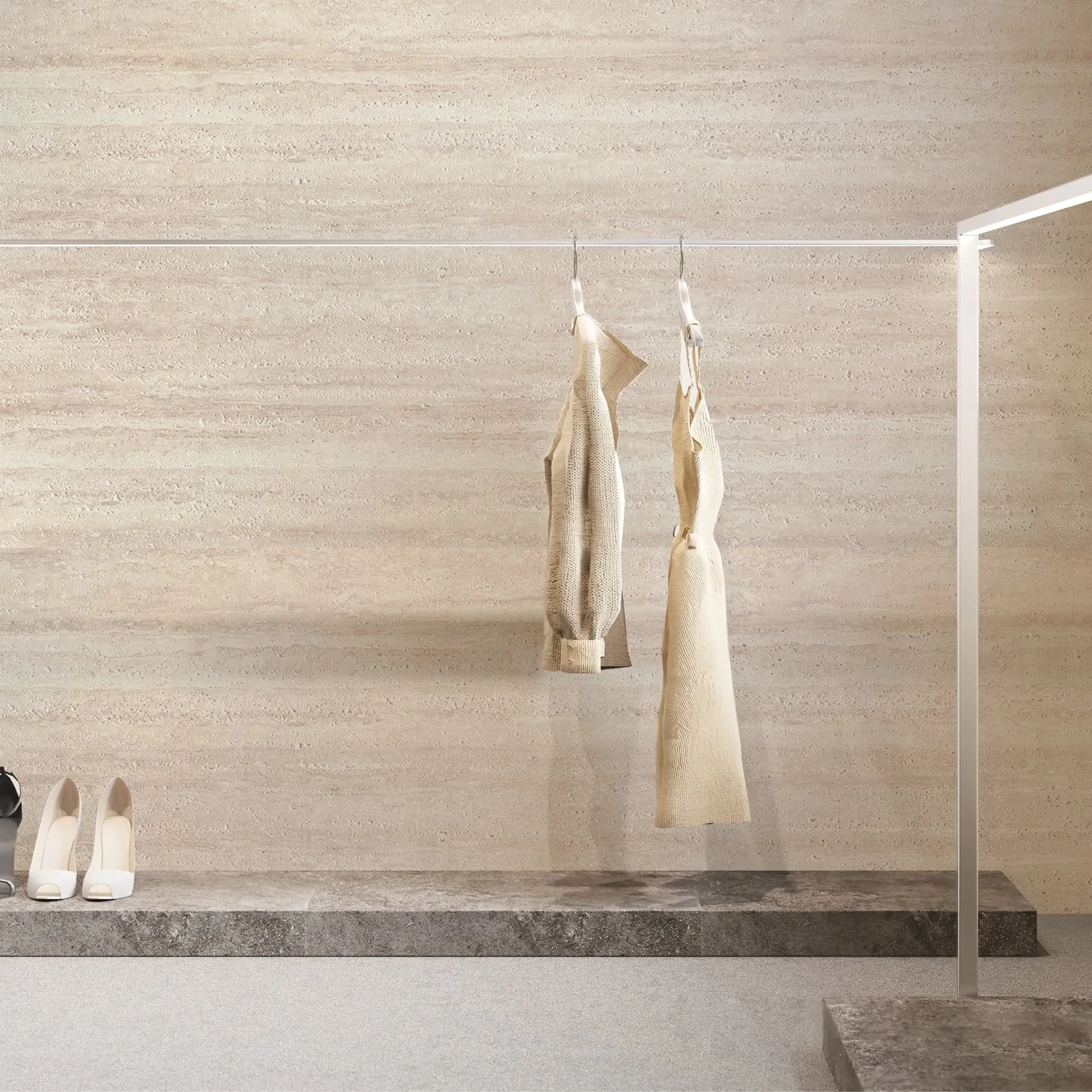
Let's cut to the chase: why does Rona Yellow MCM matter for the planet? It all boils down to one critical metric: carbon footprint. From extraction to production, transportation to installation, every building material leaves a trail of CO2. Rona Yellow MCM is engineered to shrink that trail—dramatically.
1. Low-Carbon Production: Less Energy, More Eco-Consciousness
Traditional building materials are energy hogs. Take
fair-faced concrete
, a staple in construction: its production involves heating limestone to scorching temperatures, releasing massive amounts of CO2. Natural
travertine
, while beautiful, requires quarrying (disrupting ecosystems), heavy machinery, and energy-intensive cutting and polishing. Rona Yellow MCM flips the script.
Its production process uses up to 60% less energy than concrete and 70% less than quarried travertine. How? By relying on recycled materials (reducing the need for virgin resource extraction) and low-temperature curing (no energy-guzzling kilns). The result? For every square meter of Rona Yellow MCM produced, emissions are slashed by roughly two-thirds compared to traditional options. That's not just a "green claim"—it's a measurable reduction in the carbon we pump into the atmosphere.
2. Lightweight Design: Less Fuel, Fewer Emissions
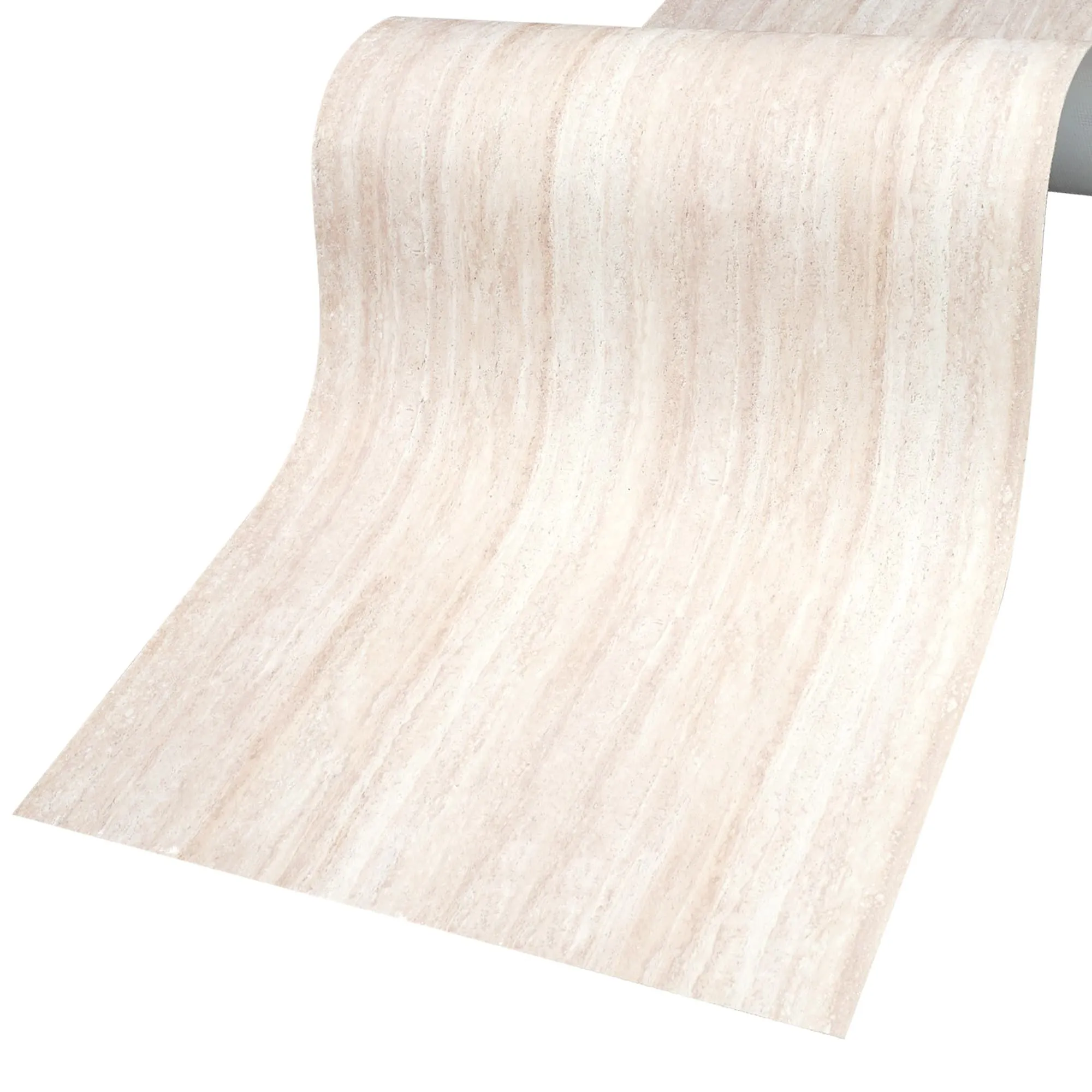
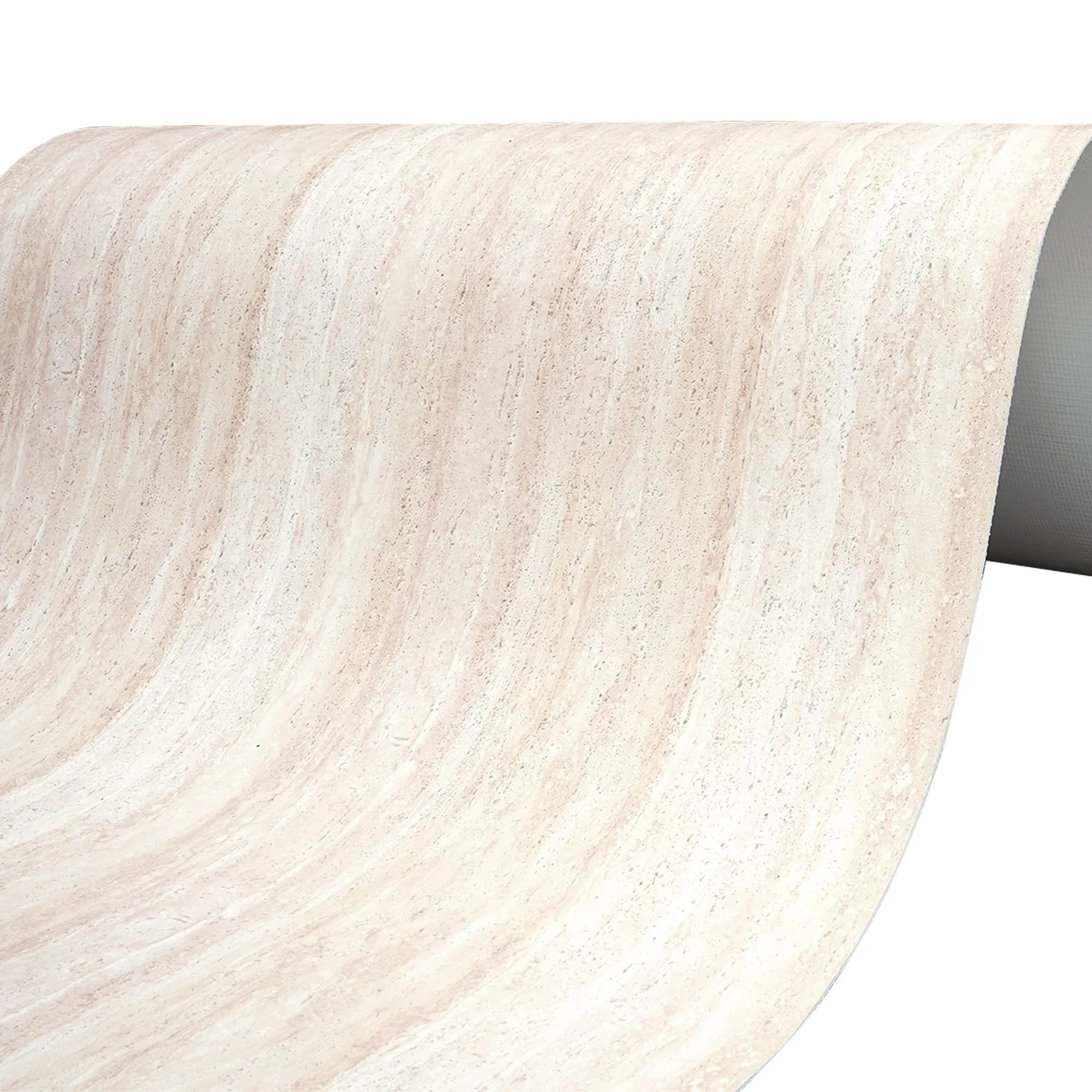
Ever thought about the carbon footprint of getting materials to a construction site? Heavy materials mean bigger trucks, more fuel, and more emissions. Rona Yellow MCM weighs in at just 3-5 kg per square meter—up to 80% lighter than natural travertine or solid concrete. Imagine a truckload of Rona Yellow MCM panels versus a truckload of concrete slabs: the MCM truck carries 5x more material with the same fuel use. Fewer trips, less fuel burned, and a whole lot less CO2 released into the air. It's a small detail with a big impact, especially for large-scale projects.
3. Built to Last: Reducing Waste, One Decade at a Time
Sustainability isn't just about what happens
before
installation—it's about what happens
after
. A material that needs frequent replacement is a material that creates ongoing waste. Rona Yellow MCM is built to outlast the ordinary. Its composite structure resists cracks, fading from UV rays, and water damage—even in harsh climates. While traditional concrete might start showing wear after 30 years and natural stone after 20-25, Rona Yellow MCM easily hits the 50-year mark (and beyond) with minimal maintenance. That means fewer repairs, fewer replacements, and less debris ending up in landfills. It's durability with a conscience.
4. Recyclable by Design: Closing the Loop
Even the most durable materials eventually reach the end of their lifecycle. The question is: what happens next? For many traditional materials, the answer is a landfill. For Rona Yellow MCM, it's a second chance. Thanks to its composite makeup, old panels can be ground down, reprocessed, and reincorporated into new MCM products. This isn't just recycling—it's a circular economy in action. By turning waste into a resource, Rona Yellow MCM reduces the need for new raw materials, keeping the planet's finite resources where they belong: in the ground.