

In an era increasingly defined by environmental consciousness, the choices we make in building materials bear significant weight. The construction industry, a major consumer of resources and contributor to carbon emissions, is under growing pressure to adopt sustainable practices. While traditional materials like granite have long been prized for their aesthetic appeal and durability, their environmental footprint, from quarrying to transportation, has prompted a search for more eco-friendly alternatives. This article delves into the inherent qualities of materials that mimic or surpass the performance of traditional stone, specifically focusing on the environmental advantages in terms of recyclability and low emissions, embodying the forward-thinking approach championed by COLORIA GROUP.
COLORIA GROUP stands as a dedicated one-stop solution provider in the architectural materials domain, offering high-quality interior and exterior finishing materials and complementary services for both residential and commercial ventures. Our global market reach, bolstered by decades of industry experience and a strong presence in regions like Saudi Arabia, underpins our commitment to innovation and sustainability. Our core offerings, particularly the innovative MCM (Modified Cementitious Material) series products, represent a significant leap towards greener construction, often delivering the visual richness of natural stone, such as the distinctive look of rust board granite, with a much-reduced environmental impact.
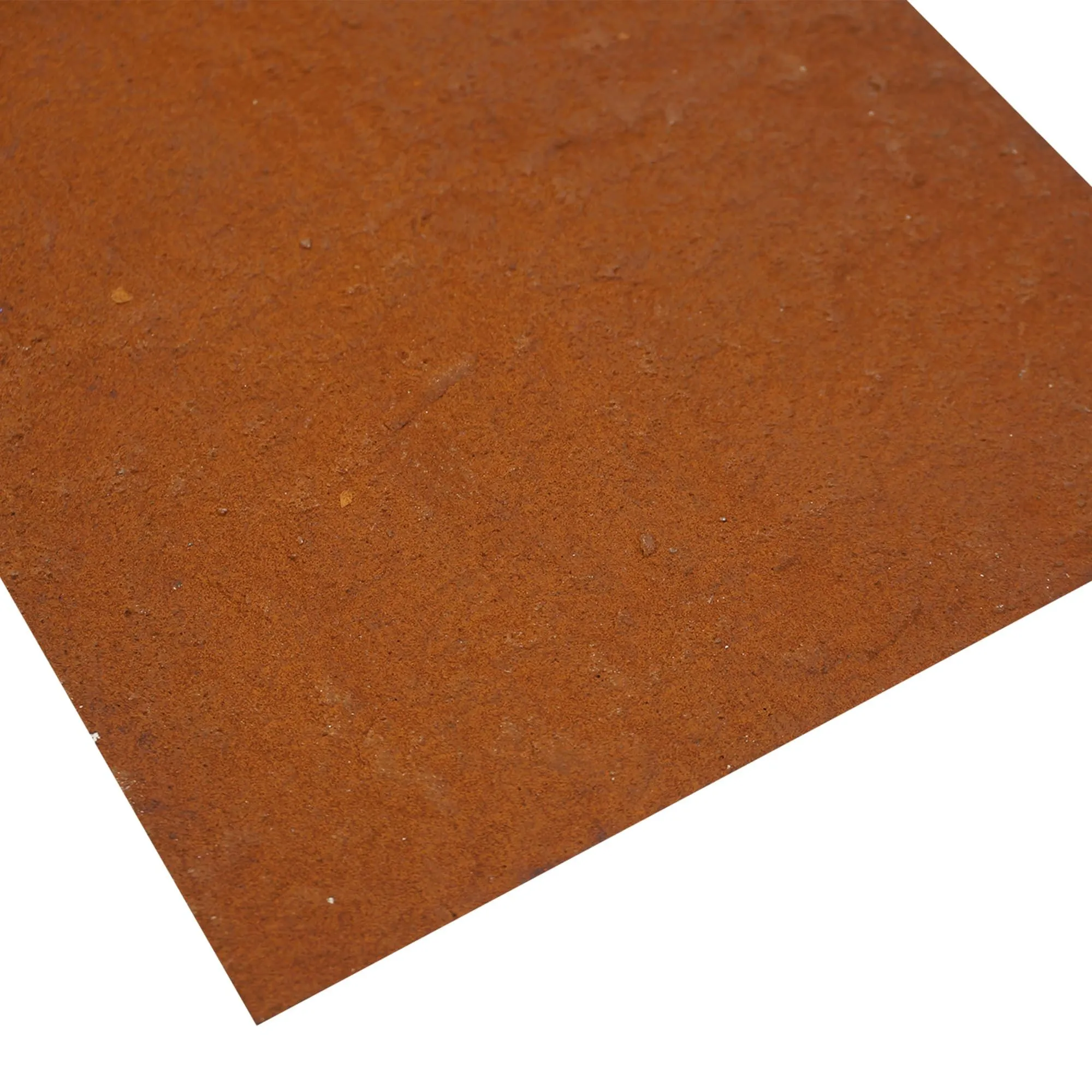
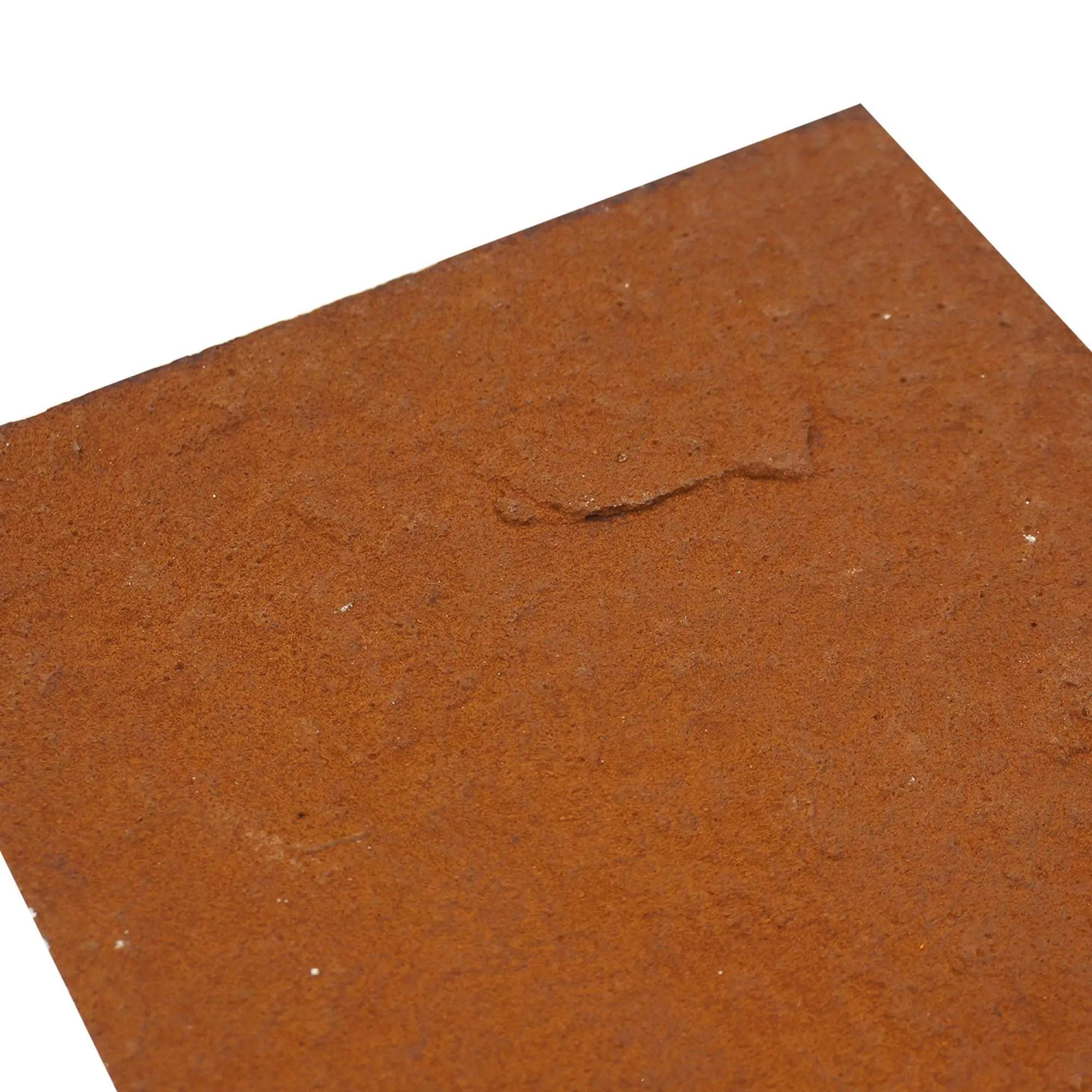
The allure of rust board granite lies in its unique texture and color variations, bringing a robust, natural feel to any architectural design. However, the environmental costs associated with its extraction and processing are substantial. Quarrying natural stone leads to significant landscape disruption, high energy consumption for cutting and polishing, and considerable waste generation. Furthermore, the sheer weight of natural stone incurs high transportation emissions, especially for projects located far from quarry sites.
This is precisely where advanced materials, like our MCM Flexible Stone series, come into play. These innovative solutions are designed to replicate the aesthetic and tactile qualities of natural stone, including the rugged charm of rust board granite, but with a fundamentally different production process. By minimizing resource depletion and reducing the carbon footprint, these materials offer a compelling alternative that aligns with modern sustainability goals without compromising on design integrity or structural performance.
Recyclability is a cornerstone of sustainable design, enabling materials to re-enter the production cycle rather than ending up in landfills. For traditional granite, true recyclability as a building block is limited once it's cut and installed. While it can be crushed and used as aggregate, this process is often energy-intensive and constitutes a 'downcycling' rather than a true circular use.
In contrast, the philosophy behind COLORIA GROUP's Modified Cementitious Material (MCM) products centers on a more sustainable lifecycle. Our MCM materials are engineered from natural inorganic minerals and a small percentage of polymeric compounds, making them inherently more amenable to various forms of recycling or responsible disposal at the end of their long service life. The manufacturing process itself is designed to be resource-efficient, utilizing abundant raw materials and employing techniques that minimize waste.
The ability to potentially reclaim and repurpose these advanced composite materials, or to break them down into their constituent elements for other applications, significantly reduces the environmental burden. This commitment to recyclability is not just a feature; it's a fundamental aspect of our product development, ensuring that our offerings contribute positively to the built environment's ecological footprint.
The journey of a building material, from raw resource to finished installation, typically involves numerous stages that emit greenhouse gases and other pollutants. Quarrying, processing, and transportation are the primary culprits for traditional stone materials. The heavy machinery used, the energy required for cutting and shaping, and the long distances materials often travel contribute to a substantial carbon footprint.
Our MCM products, including specialized offerings like the MCM Big Slab Board Series and the versatile MCM Project Board Series, are manufactured with a strong emphasis on reducing these emissions. The production process for MCM involves significantly lower energy consumption compared to conventional ceramic tiles or natural stone. It operates at much lower temperatures, dramatically cutting down on energy-intensive firing or large-scale quarrying operations. This innovative manufacturing approach directly translates into:
These advantages are especially pertinent for large-scale developments, where the cumulative impact of material choices can be immense. By opting for products with inherently low emissions, architects and developers can significantly enhance the sustainability credentials of their projects, meeting stringent environmental standards and contributing to a healthier planet.
The COLORIA GROUP's MCM series represents more than just a product line; it signifies a paradigm shift in how we approach building materials. Beyond recyclability and low emissions, these materials offer a host of other sustainable benefits:
To further illustrate the environmental advantages, let's consider a simplified comparison of the environmental attributes of traditional granite versus advanced MCM materials designed to emulate its aesthetic.
| Environmental Factor | Traditional Granite (e.g., Rust Board Granite) | COLORIA GROUP MCM (Flexible Stone Series) |
|---|---|---|
| Raw Material Sourcing | Rust Board Granite)"> Quarrying of finite natural rock, leading to landscape alteration and ecosystem disruption. | Flexible Stone Series)"> Utilization of abundant natural inorganic minerals, minimizing ecological impact. |
| Energy Consumption (Production) | Rust Board Granite)"> High energy input for cutting, polishing, and shaping using heavy machinery. | Flexible Stone Series)"> Significantly lower energy consumption due to low-temperature manufacturing process. |
| Greenhouse Gas Emissions (Production) | Rust Board Granite)"> High CO2 emissions from machinery and energy-intensive processes. | Flexible Stone Series)"> Substantially reduced CO2 and other greenhouse gas emissions. |
| Weight & Transport Emissions | Rust Board Granite)"> Very heavy, requiring extensive fuel for transportation; contributes significantly to logistics carbon footprint. | Flexible Stone Series)"> Extremely lightweight and flexible, drastically reducing transportation energy and emissions. |
| Water Usage | Rust Board Granite)"> Significant water usage for cooling and dust suppression during processing. | Flexible Stone Series)"> Minimal water usage in production, often utilizing recycled water systems. |
| Recyclability/Waste Management | Rust Board Granite)"> Limited recyclability as a primary building material; often downcycled as aggregate. Significant waste from quarrying and cutting. | Flexible Stone Series)"> Designed for greater recyclability and easier end-of-life management; minimal production waste. |
| Indoor Air Quality | Rust Board Granite)"> Generally inert, but dust during cutting/installation can be a concern. | Flexible Stone Series)"> VOC-free, non-toxic, and anti-bacterial; promotes healthier indoor environments. |
As a global entity with a strong presence in crucial markets, including our agency in Saudi Arabia, COLORIA GROUP is strategically positioned to drive this sustainable transformation worldwide. Our decades of industry experience have equipped us with the knowledge and expertise to understand diverse market needs and deliver solutions that are both innovative and environmentally responsible. The emphasis on customizability in our MCM series means that these eco-friendly materials can be tailored to meet the specific design and performance requirements of any project, from bespoke residential interiors to large-scale commercial facades, embodying the distinct characteristics of rust board granite or any other desired finish.
The future of construction is undeniably green. Regulatory pressures, consumer demand for sustainable buildings, and the imperative to combat climate change are all pushing the industry towards more responsible practices. Materials that offer a compelling blend of aesthetic versatility, durability, and a light environmental footprint will define success in this evolving landscape. COLORIA GROUP is proud to be at the forefront of this movement, offering cutting-edge solutions that enable architects, developers, and builders to create structures that are not only beautiful and functional but also kind to our planet.
In conclusion, while the classic beauty of materials like rust board granite is undeniable, the environmental benefits of modern, engineered materials like COLORIA GROUP's MCM products—particularly their superior recyclability and significantly lower emissions during production and transportation—offer a powerful argument for a more sustainable choice. By embracing these innovations, we can construct a future that harmonizes human endeavor with ecological well-being, building a world that is as durable and resilient as the materials we choose to shape it with.
Recommend Products











