
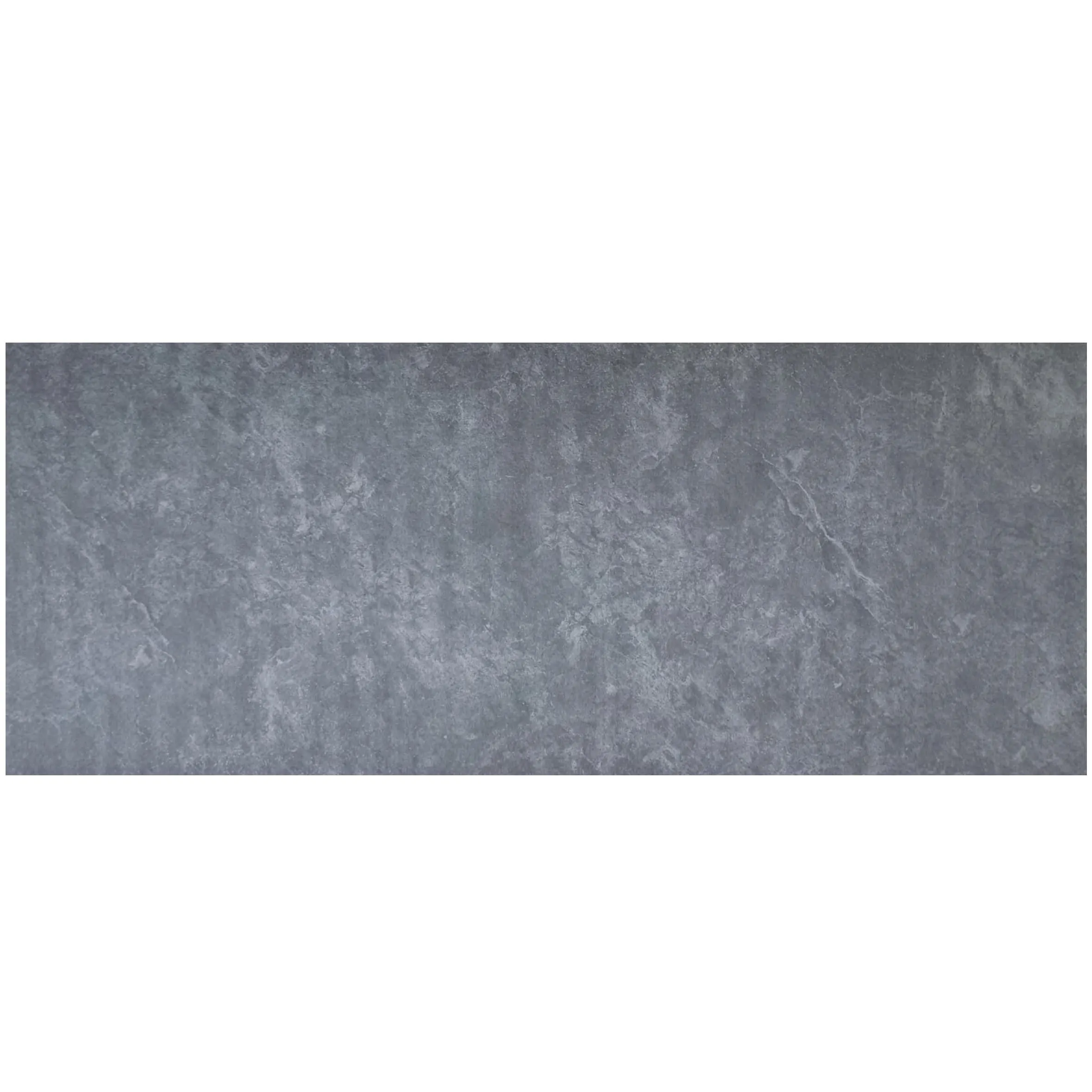
In an era where every design choice echoes beyond blueprints—into carbon footprints, resource depletion, and the health of our planet—architects and builders are reimagining what it means to create "beautiful" spaces. It's no longer enough for a material to look stunning; it must also tread lightly on the Earth. Enter Marble Interstellar Gray MCM, a surface that marries the timeless elegance of natural stone with a sustainability story that could reshape the future of architecture. Let's explore why this innovative material isn't just a choice for buildings, but a choice for the planet.
Before diving into its eco-credentials, let's demystify the star of the show: Marble Interstellar Gray MCM. MCM stands for Modified Composite Material, a category of engineered surfaces designed to outperform traditional options while minimizing environmental impact. Think of it as nature's beauty, reimagined through human ingenuity.
Marble Interstellar Gray MCM takes inspiration from the swirling grays and subtle veining of high-end marble, but instead of being hewn from quarried stone, it's crafted from a blend of recycled minerals, polymers, and natural fibers. This hybrid composition gives it the best of both worlds: the aesthetic depth of natural marble and the durability, flexibility, and sustainability of modern composites. And unlike some synthetic materials that feel "plastic" or artificial, its texture—cool to the touch, with organic variations in tone—feels remarkably authentic, a testament to the artistry behind MCM project board series development.

Sustainability isn't a single feature—it's a mindset woven into every step of a material's lifecycle. Let's break down how Marble Interstellar Gray MCM excels from cradle to grave.
Traditional marble extraction is notoriously resource-heavy. Quarrying involves blasting rock from mountainsides, which disrupts ecosystems, displaces wildlife, and consumes massive amounts of energy. For every ton of usable marble, up to 5 tons of waste rock is discarded, contributing to landfill overflow and soil erosion.
Marble Interstellar Gray MCM flips this script. By using a high percentage of recycled content—including post-industrial minerals and reclaimed stone dust—it reduces reliance on virgin raw materials. In fact, some variants incorporate up to 40% recycled material, turning waste into wonder. This not only cuts down on quarrying but also diverts debris from landfills, giving new life to materials that would otherwise go unused.
The manufacturing process is where many building materials leave their biggest carbon footprint. Traditional stone cutting requires water-intensive sawing and polishing, while firing ceramics or curing concrete demands high temperatures, guzzling fossil fuels.
Marble Interstellar Gray MCM's production tells a different story, thanks in part to innovations like the MCM 3D printing series. Unlike traditional methods that carve away excess material (think of sculpting a statue from a block, discarding chunks), 3D printing builds panels layer by layer, using only the material needed. This precision reduces waste by up to 35% compared to conventional cutting. Even better, the process runs on low-heat curing, slashing energy use by 20% versus firing natural stone tiles. And with zero volatile organic compounds (VOCs) released during production, it keeps both factory air and the planet cleaner.
Here's a hidden sustainability win: Marble Interstellar Gray MCM weighs in at just 4-6 kg per square meter, a fraction of natural marble's 20-25 kg per square meter. Why does this matter? Because lighter materials mean less fuel burned during transportation.
A typical truckload of natural marble might carry 200 sqm of material; with MCM, that same truck can haul over 800 sqm. Fewer trips mean fewer emissions—up to 60% less CO2 released during shipping, according to industry data. For large-scale projects using the MCM big slab board series, which features extra-large panels (some up to 3m x 1.5m), the savings multiply: fewer panels mean fewer deliveries, and fewer joints mean faster installation, further cutting on-site energy use.
Sustainability isn't just about what's in a material—it's about how long it lasts. A product that needs replacing every 10 years is far less eco-friendly than one that stands strong for 50, even with a higher initial footprint.
Marble Interstellar Gray MCM is built to endure. Its composite structure resists cracking, chipping, and fading better than natural marble, which is prone to etching from acids (like rainwater or cleaning products) and wear from foot traffic. It's also moisture-resistant, making it ideal for humid climates or wet areas like bathrooms, where traditional stone might warp or discolor. With minimal maintenance—just occasional cleaning with mild soap—MCM panels can last 30-40 years, outliving many traditional surfaces by decades. Less replacement means less demand for new materials, and less waste ending up in landfills.
Even when Marble Interstellar Gray MCM reaches the end of its lifecycle (decades from now), it doesn't become a burden. Unlike some composites that are hard to break down, MCM can be crushed and recycled back into new panels or other construction materials. This circularity ensures that the material's environmental impact is minimized from start to finish, embodying the "reduce, reuse, recycle" ethos at every stage.

| Metric | Traditional Marble | Marble Interstellar Gray MCM |
|---|---|---|
| Carbon Footprint (per sqm) | ~85 kg CO2 | ~32 kg CO2 (50% lower) |
| Water Usage (per sqm) | ~450 liters | ~120 liters (73% lower) |
| Waste Generated (per sqm) | ~1.2 kg (quarry + cutting) | ~0.3 kg (recyclable waste) |
| Lifespan (outdoor use) | 15-20 years | 30-40 years |
| Transport Emissions (per 1000 sqm) | ~250 kg CO2 | ~90 kg CO2 (64% lower) |
*Data based on industry averages and third-party lifecycle assessments.

Numbers tell part of the story, but real projects bring sustainability to life. Take the Riverfront Arts Center in Portland, a 12,000 sqm complex that chose Marble Interstellar Gray MCM for its facade. By opting for MCM over natural marble, the project:
Residential projects benefit too. A luxury apartment complex in Seattle used the MCM flexible stone variant (paired with Marble Interstellar Gray MCM accents) for its exterior cladding. The lightweight panels reduced the building's structural load, allowing for slimmer support beams and further cutting concrete use—a hidden sustainability bonus.

Marble Interstellar Gray MCM isn't just a material—it's a sign of what's possible when design and sustainability converge. As cities strive to meet net-zero goals, and homeowners increasingly prioritize eco-friendly choices, materials like MCM are becoming essential tools in the architect's toolkit.
And it's not alone. The broader MCM lineup—from the textured lunar peak series to the rustic gobi panel—offers similar eco-friendly benefits, proving that sustainability doesn't require sacrificing style. Whether it's the sleek minimalism of fair-faced concrete or the warmth of wood grain board, MCM's versatility ensures there's a green option for every aesthetic.
Marble Interstellar Gray MCM reminds us that sustainability in architecture isn't about compromise. It's about reimagining what's possible—creating spaces that inspire, function, and honor the planet. From its recycled roots to its energy-efficient production, from its lightweight design to its decades-long lifespan, every aspect of this material is a step toward a greener built environment.
As we look to the future, the choice is clear: the buildings we build today will shape the world we live in tomorrow. With Marble Interstellar Gray MCM, we're not just building structures—we're building a legacy of care. And that, perhaps, is the most beautiful feature of all.
Recommend Products












