
In an era where sustainability is no longer a buzzword but a critical consideration in every industry, the building and design world is undergoing a quiet revolution. Homeowners, architects, and developers alike are increasingly turning away from resource-heavy materials in favor of options that balance aesthetics, functionality, and environmental responsibility. Among these rising stars is charcoal burnt wood board—a material that marries time-honored craftsmanship with modern design sensibilities. But as its popularity grows, so does the need to ask: What is the true environmental impact of producing charcoal burnt wood board? Is it as eco-friendly as it seems, or does its charm come with hidden costs? Let's dive in.
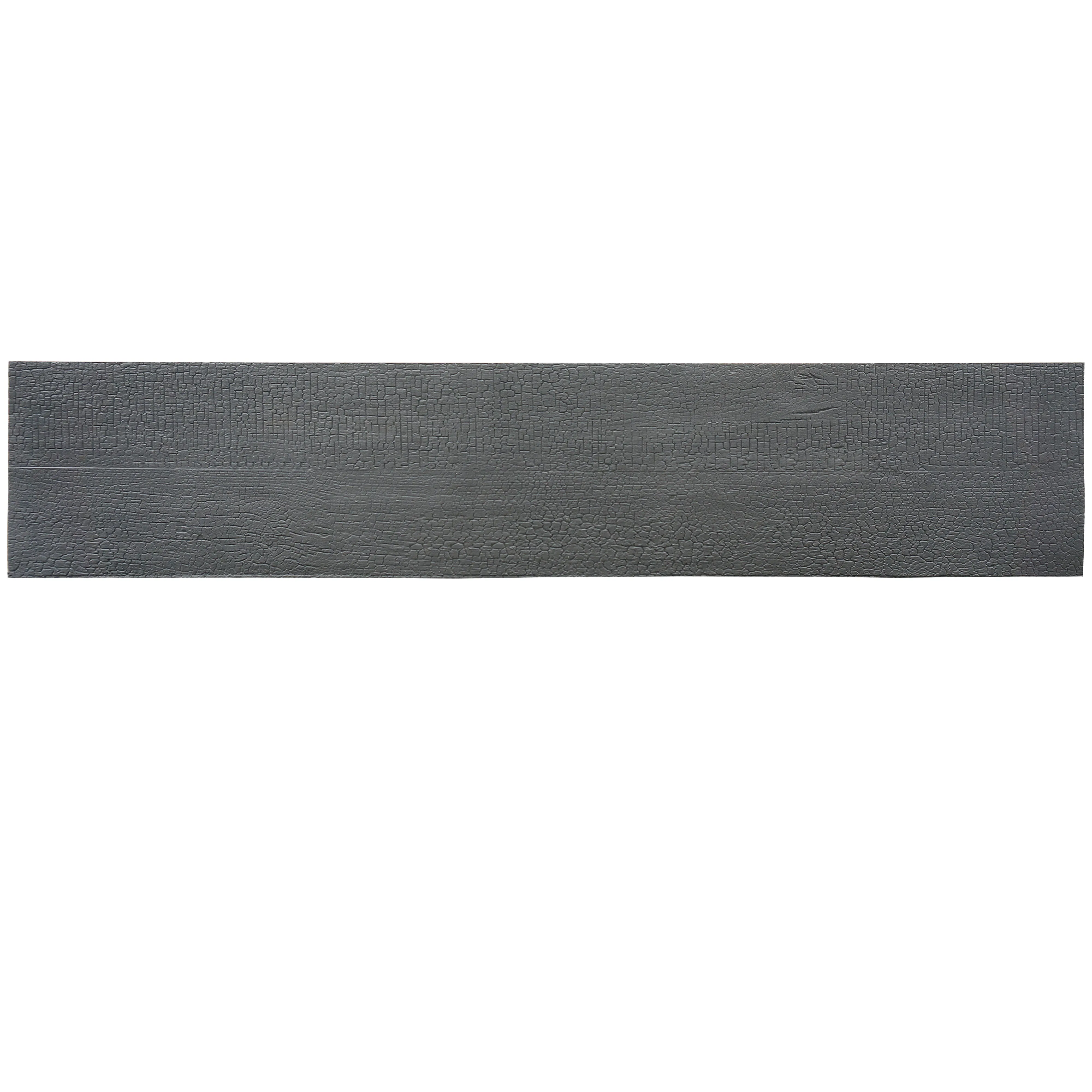
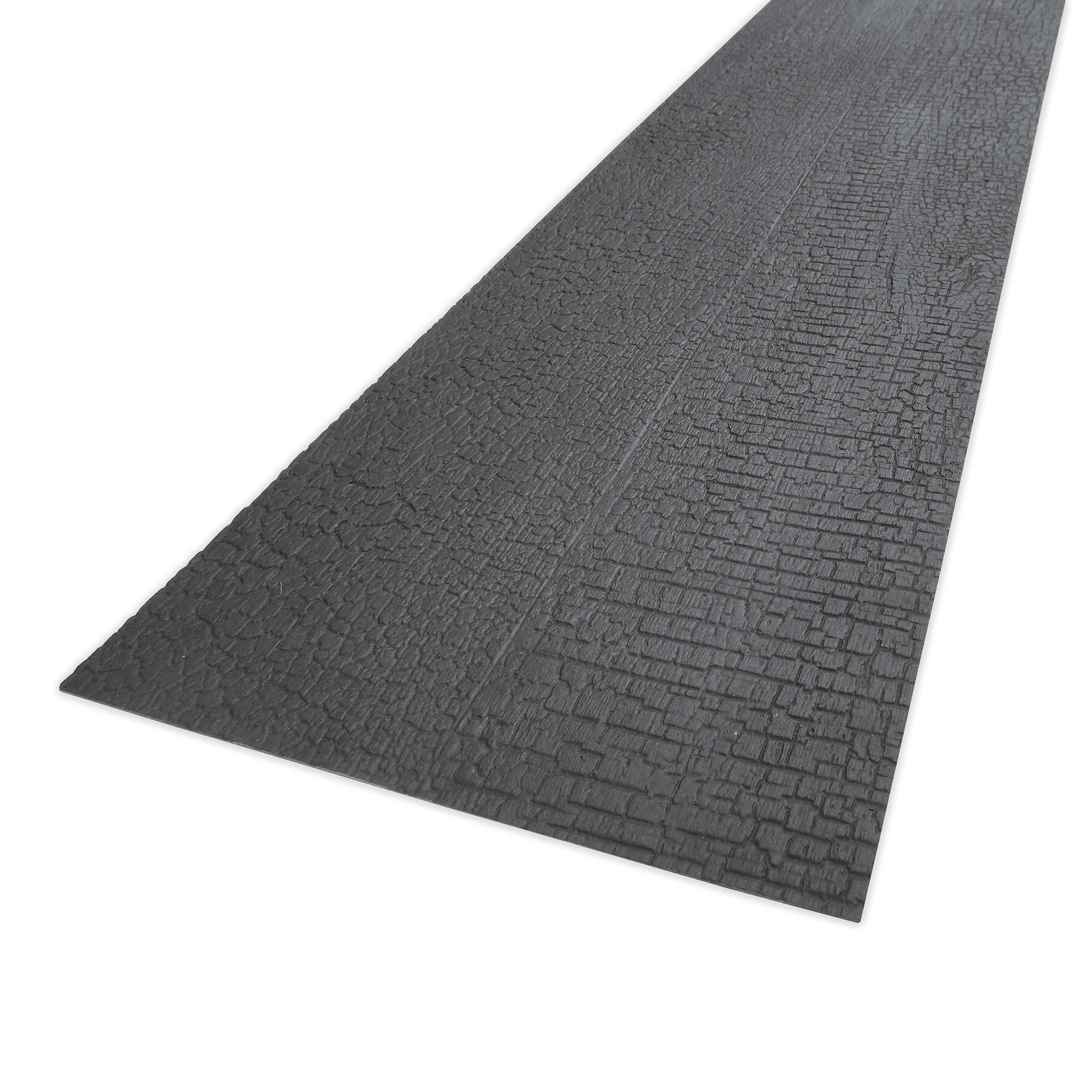
Before we unpack its environmental footprint, let's get clear on what charcoal burnt wood board actually is. At its core, it's wood that has been intentionally charred—its surface burned to a crisp—to enhance its durability, resistance, and visual appeal. You might hear it called by other names: shou sugi ban, a nod to its Japanese origins, or simply "charred wood." Traditional methods involve torching the wood with fire, then brushing away the loose ash to reveal a textured, deeply colored surface that ranges from ebony black to rich amber, depending on the wood type and charring intensity.
Modern iterations have refined this process, using controlled kilns or specialized tools to achieve consistent results, making it viable for large-scale construction projects. Today, it's used everywhere from exterior cladding and fencing to interior accent walls and furniture. Its allure lies in its raw, organic beauty—the way the charring accentuates the wood's natural grain, creating a look that feels both ancient and contemporary. But beyond aesthetics, proponents argue it's a "green" choice. Let's see if that holds up.
To understand the environmental impact of charcoal burnt wood board, we need to follow its journey from forest to finished product. The process can be broken down into four key stages, each with its own set of environmental considerations:
1. Wood Sourcing: It all starts with the wood itself. Most producers use softwoods like cedar, pine, or cypress, though hardwoods like oak or maple are also used for premium applications. The sustainability of this step hinges entirely on where the wood comes from. If sourced from responsibly managed forests—certified by organizations like the Forest Stewardship Council (FSC)—the impact is minimal. But if it's logged from old-growth forests or clear-cut areas without reforestation plans, the carbon footprint skyrockets, contributing to deforestation and biodiversity loss.
2. Preparation and Drying: Before charring, the wood must be dried to reduce moisture content. Air-drying is the most eco-friendly method, relying on natural wind and sun, but it's slow—taking months, even years, depending on the climate. Industrial producers often use kilns instead, which speed up the process to days or weeks but require energy (usually from fossil fuels, though some use biomass or solar power). Kiln-drying can also lead to more waste, as rapid moisture loss sometimes causes the wood to crack or warp.
3. Charring: This is the heart of the process—and where the biggest environmental questions arise. Traditional open-flame charring (think blowtorches or bonfires) releases smoke and carbon dioxide (CO2) directly into the air. Modern kilns are more controlled, capturing some emissions, but they still require fuel—often natural gas or electricity. The temperature and duration of charring matter, too: higher heat for longer periods means more energy used and more emissions released. However, this step also creates the board's signature resistance to rot, pests, and fire, which can reduce the need for chemical treatments later.
4. Finishing and Treatment: After charring, the wood is brushed to remove loose charcoal, then sealed with oils, waxes, or water-based sealants to protect the surface and enhance its longevity. The type of sealant matters here: petroleum-based products add to the carbon footprint, while plant-based oils (like linseed or tung oil) are more sustainable. Some producers skip sealants altogether, relying on the charred layer alone for protection, though this may shorten the board's lifespan in harsh climates.
Like any material, charcoal burnt wood board's environmental impact isn't black and white (pun intended). It has both positive and negative sides, depending on how it's produced and used.
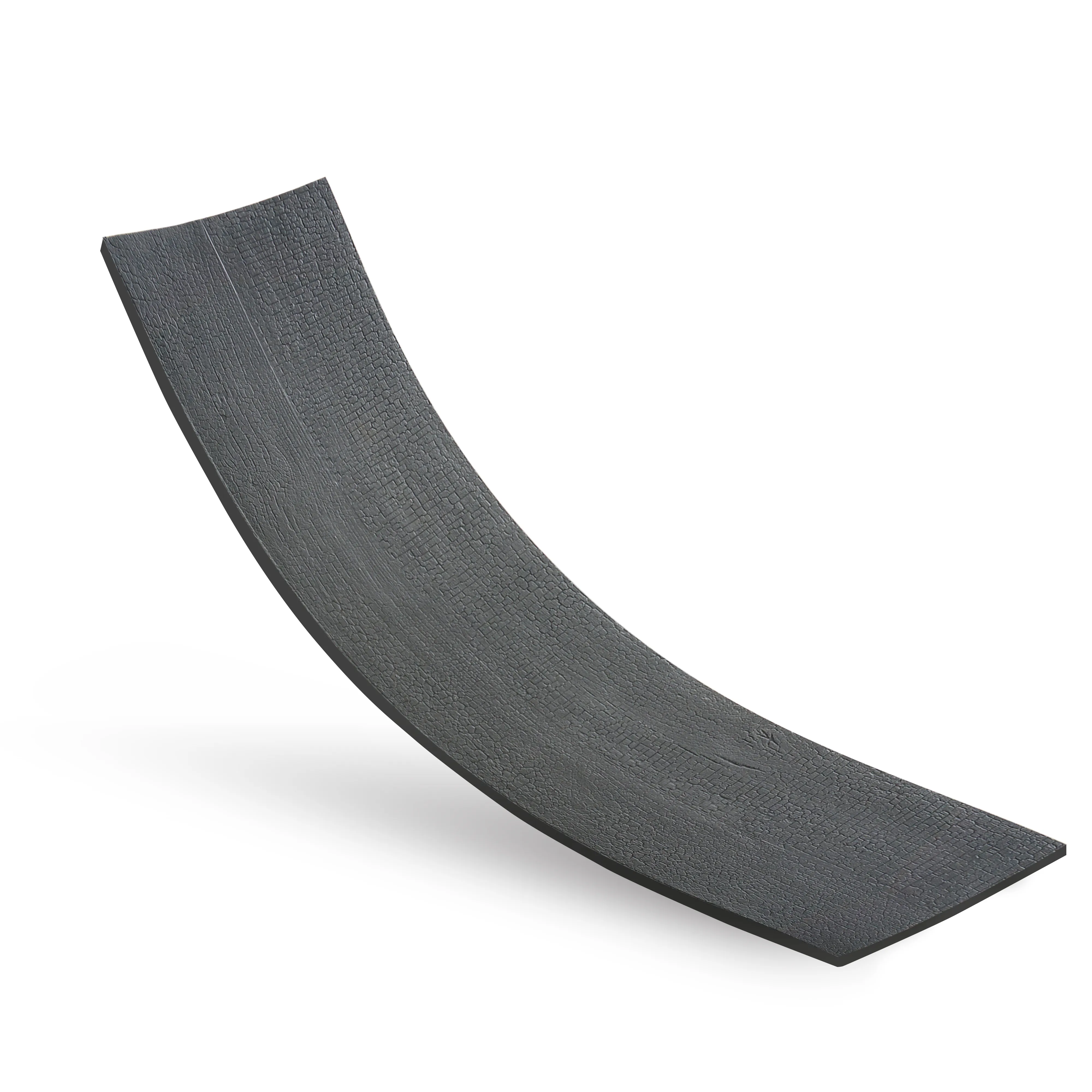
Durability = Less Waste: One of the biggest arguments in its favor is longevity. Charring changes the wood's chemical structure, making it highly resistant to rot, insects, and weathering. A well-maintained charcoal burnt wood board can last 50 years or more, compared to untreated wood, which might need replacement every 10–15 years. Fewer replacements mean less wood consumption over time, reducing the overall demand for timber.
Reduced Chemical Use: Unlike pressure-treated wood, which relies on toxic chemicals (like arsenic or copper) to fend off pests and decay, charred wood's resistance comes from the charring itself. This means fewer harmful substances leaching into soil or water, making it safer for both the environment and human health—especially in gardens, playgrounds, or indoor spaces.
Carbon Sequestration: Wood is a natural carbon sink; trees absorb CO2 as they grow, storing it in their fibers. When wood is used in construction, that carbon remains locked away (unless the wood is burned or decomposes). Charring doesn't release this stored carbon (unless the wood is burned to ash, which it isn't in controlled processes), so the board continues to sequester carbon throughout its lifespan.
Energy-Intensive Charring: The charring step is energy-heavy. Whether using open flames or kilns, heating wood to high temperatures (often 200–400°C) requires fuel. If that fuel is coal, oil, or natural gas, it releases CO2 and other greenhouse gases (GHGs), contributing to climate change. A 2021 study in the Journal of Sustainable Forestry estimated that industrial charring processes emit 50–150 kg of CO2 per cubic meter of wood, depending on the method—comparable to some types of concrete production.
Air Pollution: Open-flame charring, still common in small-scale operations, releases not just CO2 but also particulate matter (soot), volatile organic compounds (VOCs), and carbon monoxide (CO)—all of which can harm air quality and human health, especially in densely populated areas. While modern kilns with filters reduce these emissions, they add cost and complexity, which some producers skip to cut corners.
Waste Generation: Charring isn't always precise. Over-charred boards may crack or become too brittle to use, leading to waste. Additionally, the brushing step removes a layer of wood, which becomes charcoal dust. While some producers repurpose this dust as biochar (a soil amendment that sequesters carbon), many simply discard it, adding to landfill waste.
Deforestation Concerns: The biggest wildcard is wood sourcing. If producers prioritize cheap, fast-growing wood from unsustainable sources—like illegal logging in the Amazon or Southeast Asia—the environmental benefits vanish. Clear-cutting destroys habitats, disrupts ecosystems, and releases stored carbon from felled trees, undoing any gains from the board's durability.
To get a full picture, let's compare charcoal burnt wood board to two popular alternatives: wood concrete board and foamed aluminium alloy board. Both are marketed as sustainable, but their impacts differ significantly.
| Material | Production Energy Use | Emissions (CO2 per m³) | Durability (Lifespan) | Recyclability | Sustainability Score* |
|---|---|---|---|---|---|
| Charcoal Burnt Wood Board | Medium (depends on drying/charring method) | 50–150 kg | 50+ years | Biodegradable; can be composted or burned for energy at end-of-life | 7/10 (with FSC wood and renewable energy) |
| Wood Concrete Board | Low (uses wood waste + cement) | 80–200 kg (due to cement production) | 30–40 years | Partially recyclable (wood component); cement hard to recycle | 6/10 (reduces wood waste but relies on cement) |
| Foamed Aluminium Alloy Board | High (aluminium smelting is energy-heavy) | 1,500–2,000 kg (due to bauxite mining and refining) | 80+ years | 100% recyclable; retains 95% of original energy in recycling | 5/10 (high upfront impact, but long lifespan and recyclability) |
*Sustainability score is a qualitative assessment based on energy use, emissions, durability, and recyclability.
Wood concrete board, for example, is made by mixing wood fibers or sawdust with cement, reducing the need for solid wood. It's lightweight and fire-resistant, but its reliance on cement—a material with a massive carbon footprint (cement production accounts for ~8% of global CO2 emissions)—drags down its eco-credentials. Foamed aluminium alloy board, on the other hand, is incredibly durable and fully recyclable, but producing aluminium requires mining bauxite and massive amounts of energy, making its upfront impact far higher than charred wood.
In short, charcoal burnt wood board falls somewhere in the middle: better than aluminium in terms of energy use, but not as "low-impact" as wood concrete board (if we ignore cement's downsides). Its trump card? Biodegradability. Unlike aluminium or concrete, at the end of its life, a charred wood board can be broken down and returned to the earth, leaving no permanent waste.
The good news is that the charcoal burnt wood board industry is evolving, with producers adopting practices to minimize environmental harm. Here are some of the most promising steps being taken:
Renewable Energy for Charring: Forward-thinking companies are powering their kilns with solar, wind, or biomass energy, slashing emissions from the charring step. For example, a small producer in Oregon uses wood scraps from their own milling process to fuel their kilns, turning waste into energy.
FSC-Certified Wood: Choosing FSC-certified wood ensures that the timber comes from forests managed to protect biodiversity, water quality, and indigenous rights. Some producers go further, using reclaimed wood from old barns or demolished buildings, giving new life to wood that would otherwise end up in landfills.
Carbon Capture and Storage (CCS): Experimental projects are testing ways to capture CO2 from charring emissions and store it underground or use it to grow algae. While still in early stages, this could one day make the process carbon-negative.
Zero-Waste Manufacturing: Charcoal dust from the brushing step is being repurposed as biochar, a soil additive that improves fertility and sequesters carbon in farmland. Some companies even sell it as a byproduct, turning waste into revenue.
So, after all this, is charcoal burnt wood board a "green" material? The answer is: it depends. It's not a silver bullet, but when produced responsibly—with FSC-certified wood, renewable energy, and waste-reduction measures—it can be a low-impact, high-value choice. Its durability and natural resistance mean less long-term resource use, and its biodegradability ensures it doesn't leave a permanent mark on the planet.
That said, it's not without trade-offs. The energy used in charring and the risk of unsustainable wood sourcing are real concerns. As consumers, we have the power to push for better practices by choosing producers who prioritize transparency and sustainability—asking questions about their wood sources, energy use, and waste management.
In the end, charcoal burnt wood board reminds us that sustainability is rarely about perfection. It's about progress—making choices that balance our need for beautiful, functional materials with the planet's need for care. And in that balance, it just might have a place in the future of green building.
Recommend Products












