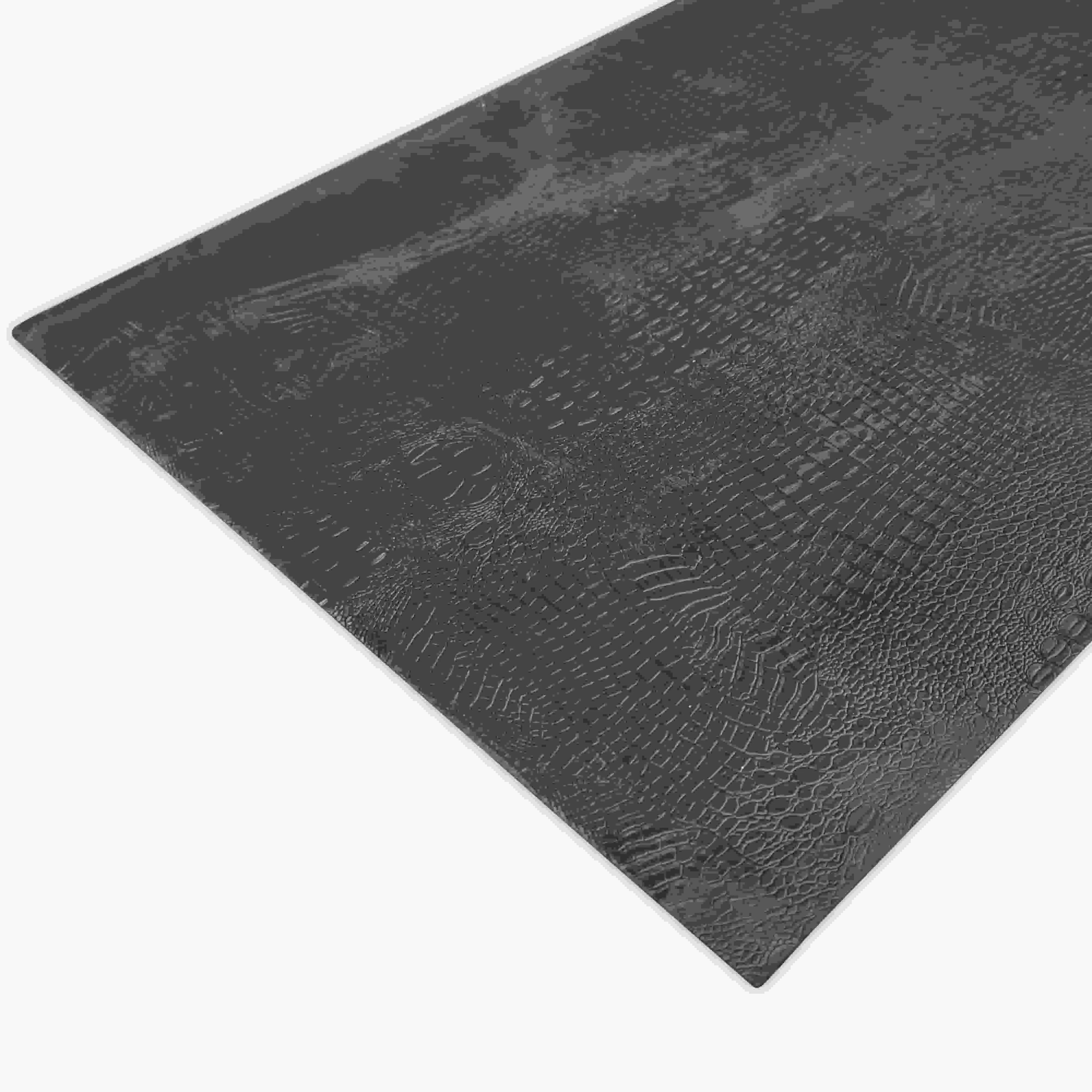
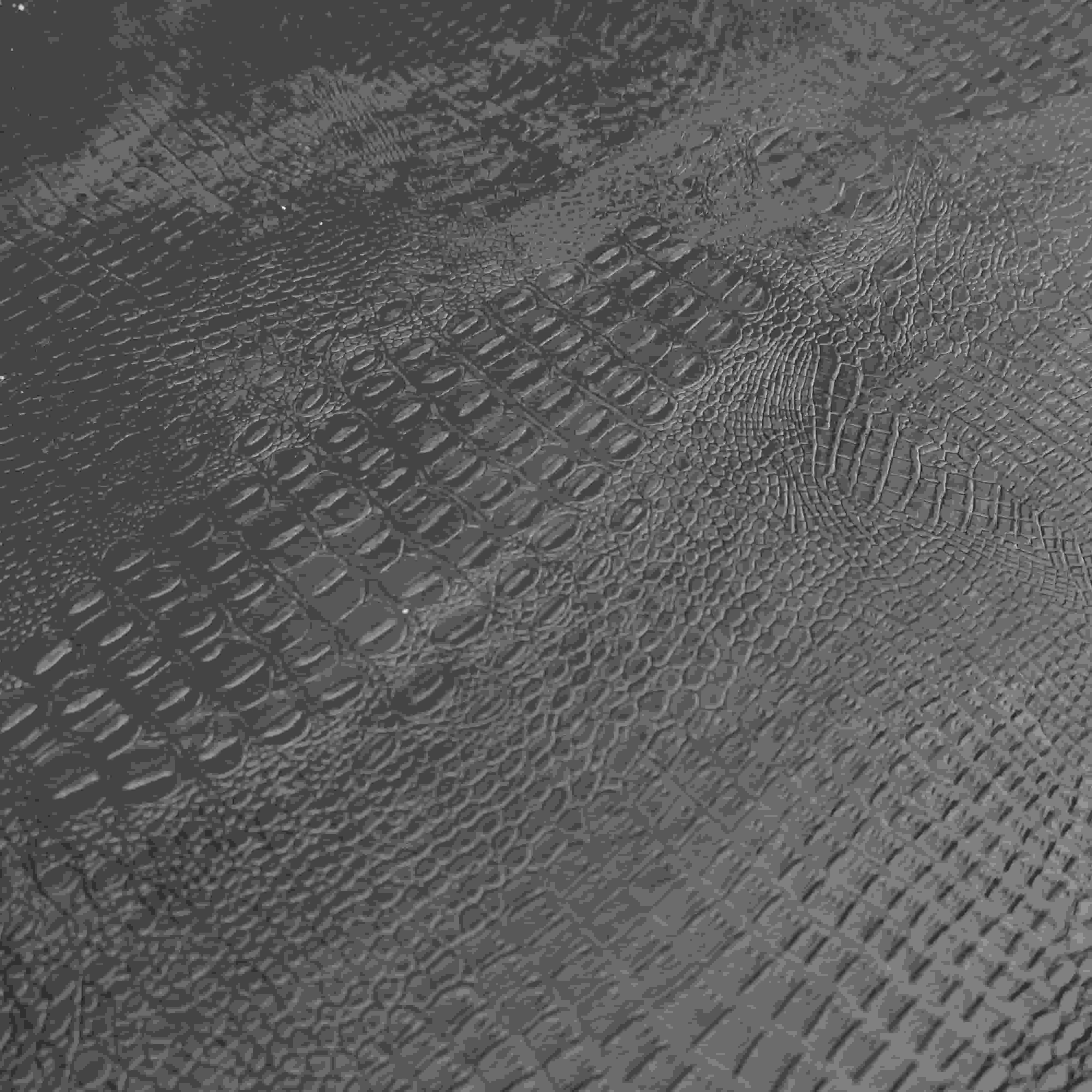
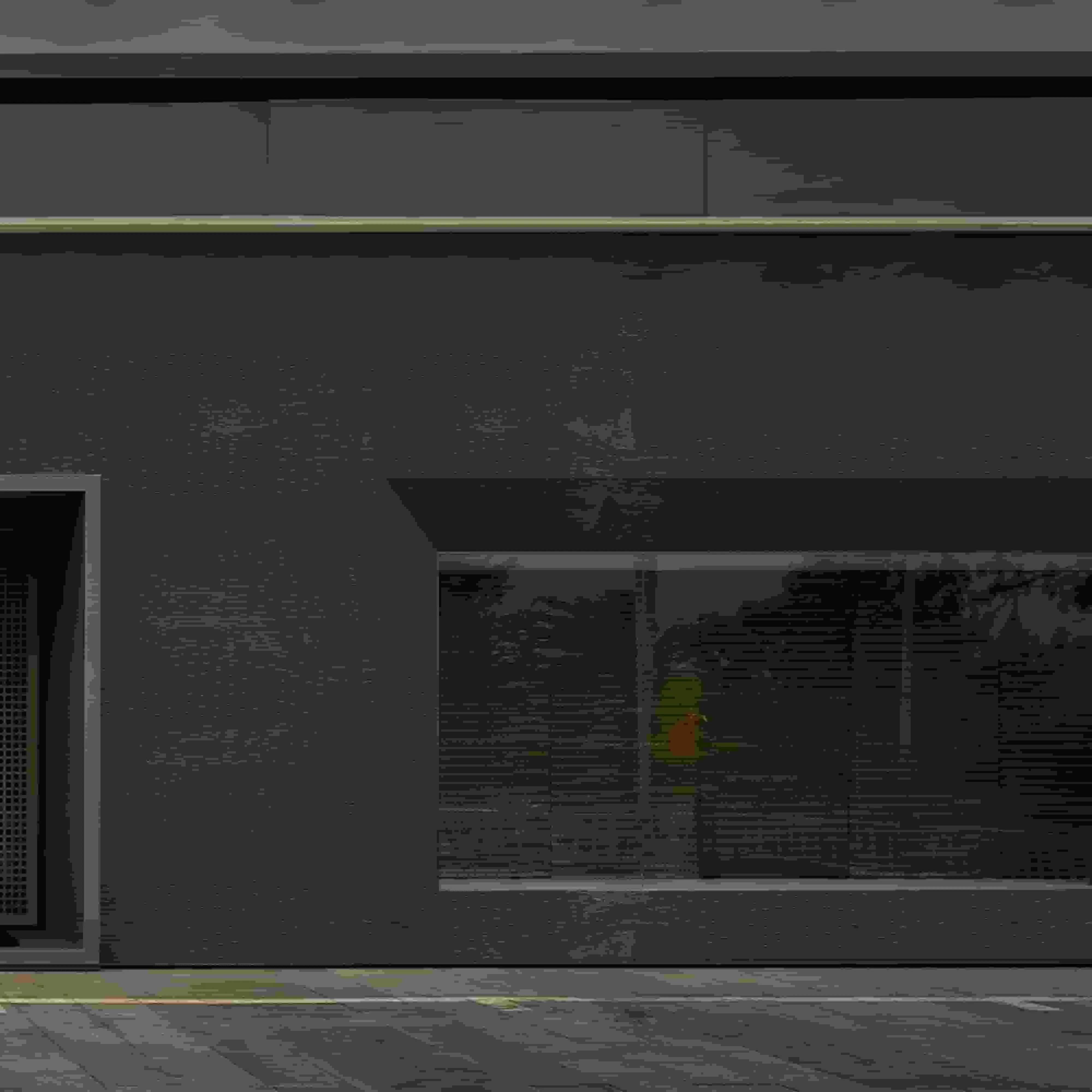
The first chapter in any product's environmental story is raw material extraction. Traditional building materials like natural stone, concrete, and metal often come with heavy environmental costs: quarrying for marble or granite can lead to deforestation, soil erosion, and habitat destruction, while cement production is a major source of CO₂ emissions (responsible for about 8% of global emissions, per the International Energy Agency).
Croco MCM, however, approaches material sourcing differently—starting with its flagship
MCM flexible stone
. Unlike solid natural stone, which requires large blocks to be mined and transported,
MCM flexible stone is crafted using a composite of natural minerals, recycled polymers, and reinforcing fibers. This means less reliance on virgin stone extraction and a significant reduction in the energy needed to extract and process raw materials.
Take, for example, the
foamed aluminium alloy board
(available in vintage silver, gold, and other finishes), another standout in
Croco MCM's lineup. Traditional aluminium production is energy-intensive, but foamed aluminium alloy uses a specialized manufacturing process that introduces air bubbles into the metal, reducing its density by up to 70% while maintaining structural integrity. This not only cuts down on the amount of raw aluminium needed but also makes the material lighter, which we'll see has ripple effects throughout the lifecycle.
To put this in perspective, let's compare the raw material extraction phase of
Croco MCM's
MCM big slab board series
with traditional ceramic tiles. A standard 1200x2400mm big slab board from
Croco MCM weighs approximately 15kg, while a ceramic tile of the same size can weigh up to 30kg. The lighter weight of MCM big slabs translates to fewer raw materials per square meter of coverage—meaning less mining, less quarrying, and less disruption to natural ecosystems.