
Exploring sustainability in modern building materials—because the choices we make today shape tomorrow's planet
Walk into any home, office, or public space, and the walls, floors, and facades around you tell a story—not just of design, but of the planet. The building materials we choose don't just shape aesthetics; they leave footprints in quarries, factories, and landfills. Today, as architects, builders, and homeowners increasingly prioritize sustainability, a key question arises: which materials honor both human creativity and environmental care?
In one corner stands a modern contender: Crossare Mushroom Stone043 , a product of cutting-edge MCM (Modified Composite Material) technology, part of the innovative MCM flexible stone series. In the other, the timeless heavyweight: natural stone, like the warm hues of travertine (think starry red or starry blue) or the earthy tones of lime stone (beige) . Both promise beauty, but their environmental stories couldn't be more different. Let's dive in.
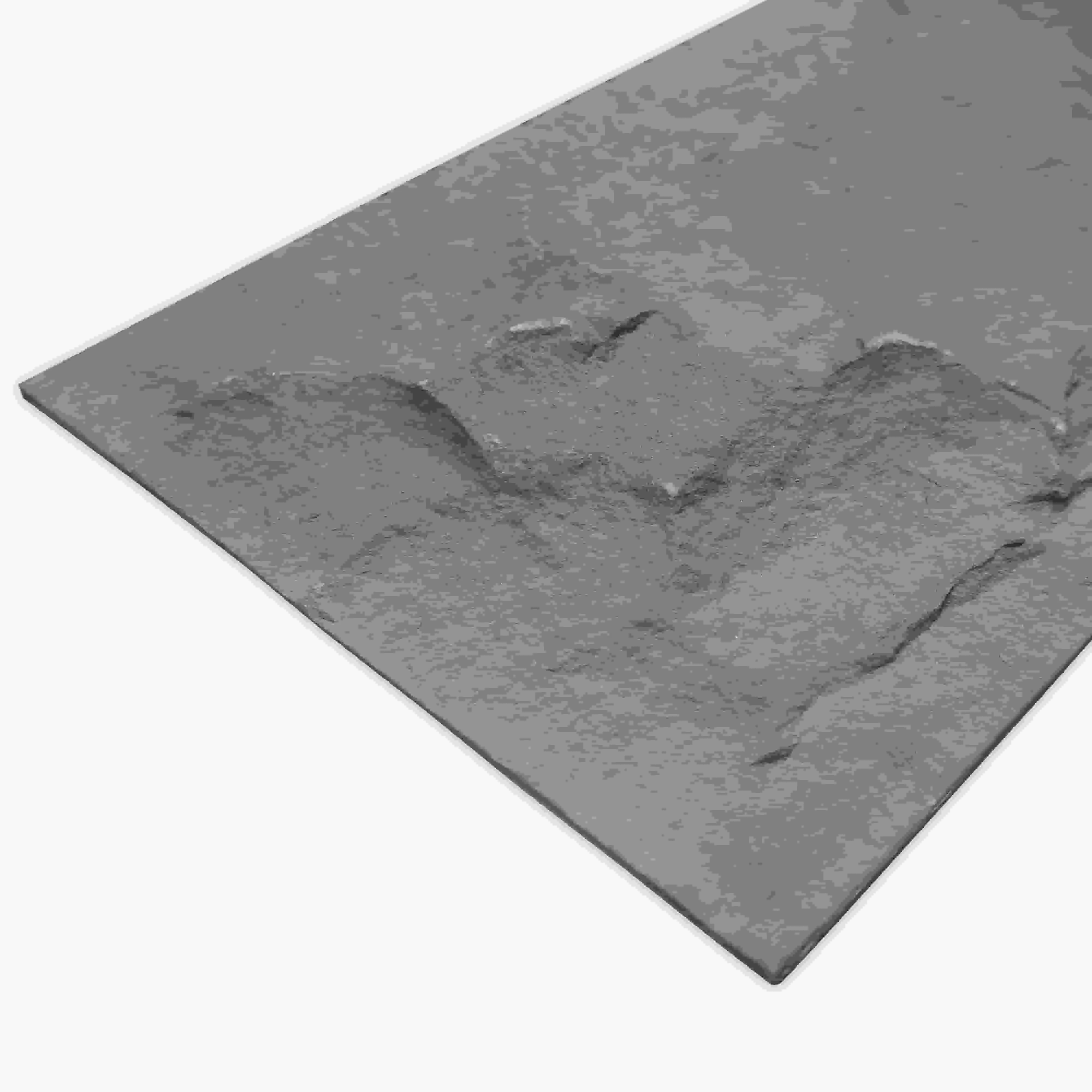
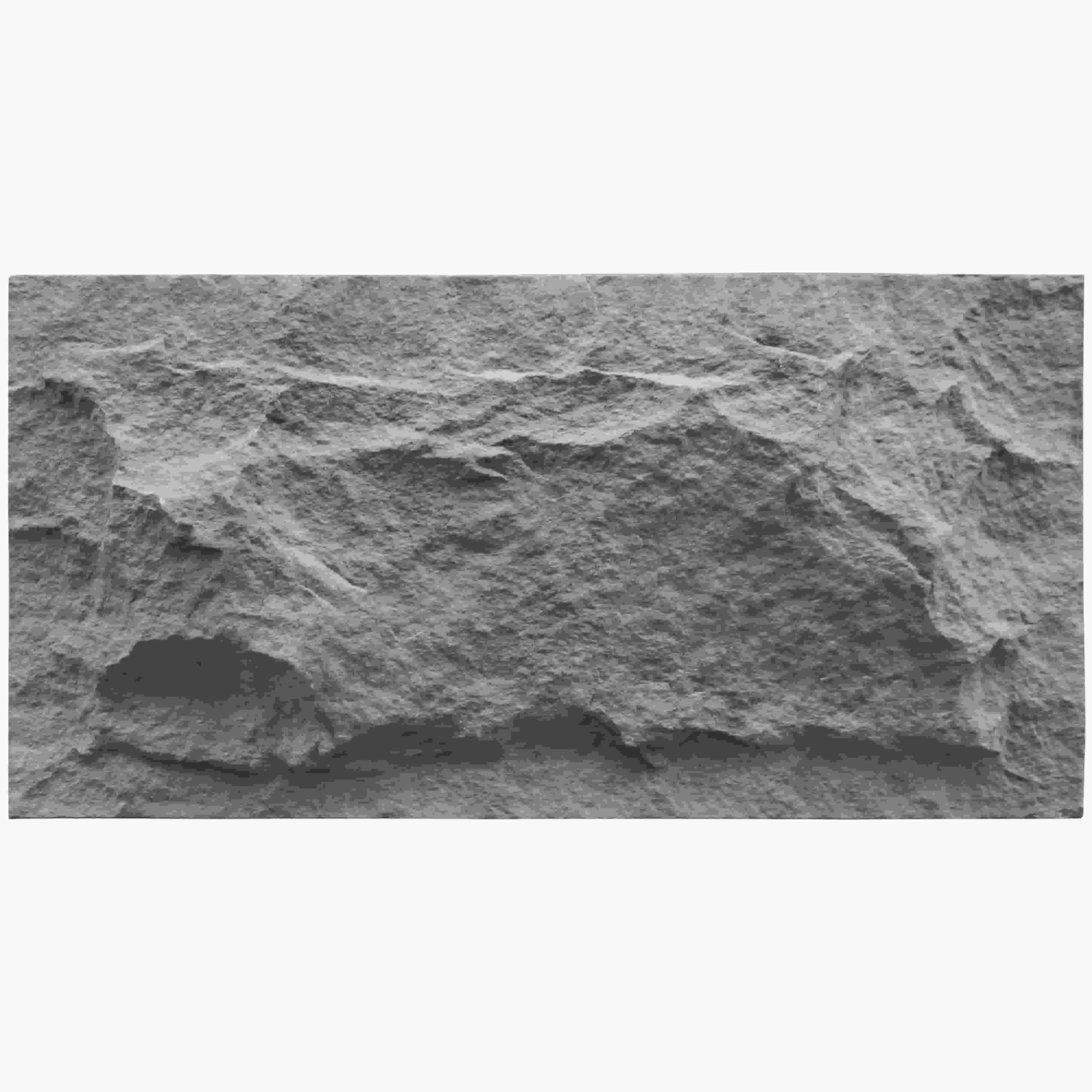
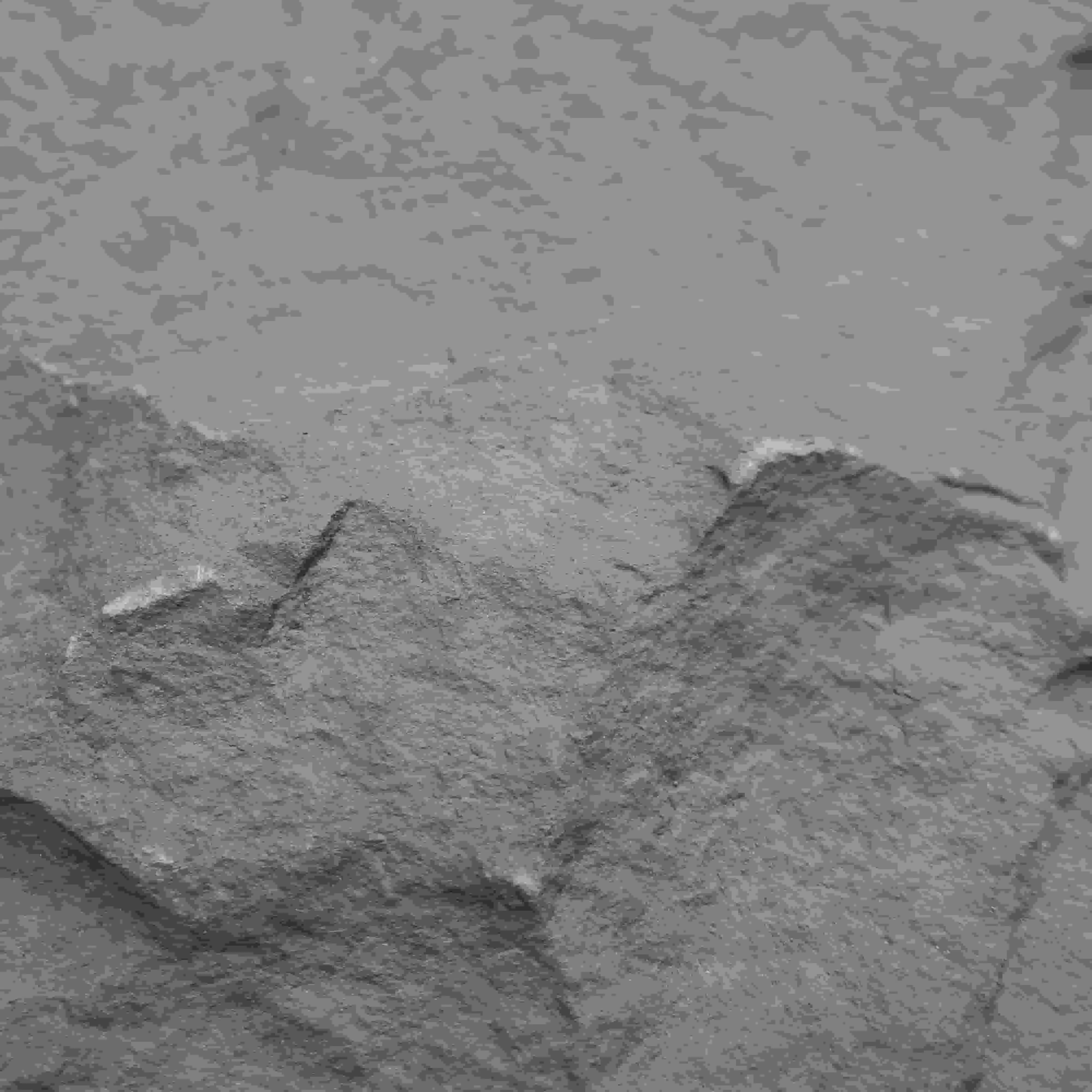
If natural stone is the "old soul" of building materials, Crossare Mushroom Stone043 is the "forward-thinker." Part of the broader MCM project board series, it's a product of advanced engineering—designed to mimic the look and texture of natural stone without the environmental toll of quarrying. But what is it, exactly?
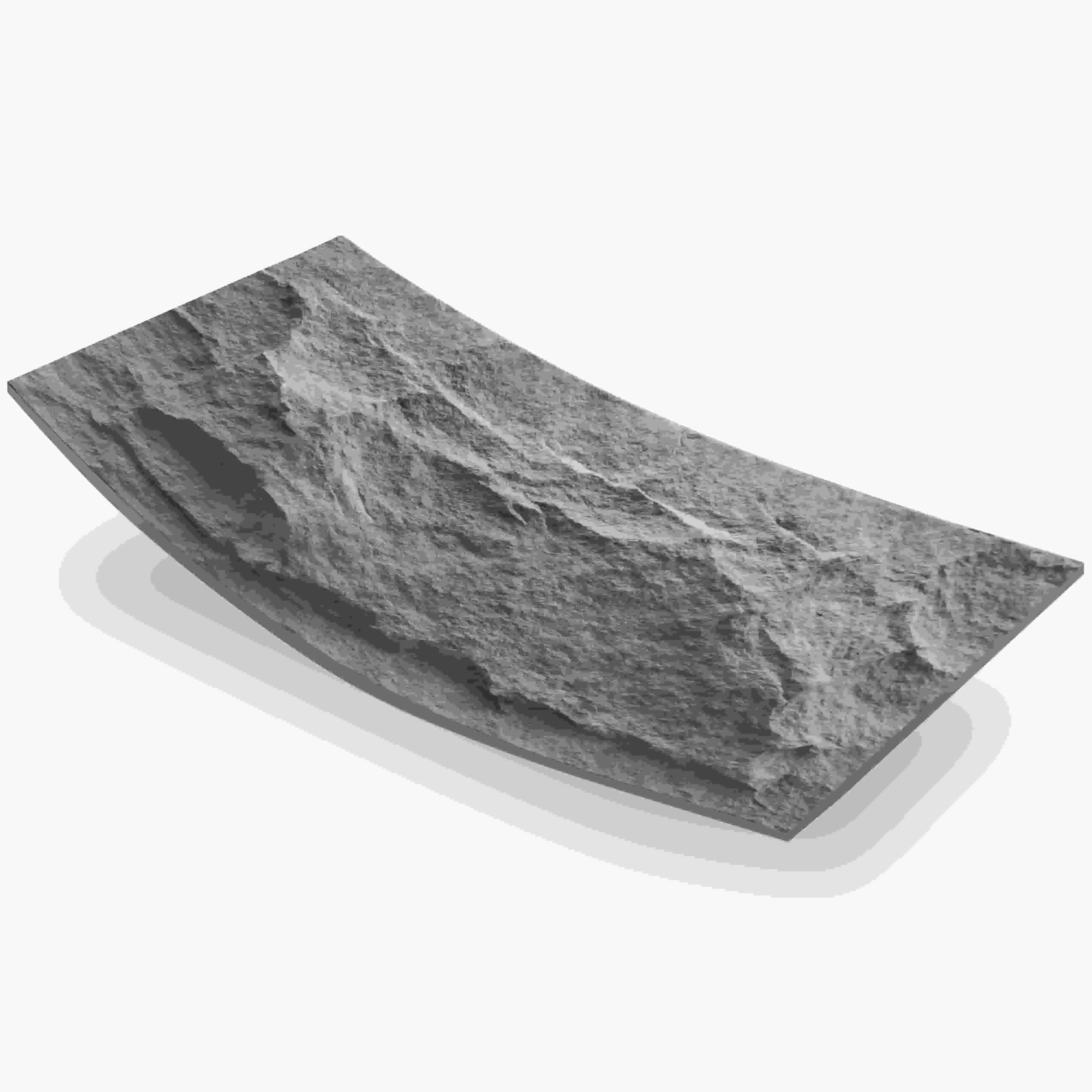
Crossare Mushroom Stone043 falls under the MCM flexible stone umbrella, a category known for its lightweight, durable, and adaptable nature. Unlike solid rock, it's crafted from a blend of recycled minerals, polymers, and natural aggregates—think crushed stone waste from quarries, reclaimed glass, or even agricultural byproducts. This composite is then molded, textured, and finished to replicate the organic patterns of mushroom stone, with its characteristic pockmarked surface and earthy tones.
What makes it stand out? For starters, flexibility. Traditional stone is rigid; MCM flexible stone bends slightly, making it ideal for curved walls or uneven surfaces. It's also significantly lighter—often 70% less dense than natural stone—meaning less strain on building structures and easier transportation. And because it's part of the MCM 3D printing series, production can be precision-engineered to minimize waste, with designs tailored to specific projects.
"We started seeing a demand for materials that look like stone but don't require tearing up mountains," says Maria Gonzalez, a sustainable building consultant with 15 years in the industry. "Crossare Mushroom Stone043 answers that. It's got the warmth of natural stone, but you don't have to quarry a single ton of rock to get it."
Natural stone—materials like travertine , lime stone (beige) , or historical pathfinders stone —has been humanity's building companion for millennia. From the Colosseum's travertine arches to the Great Wall's limestone bricks, it's a symbol of permanence and natural artistry. But that beauty comes with a cost.
Take travertine, for example. Quarried from sites like Italy's Tivoli or Turkey's Pamukkale, this porous, fossil-rich stone forms over centuries from mineral-rich hot springs. Extracting it involves heavy machinery: bulldozers clear vegetation, drills carve into rock faces, and explosives sometimes split large blocks. The process disrupts ecosystems, displaces wildlife, and can lead to soil erosion or water pollution if not managed carefully.
Then there's processing. Once quarried, raw stone blocks are transported to factories, where they're cut into slabs using diamond-tipped saws—an energy-intensive process that generates massive amounts of waste. For every 100 tons of natural stone quarried, up to 30 tons end up as offcuts, dust, or debris, much of which is dumped in landfills. Even the "perfect" slabs require polishing, which uses water and chemicals that can contaminate local waterways.
"I love natural stone—it's irreplaceable for historic restorations," says James Chen, a heritage architect who specializes in preserving old buildings. "But I've visited quarries where entire hillsides are stripped bare. It's a stark reminder that beauty without mindfulness can hurt the planet we're trying to protect."
And let's not forget transportation. A single slab of natural stone can weigh 200–300 pounds; shipping it across the country or overseas guzzles fuel and emits carbon dioxide. By the time it reaches a construction site, its carbon footprint is already significant—before installation even begins.
To truly understand which material is kinder to the planet, we need to compare their life cycles—from extraction to disposal. Let's break it down.
Natural stone starts with mining, which scars landscapes. Quarries can span acres, disrupting habitats and altering water tables. In contrast, Crossare Mushroom Stone043 is made in factories, using recycled materials (up to 40% in some formulations) that would otherwise end up in landfills. While MCM production does require energy (for mixing, molding, and curing), it avoids the ecological damage of quarrying.
Quarrying and processing natural stone are energy hogs. Cutting a single slab of travertine can use 50–100 kWh of electricity, and transporting heavy blocks adds to the energy bill. MCM production, on the other hand, is more efficient: its lightweight formula and 3D printing technology reduce energy use by up to 30% compared to natural stone processing, according to a 2024 study by the Green Building Council.
Natural stone waste is staggering. Quarries generate 10–30% waste, and cutting slabs adds another 15%. Crossare Mushroom Stone043, by contrast, is precision-molded, so waste during production is minimal (often less than 5%). Plus, many MCM products incorporate recycled stone dust or plastic, giving new life to materials that would otherwise pollute.
A truckload of natural stone might carry 10–15 slabs; the same truck could carry 50–60 sheets of Crossare Mushroom Stone043. Fewer trips mean lower fuel use and fewer emissions. For a 10,000 sq ft project, choosing MCM over natural stone could cut transportation-related CO2 emissions by 60%, estimates logistics firm EcoTrans.
Natural stone is undeniably durable—travertine walls have stood for centuries. But it's porous: without regular sealing (every 1–3 years), it stains easily. Crossare Mushroom Stone043, with its polymer coating, resists stains, moisture, and UV rays, needing little maintenance beyond occasional cleaning. Both can last 50+ years, but MCM's lower upkeep reduces long-term environmental impact (less water, chemicals, and energy for sealing).
| Environmental Factor | Crossare Mushroom Stone043 (MCM) | Natural Stone (e.g., Travertine, Limestone) |
|---|---|---|
| Extraction Impact | Low (factory-made, uses recycled materials) | High (quarrying disrupts ecosystems) |
| Energy Consumption | < 50 kWh per sq ft (production + transport) | 80–120 kWh per sq ft (quarrying + cutting + transport) |
| Waste Generated | ~3–5% (precision molding, recycled content) | 20–35% (quarry offcuts, cutting waste) |
| Carbon Footprint | ~2–3 kg CO2 per sq ft | 5–8 kg CO2 per sq ft |
| Recyclability | Limited (some components recyclable) | High (crushed for aggregate, reused in construction) |
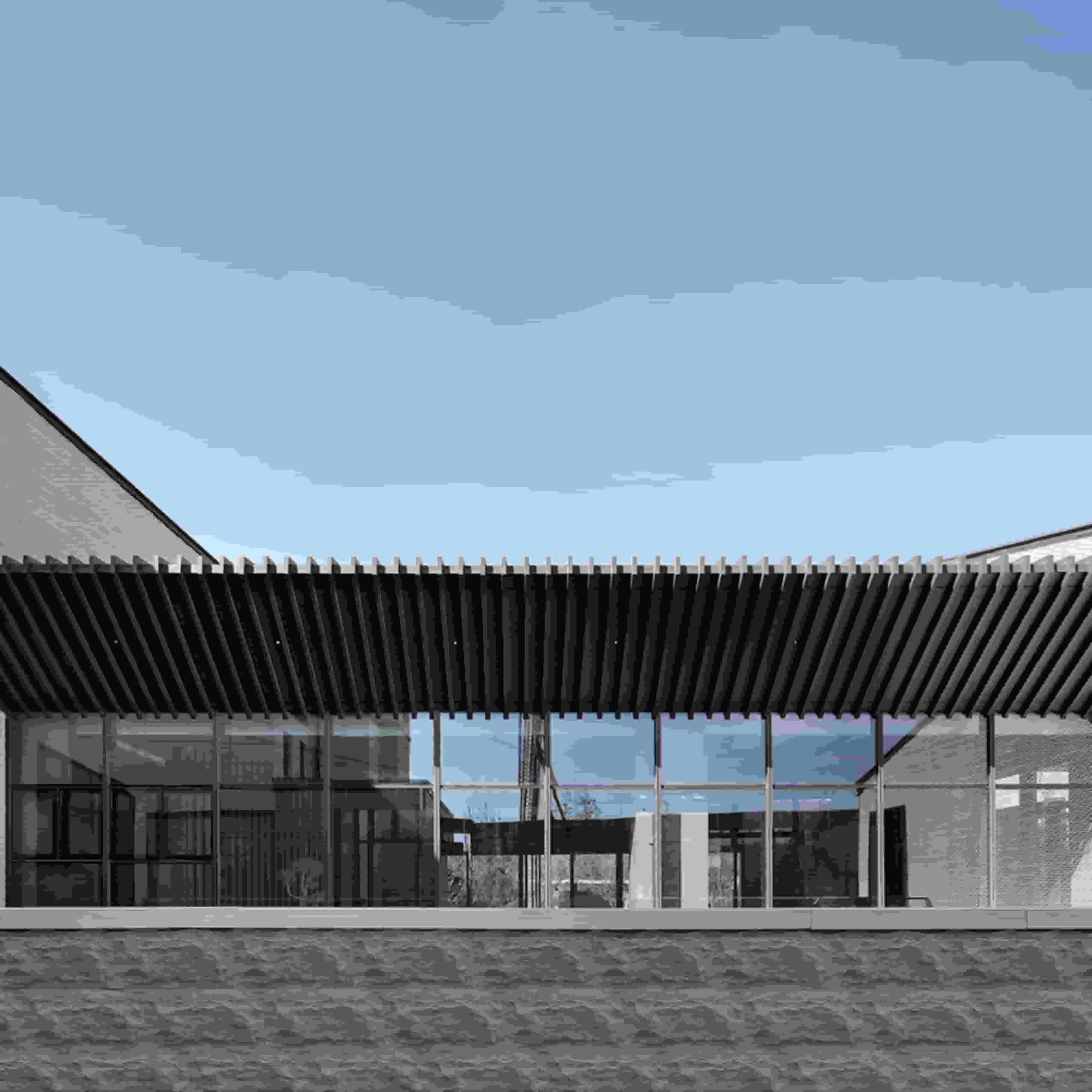
It's not about declaring one material "good" and the other "bad"—it's about fit. For historic buildings where authenticity is non-negotiable, natural stone like historical pathfinders stone or travertine (starry green) may still be the best choice. But for new builds, commercial spaces, or projects prioritizing sustainability, Crossare Mushroom Stone043 shines.
Consider the Gobi Panel Community Center in Arizona, a 2023 project that used MCM flexible stone for its exterior. "We wanted the look of desert rock without disrupting local geology," says lead architect Lina Patel. "Crossare Mushroom Stone043 mimicked the texture of Gobi Desert stone perfectly, and we cut our carbon footprint by 45% compared to using natural sandstone."
On the flip side, the restoration of Rome's 17th-century Palazzo Conti relied on traditional travertine. "You can't replace 400-year-old stone with composites here—it would erase history," explains restoration expert Marco Rossi. "But we offset the impact by using locally quarried travertine and repurposing 80% of the original stone waste as aggregate for the garden paths."
Crossare Mushroom Stone043 and natural stone each have their place. Natural stone whispers of tradition and timelessness; MCM materials shout of innovation and sustainability. As we build the world of tomorrow, the choice between them isn't just about aesthetics—it's about asking: What kind of planet do we want to leave behind?
For many, the answer lies in materials like Crossare Mushroom Stone043—products that honor the beauty of natural stone while treading lighter on the earth. They're not perfect, but they're a step forward. And in the end, progress isn't about perfection; it's about choosing better, one wall, one floor, one building at a time.
"We don't have to sacrifice beauty for sustainability," says Maria Gonzalez. "Materials like MCM flexible stone prove we can have both. The future of building isn't about replacing natural stone—it's about evolving alongside it."
Recommend Products












