
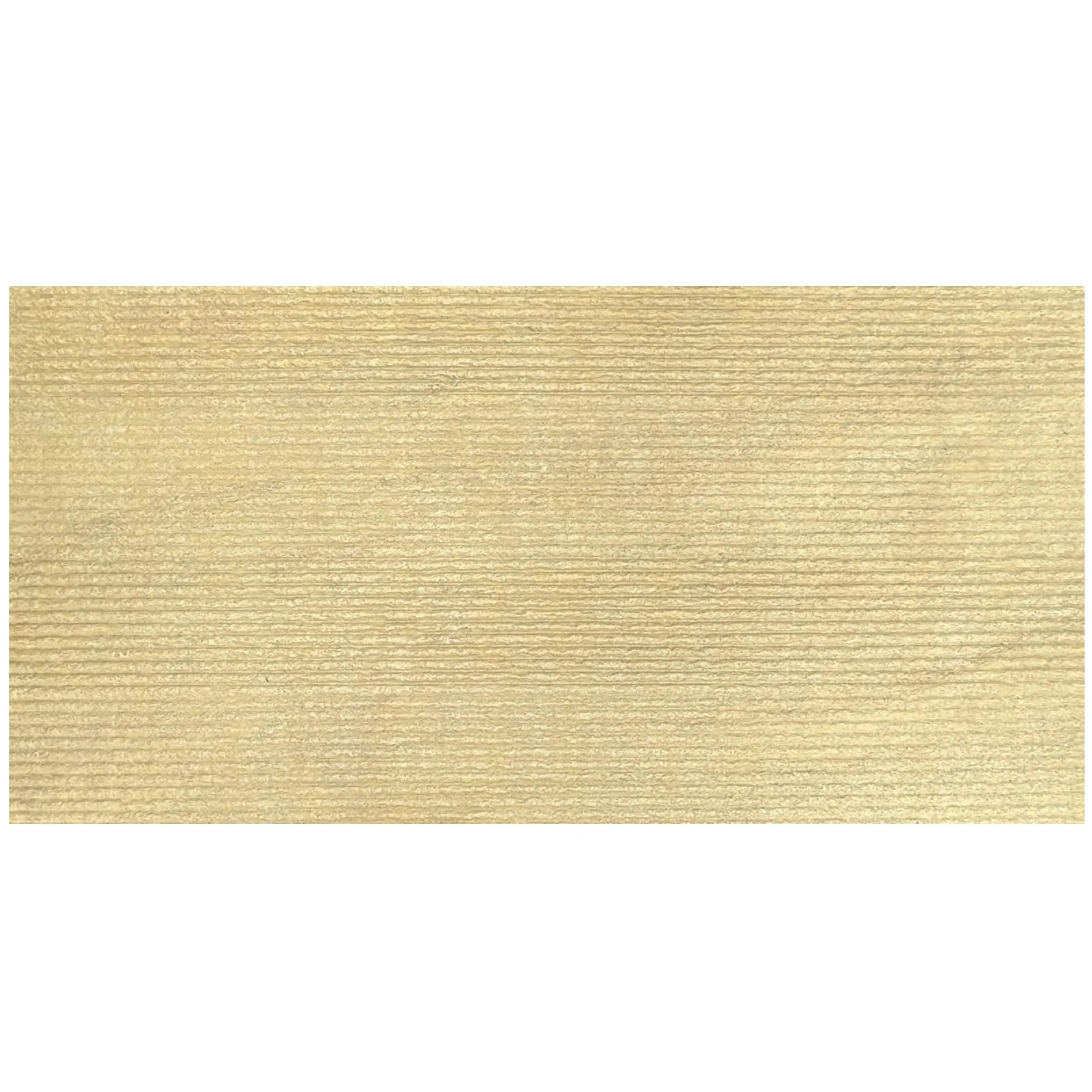
Walk into any modern architectural showcase, and you'll notice a quiet revolution unfolding: the materials we build with are no longer just about aesthetics—they're about responsibility. As climate change pressures the construction industry to shrink its carbon footprint, the choice between traditional and engineered materials has become a defining factor in sustainable design. Today, we're putting two contenders under the microscope: Gravel Omani Stone, a natural beauty with deep cultural roots, and MCM Materials, a family of engineered solutions including mcm flexible stone and the mcm big slab board series . Let's explore how these materials stack up when it comes to protecting our planet.
First, let's journey to the deserts of Oman, where Gravel Omani Stone has been shaped by millennia of wind and water. Quarried from ancient riverbeds and wadis, this stone is prized for its earthy texture and warm, sun-baked hues—qualities that have made it a staple in Middle Eastern architecture for centuries. From traditional fortresses to luxury resorts, its natural charm tells a story of place and heritage.
But that charm comes with an environmental price tag, starting with extraction. Quarrying Gravel Omani Stone involves heavy machinery tearing into the earth, disrupting fragile desert ecosystems. Imagine vast stretches of arid land scarred by bulldozers, where native flora and fauna once thrived. The process also stirs up dust, contributing to air pollution, and runoff from quarries often carries sediment and chemicals into local water sources, threatening the region's already scarce freshwater supplies.
Once extracted, the stone undergoes minimal processing—mostly cutting and polishing—but even that step isn't without impact. The energy required to power saws and polishers adds to its carbon footprint, and the water used in cooling and cleaning machinery strains local resources in a country where rainfall averages just 100mm annually. Then there's transportation: a single slab of Gravel Omani Stone can weigh upwards of 200kg, meaning fleets of trucks are needed to ship it globally. Each mile those trucks travel pumps CO2 into the atmosphere, turning a locally sourced material into a globally impactful one.
To be fair, Gravel Omani Stone has one standout eco-cred: durability. A well-installed stone facade can last 50 years or more, reducing the need for frequent replacements. But its weight and rigidity also mean that installation often leaves behind 10-15% waste—broken slabs or offcuts that end up in landfills, as the stone can't be easily recycled.
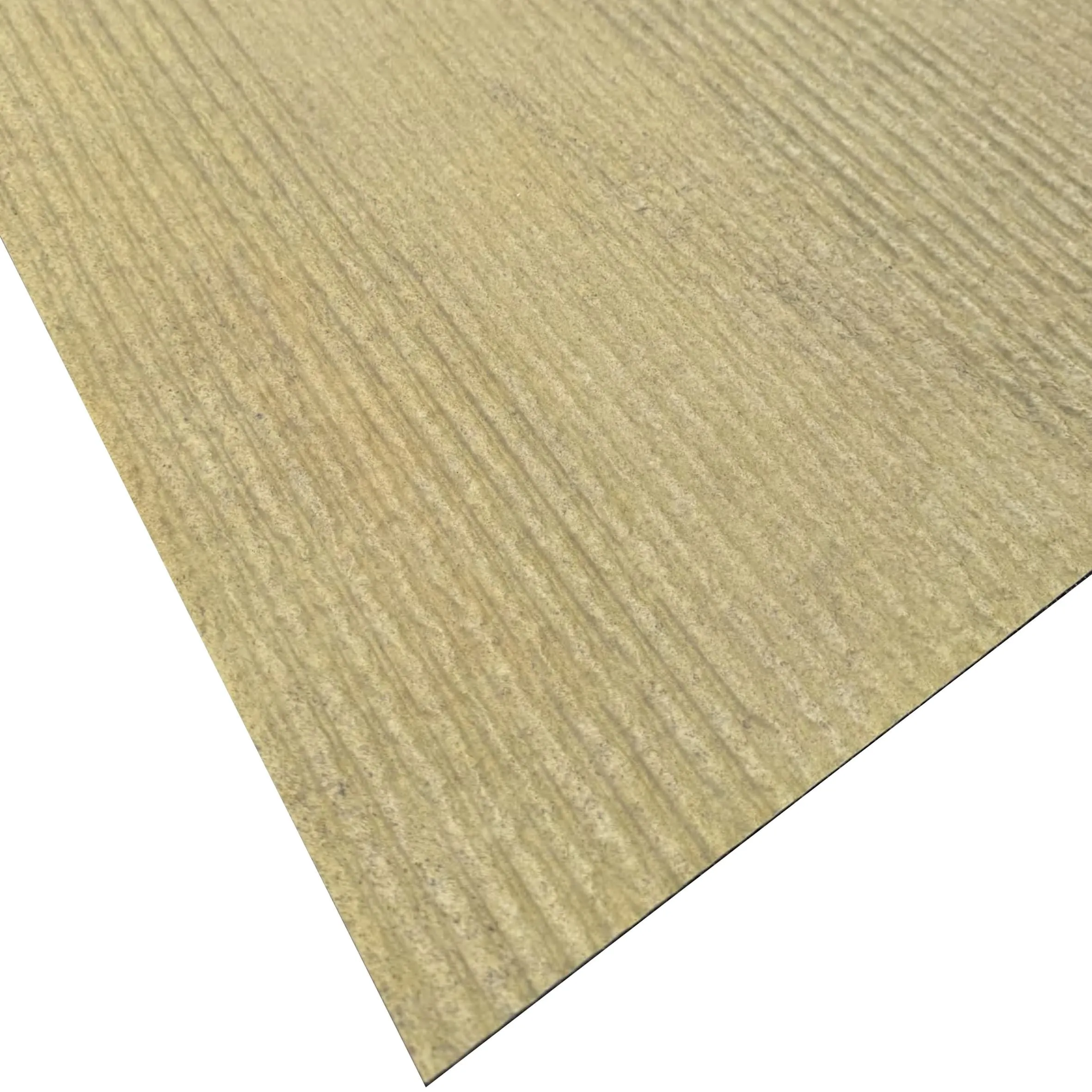
Enter MCM Materials—short for Modified Composite Material—a category of engineered products designed to mimic the look of natural stone, but with a fraction of the environmental baggage. At the heart of this family are stars like mcm flexible stone and the mcm big slab board series , which blend natural minerals, recycled polymers, and stone dust to create panels that are thin, lightweight, and surprisingly versatile.
The magic starts with manufacturing. Unlike quarrying, which rips raw stone from the earth, MCM production repurposes waste. Up to 30% of the material in mcm flexible stone comes from recycled stone dust and offcuts from natural stone processing—waste that would otherwise clog landfills. This "upcycling" reduces the need for virgin extraction, easing pressure on ecosystems.
Energy use is another win. MCM factories rely on efficient, low-heat curing processes, cutting carbon emissions compared to the energy-intensive quarrying and polishing of natural stone. A 2023 study by the Green Building Council found that manufacturing mcm big slab board series panels generates 60% less CO2 than extracting and processing an equivalent area of Gravel Omani Stone. Water usage is also drastically lower: MCM production uses closed-loop systems that recycle 90% of the water involved, a critical advantage in water-scarce regions.
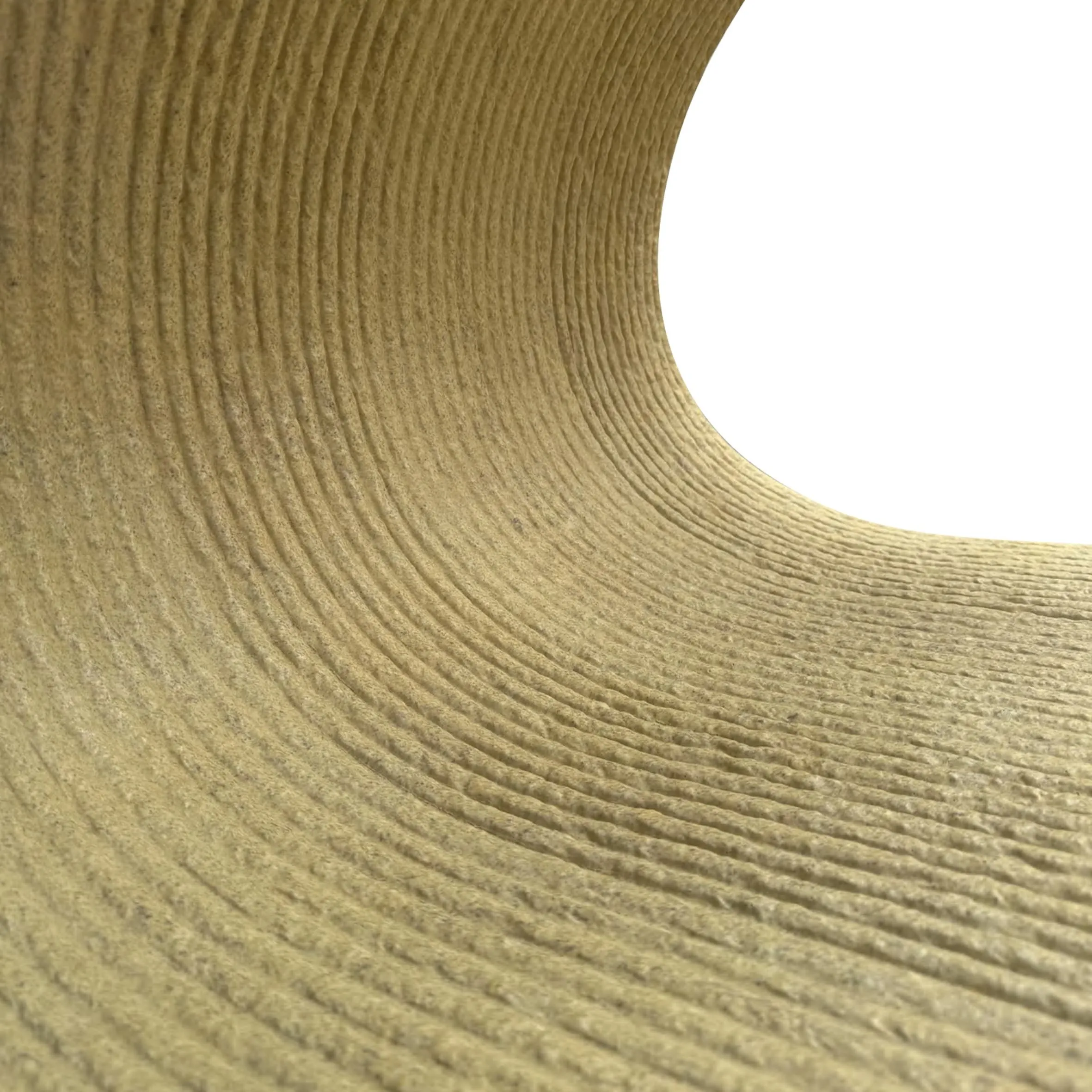
Then there's the design itself. Mcm flexible stone lives up to its name—it bends, making it ideal for curved surfaces like domes or columns, which traditionally require custom-cutting natural stone (and generating tons of waste). The mcm big slab board series takes this further with large-format panels (up to 1.2m x 3m), reducing the number of joints in a facade and cutting installation waste to just 2-3%. For architects, this means fewer trips to the landfill and a more seamless finish.
To really see the difference, let's put Gravel Omani Stone and MCM Materials side by side. The table below compares key environmental metrics, focusing on mcm flexible stone and mcm big slab board series as representatives of MCM technology:
| Environmental Aspect | Gravel Omani Stone | MCM Materials ( mcm flexible stone & mcm big slab board series ) |
|---|---|---|
| Extraction Impact | High: Quarrying disrupts ecosystems, causes soil erosion, and depletes natural stone reserves. | Low: Uses recycled stone dust and minimal virgin materials; no large-scale land disturbance. |
| Carbon Footprint (Manufacturing) | High: 80-100kg CO2 per m² (quarrying + cutting + polishing). | Low: 25-35kg CO2 per m² (recycled content + energy-efficient curing). |
| Water Usage | High: 200-300 liters per m² (cooling machinery, dust suppression). | Low: 20-30 liters per m² (90% recycled water in closed-loop systems). |
| Transportation Impact | High: Heavy (200-300kg/m²), requiring more trucks and fuel (15-20kg CO2 per ton-mile). | Low: Lightweight (30-50kg/m²), cutting trucking needs by 70% (5-7kg CO2 per ton-mile). |
| Installation Waste | High: 10-15% waste from cutting to size and breakage. | Low: 2-3% waste due to flexibility (mcm flexible stone) and large slabs (mcm big slab board series). |
| End-of-Life Recyclability | Low: Inert but not recyclable; ends up in landfills. | High: Can be ground down and reused in new MCM panels or as aggregate. |
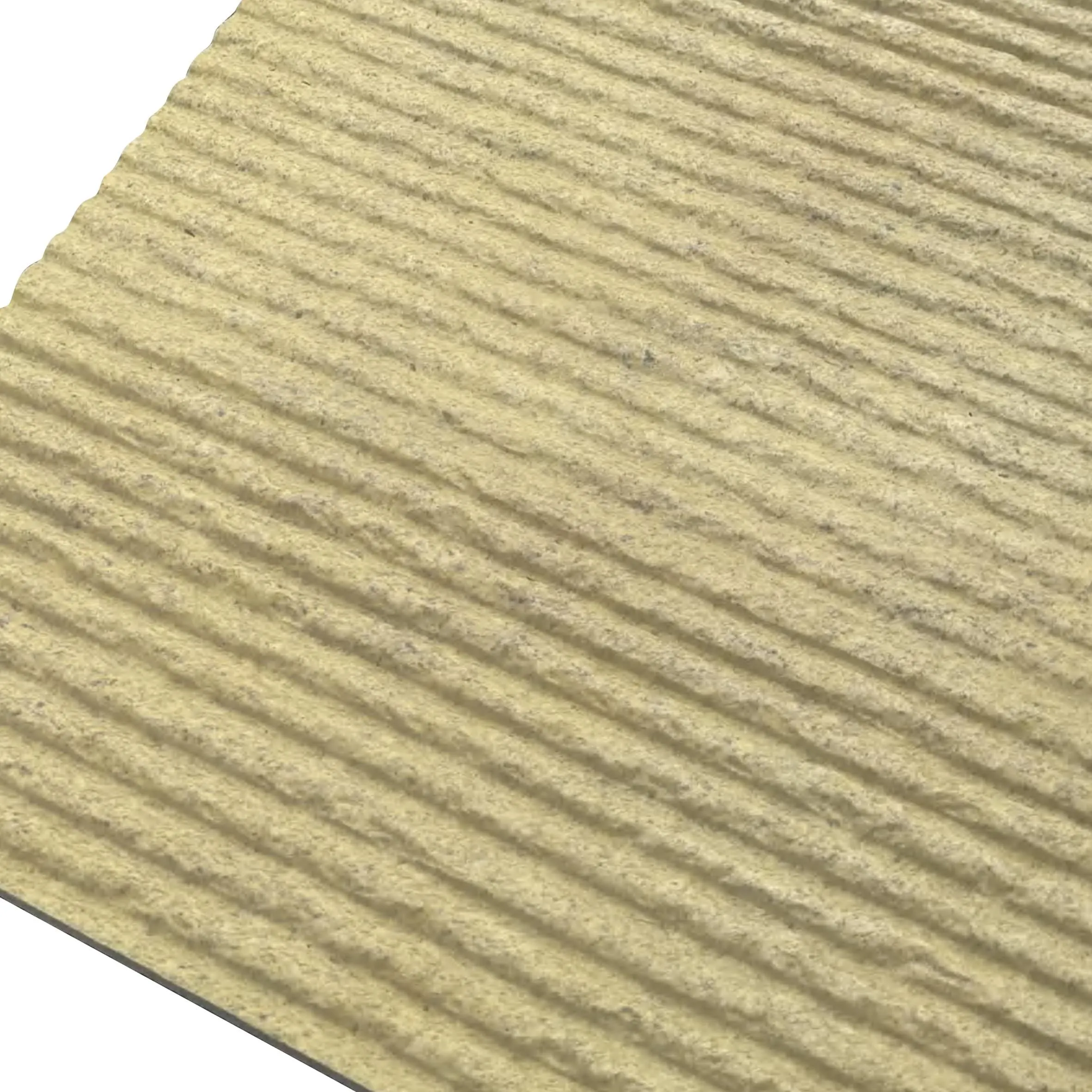
In 2022, the Desert Rose Hotel in Muscat, Oman, faced a dilemma: renovate its aging facade with traditional Gravel Omani Stone or switch to mcm big slab board series . The hotel's design team crunched the numbers and made a bold choice—and the results were eye-opening.
By opting for MCM, the project avoided quarrying 2,500 tons of Gravel Omani Stone, saving 10 acres of desert habitat from disruption. Transportation emissions dropped by 75% because the MCM panels weighed 1/5th of the natural stone, requiring just 12 trucks instead of 48. Installation waste plummeted from an expected 15 tons (with stone) to just 1.2 tons (with MCM). Over the 50-year lifespan of the facade, the hotel estimates it will save 1,200 tons of CO2—equivalent to taking 260 cars off the road for a year.
And the guests? They couldn't tell the difference. The mcm big slab board series panels mimicked the warm texture of Gravel Omani Stone so closely that even local architects praised the "authenticity" of the design. As the hotel's sustainability director put it: "We didn't just save the planet—we saved our budget and our aesthetic vision."
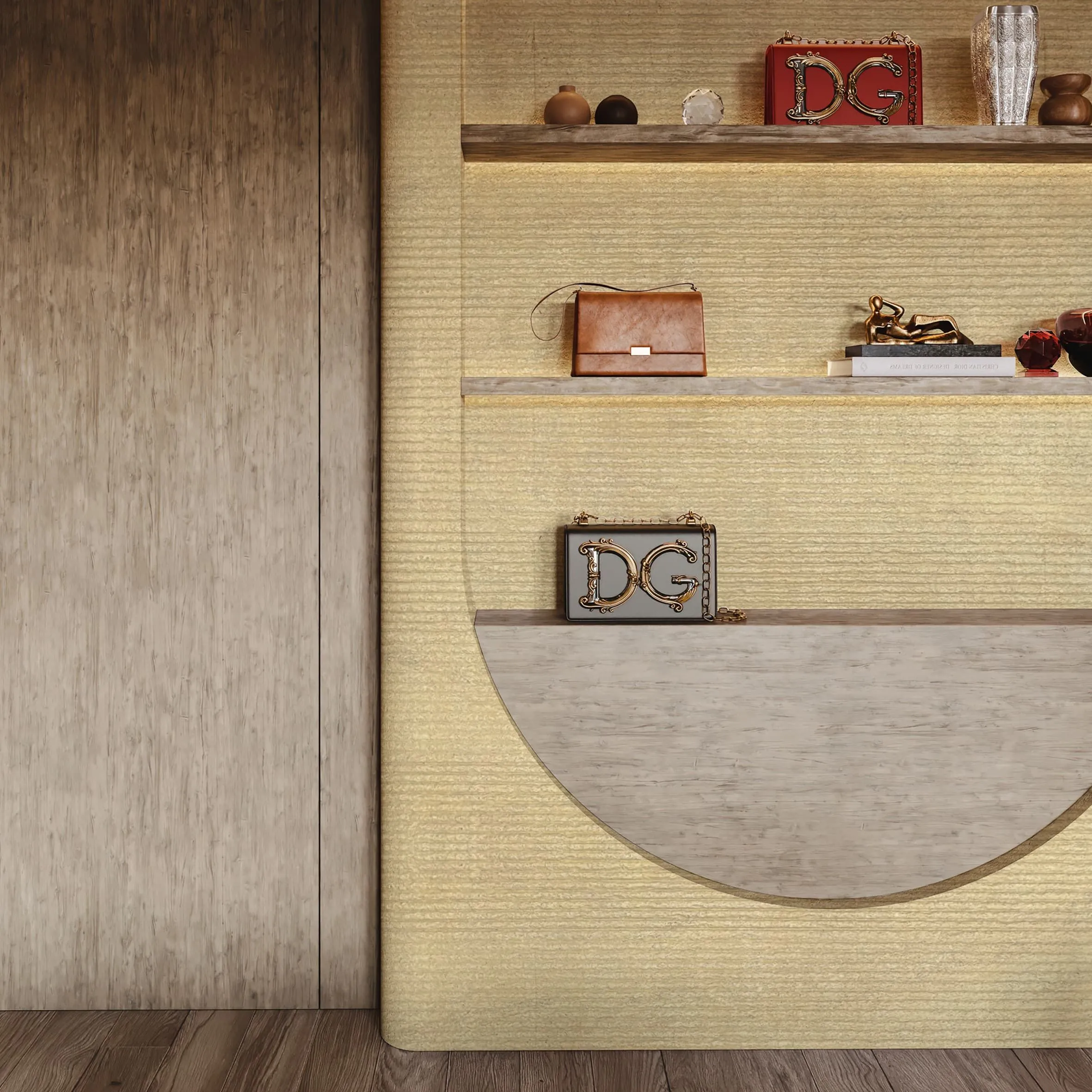
To be clear, Gravel Omani Stone isn't without merit. Its connection to Omani heritage is irreplaceable; in historic restoration projects, using local stone honors cultural identity in a way engineered materials can't. There's also the argument for "naturalness"—some designers prefer materials that age with patina, and Gravel Omani Stone develops a unique weathered look over time that MCM, while durable, can't perfectly replicate.
But for most modern projects—commercial buildings, residential complexes, even new cultural centers—MCM Materials offer a compelling middle ground. They let architects honor the aesthetic of natural stone while prioritizing the planet. And as technology advances, MCM is closing the gap on "authenticity": new finishes in the mcm flexible stone line now include hand-chiseled textures and color variations that mirror the uniqueness of natural stone.
As the construction industry races to meet net-zero goals, materials like mcm flexible stone and the mcm big slab board series are more than just alternatives—they're necessities. They prove that sustainability doesn't require sacrificing beauty; it requires reimagining how we create it.
Gravel Omani Stone will always have a place in our built heritage, but for the buildings of tomorrow—those that will shape our cities for decades to come—MCM Materials offer a path forward. They're a reminder that every choice we make, from the slab on the wall to the panel on the roof, is a vote for the kind of planet we want to leave behind.
So the next time you walk past a shimmering facade, take a closer look. Is it natural stone, heavy with history? Or is it MCM, light with possibility? The answer might just tell you everything about the future we're building—one panel at a time.
Recommend Products












