
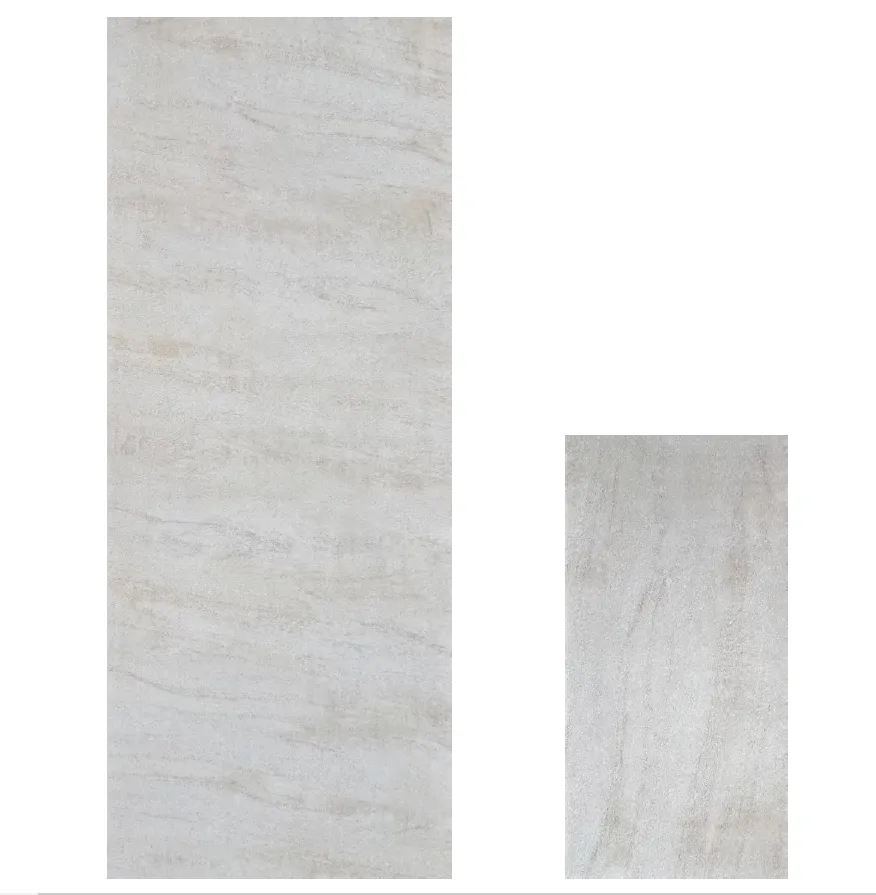
Every time we step into a building—whether it's a cozy café with a marble countertop or a grand office lobby clad in granite—we're interacting with materials that tell a story. But beyond their aesthetic appeal, these materials carry a hidden narrative: their impact on the planet. In an era where sustainability isn't just a buzzword but a urgent necessity, the choice between traditional natural stone and innovative alternatives like Marble Stream Stone has never mattered more. This article dives into the environmental footprints of these two options, exploring how our building choices shape ecosystems, carbon levels, and the future of our built environment.
Marble Stream Stone isn't your typical building material. Picture a surface that captures the essence of a mountain stream—its gentle ripples, the way light dances on water, the organic flow of nature—yet it's crafted not by centuries of geological pressure, but by human ingenuity. Part of the broader marble series , this engineered stone is designed to mimic the look and feel of natural marble, travertine, or limestone, but with a manufacturing process that prioritizes sustainability from start to finish.
At its core, Marble Stream Stone is a composite material, often blending recycled stone aggregates, eco-friendly resins, and natural minerals. Unlike natural stone, which is hewn from the earth in large blocks, this material is produced in controlled facilities where waste is minimized. Imagine a production line where leftover stone dust from quarries—once discarded as waste—is repurposed, mixed with low-VOC binders, and pressed into panels that mirror the (texture) of a babbling brook. The result? A product that reduces reliance on virgin raw materials while still offering the timeless elegance of natural stone.
What truly sets Marble Stream Stone apart is its versatility. It's lightweight, making it easier to transport and install, and it comes in a range of finishes—from polished to matte—that suit everything from residential accent walls to commercial facades. Architects and designers love it not just for its beauty, but for its practicality: it's resistant to cracks, stains, and weathering, meaning buildings clad in it require less frequent replacement, further lowering their lifecycle impact.
Natural stone—think marble, granite, travertine, or travertine (starry blue) —has been a cornerstone of architecture for millennia. From the Parthenon's marble columns to the Taj Mahal's intricate inlays, its durability and grandeur have made it a symbol of permanence. But this permanence comes at a price. Quarrying natural stone is a process that leaves deep scars on the earth. Heavy machinery tears into mountainsides, disrupting habitats, altering watercourses, and releasing clouds of dust that harm local air quality. In some regions, quarrying has led to deforestation, soil erosion, and even the depletion of groundwater reserves as operations pump millions of gallons to wash and process stone.
Consider the journey of a single slab of natural marble. It starts in a quarry in Italy, Greece, or India, where dynamite or hydraulic hammers break rock from the earth. The stone is then cut into rough blocks, loaded onto trucks, and shipped across continents to processing facilities, where it's sliced into slabs, polished with water and abrasives, and finally transported again to job sites. Each step burns fossil fuels: the diesel in quarry trucks, the electricity for polishing machines, the fuel for cargo ships. By the time that marble slab reaches your kitchen counter, it has already left a significant carbon trail.
Then there's waste. Natural stone extraction is inefficient: for every ton of usable stone, up to 50% can end up as waste—broken fragments, dust, or off-cuts that can't be repurposed. These scraps often end up in landfills, where they take centuries to decompose, if they decompose at all. And while natural stone is undeniably durable, its weight makes installation labor-intensive and risky; a single slab can weigh hundreds of pounds, requiring cranes and specialized equipment that add to the project's energy use.
To truly understand the difference, let's break down the environmental impact of Marble Stream Stone and natural stone across key categories:
| Environmental Factor | Marble Stream Stone | Natural Stone (e.g., Marble, Granite) |
|---|---|---|
| Extraction & Raw Materials | Uses recycled stone dust, aggregates, and minimal virgin materials. No quarrying required, reducing habitat destruction. | Requires quarrying, which disrupts ecosystems, displaces wildlife, and depletes non-renewable resources. |
| Energy Consumption (Production) | Manufacturing uses 30-40% less energy than natural stone extraction and processing, thanks to efficient, controlled facilities. | High energy use due to heavy machinery, transportation of raw blocks, and water-intensive polishing. |
| Carbon Emissions | Lower carbon footprint: lighter weight reduces transportation emissions; recycled content cuts reliance on fossil fuels. | High emissions from quarrying, transportation, and processing—estimated at 2-3x that of engineered stones like Marble Stream Stone. |
| Waste Generation | Minimal waste: manufacturing processes are precise, and scraps can often be recycled back into production. | Up to 50% waste during extraction and processing; most waste is non-biodegradable and sent to landfills. |
| Transportation Impact | Lightweight (often 50% lighter than natural stone) reduces fuel use during shipping and installation. | Heavy slabs require more fuel for transportation; international shipping amplifies carbon emissions. |
| Durability & Lifespan | Highly durable; resistant to chipping, staining, and weathering. Lifespan of 30+ years with minimal maintenance. | Durable but prone to cracking under stress; requires sealing and maintenance to prevent staining, especially in high-moisture areas. |
| Recyclability | At end-of-life, can be crushed and reused as aggregate in new construction materials. | Difficult to recycle; most end up in landfills due to weight and lack of recycling infrastructure. |
The table tells a clear story: while natural stone has a rich history and unmatched authenticity, its environmental cost is steep. Marble Stream Stone, by contrast, offers a way to enjoy natural aesthetics without sacrificing the planet.
Marble Stream Stone isn't the only innovator in sustainable building materials. Enter flexible stone —a lightweight, durable alternative that's gaining traction among eco-conscious architects. Part of the MCM (Modified Composite Material) family, flexible stone is exactly what it sounds like: thin, bendable panels that can mimic the look of travertine, slate, or even rusty red masonry, but with a fraction of the environmental impact.
Flexible stone is made by bonding natural stone veneers (often just 1-3mm thick) to a backing of fiberglass, aluminum, or recycled polymers. This design makes it incredibly lightweight—up to 80% lighter than natural stone slabs—slashing transportation emissions. Imagine a construction crew installing an entire facade in a day, using nothing more than basic tools, because the panels are easy to cut, bend, and affix. No heavy cranes, no risk of back injuries, and significantly less energy used on-site.
Like Marble Stream Stone, flexible stone prioritizes waste reduction. The thin stone veneers are often sourced from off-cuts of natural stone production—pieces that would otherwise be discarded. By using these scraps, flexible stone gives new life to materials that would have ended up in landfills, further closing the loop on sustainability.
It's one thing to talk about environmental impact in theory; it's another to see it in action. Take the example of the GreenPlex Tower, a 12-story commercial building in Portland, Oregon. The architects initially planned to use natural travertine (starry blue) for the facade, drawn to its unique, star-like veining. But after crunching the numbers—calculating quarrying emissions, transportation costs, and waste—they switched to Marble Stream Stone. The result? A building that looks identical to the original plan, but with a 40% lower carbon footprint during construction. Tenants now praise the facade for its ability to reflect sunlight, reducing cooling costs in summer, and its resistance to Oregon's rainy weather, meaning less maintenance over time.
Another example: a residential development in Barcelona, Spain, where developers chose flexible stone over traditional muretto stone for the exterior walls. The goal was to create a community that blended in with the city's historic architecture—known for its warm, earthy tones—without contributing to local quarrying pressures. The flexible stone panels, designed to mimic the rough texture of muretto, met that goal perfectly. Today, the development uses 25% less energy for heating and cooling, thanks to the panels' insulating properties, and the project received LEED Gold certification for its sustainable design.
The choice between Marble Stream Stone and natural stone isn't just about aesthetics or cost—it's about values. As consumers, architects, and developers, we hold the power to demand materials that honor both nature and human creativity. Natural stone will always have a place in our built heritage, but for new projects, the question must be asked: Is the beauty of natural stone worth the damage to ecosystems, the carbon emissions, and the waste?
Marble Stream Stone and flexible stone represent a middle ground: materials that don't compromise on beauty, but that do compromise on harm. They're proof that innovation can replicate nature's wonders without exploiting them. As technology advances, we can expect even more breakthroughs—materials that use 100% recycled content, that sequester carbon, or that self-heal minor damages, further reducing their lifecycle impact.
At the end of the day, our buildings are more than just structures; they're statements about what we value. Do we value short-term beauty over long-term planetary health? Or do we choose materials that let us build a world where future generations can admire both the architecture and the intact forests, rivers, and mountains beyond it? The answer, increasingly, is clear.
Key Takeaway: While natural stone has timeless appeal, its extraction and processing take a heavy toll on the environment. Innovations like Marble Stream Stone and flexible stone offer a way to enjoy natural aesthetics with lower carbon emissions, less waste, and greater efficiency. As we build the future, let's choose materials that honor both the planet and the art of design.
Recommend Products












