
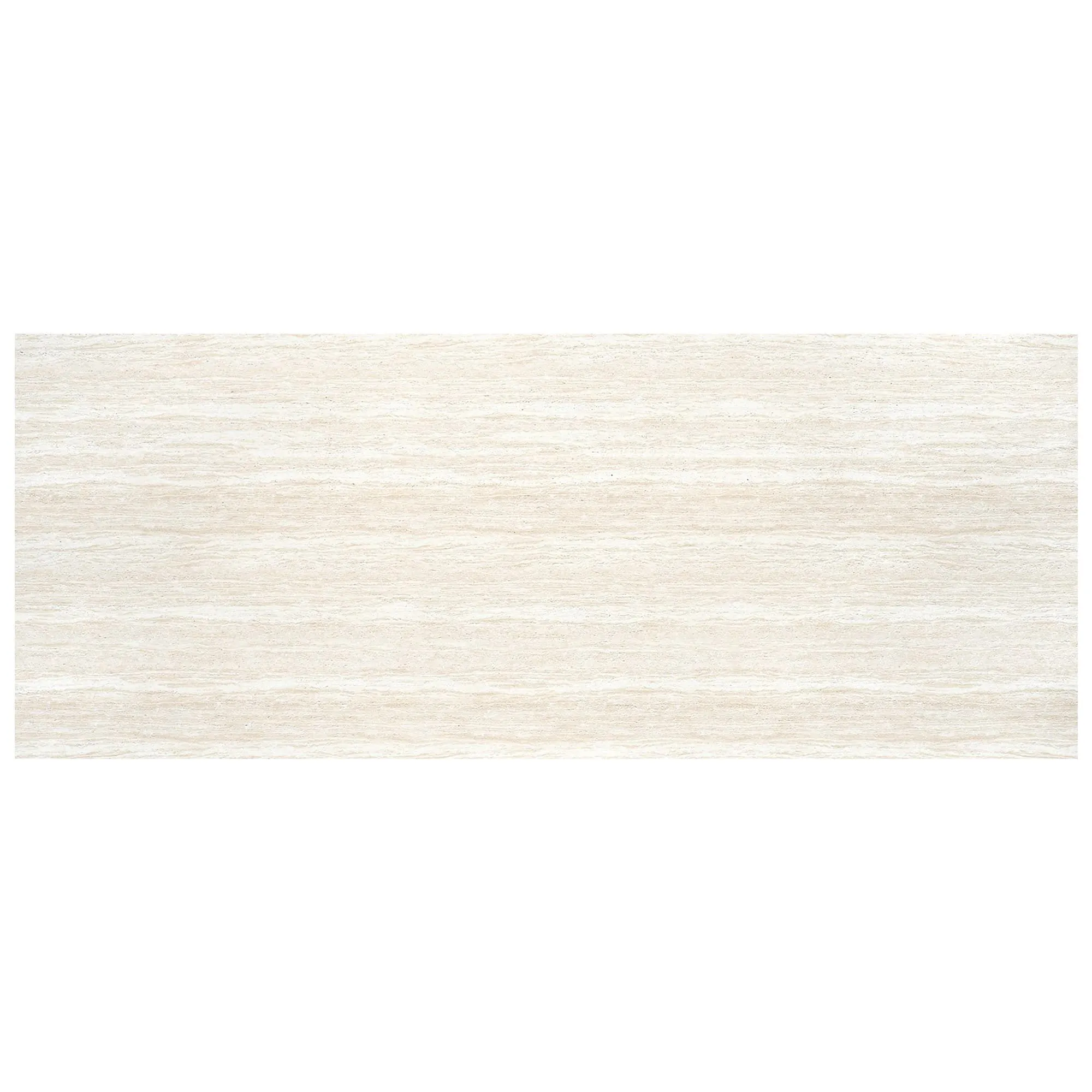
Every time we walk into a building—whether it's the office where we work, the café where we grab coffee, or the home where we unwind—we rarely stop to think about the materials that shape it. But those materials? They leave a footprint, and not just the physical kind. The construction industry is one of the biggest contributors to global carbon emissions, responsible for nearly 40% of energy-related CO₂ output worldwide. From quarrying stone to manufacturing concrete, the choices we make in building materials ripple far beyond the walls they form. That's where innovations like MCM Wood Line come in—not just as a trend, but as a quiet revolution in how we build sustainably. Let's dive into why this material matters, and how it's helping shrink the construction industry's carbon footprint, one panel at a time.
For decades, construction relied on "tried and true" materials: natural stone like lime stone(beige) , heavy concrete slabs, and solid wood. While these materials have their merits—durability, classic aesthetics—their environmental toll is steep. Let's break it down.
Take natural stone, for example. Quarrying lime stone(beige) involves massive machinery, drilling, and blasting, which releases tons of CO₂ and disrupts local ecosystems. Then there's transportation: a single slab of natural stone can weigh hundreds of pounds, requiring fuel-guzzling trucks to haul it from quarries (often in remote areas) to job sites. By the time it's installed, the carbon emissions from extraction to placement add up fast.
Concrete, another staple, is even more problematic. Producing fair-faced concrete involves heating limestone and clay to scorching temperatures (over 1,400°C) in kilns, a process that releases CO₂ directly. The cement industry alone is responsible for about 8% of global carbon emissions—more than all airplanes combined. And once concrete is poured, it's hard to recycle; old concrete often ends up in landfills, where it doesn't biodegrade.
Wood, while renewable, isn't guilt-free either. Deforestation for timber destroys carbon-absorbing forests, and even "sustainable" logging can't keep up with the demand for wood grain textures in modern design. The result? A cycle where building beautiful spaces often comes at the planet's expense.
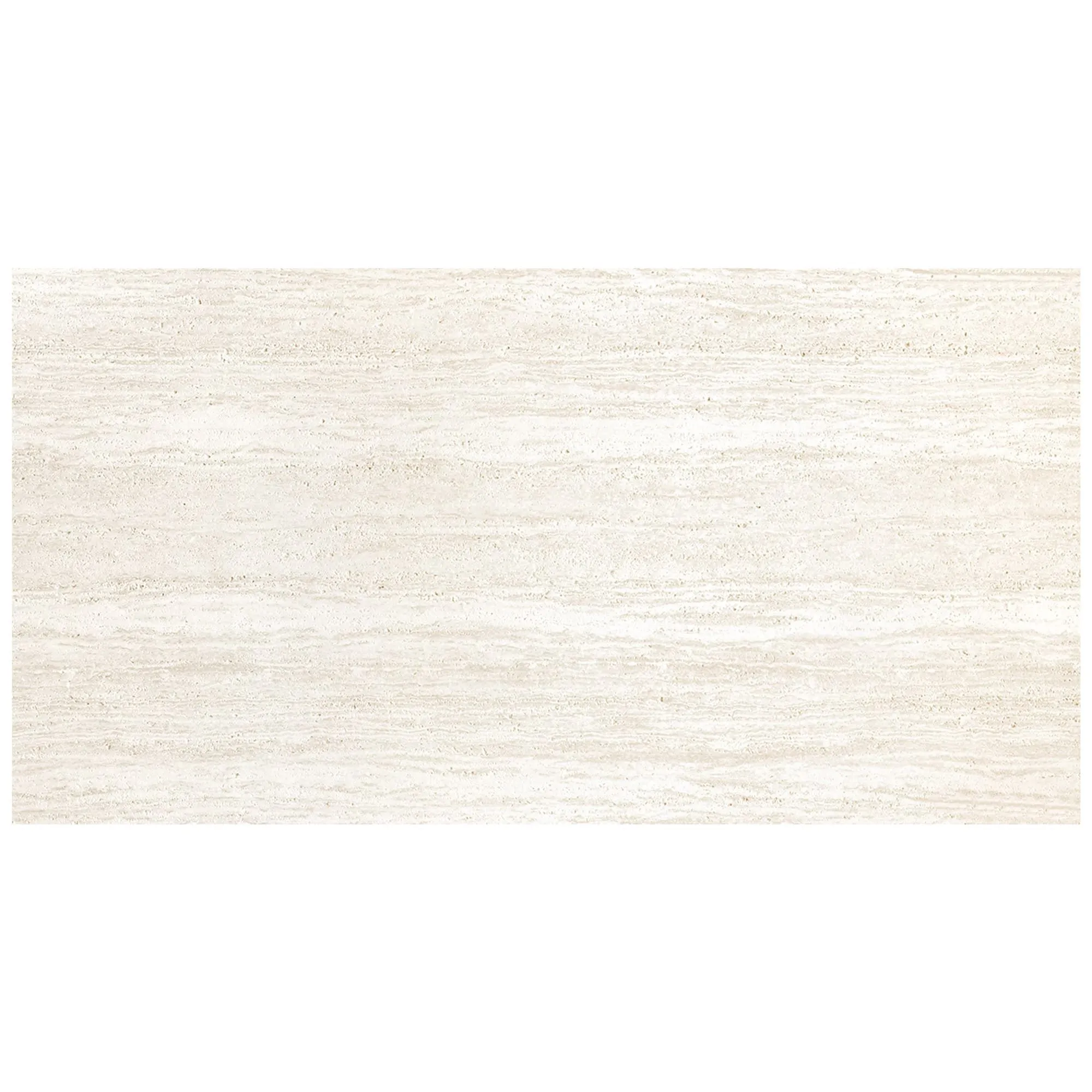
MCM (Modified Composite Material) Wood Line flips the script. At its core, it's a engineered material designed to mimic the look and feel of natural wood, stone, or concrete—without the environmental baggage. Here's why it's a game-changer:
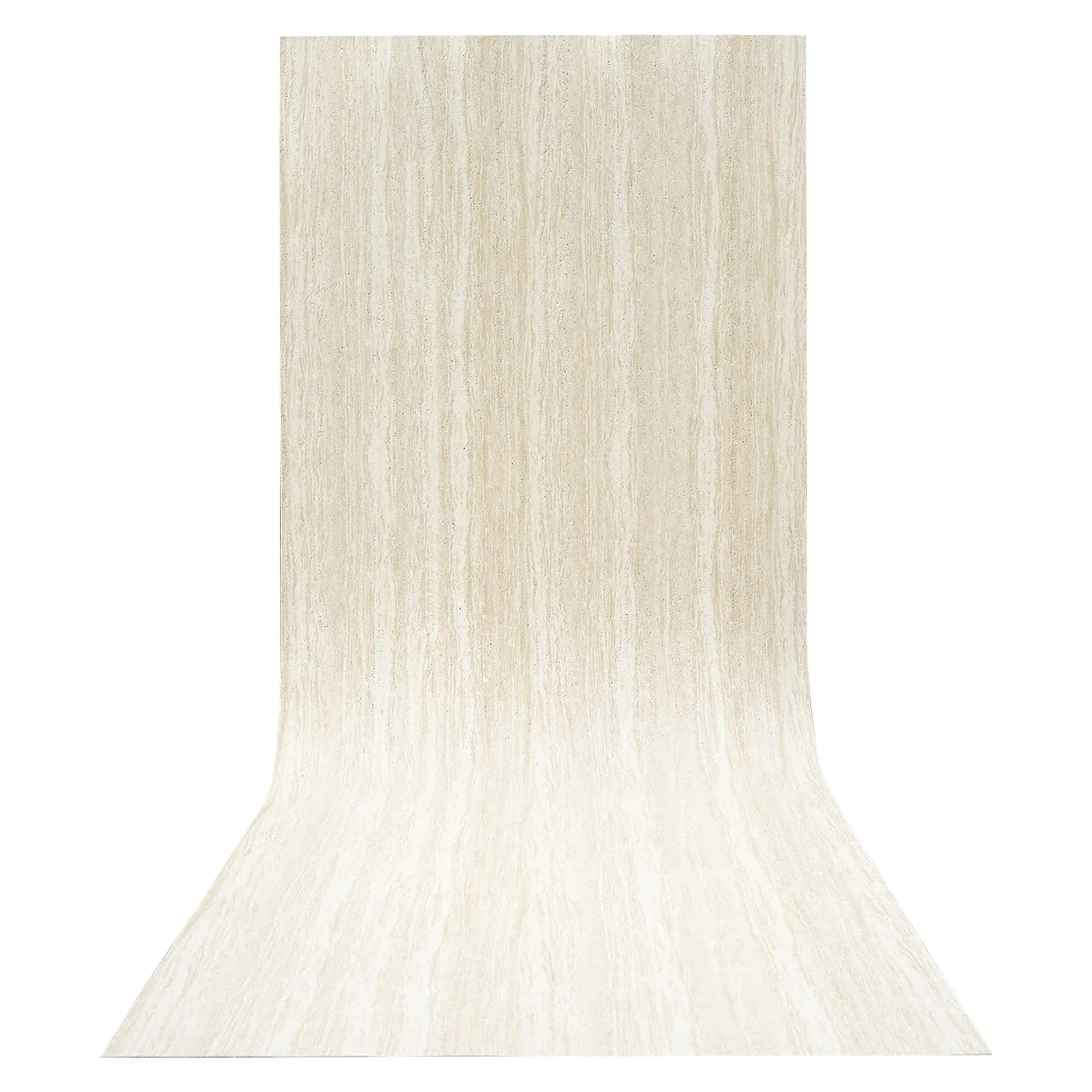
Unlike heavy natural stone or concrete, MCM panels are ultra-lightweight. A typical MCM Wood Line panel weighs 70-80% less than a comparable slab of lime stone(beige) . That might not sound like much, but when you scale it up to a skyscraper or a sprawling mall, the difference is staggering. Lighter materials mean fewer trucks on the road, less fuel burned during transportation, and lower emissions from installation (since workers need less heavy machinery to lift and place them).
MCM is made by blending recycled minerals, polymers, and fibers—think ground-up stone waste or reclaimed plastics—into a durable composite. The production process uses far less energy than quarrying or concrete manufacturing. For example, creating MCM flexible stone panels requires minimal heat and no blasting, cutting CO₂ emissions during production by up to 60% compared to traditional stone.
One of the smartest things about MCM is its design for efficiency. The MCM Big Slab Board Series features large-format panels (some up to 1.2m x 2.4m) that cover more surface area with fewer pieces. Fewer panels mean faster installation, less labor, and reduced waste from cutting. On a typical commercial project, this can cut on-site energy use by 30%—no small feat when you consider the power tools, lighting, and equipment needed for construction.
Sustainability isn't just about lowering emissions today—it's about building materials that last. MCM Wood Line panels are resistant to water, fire, and fading, meaning they don't need frequent replacement. Compare that to natural wood, which can rot or warp in humid climates, or lime stone(beige) , which may crack over time. By extending a building's material lifespan, MCM reduces the need for future extraction and manufacturing, shrinking its long-term carbon footprint.
| Material | Carbon Emissions (kg CO₂/m²)* | Transportation Impact (kg CO₂/ton) | Installation Energy Use (kWh/m²) | Expected Lifespan (Years) |
|---|---|---|---|---|
| Natural lime stone(beige) | 45-60 | 120-150 | 8-10 | 30-50 |
| Fair-faced concrete | 80-100 | 80-100 | 6-8 | 50-70 |
| Solid Wood Panels | 30-40 | 90-110 | 5-7 | 20-30 |
| MCM Wood Line | 15-20 | 30-40 | 2-3 | 50-80 |
*Includes extraction, manufacturing, and transportation.
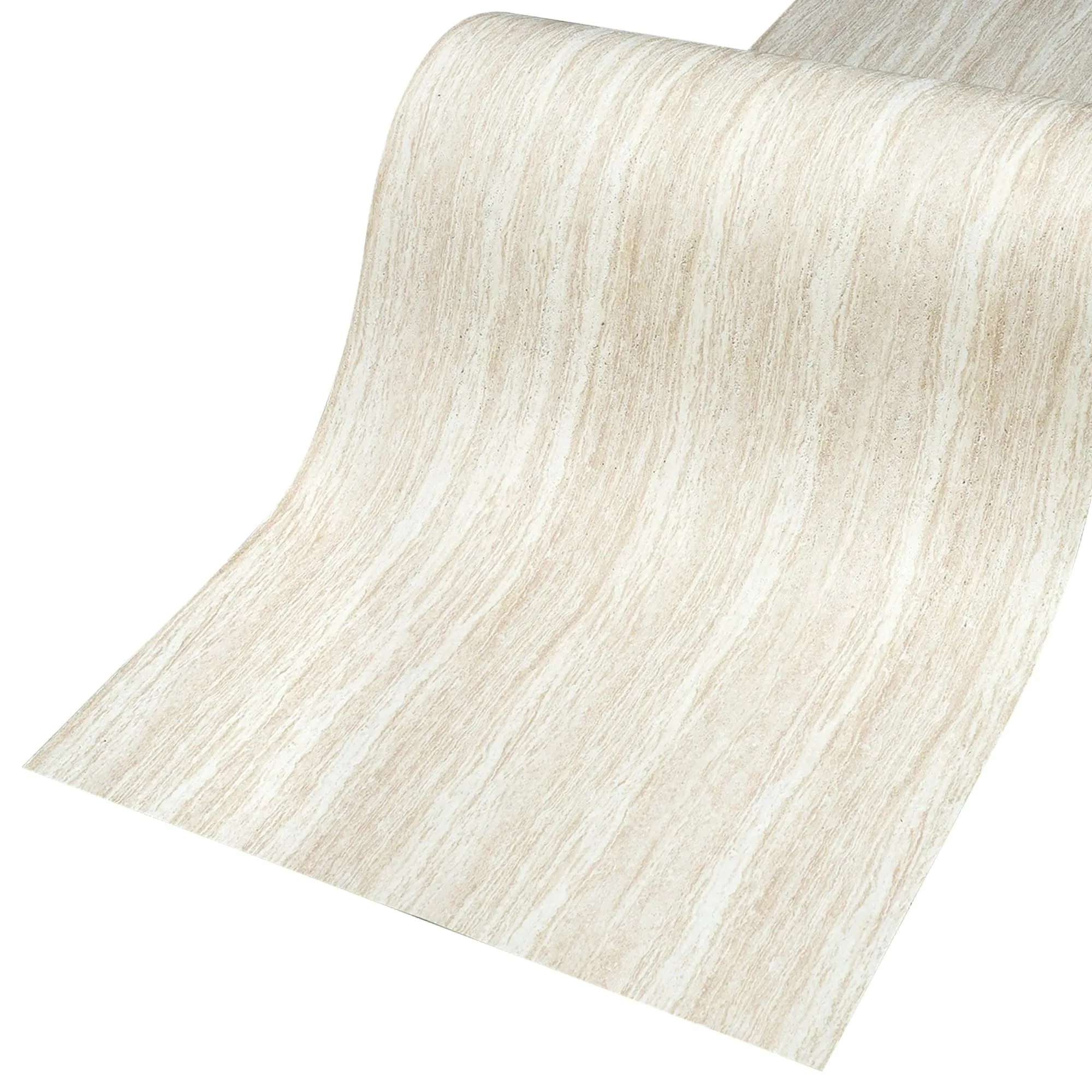
Numbers tell a story, but real projects bring it to life. Let's look at two examples where MCM Wood Line made a tangible difference in reducing carbon footprints.
When developers set out to build GreenHaven, a 10-story office building in downtown Seattle, sustainability was non-negotiable. They wanted a warm, wood-like aesthetic but refused to use solid timber (due to deforestation concerns) or high-emission materials. Enter MCM Wood Line's wood grain board panels.
The project used 2,500 m² of MCM Wood Line panels. Compared to using natural wood, this choice saved an estimated 75 tons of CO₂ emissions—equivalent to taking 16 cars off the road for a year. The lightweight panels also cut transportation costs by 40%, as fewer trucks were needed to deliver materials. Today, GreenHaven's lobby features a stunning wall of wood grain board that looks and feels like reclaimed oak, but with a fraction of the environmental impact.
A residential complex in Austin, Texas, opted for MCM Wood Line to clad its exterior, replacing traditional lime stone(beige) siding. The switch reduced the building's embodied carbon (emissions from materials) by 35%. Installation was also faster: crews finished the exterior in 6 weeks instead of the projected 10, saving on energy use from job site equipment. Residents love the warm, earthy look—many even assume the panels are real stone. "We wanted our homes to feel connected to nature, not at the cost of nature," says the project architect. "MCM let us have both."
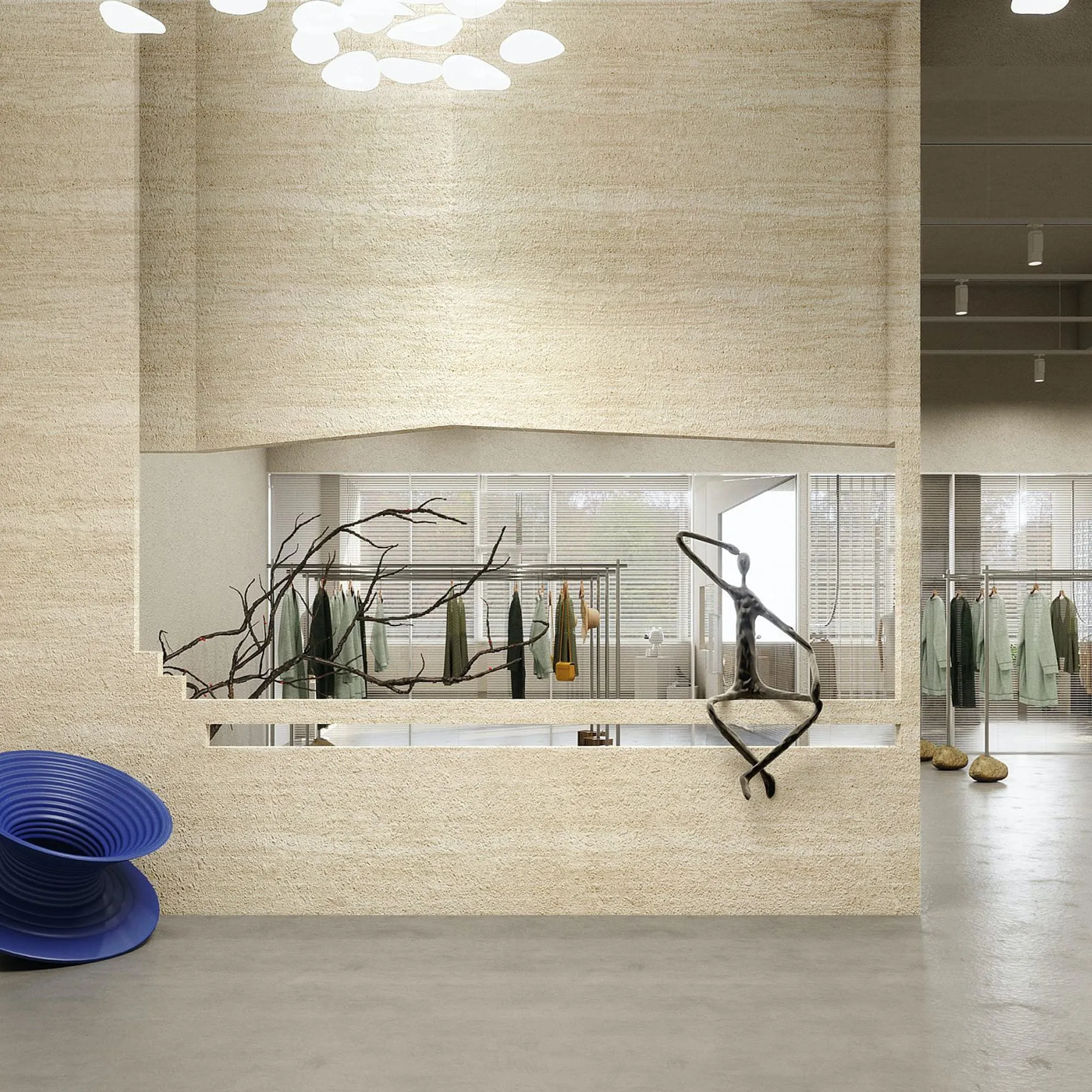
MCM Wood Line is just the start. Innovations like the mcm 3d printing series are pushing boundaries further, allowing custom panels to be printed on-site with minimal waste. Imagine a world where a building's facade is 3D-printed from recycled MCM materials, cutting transportation needs entirely. Or flexible stone panels that bend to create curved, energy-efficient building designs—no heavy cutting or shaping required.
As more architects and builders prioritize sustainability, MCM is poised to become a staple. Its versatility helps too: whether you're designing a modern high-rise or a cozy cottage, there's an MCM texture to match—from wood grain board to lime stone(beige) finishes. And with brands investing in even greener manufacturing (think solar-powered factories and plant-based polymers), the carbon footprint of MCM is only going to shrink.
Sustainable construction isn't about sacrificing beauty or durability. It's about reimagining what's possible. MCM Wood Line proves that we can have buildings that inspire—with the warmth of wood, the elegance of stone, or the sleekness of concrete—without overburdening the planet. It's a small change in materials, but small changes add up. When multiplied across thousands of buildings, neighborhoods, and cities, MCM could help the construction industry take a giant leap toward net-zero emissions.
So the next time you walk into a building, take a closer look at the walls. Are they made from materials that protect the planet, or ones that harm it? The answer might surprise you—and it might just inspire you to ask for better. After all, the future of our cities, and our climate, depends on the choices we make today.
Recommend Products












