
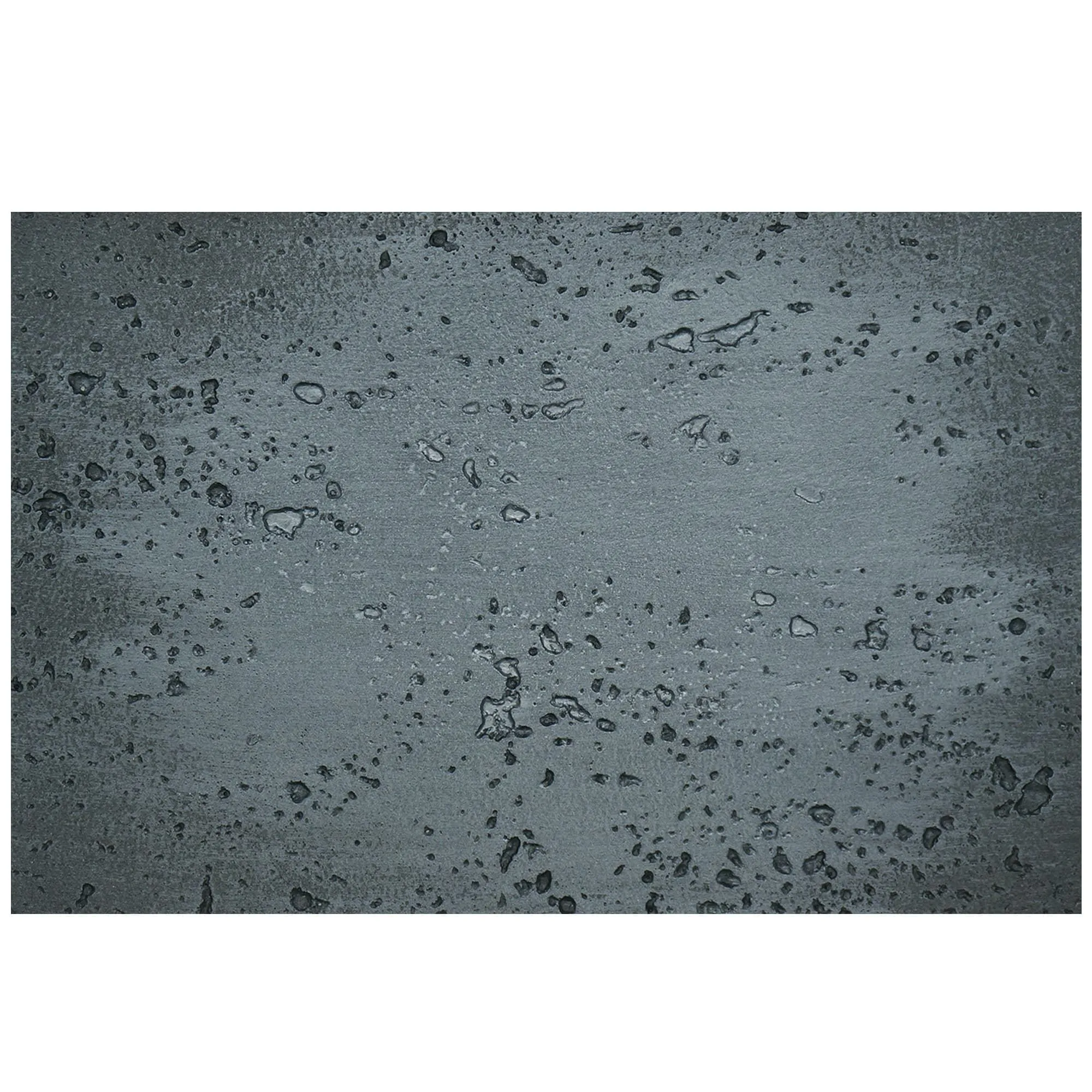
Walk into any modern home design magazine or scroll through a home renovation blog, and you're likely to stumble upon it: the soft, weathered glow of travertine (vintage silver). Its muted silver-gray tones, pitted surface, and organic texture have made it a darling of interior designers and homeowners alike. It's the kind of material that feels both timeless and contemporary—like bringing a piece of ancient Roman architecture into a sleek, minimalist living room. But what if that "timeless" beauty comes with a hidden cost? Behind every slab of travertine (vintage silver) lies a mining process that leaves a significant footprint on our planet. Let's pull back the curtain and explore what it really takes to bring this popular stone from the earth to your floor, wall, or countertop.
First, let's get to know the star of the show. Travertine is a type of sedimentary rock, formed over thousands of years by mineral-rich hot springs. As water flows through the earth, it picks up calcium carbonate, then deposits it layer by layer as it cools—think of it like nature's own slow-motion concrete pour. The result is a stone with a porous, honeycombed structure that's both sturdy and surprisingly lightweight (for a rock, anyway).
Vintage silver travertine is a specific variety, prized for its cool, silvery-gray hue with subtle beige or gold undertones. It's often quarried in regions famous for travertine production: Tuscany in Italy, the Denizli region of Turkey, or parts of Iran. Miners seek out veins where the mineral deposits and environmental conditions have created that signature "vintage" look—slightly worn, as if the stone has been kissed by time. But here's the thing: that "time-kissed" appearance is just the start. To get it from the quarry to your home, the stone undergoes a process that's anything but gentle on the planet.
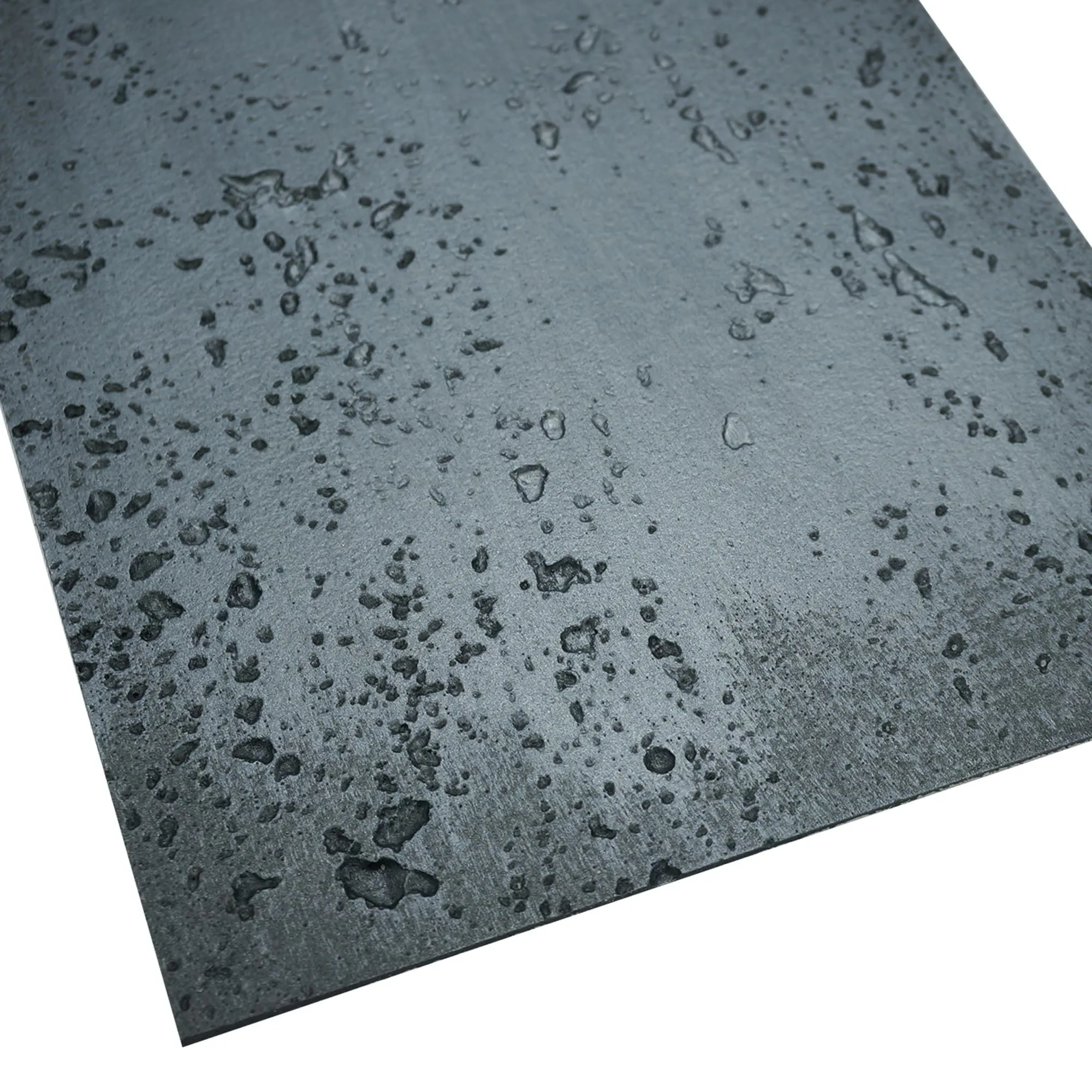
Mining travertine (vintage silver) isn't as simple as picking up rocks from the ground. It starts with prospecting: geologists identify areas where travertine deposits are thick and of high quality. Once a site is chosen, the land is cleared—trees, shrubs, and topsoil are stripped away to expose the stone beneath. Then the heavy machinery moves in: drills, bulldozers, and hydraulic hammers break the rock into large blocks. These blocks are then cut into slabs using diamond-tipped saws, which generate massive amounts of dust and wastewater. After cutting, the slabs are polished, sealed, and shipped around the world—often traveling thousands of miles from quarries in Turkey or Italy to homes in the U.S., Australia, or Asia.
Each step of this process demands energy, water, and resources. Let's break it down: clearing the land disrupts local ecosystems. Drilling and blasting release greenhouse gases from machinery. Cutting and polishing require gallons of water to cool tools and wash away debris. And shipping those heavy slabs? That's a significant carbon footprint, too. It's a chain of actions that adds up—fast.
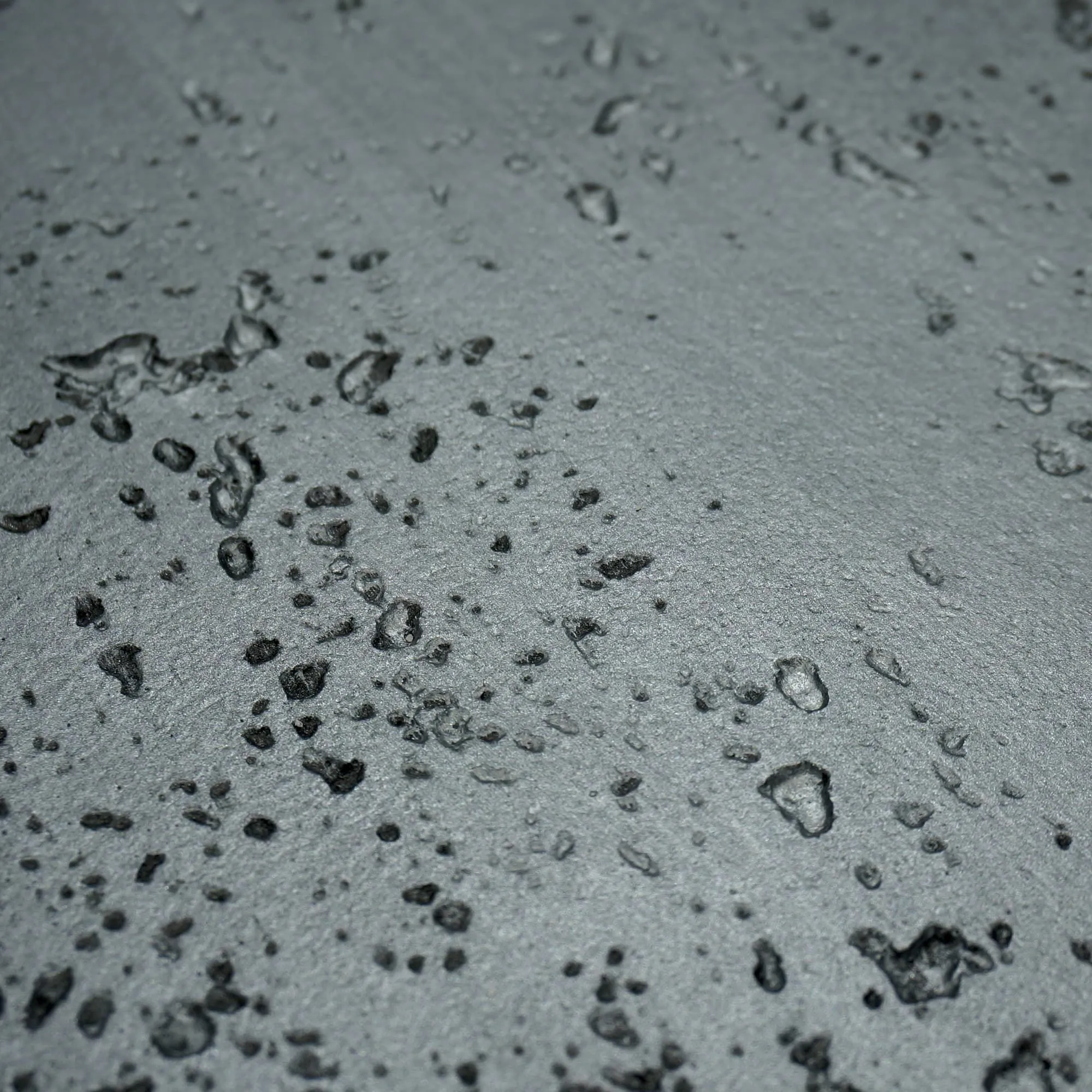
Imagine a hillside in Tuscany, once covered in olive groves and wildflowers, now transformed into a gaping pit. That's the reality of travertine mining. Quarries are industrial operations, and they don't just "take" stone—they take land. To access travertine deposits, miners remove vegetation, topsoil, and even entire layers of rock. This clears the way for machinery but destroys the habitats of local plants and animals.
In regions like Denizli, Turkey—one of the world's largest travertine-producing areas—quarries have expanded rapidly over the past few decades. Local environmental groups report that native species like the European green lizard and the Anatolian wild sheep have seen their habitats shrink as mining operations encroach on natural spaces. Birds that once nested in the area's cliffs now have fewer places to roost. Insects, which form the base of the food chain, disappear when their host plants are removed. It's not just about losing "pretty scenery"—it's about breaking the delicate balance of ecosystems that have thrived for centuries.
And the damage doesn't stop when mining ends. Abandoned quarries often become eyesores, filled with stagnant water or piles of waste rock. Reclaiming these sites is expensive and time-consuming, so many are left to languish. What was once a thriving hillside becomes a permanent scar on the landscape.
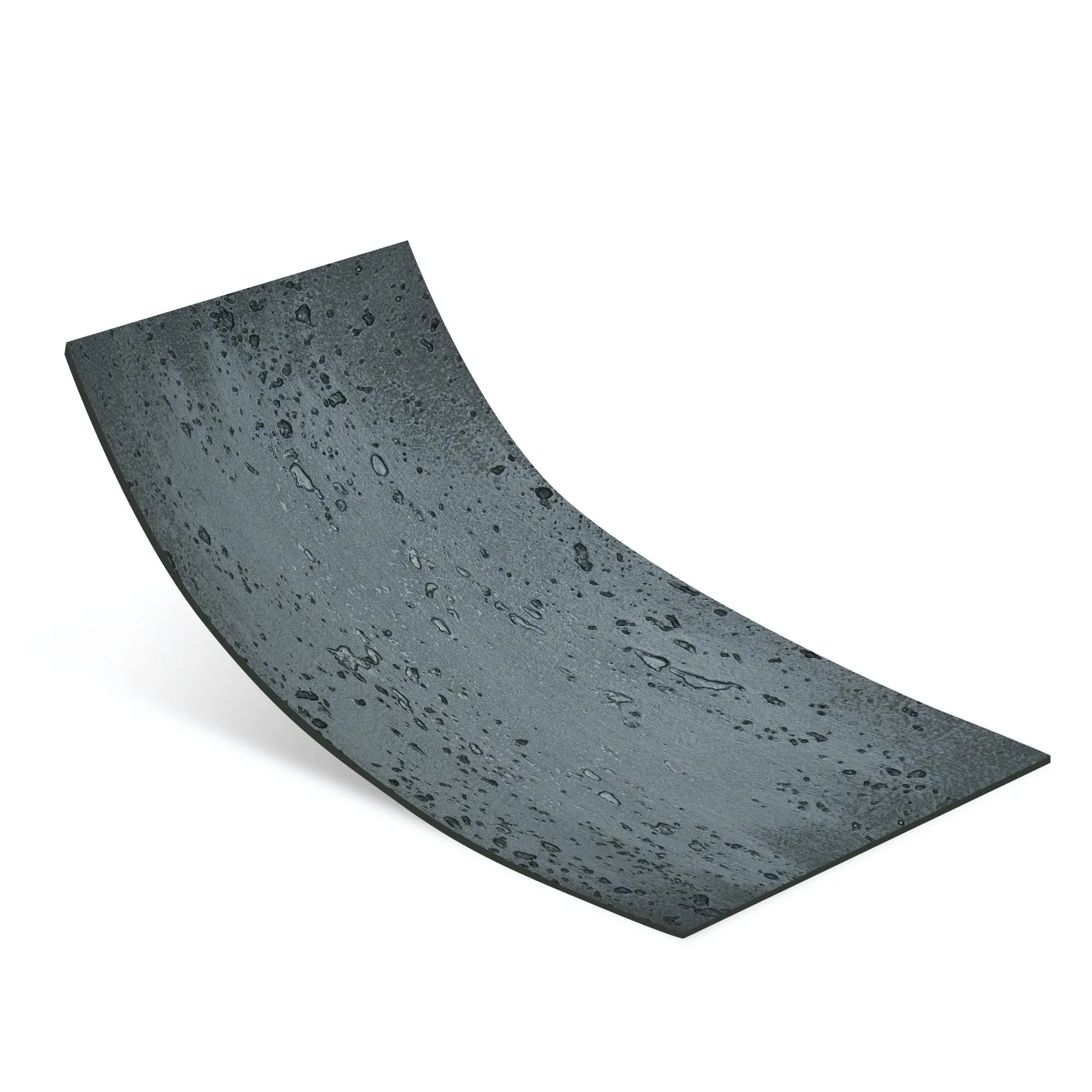
Travertine owes its existence to water—it forms in mineral-rich springs, after all. But mining it demands even more water than you might think. Let's start with the obvious: cutting and polishing. A single slab of travertine (vintage silver) requires hundreds of gallons of water to cool the diamond saws used to cut it into shape. That water is often drawn from local rivers or groundwater sources, which are already under pressure from agriculture and human use.
In arid regions like Iran, where travertine is also mined, this can be catastrophic. Local communities have reported wells drying up as quarries pump water to feed their operations. Farmers, who rely on that same water to grow crops, are forced to scale back or abandon their fields. It's a conflict that pits economic gain (from stone exports) against basic human needs (like drinking water and food production).
Then there's the issue of wastewater. After cutting and polishing, the water used is contaminated with stone dust, chemicals from sealants, and heavy metals from machinery. In many unregulated mining areas, this wastewater is dumped directly into rivers or onto the ground, polluting soil and water sources. The result? Toxic runoff that harms aquatic life and makes water unsafe for human consumption. For a stone that's marketed as "natural" and "pure," it's a surprisingly dirty process.

Let's talk numbers. The carbon footprint of travertine (vintage silver) starts long before it reaches your home. Mining machinery—drills, bulldozers, trucks—runs on diesel fuel, releasing CO2 into the atmosphere. Cutting and polishing machines are often powered by electricity, much of which comes from fossil fuels in regions with underdeveloped renewable energy infrastructure. Then there's transportation: a slab of travertine mined in Turkey and shipped to the U.S. travels over 6,000 miles, mostly by cargo ship (which emits large amounts of CO2) and then by truck. All told, estimates suggest that producing and transporting one ton of natural travertine emits anywhere from 200 to 500 kilograms of CO2—roughly the same as driving a car from New York to Boston and back.
Compare that to a material like MCM flexible stone—a modified composite material designed to mimic the look of natural stone. MCM (which stands for "modified composite material") is made from a blend of recycled minerals, resins, and fibers. Because it's lighter and more durable than natural travertine, it requires less energy to produce and transport. In fact, some manufacturers claim that MCM flexible stone has a carbon footprint up to 60% lower than natural travertine. That's a huge difference—all while offering a similar aesthetic.
Mining travertine isn't just about extracting the "good" stone—it's also about generating a lot of waste. For every slab of usable travertine (vintage silver), miners discard tons of "waste rock"—stone that's cracked, discolored, or not thick enough to be cut into slabs. This waste is often dumped in piles near quarries, where it takes up space and can leach minerals into the soil. Over time, these piles can grow into mountains, altering the landscape and posing a risk of landslides.
Then there's the waste from processing. When slabs are cut to size, the edges and offcuts are often too small to be used, so they're thrown away. In some cases, these offcuts are crushed and used as aggregate for construction, but that's not always the case—especially in regions with lax recycling regulations. The result? A lot of stone that's taken from the earth, only to end up in a landfill.
Contrast this with the MCM 3D printing series, a newer technology in building materials. 3D printers can precisely lay down layers of material, using only what's needed to create a slab or panel. This "additive manufacturing" process reduces waste by up to 90% compared to traditional cutting methods. Instead of cutting a slab from a block and discarding the rest, you build the slab from the ground up—no excess, no waste. It's a game-changer for sustainability, and it's one reason why 3D-printed building materials are gaining traction in eco-conscious design circles.
The good news? You don't have to sacrifice style to choose sustainability. There are plenty of materials on the market that offer the look of travertine (vintage silver) without the environmental cost. Let's take a closer look at a few:
MCM flexible stone is exactly what it sounds like: a flexible, lightweight material that mimics the texture and color of natural stone. Made from recycled stone powder, eco-friendly resins, and glass fibers, it's designed to be durable, easy to install, and—most importantly—sustainable. Because it's a composite, it doesn't require mining. Instead, manufacturers can source recycled materials from construction sites or other industrial processes, giving new life to waste that would otherwise end up in landfills.
What's more, MCM flexible stone is thin (often less than 5mm thick) and lightweight, which means it's easier to transport and install. Less weight equals less fuel used in shipping, and easier installation means fewer emissions from heavy machinery on-site. And since it's flexible, it can be applied to curved surfaces—something natural travertine struggles with. It's a material that checks all the boxes: beautiful, functional, and kind to the planet.
For a more modern twist, consider foamed aluminium alloy board (vintage silver). This material uses a foam core sandwiched between thin layers of aluminium, creating a lightweight, durable panel with a metallic finish that echoes the silvery tones of travertine (vintage silver). Aluminium is highly recyclable—up to 95% of the energy used to produce new aluminium can be saved by recycling old aluminium—and foaming the core reduces the amount of material needed, cutting down on waste.
Foamed aluminium is also resistant to corrosion, fire, and moisture, making it a long-lasting choice. When you choose a material that lasts longer, you reduce the need for replacement—another win for sustainability. Plus, its sleek, industrial look adds a contemporary edge that pairs well with minimalist or modern designs.
Okay, hear us out: concrete might not sound as glamorous as travertine, but fair-faced concrete is changing that. "Fair-faced" means it's left in its natural state after pouring, with visible aggregates and a raw, textured finish. When dyed or treated to a soft gray tone, it can mimic the understated elegance of travertine (vintage silver) at a fraction of the environmental cost. Concrete production does emit CO2, but innovations like carbon-capture technology and the use of recycled aggregates are making it greener. Plus, concrete is locally produced in most regions, reducing transportation emissions.
Still on the fence? Let's put it all together with a side-by-side comparison. The table below breaks down the environmental impact of natural travertine (vintage silver) versus two popular sustainable alternatives: MCM flexible stone and foamed aluminium alloy board (vintage silver).
| Environmental Factor | Natural Travertine (Vintage Silver) | MCM Flexible Stone | Foamed Aluminium Alloy Board (Vintage Silver) |
|---|---|---|---|
| Habitat Disruption | High: Requires quarrying, which clears land and destroys ecosystems. | Low: Made from recycled materials; no mining needed. | Medium: Aluminium mining has impacts, but recycling reduces this significantly. |
| Water Usage | High: Hundreds of gallons per slab for cutting and polishing. | Low: Uses minimal water in production. | Medium: Aluminium production uses water, but recycling uses 5% of the water needed for new aluminium. |
| Carbon Footprint | High: Emissions from mining, processing, and long-distance shipping. | Low: Lightweight (less shipping emissions) and made with recycled materials. | Medium: High initial production emissions, but long lifespan and recyclability offset this. |
| Waste Generation | High: 30-40% of mined stone becomes waste. | Low: 3D printing and composite production minimize waste. | Low: Aluminium is 100% recyclable, and foam core reduces material use. |
| Durability & Lifespan | High: Can last 50+ years with proper care. | High: Resistant to cracks, stains, and weathering; lifespan of 40+ years. | Very High: Resistant to corrosion and fire; lifespan of 60+ years. |
Travertine (vintage silver) is undeniably beautiful. Its unique texture and color tell a story of millions of years of geological history. But that story shouldn't come at the expense of our planet's future. As consumers, we have the power to demand materials that look good and do good. Whether it's MCM flexible stone, 3D-printed composites, or recycled aluminium, there are plenty of options that offer the same aesthetic appeal with a fraction of the environmental impact.
Next time you're planning a renovation or building project, take a moment to ask: where does this material come from? How was it made? What will happen to it when I no longer need it? These questions might feel small, but they add up to big change. After all, the most timeless designs are the ones that respect the planet we call home.
So, here's to beautiful spaces—spaces that make us happy, inspire us, and leave the earth a little better than we found it. With sustainable materials, that future is not just possible—it's already here.
Recommend Products












