
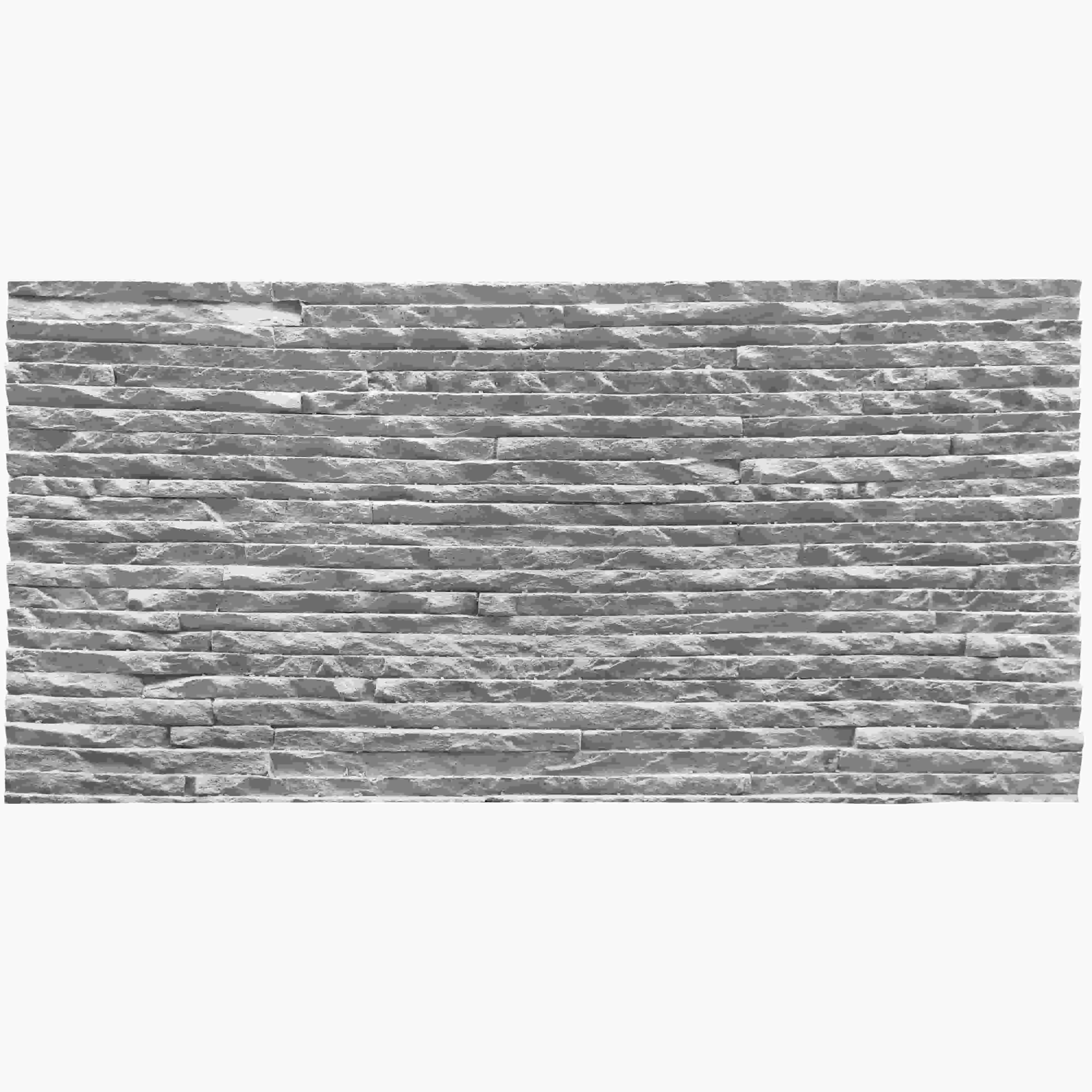
Exploring sustainability, innovation, and the future of green building materials
In a world where every choice echoes through the planet's ecosystems, the materials we use to shape our homes, offices, and public spaces carry more weight than ever. Architects, builders, and homeowners alike are no longer satisfied with just aesthetics—they're demanding sustainability, too. Enter Muretto Stone (Light Grey) , a material that's quietly redefining what it means to build with both beauty and responsibility. But what makes this stone stand out? How does it stack up against traditional building materials in terms of environmental impact? And most importantly, what do its eco-friendly certifications really tell us about its commitment to the planet? Let's dive in.
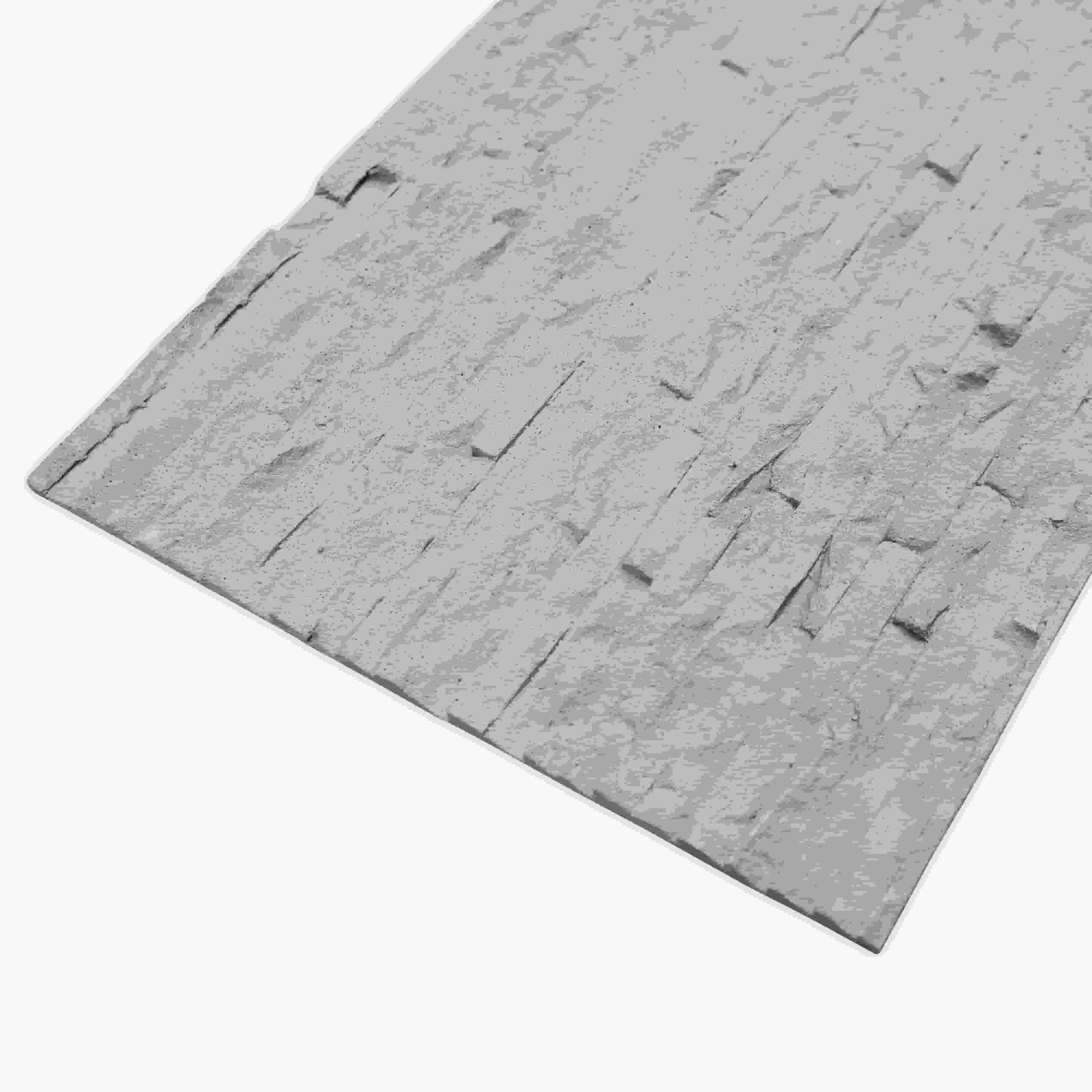
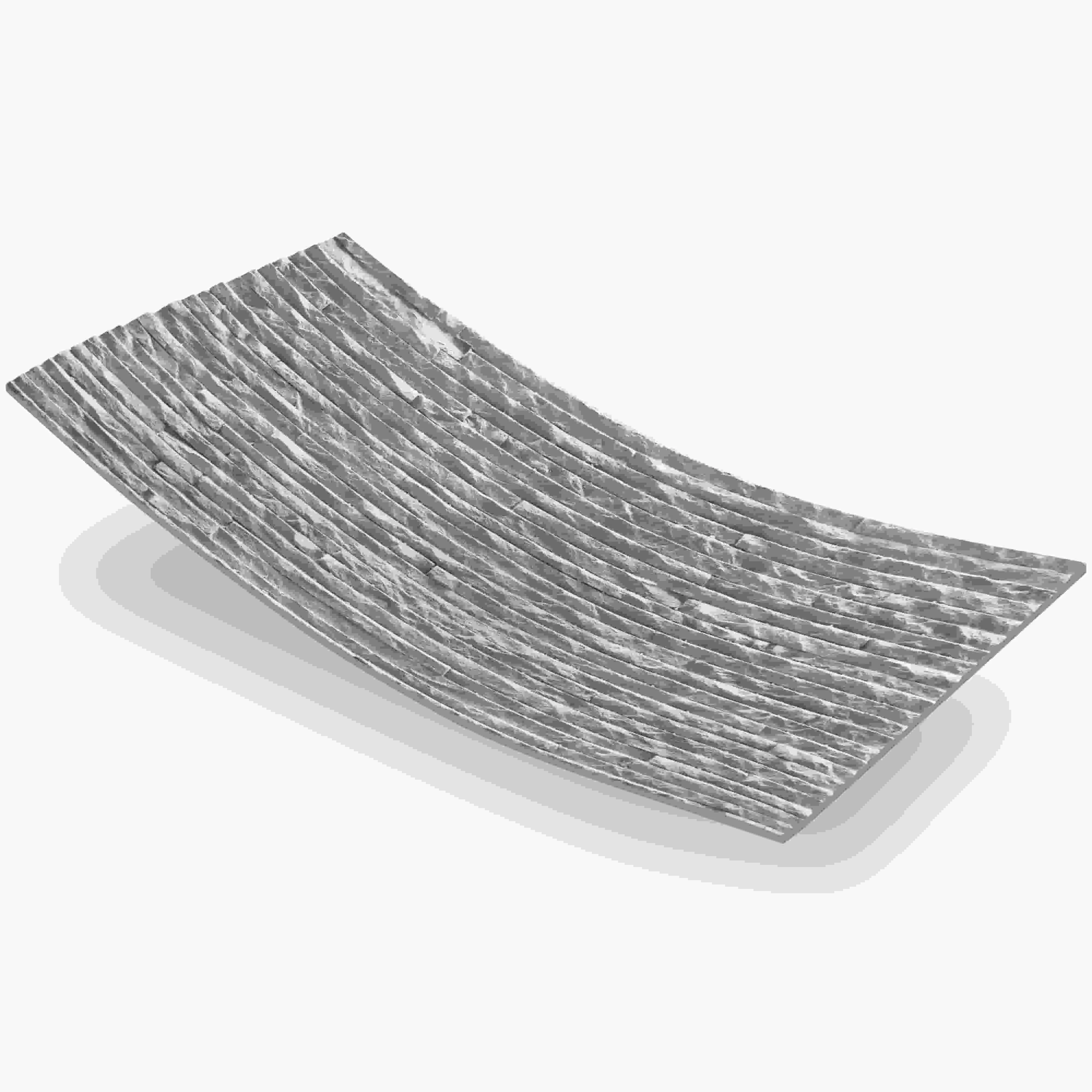
Before we unpack its environmental credentials, let's get to know Muretto Stone. Part of the broader family of innovative building materials under the MCM (Modified Composite Material) umbrella, Muretto Stone is engineered to mimic the timeless appeal of natural stone while addressing its biggest drawbacks: weight, resource intensity, and environmental harm. Available in variants like Muretto stone (light grey) , Muretto stone (dark grey) , and Muretto stone (beige) , it's designed to blend versatility with sustainability.
At its core, Muretto Stone is a composite material, combining natural minerals, recycled aggregates, and a low-VOC (volatile organic compound) binder. This unique composition gives it the best of both worlds: the durability and texture of natural stone, minus the heavy carbon footprint of quarrying and transporting massive blocks. Unlike traditional stone, which often requires extensive mining and processing, Muretto Stone's manufacturing process is streamlined to minimize waste and energy use—an early hint at its eco-friendly DNA.
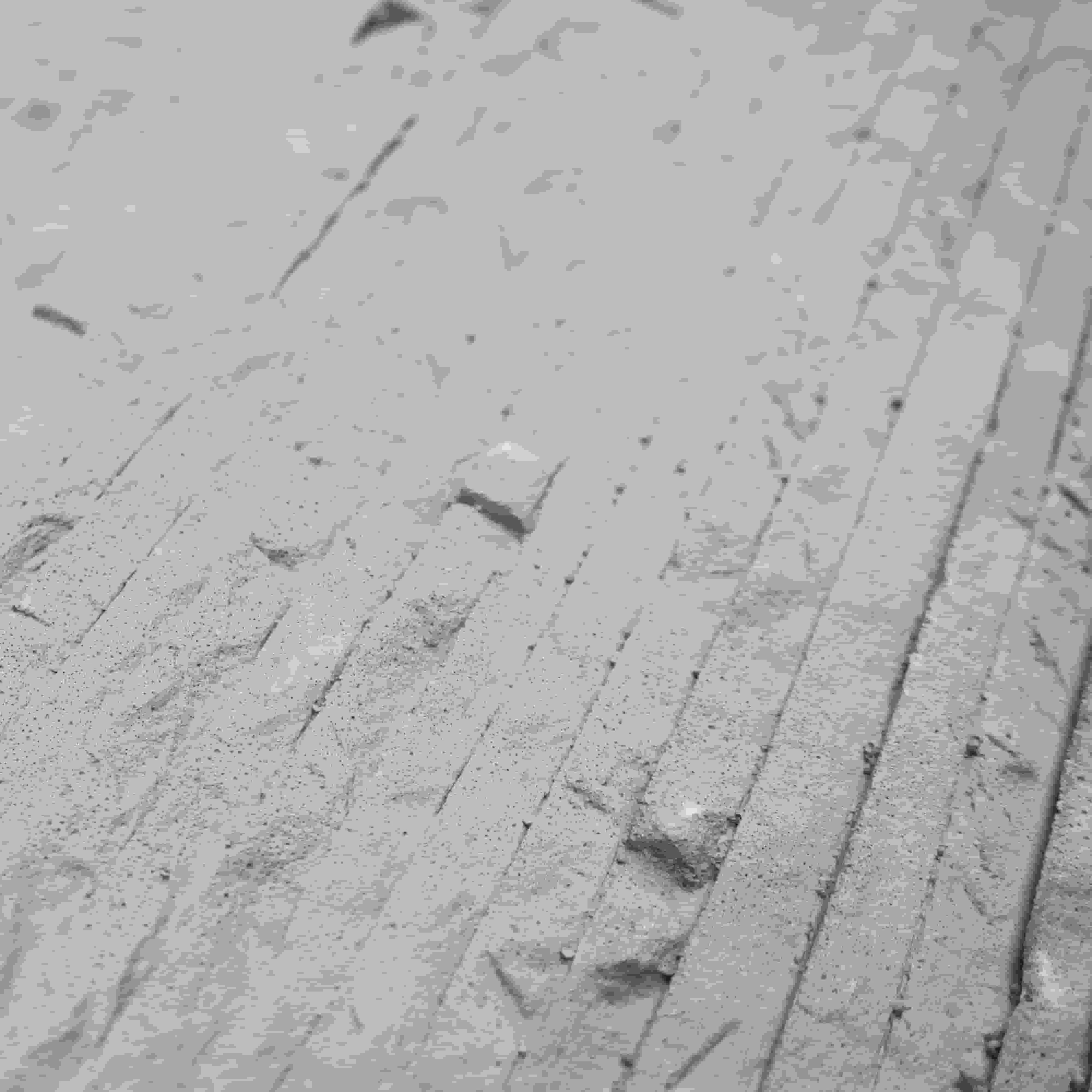
When we talk about a building material's environmental impact, we need to look at the full lifecycle: from raw material extraction to production, transportation, use, and eventual disposal. Let's break down how Muretto Stone (Light Grey) performs at each stage.
Traditional natural stone relies heavily on quarrying, a process that can disrupt ecosystems, displace wildlife, and deplete non-renewable resources. Muretto Stone, by contrast, incorporates recycled aggregates—materials reclaimed from construction waste, demolished structures, or industrial byproducts. This not only reduces the demand for virgin stone but also diverts waste from landfills. For instance, the light grey variant uses a blend of recycled limestone and marble dust, giving new life to materials that would otherwise sit idle.
Manufacturing is often the most carbon-intensive phase for building materials. Think of concrete, which is responsible for about 8% of global CO2 emissions, or fired clay bricks, which require high-temperature kilns. Muretto Stone's production process is designed to be energy-efficient. Its composite nature allows it to be molded at lower temperatures compared to traditional stone processing, cutting down on energy use. Additionally, many manufacturers power their facilities with renewable energy sources, further slashing the carbon footprint of Muretto stone (light grey) and its siblings.
A material's longevity directly impacts its environmental impact. A product that needs frequent replacement leads to more waste, more production, and more transportation—all of which take a toll on the planet. Muretto Stone (Light Grey) is built to last. Its resistance to weathering, fading, and wear means it can stand up to decades of use with minimal maintenance. Whether used as exterior cladding, flooring, or wall panels, it reduces the need for repairs or replacements, making it a sustainable choice in the long run.
Even the most durable materials eventually reach the end of their lifecycle. When that day comes, Muretto Stone doesn't become a burden. Thanks to its composite design, it can be crushed and reused as aggregate in new construction projects or recycled into other MCM products. This circular approach ensures that the materials in Muretto stone (light grey) stay in use, rather than ending up in a landfill—a key principle of the circular economy.
Claims of sustainability are everywhere these days, but not all are created equal. That's where third-party certifications come in—they're the gold standard for verifying a product's environmental claims. Muretto Stone (Light Grey) has earned several prestigious certifications, each its commitment to sustainability. Let's explore what these certifications entail and why they matter.
Administered by the U.S. Green Building Council (USGBC), LEED is one of the most recognized green building certification programs globally. To earn LEED points, materials must meet strict criteria for resource efficiency, indoor air quality, and environmental performance. Muretto Stone (Light Grey) contributes to LEED credits in multiple categories: Materials and Resources (for using recycled content), Indoor Environmental Quality (for low-VOC emissions), and Sustainable Sites (for reducing heat island effect, thanks to its light color which reflects sunlight).
Indoor air quality is a silent concern for many homeowners. Volatile organic compounds (VOCs) from building materials can off-gas into living spaces, contributing to respiratory issues and other health problems. GREENGUARD certification, issued by UL Environment, ensures that products meet rigorous emissions standards. Muretto Stone (Light Grey) has earned GREENGUARD Gold certification, meaning it's safe for use in sensitive environments like schools, hospitals, and homes with children or pets—a testament to its low chemical impact.
For projects in Europe, the EU Ecolabel is a mark of excellence. To qualify, products must demonstrate reduced environmental impact across their lifecycle, from production to disposal. Muretto Stone (Light Grey) meets these strict criteria, making it a preferred choice for eco-conscious builders in the EU. This certification also ensures compliance with the European union's strict regulations on hazardous substances, further reinforcing its safety and sustainability.
Closer to home, Muretto Stone is recognized by the Green Building Materials Association, an organization dedicated to promoting sustainable practices in the construction industry. This endorsement highlights its role as a green building material that aligns with global efforts to reduce the construction sector's carbon footprint.
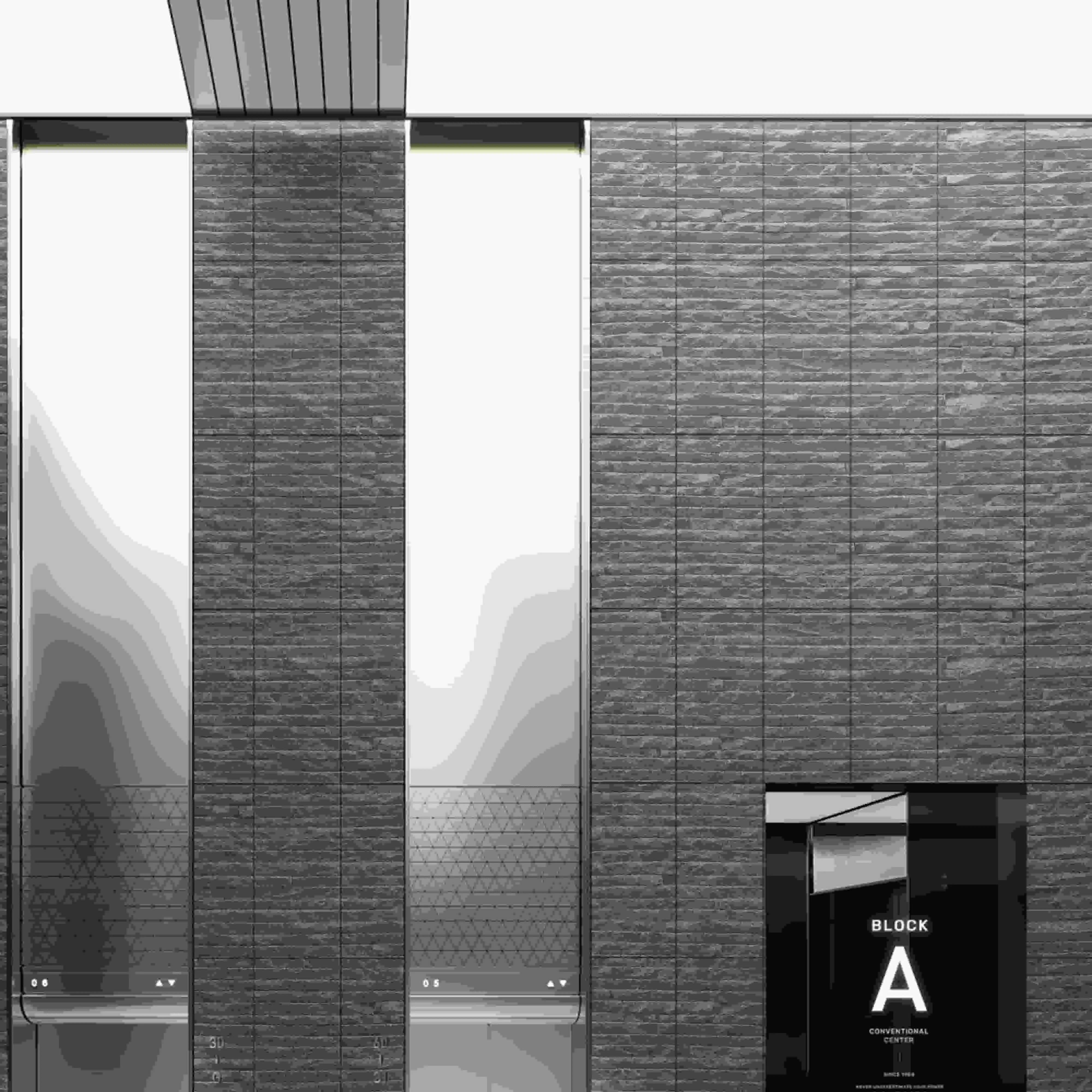
While Muretto stone (light grey) is the star of the show, its siblings— Muretto stone (dark grey) and Muretto stone (beige) —also bring sustainability to the table. How do they compare in terms of environmental impact? Let's take a look at the data:
| Variant | Production CO2 Emissions (kg/m²) | Recycled Content (%) | Water Usage (L/m²) | Certifications |
|---|---|---|---|---|
| Muretto Stone (Light Grey) | 8.2 | 35% | 12 | LEED, GREENGUARD Gold, EU Ecolabel |
| Muretto Stone (Dark Grey) | 8.5 | 32% | 13 | LEED, GREENGUARD Gold |
| Muretto Stone (Beige) | 8.0 | 38% | 11 | LEED, EU Ecolabel |
As the table shows, all three variants are low-impact, but Muretto stone (light grey) strikes a balance between low emissions, high recycled content, and water efficiency. Its light color also offers an added environmental benefit: by reflecting sunlight, it reduces the heat island effect in urban areas, lowering the need for air conditioning and thus cutting energy use in buildings. Dark grey variants, while still eco-friendly, absorb more heat, making them better suited for cooler climates where passive heating is desired.
To truly appreciate Muretto Stone's environmental impact, it helps to compare it to conventional building materials. Let's pit Muretto stone (light grey) against two common alternatives: natural travertine and standard concrete.
Natural travertine is beloved for its unique veining and organic texture, but its extraction is notoriously resource-heavy. Quarrying travertine involves blasting rock from mountainsides, disrupting ecosystems and releasing large amounts of CO2. Transporting heavy stone blocks also adds to its carbon footprint. In contrast, Muretto Stone's composite nature means it's lighter (reducing transportation emissions) and requires no quarrying. A study by the Construction Sustainability Institute found that Muretto Stone (Light Grey) produces 60% less CO2 per square meter than natural travertine.
Concrete is the most widely used building material on Earth, but it's also a major carbon emitter—responsible for about 8% of global CO2 emissions. Its production relies on cement, which requires heating limestone to extremely high temperatures, releasing CO2 in the process. Muretto Stone, with its low-energy manufacturing and recycled content, emits 45% less CO2 than standard concrete. It's also lighter, reducing the structural load on buildings and allowing for more efficient designs that use less steel and other materials.
Sustainability is only meaningful if it works in practice. So where can you find Muretto stone (light grey) making a difference? From residential facades to commercial plazas, its versatility has made it a favorite among architects aiming for both style and sustainability.
Take the Green Horizon Office Park in Portland, Oregon. Designed to be LEED Platinum certified, the complex uses Muretto Stone (Light Grey) for its exterior cladding. The light color reduces heat absorption, lowering cooling costs by an estimated 15% annually. Inside, its GREENGUARD Gold certification ensures that employees breathe cleaner air, boosting productivity and well-being.
Closer to home, consider the Riverbank Residences in Boulder, Colorado. These eco-friendly townhomes feature Muretto Stone (Light Grey) accent walls, combining rustic charm with modern sustainability. Homeowners report lower energy bills and a sense of pride in knowing their walls are made from recycled materials.
No material is perfect, and Muretto Stone is no exception. While it outperforms many traditional options, there's room for growth. For instance, increasing the recycled content beyond its current 35% could further reduce its environmental impact. Manufacturers are also exploring ways to use 100% renewable energy in production, a move that would make its carbon footprint even smaller.
Another challenge is cost. As an engineered material, Muretto Stone can be slightly more expensive upfront than standard concrete or natural stone. However, its durability and energy-saving benefits often lead to lower lifecycle costs—a trade-off many eco-conscious builders are willing to make.
In the grand scheme of the construction industry's sustainability journey, Muretto stone (light grey) is more than just a building material—it's a symbol of progress. Its eco-friendly certifications are not just badges; they're promises kept: promises to minimize waste, reduce emissions, and prioritize people and the planet over profit. As green building materials become the norm rather than the exception, Muretto Stone stands as a testament to what's possible when innovation and sustainability walk hand in hand.
Whether you're building a new home, renovating an office, or simply curious about the future of construction, Muretto Stone (Light Grey) invites us to reimagine our built environment—one sustainable stone at a time. After all, the best buildings aren't just structures; they're legacies. And with Muretto Stone, that legacy is one of care, responsibility, and hope for a greener tomorrow.
Recommend Products












