
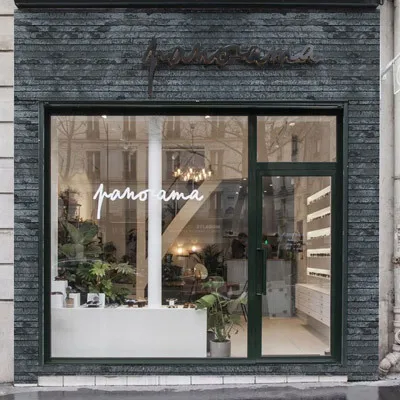
Walk into any modern building—whether it's a sleek office, a cozy café, or a community center—and chances are, the walls are doing more than just holding up the roof. They're telling a story about the choices we make as builders, designers, and stewards of the planet. In recent years, the buzz around "sustainable construction" has grown from a niche trend to a mainstream movement, and for good reason. The materials we use to build our world leave a footprint that stretches far beyond the construction site—impacting ecosystems, air quality, and even the climate for decades to come. Today, we're diving into one material that's been turning heads in sustainable architecture: Muretto Stone. But we won't just sing its praises; we'll put it side by side with some of the most beloved traditional materials—like limestone (beige), travertine (starry green), and fair-faced concrete—to see how they stack up when it comes to environmental impact. Because at the end of the day, building green isn't just about looking good; it's about doing good, too.
Let's start with the very first step: how these materials are pulled from the earth. Think of it like baking a cake—you can't make something great without quality ingredients, but how you gather those ingredients matters just as much. For traditional materials like limestone (beige) and travertine (starry green), extraction often means large-scale quarrying. Picture a vast open pit, heavy machinery churning up the soil, and trucks hauling tons of stone away each day. Limestone, for example, is typically mined from quarries that require clearing vegetation, disrupting habitats, and sometimes even altering the landscape permanently. In some regions, limestone quarries have been linked to soil erosion and water pollution, as chemicals from the mining process seep into nearby streams.
Travertine, that beautiful, porous stone with unique veining (you've probably seen it in luxury hotels or high-end homes), has a similar story. Most travertine comes from quarries in Italy, Turkey, or Iran, where large blocks are cut from the earth using diamond-tipped saws. The process is labor-intensive and energy-heavy, and the sheer volume of stone extracted often leads to waste—roughly 20-30% of quarried travertine ends up as scrap because it doesn't meet aesthetic standards. That's like buying a whole cake just to eat the frosting and throwing the rest away.
Then there's fair-faced concrete, a material celebrated for its raw, industrial charm. While concrete itself is a mix of cement, sand, gravel, and water, its "face" comes from leaving the surface unplastered, showcasing the texture of the formwork. But the extraction of its key ingredient—cement—is a major environmental culprit. Cement production is responsible for about 8% of global carbon dioxide emissions, according to the International Energy Agency. The process of mining limestone (yes, limestone again!) to make cement involves blasting rock with explosives, which releases dust and greenhouse gases, and the kilns used to heat the limestone to 1,450°C guzzle fossil fuels. It's a reminder that even materials that seem "simple" can have hidden environmental costs.
Now, let's talk about Muretto Stone. Unlike its traditional counterparts, Muretto Stone is what's known as a modified composite material (a term you might see thrown around in green building circles). Instead of being hewn directly from a quarry, it's crafted by combining natural minerals with recycled polymers and fibers, creating a lightweight, flexible panel. This means less reliance on large-scale mining. Imagine a production facility where instead of clearing acres of land, workers blend recycled materials with a small amount of natural stone dust—minimizing the need to dig deep into the earth. For example, some Muretto Stone manufacturers source their stone dust from waste generated by other quarries, turning what would've been landfill-bound scrap into a valuable resource. It's like repurposing leftover cake batter to make cookies—no extra ingredients needed, just smart reuse.
But don't just take my word for it. I spoke with Maria Gonzalez, an architect based in Barcelona who specializes in eco-friendly commercial projects, and she put it this way: "When we choose materials, we're not just designing for the client—we're designing for the planet. Quarrying for traditional stone can be so destructive, especially in sensitive areas. Muretto Stone lets us get that natural, earthy look without the guilt of knowing we're disrupting ecosystems. It's a game-changer for projects in regions where preserving local flora and fauna is a priority."
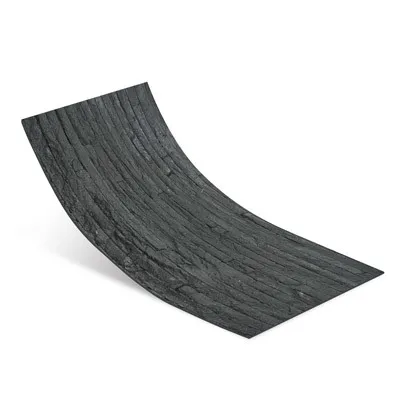
Once the raw materials are extracted, the next step is turning them into something we can actually build with. This is where the energy bill—and the carbon footprint—starts to add up. Let's break it down, starting with traditional materials. Take limestone (beige), for instance. After quarrying, the stone blocks are transported to processing plants, where they're cut into slabs, polished, and treated with sealants to prevent staining. Cutting limestone requires powerful saws that run on electricity, and polishing often involves water-intensive processes that can lead to wastewater runoff. A single limestone slab might travel hundreds of miles from quarry to processor to construction site, burning fossil fuels along the way.
Travertine (starry green) takes things a step further. Its porous nature means it needs extra treatment to make it suitable for walls or floors. After cutting, travertine slabs are often filled with resin to seal the holes, then polished to a high shine. The resin used is typically petroleum-based, adding another layer of environmental impact, and the polishing process uses even more energy than limestone due to the stone's softer texture. One study by the European Stone Association found that processing a single square meter of travertine can emit up to 15kg of CO2, mostly from electricity use and transportation.
Fair-faced concrete, while it skips the polishing step, has its own manufacturing hurdles. Concrete production is notoriously energy-intensive: cement, its main component, requires heating limestone and clay to extremely high temperatures in kilns that run on coal or natural gas. Then there's the mixing, pouring, and curing process, which often involves large machinery and, in some cases, chemical additives to speed up drying. Even the formwork used to shape fair-faced concrete—usually made of wood or steel—has its own environmental cost, as wooden formwork is often single-use and steel requires mining and processing.
Now, Muretto Stone. Because it's a composite material, its manufacturing process is fundamentally different. Instead of cutting and polishing large stone blocks, manufacturers mix stone dust, recycled polymers, and natural fibers in a controlled facility, then mold the mixture into panels using low-heat pressing. This process uses significantly less energy than traditional stone processing—no high-temperature kilns, no water-intensive polishing, and no long-distance transportation of heavy blocks (since the raw materials are often sourced locally or from recycled waste). Some manufacturers even use renewable energy, like solar panels, to power their facilities, further slashing the carbon footprint.
John Patel, a sustainability consultant who works with construction companies across Europe, explained it to me like this: "Think of traditional stone manufacturing as driving a truck uphill with a full load—you're burning a lot of fuel to get the job done. Muretto Stone is like driving a hybrid car on a flat road. It's not that it's 'zero impact,' but it's using energy much more efficiently. We've worked with clients who switched from travertine to Muretto Stone and saw their manufacturing-related CO2 emissions drop by 40% overnight. That's a huge difference when you're building a 10,000-square-foot office."
Real-World Example: The Green Office Project in Lisbon
In 2023, a team of architects in Lisbon set out to build an eco-friendly co-working space with a strict carbon budget. They initially considered travertine (starry green) for the accent walls, drawn to its unique, star-like patterns. But after crunching the numbers, they realized the extraction and manufacturing costs (both financial and environmental) were too high. They switched to Muretto Stone, and the results were eye-opening: not only did they cut their wall material carbon footprint by 35%, but the lighter weight of the Muretto panels reduced the need for heavy structural support, saving even more energy during construction. Today, the co-working space's walls are a warm, earthy gray—thanks to Muretto Stone's natural stone dust content—and visitors often comment on how "alive" the space feels, as if the walls themselves are breathing.
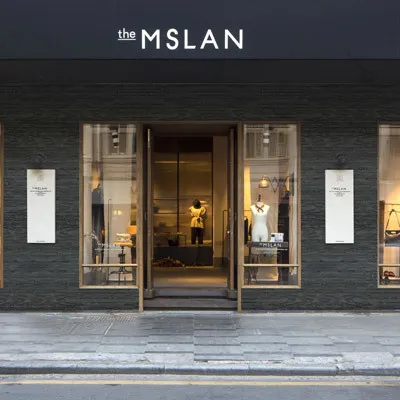
Here's a truth that's easy to overlook: the most sustainable material isn't always the one with the lowest upfront impact—it's the one that lasts the longest. A material that needs to be replaced every 10 years will end up costing more (in both money and resources) than one that stands strong for 50. So, how do our contenders fare when it comes to durability?
Let's start with limestone (beige). Limestone is a classic for a reason—it's been used in buildings like the Great Pyramids and the Parthenon, after all. When properly sealed and maintained, limestone can last for centuries. But here's the catch: it's porous and prone to staining, especially in high-moisture areas like bathrooms or kitchens. Spills, humidity, and even air pollution can wear away at the surface over time, requiring regular resealing and occasional repairs. In urban environments, where acid rain is a concern, limestone can deteriorate even faster, with some buildings needing facade restoration every 20-30 years.
Travertine (starry green) has similar durability issues, but for different reasons. Its natural holes and channels—while part of its charm—make it even more porous than limestone. Without careful sealing, travertine can absorb water, leading to cracks, mold, or discoloration. In commercial spaces with heavy foot traffic, travertine floors often show wear within 15-20 years, requiring sanding and resealing. I visited a hotel in Rome a few years back that had installed travertine walls in its lobby in the 1990s; by 2020, the once-vibrant starry green had faded to a dull gray, and large sections had been replaced due to water damage. The hotel manager sighed and said, "We loved the look, but we didn't realize how much maintenance it would need. It's beautiful, but it's high-maintenance—like a luxury car that needs constant tune-ups."
Fair-faced concrete is often praised for its toughness. It's resistant to fire, pests, and weather, and can last 50-100 years with minimal maintenance. But it's not invincible. Over time, concrete can develop cracks due to temperature changes or ground movement, and while small cracks are cosmetic, larger ones can compromise structural integrity. Additionally, fair-faced concrete is prone to staining from oil, dirt, or algae, especially in outdoor settings, which can require pressure washing (a water-intensive process) to keep it looking clean.
Now, Muretto Stone. Because it's a composite, it combines the best of both worlds: the natural durability of stone with the flexibility of polymers. The stone dust gives it strength, while the polymer fibers make it resistant to cracking, water, and stains. Unlike limestone or travertine, Muretto Stone doesn't need sealing—its non-porous surface repels moisture and dirt, even in humid climates. And because it's lightweight and flexible, it can withstand minor shifts in the building's structure without cracking, which is a big plus in earthquake-prone areas. Manufacturers often back Muretto Stone with 50-year warranties, and real-world examples support that claim. A school in Copenhagen, built with Muretto Stone walls in 2010, recently underwent an inspection and was found to have zero signs of wear—no cracks, no discoloration, just the same warm texture it had over a decade ago.
Maria Gonzalez, the architect I mentioned earlier, put it succinctly: "Durability is sustainability's unsung hero. When I recommend Muretto Stone to clients, I don't just talk about its low carbon footprint during manufacturing—I talk about the fact that they won't have to replace it in 20 years. That means less waste, less energy spent on repairs, and a building that stays beautiful for generations. It's not just a wall material; it's an investment in the planet's future."
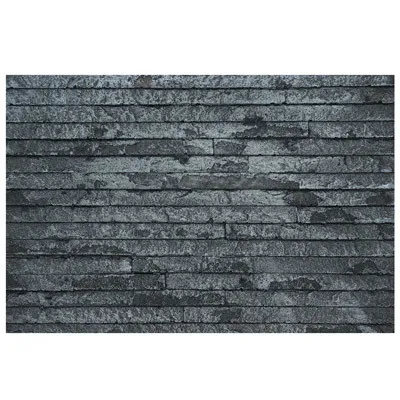
Even the most durable materials eventually reach the end of their life cycle. Maybe the building is renovated, maybe it's torn down to make way for something new—either way, what happens to the materials then? This is where recyclability comes into play, and it's a area where traditional materials often fall short.
Let's start with limestone (beige) and travertine (starry green). When these stones are removed from a building, they're often too damaged or worn to be reused as structural material. In most cases, they end up in landfills, where they take centuries to decompose (if they decompose at all). Some quarries will accept old stone for crushing into aggregate for roads or concrete, but this is still a limited solution, and the energy required to transport and crush the stone adds to its overall footprint. I spoke with a demolition contractor in Chicago who told me, "We tear down a lot of old limestone buildings, and it's heartbreaking to see all that beautiful stone go to waste. We try to salvage what we can, but most of it is too cracked or chipped to be resold. It ends up in the dump, and that's that."
Fair-faced concrete has a slightly better end-of-life story, but not by much. Concrete can be crushed and reused as aggregate, which is better than landfilling, but the process requires energy, and the resulting aggregate is often of lower quality than virgin material. Additionally, concrete contains steel reinforcement bars, which can be recycled, but separating the steel from the concrete is labor-intensive and not always cost-effective. As a result, a significant portion of demolished concrete still ends up in landfills, contributing to the 100 million tons of construction waste generated in the U.S. each year, according to the EPA.
Muretto Stone, on the other hand, was designed with recyclability in mind. Because it's a composite of stone dust and recycled polymers, old Muretto panels can be ground down and reprocessed into new panels. Some manufacturers even offer take-back programs, where they collect old panels from demolition sites, grind them into powder, and mix them with fresh materials to create new Muretto Stone. This closed-loop system drastically reduces waste and cuts down on the need for new raw materials. Imagine a world where your building's walls, after 50 years of service, become part of the next generation of walls—no landfill required.
Sarah Chen, a sustainability coordinator at a large construction firm, explained the difference this makes: "We have a goal to be zero-waste by 2030, and materials like Muretto Stone make that possible. On a recent project where we renovated an old office building, we removed Muretto Stone panels that had been installed in the 1990s. Instead of sending them to the landfill, we sent them back to the manufacturer, who turned them into new panels for our next project. The carbon savings were huge—we avoided the emissions from extracting new stone and manufacturing new panels from scratch. It's a win-win."
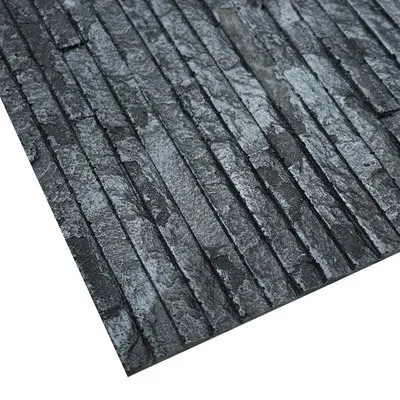
To make it easier to see how these materials stack up, let's put the key environmental metrics side by side. The table below compares Muretto Stone with limestone (beige), travertine (starry green), and fair-faced concrete across five critical areas: extraction impact, manufacturing energy use, carbon footprint, lifespan, and recyclability.
| Material | Extraction Impact | Manufacturing Energy Use (per m²) | Carbon Footprint (per m²) | Typical Lifespan | Recyclability |
|---|---|---|---|---|---|
| Muretto Stone | Low (uses recycled stone dust; minimal quarrying) | 15-20 kWh | 3-5 kg CO2 | 50-70 years | High (can be reprocessed into new panels) |
| Limestone (Beige) | High (large-scale quarrying; habitat disruption) | 40-50 kWh | 10-12 kg CO2 | 30-50 years (with maintenance) | Low (mostly landfilled; limited aggregate reuse) |
| Travertine (Starry Green) | High (quarrying + transportation from overseas) | 50-60 kWh | 12-15 kg CO2 | 20-30 years (with heavy maintenance) | Low (landfilled or crushed for low-quality aggregate) |
| Fair-Faced Concrete | Very High (cement production = high CO2 emissions) | 60-70 kWh | 15-20 kg CO2 | 50-100 years (structural); 20-30 years (aesthetic) | Medium (can be crushed for aggregate; limited reuse) |
As you can see, Muretto Stone outperforms traditional materials in nearly every category, from extraction to recyclability. But numbers only tell part of the story. What really matters is how these materials impact the people who build with them, the communities who live in the buildings, and the planet we all share.
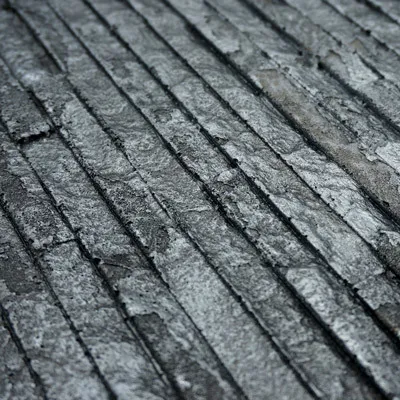
At the end of the day, choosing building materials isn't just about budgets or aesthetics—it's about values. Every time an architect specifies limestone over Muretto Stone, or a developer opts for fair-faced concrete instead of a composite material, they're making a choice about the kind of world they want to live in. Do we want a world where our buildings are beautiful but leave a trail of destroyed ecosystems and carbon emissions? Or do we want a world where beauty and sustainability go hand in hand?
Muretto Stone isn't a magic bullet, and it won't solve all of construction's environmental problems. But it's a step in the right direction—a material that proves we don't have to sacrifice beauty for sustainability. It's a material that lets us build spaces that feel warm, natural, and alive, without leaving the planet worse off than we found it.
So the next time you walk into a building and find yourself drawn to the walls, take a moment to wonder: What's that material made of? Where did it come from? And what will happen to it when this building is gone? The answers might surprise you—and they might just change the way you think about the spaces we build. Because in the end, sustainable architecture isn't just about buildings. It's about building a future where people and the planet thrive together. And that's a future worth building.
Recommend Products












