

Hey everyone! Let's talk about something incredibly important in today's world: sustainability in construction and design. We're all looking for ways to reduce our footprint, build more responsibly, and create spaces that are not just beautiful but also kind to our planet. At COLORIA GROUP, we're right there with you, always pushing the boundaries to bring innovative, eco-friendly materials to the global market. That's why we're so excited to delve into the world of Pine Bark Board – a truly remarkable material that's setting new standards for green building.
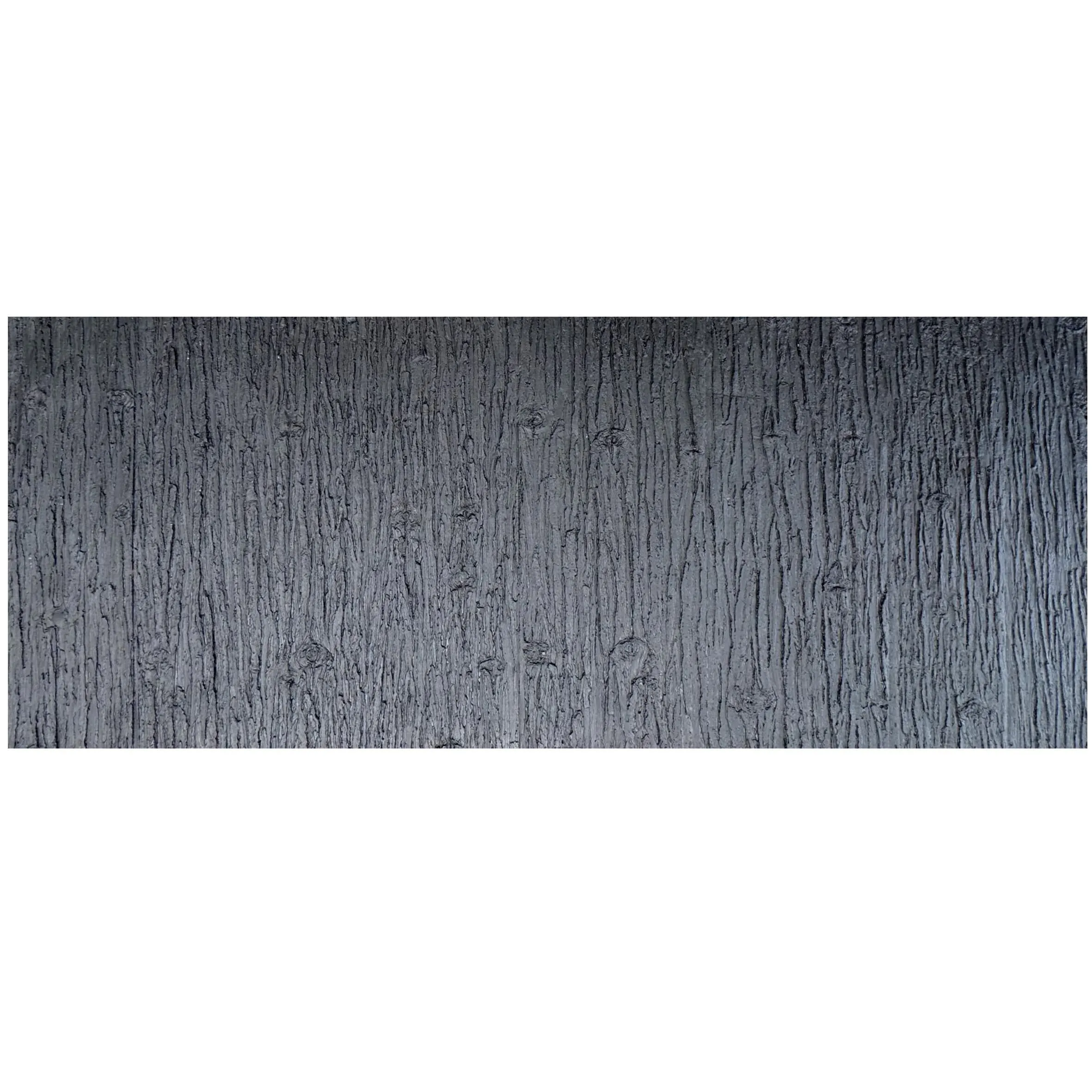
You might be wondering, "Pine Bark Board? What's that all about?" Well, imagine taking a natural, often discarded resource – the bark of pine trees – and transforming it into a high-performance, aesthetically pleasing material for our homes and commercial spaces. Sounds pretty amazing, right? This isn't just a fantasy; it's a reality, and it represents a significant leap forward in sustainable architecture.
Before we dive deeper into the benefits of Pine Bark Board, let's briefly touch upon why finding greener alternatives is so crucial. The construction industry, unfortunately, is a massive consumer of resources and a significant contributor to waste and carbon emissions. Traditional building materials often involve energy-intensive manufacturing processes, depletion of natural reserves, and generate substantial waste at various stages, from production to demolition.
The demand for new buildings continues to grow globally, putting immense pressure on our environment. This challenge has pushed innovators, like us at COLORIA GROUP, to explore materials that not only meet the rigorous performance demands of modern construction but also actively reduce environmental harm. We're talking about a paradigm shift – moving from a linear "take-make-dispose" model to a more circular, regenerative approach.
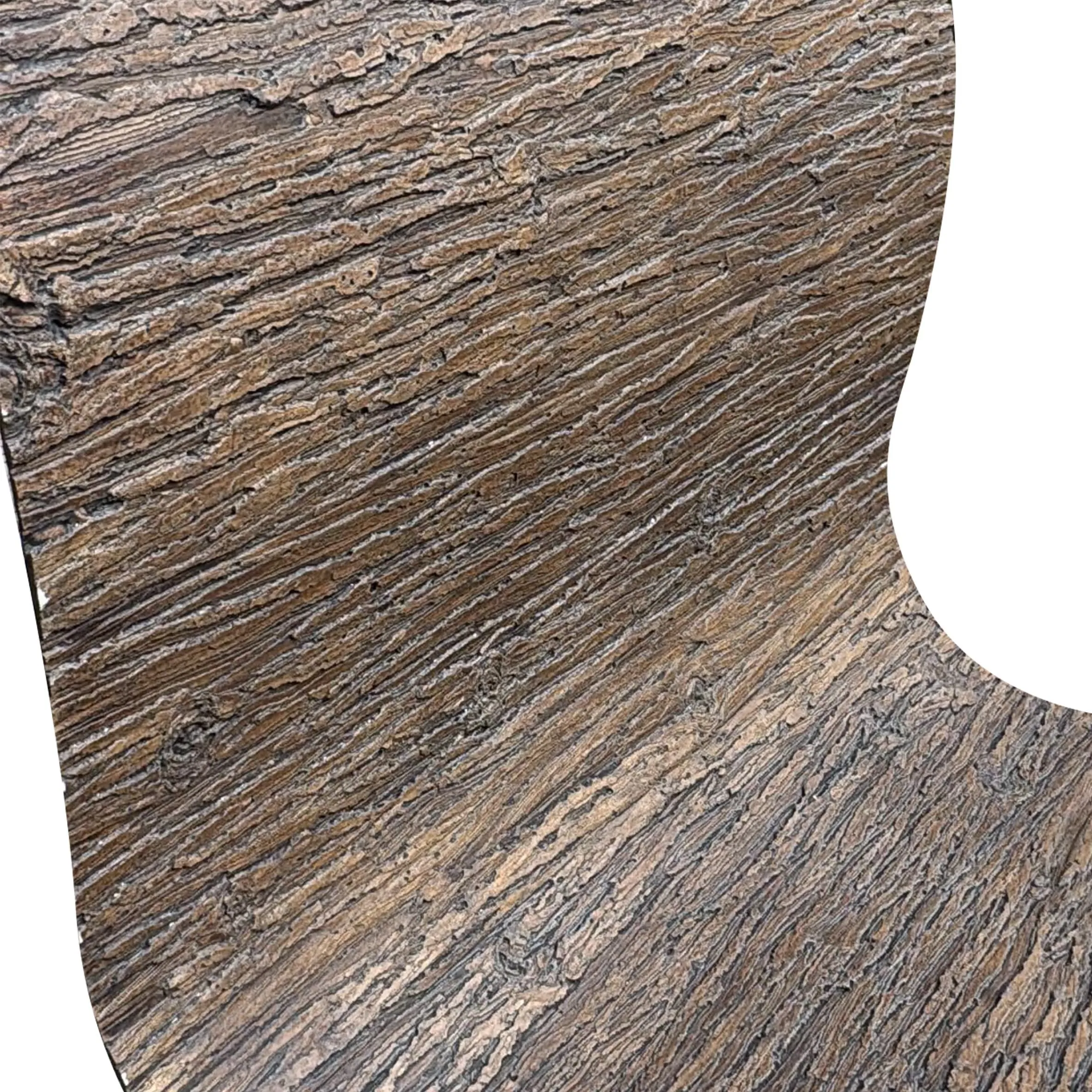
So, where does Pine Bark Board fit into this picture? It's a fantastic example of biomimicry and circular economy principles in action. Pine bark, often a byproduct of the timber industry, was historically underutilized, sometimes even discarded or burned, contributing to pollution. Now, through advanced processing, this "waste" material is being reborn as a valuable building component.
What makes it so special? Let's break down its environmental advantages:
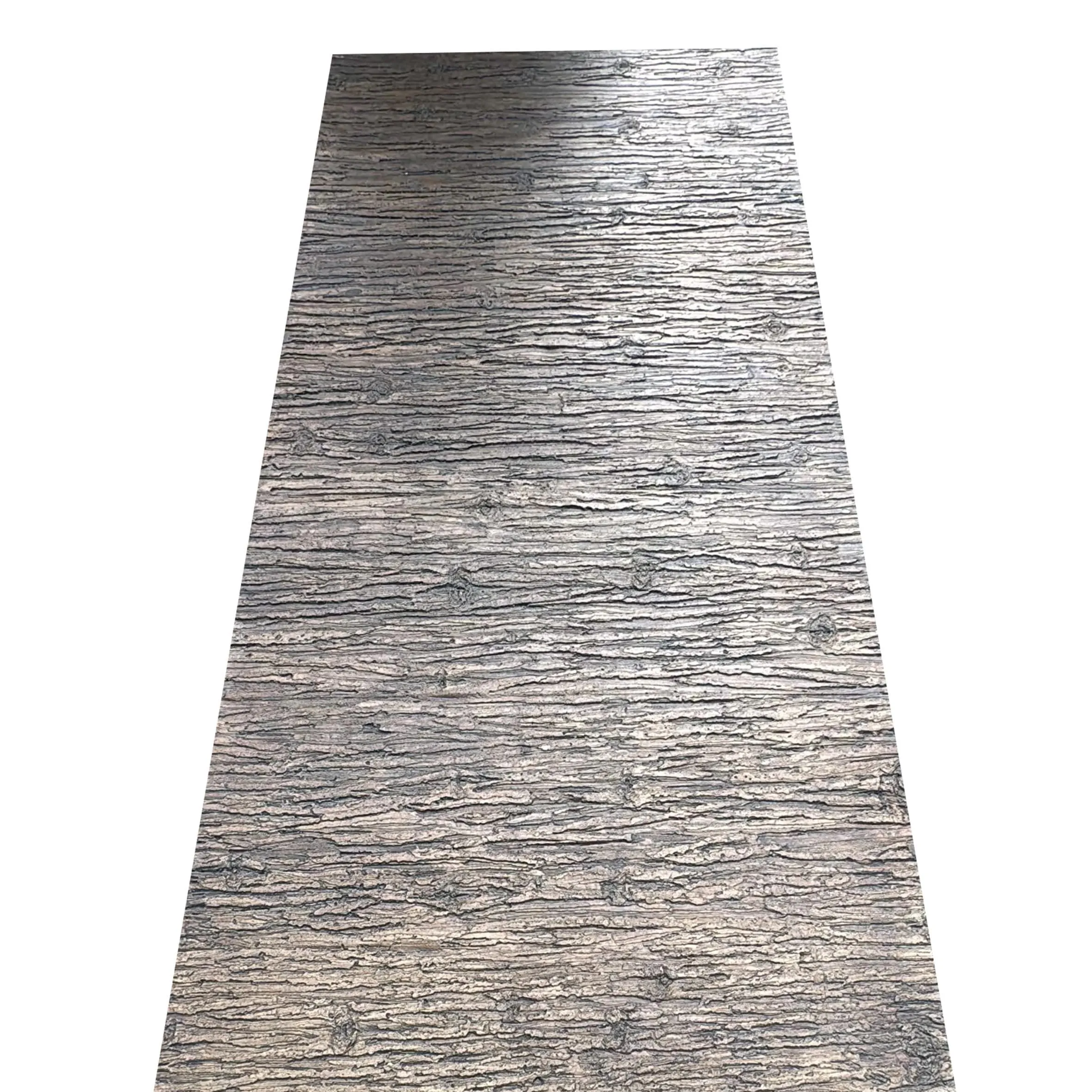
While Pine Bark Board is a specific example, it perfectly aligns with COLORIA GROUP's broader philosophy and our core product offerings. As a one-stop solution provider for architectural materials, we are constantly seeking out and developing materials that champion sustainability without compromising on quality or aesthetics. Our primary focus is on **MCM (Modified Cementitious Material) series products**, which themselves are celebrated for their eco-friendly properties and versatility.
Think about our **MCM Big Slab Board Series** or the **MCM Project Board Series**. These are designed with both durability and environmental responsibility in mind, often incorporating recycled content and low-impact production methods. The essence of Pine Bark Board – taking a natural resource, enhancing it, and making it perform beautifully – resonates deeply with our approach to MCM. Just like Pine Bark Board offers unique textures and patterns derived from nature, our MCM products provide a vast array of finishes that mimic natural materials, but with superior environmental credentials.
The future of building is about **customization** and green choices. Whether it's the specific hue of a flexible stone panel or the bespoke pattern created by our MCM 3D Printing Series, clients are increasingly demanding solutions that are tailored to their vision and values. Pine Bark Board, with its inherent natural beauty and performance characteristics, fits right into this demand for unique, responsible design elements.
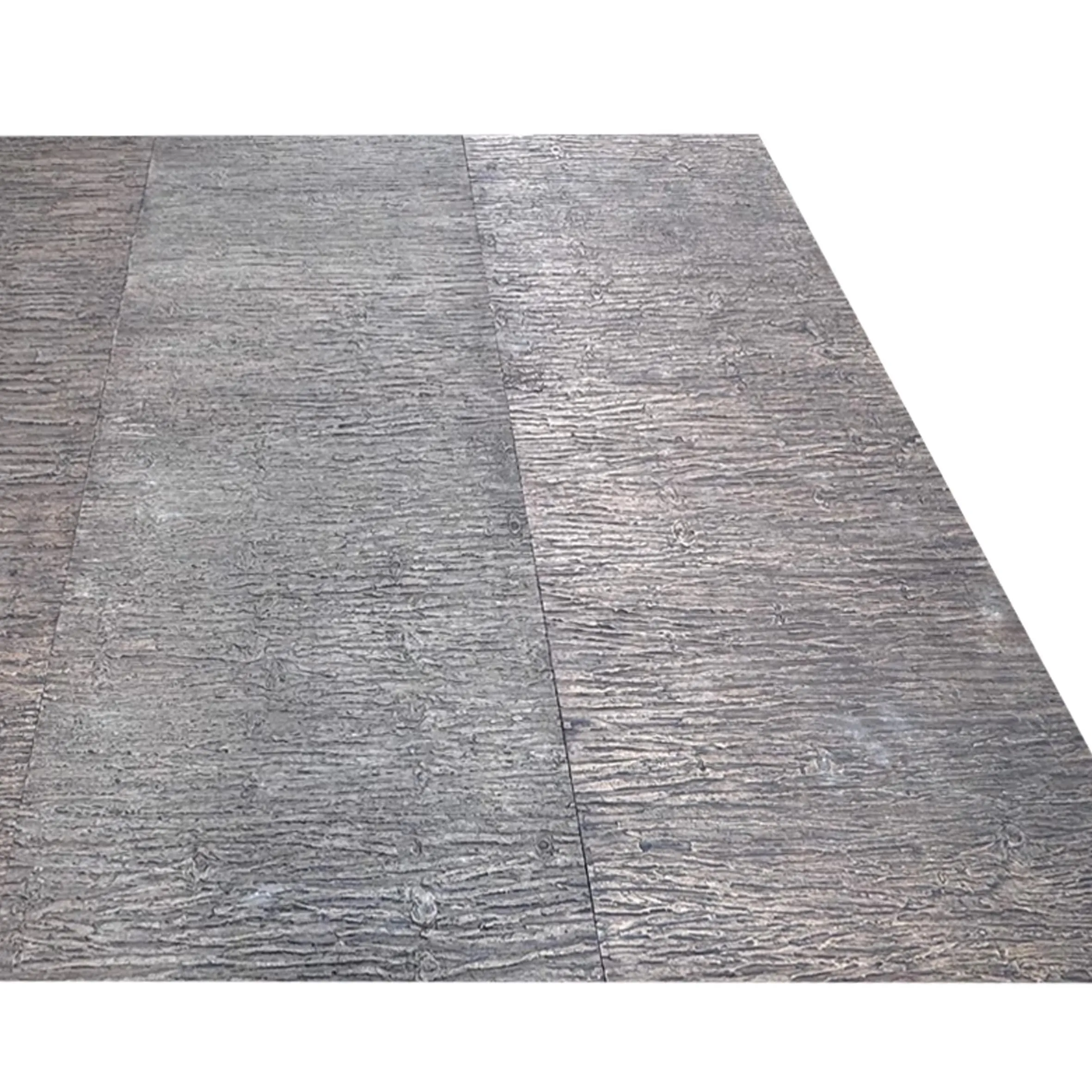
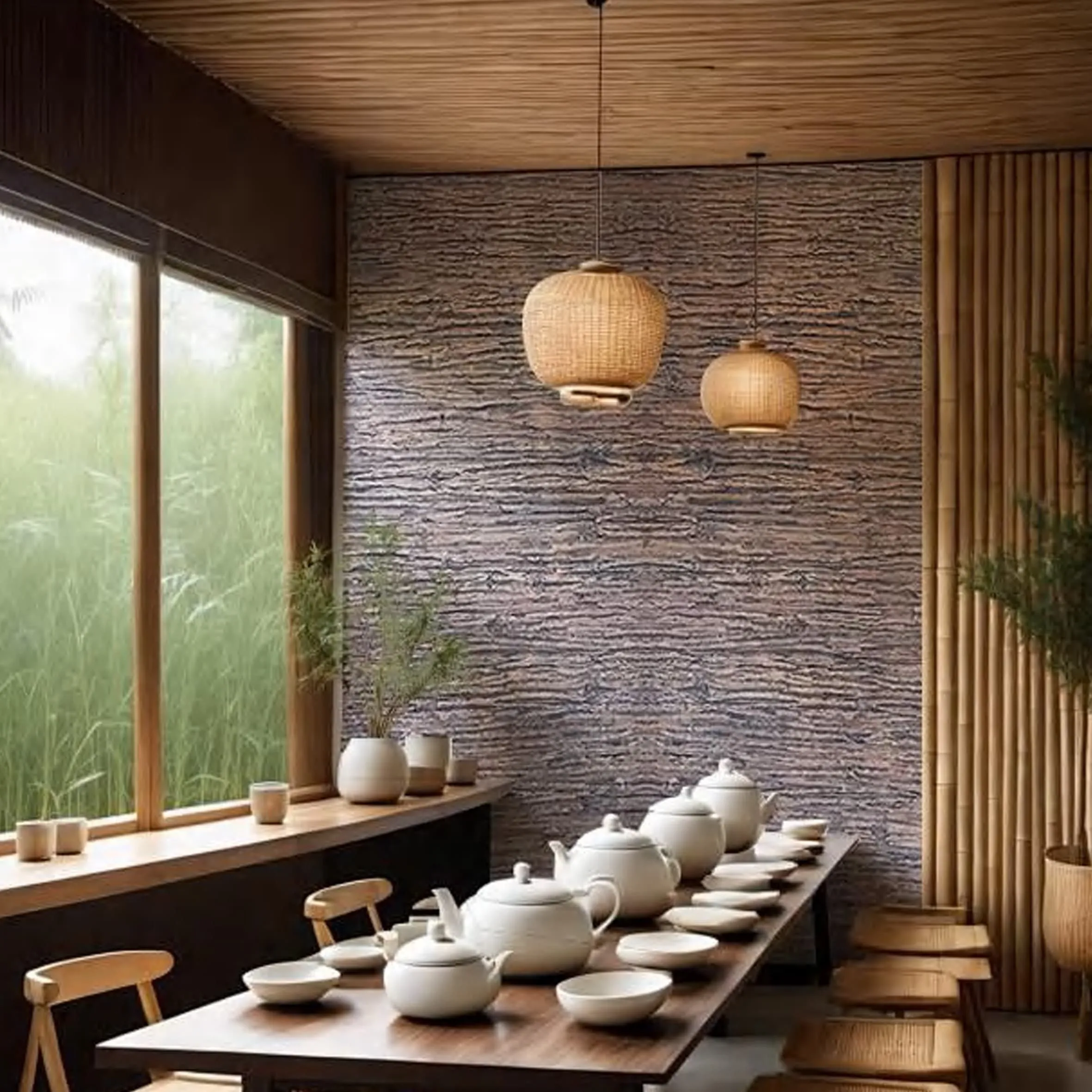
So, where can you actually use Pine Bark Board? Its versatility is one of its strongest suits, making it suitable for a surprising array of applications.
The inherent textural variations and earthy tones of Pine Bark Board allow designers to push boundaries, crafting spaces that feel connected to nature. This biophilic design approach is proven to enhance well-being and productivity, making it not just an aesthetic choice, but a functional one too. Combined with our **MCM Flexible Stone** or other innovative materials, the design possibilities are truly endless.
To truly appreciate the greener alternative that Pine Bark Board offers, it's helpful to look at how it stacks up against some more conventional building materials. While each material has its specific advantages, the environmental profile of Pine Bark Board often shines through.
| Feature | Pine Bark Board | Plywood/MDF (Traditional) | Concrete | Gypsum Board |
|---|---|---|---|---|
| Primary Resource | Renewable pine bark (waste byproduct) | Virgin timber/wood fibers (can be unsustainable) | Cement, aggregates, water (energy-intensive cement production) | Gypsum rock (mined resource) |
| Embodied Carbon | Low (carbon sequestration, less energy to produce) | Moderate to high (depending on wood source, binder, processing) | Very high (cement production is a major emitter) | Moderate (mining, calcination) |
| Waste Reduction | High (upcycles agricultural/forestry waste) | Varies (production waste, off-cuts) | Significant construction and demolition waste | Production and construction waste |
| Energy Efficiency (Insulation) | Good natural insulation properties | Moderate | Poor (requires additional insulation) | Poor (requires additional insulation) |
| Indoor Air Quality (VOCs) | Typically low VOCs | Can be high VOCs (formaldehyde in binders) | Low (after curing), but can contain other chemicals | Generally low (unless treated with specific paints) |
| End-of-Life Disposal | Biodegradable, potentially compostable/recyclable | Can be recycled, but often landfilled; not biodegradable if treated | Landfilled (difficult to recycle, downcycling common) | Landfilled (can be recycled, but logistically challenging) |
| Aesthetic | Unique, natural, organic texture | Uniform, paintable, veneerable | Industrial, can be finished or exposed | Smooth, paintable |
As you can see, Pine Bark Board presents a compelling case for a more environmentally responsible choice, particularly when considering its lifecycle impact and contribution to circular economy principles.
At COLORIA GROUP, we understand that building for the future means building sustainably today. Our extensive experience in the architectural materials sector, coupled with our global reach – including our dedicated agency in Saudi Arabia – positions us perfectly to deliver these cutting-edge, eco-friendly solutions to your projects, wherever they are in the world.
We are not just selling materials; we are providing comprehensive solutions, helping architects, designers, and developers integrate green practices into their work. From the initial concept to the final installation, our team is dedicated to supporting your vision, ensuring that the materials you choose, like advanced MCM or innovative Pine Bark Board, perform optimally and contribute positively to both your project and the planet.
The demand for materials that offer both aesthetic appeal and a clear environmental benefit is growing exponentially. Clients are savvier, regulations are tightening, and the moral imperative to build responsibly is stronger than ever. Choosing materials like Pine Bark Board, or our highly customizable and green MCM solutions, is not just a trend; it's a fundamental shift towards a better way of building.
Let's work together to create buildings that not only stand the test of time but also respect the environment they inhabit. Join COLORIA GROUP in embracing these greener alternatives and making a tangible difference, one project at a time.
Recommend Products











