

Imagine standing in a sunlit lobby, your hand brushing against a wall that seems to glow from within. The surface is warm, with soft, honeyed tones swirled with veins of deep red and gold—each mark a story written over centuries. That's the allure of red travertine, a natural stone prized for its unique texture and rich color, a favorite in luxury homes, hotels, and commercial spaces worldwide. But behind that beauty lies a hidden narrative: the environmental toll of extracting this "stone of stories" from the earth. Let's peel back the layers, from the stone's ancient origins to the modern-day cost of its popularity, and explore how innovation is offering a kinder path forward.
Red travertine isn't just a building material—it's a geological masterpiece. Formed over millennia by mineral-rich hot springs, its layers trap bubbles, fossils, and iron oxide deposits, giving it that signature red hue that ranges from soft terracotta to fiery crimson. Miners and architects have long been drawn to its warmth; ancient Roman baths used travertine for its durability, and today, it adorns everything from kitchen backsplashes to skyscraper facades. Walk through a high-end restaurant, and you might find red travertine floors that feel both rustic and refined, as if the earth itself was polished to a shine. It's no wonder demand has soared—but that demand comes with a price tag Mother Nature is forced to pay.
Quarrying red travertine starts with clearing land—often in fragile ecosystems where the stone naturally forms. Picture a once-lush valley, home to birds, foxes, and wildflowers, now stripped bare to expose the stone beneath. Heavy machinery tears into the earth, disrupting soil structure and leaving behind massive pits. This deforestation isn't just about losing trees; it's about losing habitats. Species that depend on those ecosystems—from insects to mammals—are displaced, pushing some toward endangerment. In regions like Tuscany, Italy, where travertine quarries have operated for decades, satellite images show scars on the landscape that persist long after mining stops.
Water, too, bears the brunt. Quarrying requires vast amounts of water for cutting and cooling machinery, depleting local aquifers. Runoff from quarries carries sediment and chemicals into rivers and streams, clouding waterways and harming aquatic life. In Turkey's Denizli region, a major travertine hub, villagers report that once-clear streams now run murky, and fish populations have dwindled. "Our children used to swim there," says a local farmer. "Now we worry about letting them near the water."
Then there's the carbon footprint. From transporting heavy stone blocks across continents to the energy-intensive cutting and polishing processes, red travertine leaves a significant emissions trail. A single truck carrying travertine slabs from a quarry to a construction site can emit tons of CO2 annually. Meanwhile, the quarries themselves release methane, a potent greenhouse gas, as organic matter decomposes in exposed soil. It's a cycle that exacerbates climate change, turning the stone's natural beauty into a contributor to environmental harm.
Waste is another silent issue. Up to 30% of extracted stone is discarded as "waste" during cutting and shaping, creating mountains of rubble that take centuries to break down. These waste piles leach minerals into the soil, making it infertile for future vegetation. In some areas, quarry waste has even been linked to landslides, as unstable piles shift during heavy rains, threatening nearby communities.
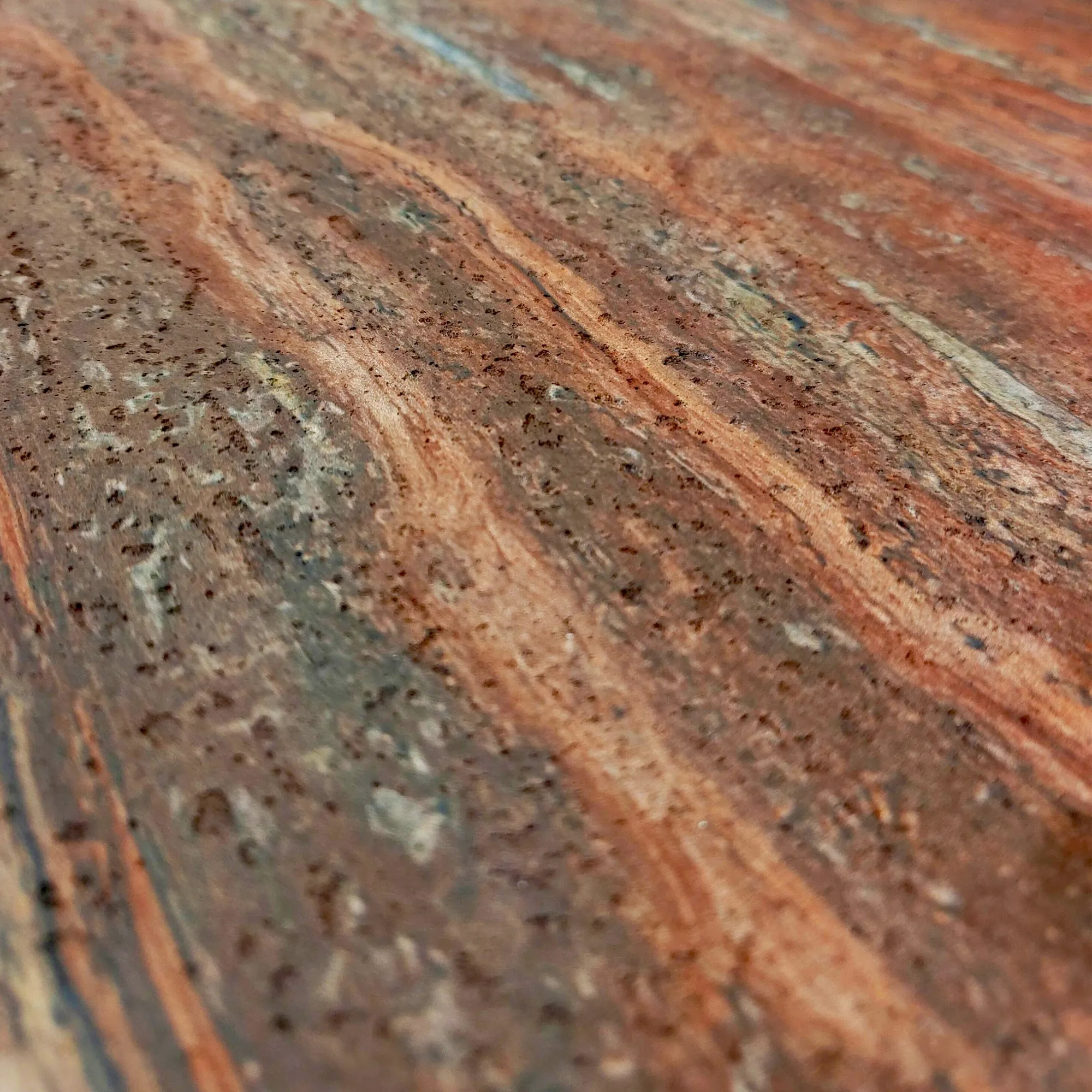
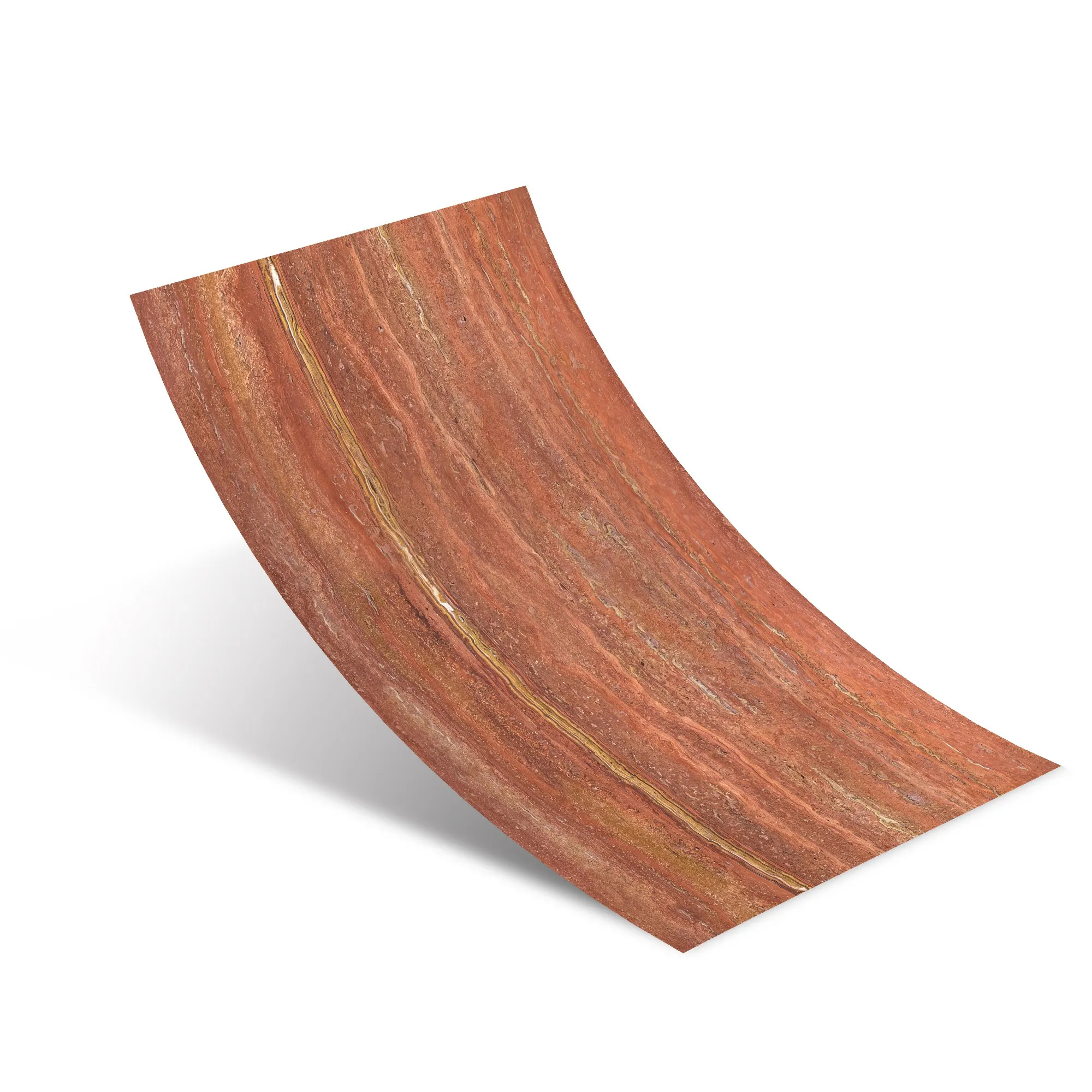
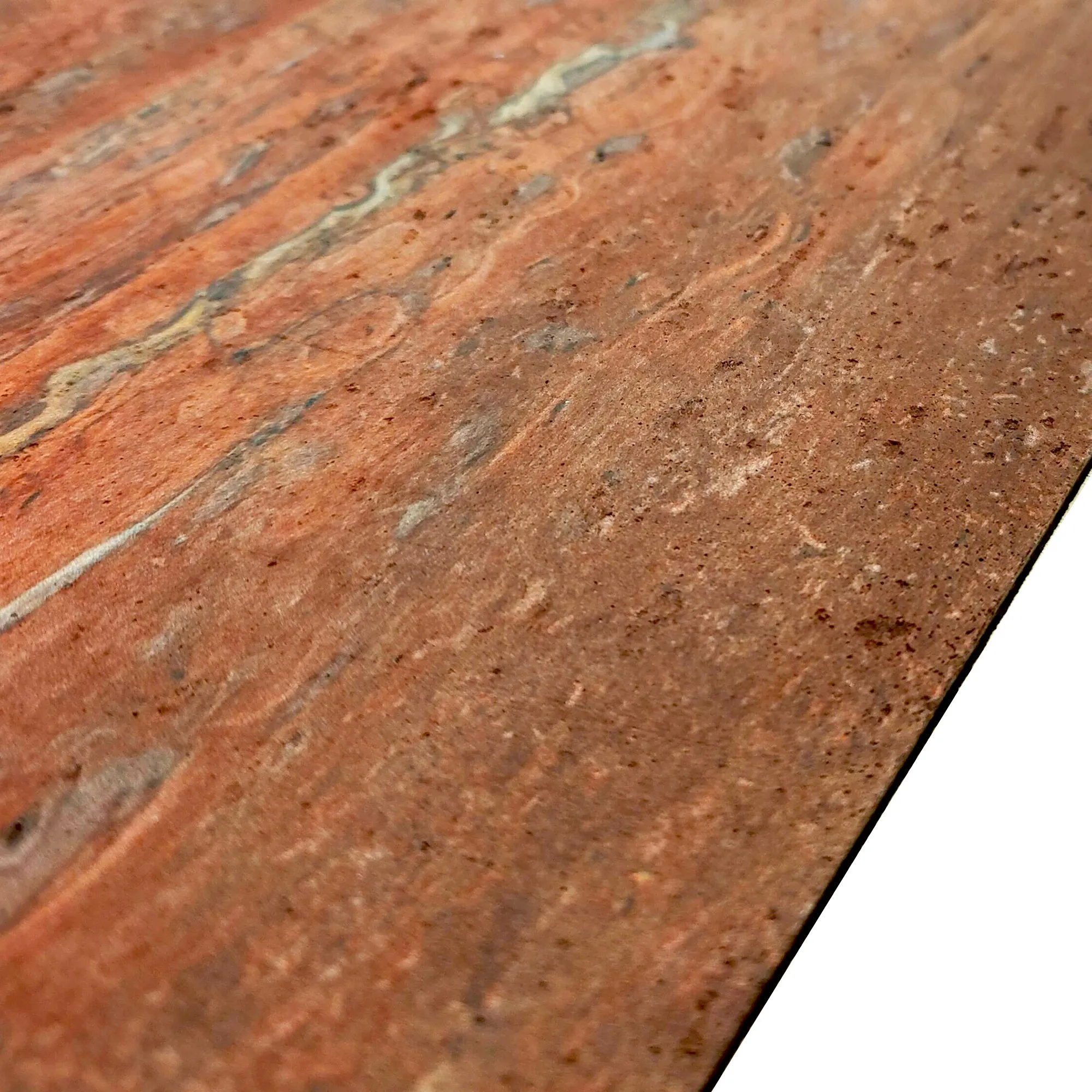
Thankfully, the construction industry is waking up to the need for change—and materials like MCM flexible stone are leading the way. Short for "Modified Composite Material," MCM flexible stone is a revolutionary alternative that captures the look and feel of natural stone without the environmental cost. Made from recycled minerals, polymers, and natural fibers, it's lightweight, durable, and incredibly versatile. Unlike red travertine, which requires massive quarrying, MCM flexible stone is produced in controlled facilities, minimizing land disruption.
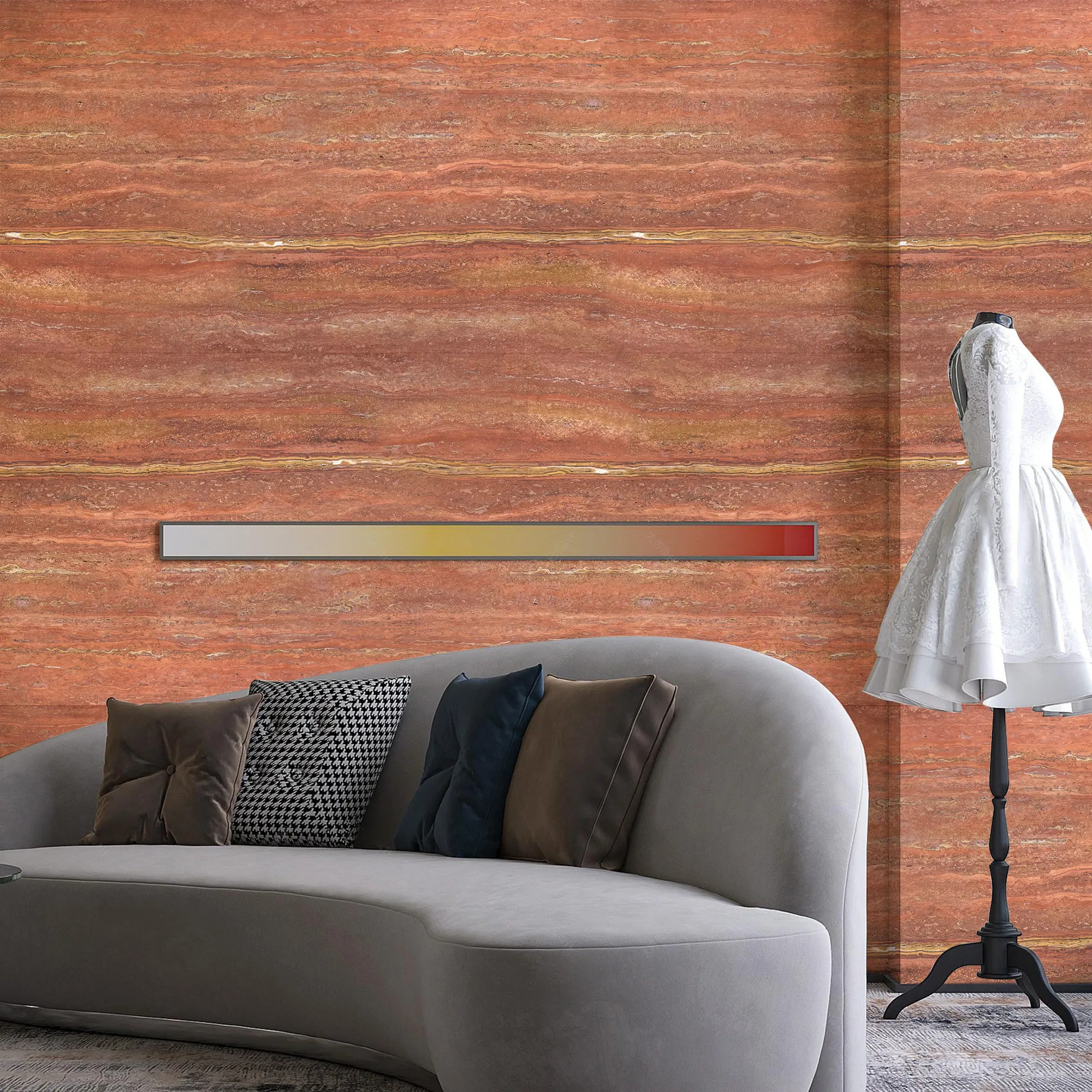
What makes MCM flexible stone truly special is its sustainability. The production process uses 90% less water than traditional quarrying and emits up to 70% less CO2. It's also 80% lighter than natural stone, reducing transportation emissions and making installation easier—no need for heavy machinery that compacts soil or damages building structures. Architects and designers love it for its flexibility: it can be curved, cut into intricate shapes, or applied to uneven surfaces, opening up creative possibilities that natural stone can't match. Imagine a hotel lobby with a sweeping, curved wall that looks like red travertine but was installed in days, not weeks, and left no ecological scars behind.
The Lunar Peak series, with its silvery, golden, and black variants, is another example of how sustainable materials are redefining luxury. Inspired by the moon's rugged beauty, these stones are crafted using recycled materials and low-energy processes. They mimic the texture of natural stone—think the rough-hewn charm of lunar peaks—without requiring a single dynamite blast or tree removal. Builders in Dubai and Abu Dhabi are already using Lunar Peak silvery in high-rise facades, proving that sustainability and grandeur can coexist.
For those seeking a metallic edge, foamed aluminium alloy boards offer a sleek, modern alternative. Available in vintage silver, vintage gold, and gold finishes, these boards are lightweight, corrosion-resistant, and 100% recyclable. Unlike red travertine, which fades over time when exposed to the elements, foamed aluminium alloy boards retain their luster for decades, reducing the need for replacement and further environmental impact. A restaurant in Paris recently replaced its travertine bar counter with a vintage gold foamed aluminium alloy board, and customers can't tell the difference—except the owners now sleep easier knowing their choice is helping the planet.
| Environmental Factor | Natural Red Travertine Quarrying | MCM Flexible Stone Production |
|---|---|---|
| Land Disruption | High: Requires large-scale quarrying, deforestation, and habitat loss | Low: Produced in factories with minimal land use; no mining needed |
| Water Consumption | Extremely high: 10,000+ liters per ton of stone | Low: 1,000 liters per ton (90% reduction) |
| CO2 Emissions | High: 200-300 kg CO2 per ton (quarrying + transportation) | Low: 60-90 kg CO2 per ton (70% reduction) |
| Waste Generation | 30% waste from cutting; non-biodegradable rubble | 5% waste; recyclable and minimal landfill impact |
The choice between natural red travertine and sustainable alternatives like MCM flexible stone isn't just about materials—it's about values. For too long, the construction industry has prioritized aesthetics over ethics, assuming that beauty must come at the expense of the planet. But today's consumers and businesses are demanding better. Homeowners want their dream kitchens to reflect their love for nature, not destroy it. Corporations are setting net-zero goals and seeking building materials that align with their sustainability pledges.
Take the example of a recent office project in Berlin. The developers initially planned to use red travertine for the exterior cladding, drawn to its timeless appeal. But after learning about the environmental impact, they switched to the Lunar Peak golden series. The result? A building that shimmers like natural stone in the sunlight, uses 60% less energy to heat and cool (thanks to MCM's insulating properties), and has become a symbol of the company's commitment to sustainability. Employees report feeling prouder to work in a space that aligns with their values, and clients often comment on the building's "warm, earthy vibe"—proof that sustainability doesn't mean sacrificing beauty.
Local communities, too, benefit from this shift. In regions where quarrying once divided residents and companies, sustainable materials are fostering collaboration. A quarry in Spain, for instance, recently closed its red travertine operations and converted the site into a solar farm, creating jobs in renewable energy. The land is now being restored with native plants, and birdwatchers have started returning. "We used to fight the quarry," says a local environmental activist. "Now we're working together to heal the land. It's a new chapter."
Red travertine will always hold a special place in our architectural heritage—it's a stone shaped by time, with stories written in its veins. But as we face the realities of climate change and biodiversity loss, we must ask: is the beauty of natural stone worth the cost to our planet? Thanks to innovations like MCM flexible stone, the Lunar Peak series, and foamed aluminium alloy boards, we don't have to choose. We can have spaces that feel connected to nature, that inspire and comfort us, without leaving behind a trail of destruction.
The next time you walk into a building and admire its stone walls, take a moment to wonder: where did this material come from? What impact did it have on the earth? Then, let that curiosity drive change. Ask architects to specify sustainable alternatives, support companies that prioritize the planet, and spread the word that beauty and responsibility can go hand in hand. After all, the most stunning spaces are those that honor both the past and the future—spaces that tell a story of respect for the earth that gave us all life.
In the end, red travertine's true beauty isn't just in its color or texture—it's in the lesson it teaches us: that some of the most precious things in life require care, not conquest. And with sustainable alternatives leading the way, we can build a world where every wall, floor, and facade reflects not just our taste, but our love for the planet we call home.
Recommend Products











