
In a world where "sustainability" has shifted from a buzzword to a critical necessity, the construction industry is under more pressure than ever to rethink its materials. Buildings account for nearly 40% of global carbon emissions, from production to demolition, so choosing the right materials isn't just about aesthetics anymore—it's about the health of our planet. Enter Slate Sunnye, a relatively new player in the green building space that's turning heads for its unique blend of durability, beauty, and environmental consciousness. But what exactly is it, and how does it stack up when we talk about real environmental impact? Let's dive in.
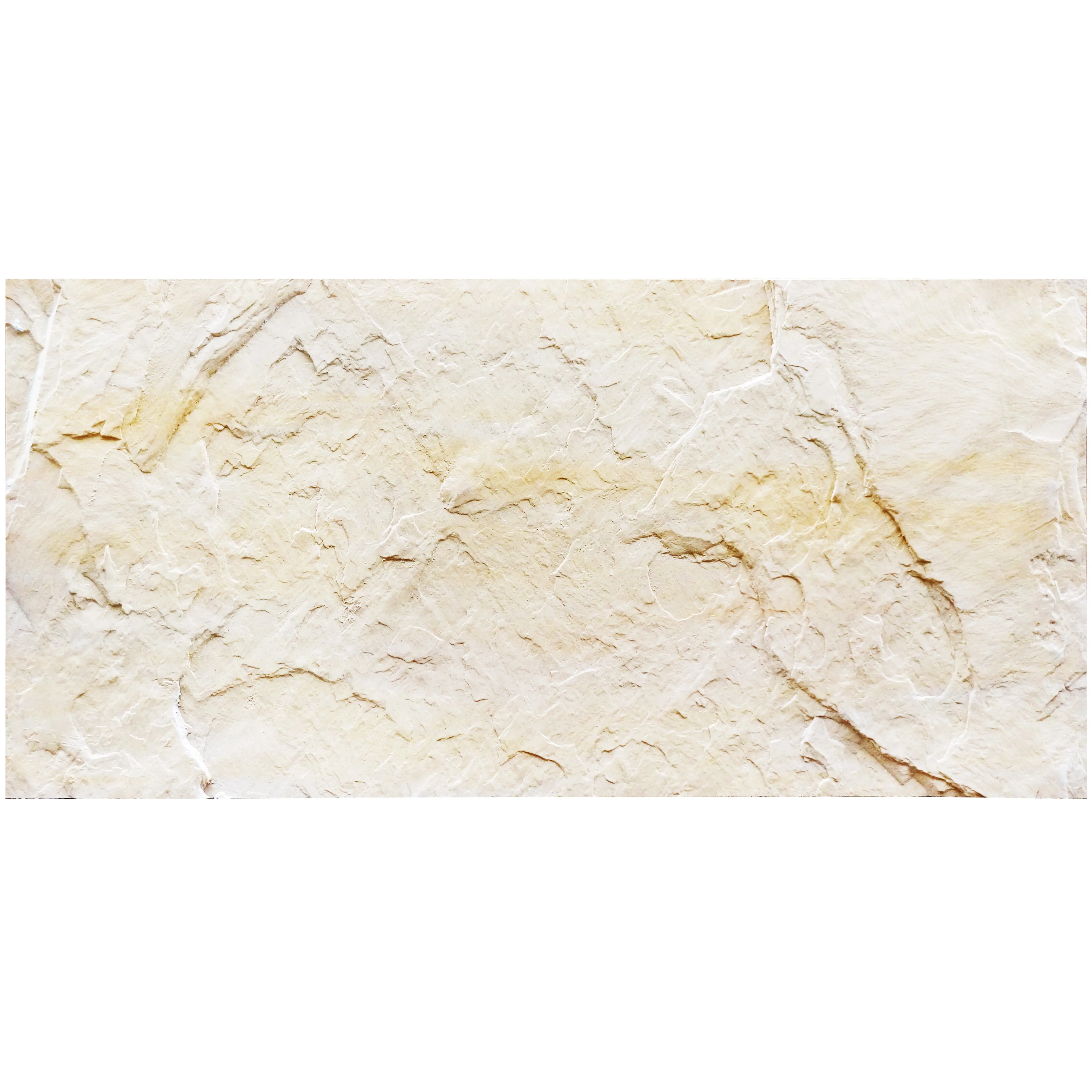
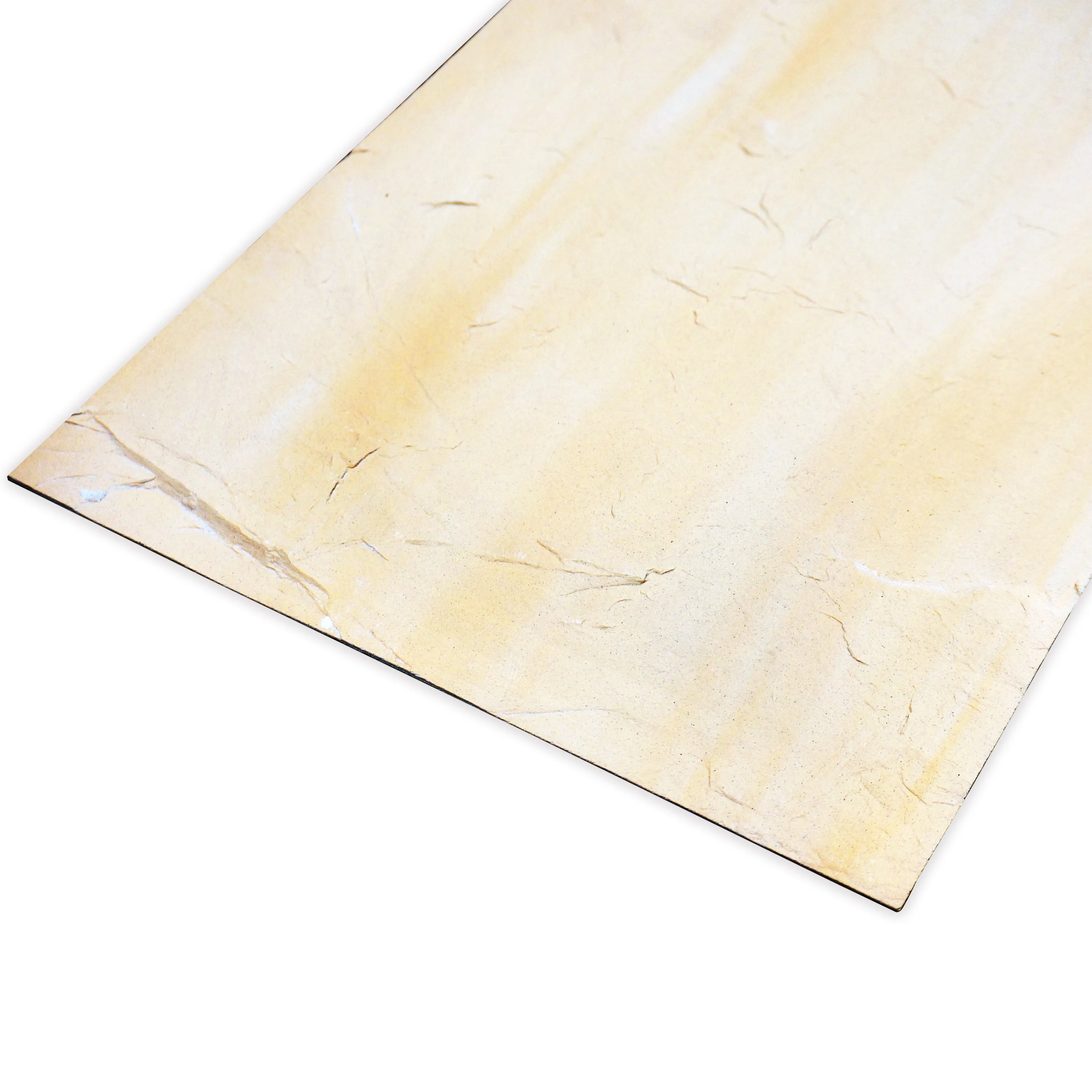
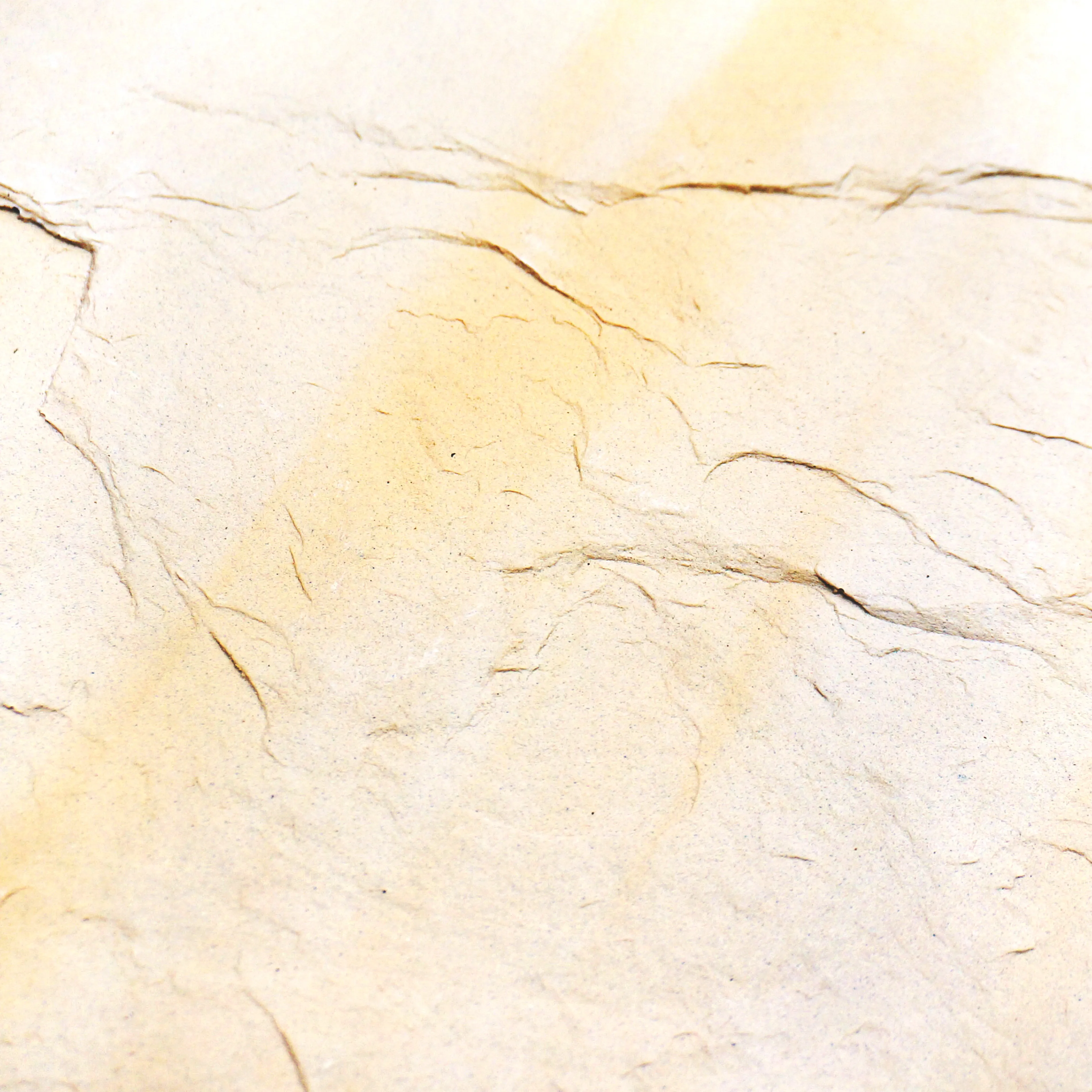
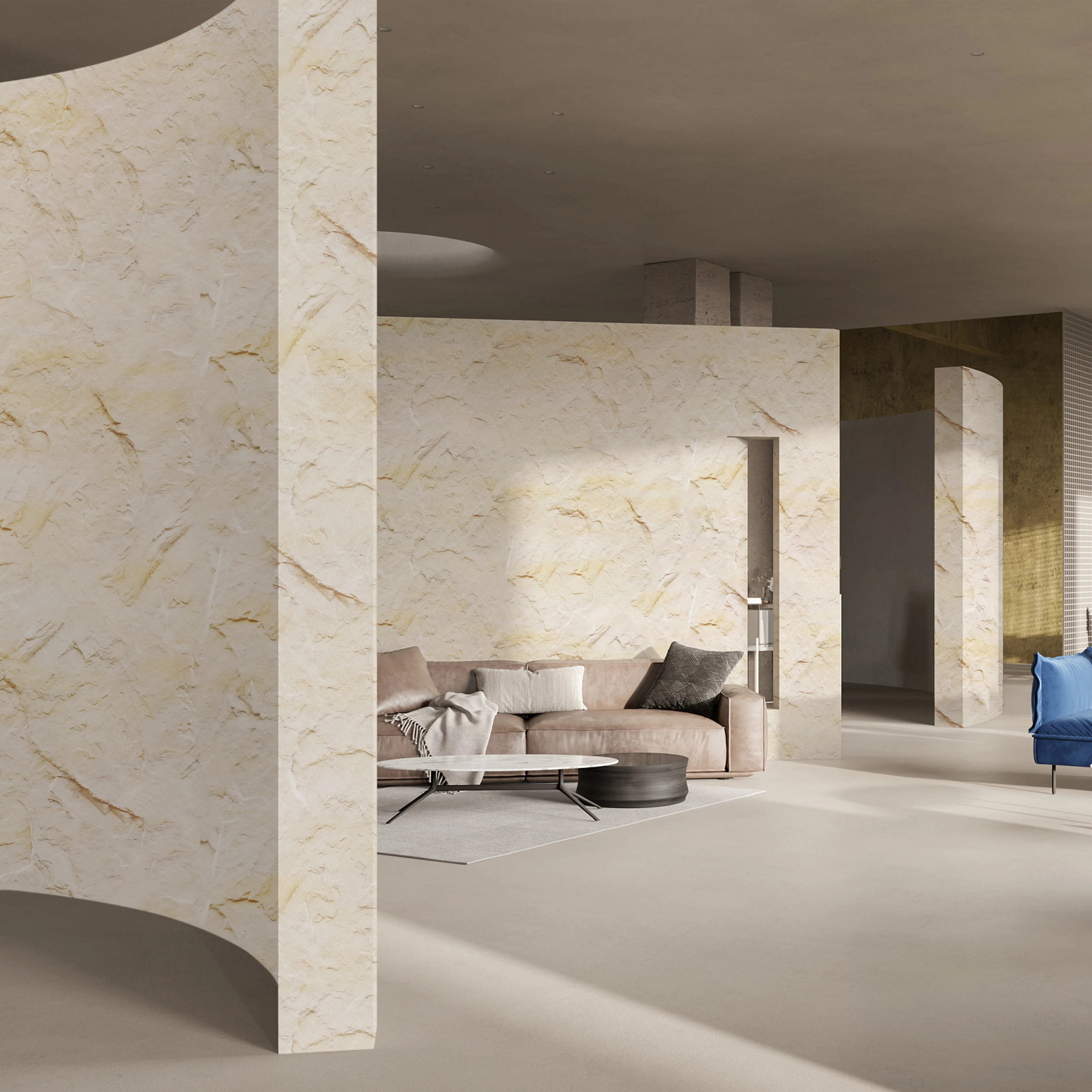
First things first: Slate Sunnye isn't your grandma's slate. It's a engineered stone, crafted by combining natural slate aggregates with a low-impact binding agent, designed to mimic the look and feel of traditional slate but with a much lighter environmental footprint. Think of it as slate's eco-savvy cousin—retaining all the charm (those subtle earthy tones, the slight texture that feels like running your hand over a weathered cliff) but ditching the wasteful practices that have long plagued stone extraction.
You might be wondering, "Why not just use regular slate then?" Great question. Traditional slate mining often involves heavy machinery, large-scale quarrying that disrupts local ecosystems, and a lot of waste—up to 30% of extracted stone is discarded as "scrap" before it even leaves the quarry. Slate Sunnye, on the other hand, starts with those very scraps. By repurposing leftover slate from other mining operations, it's turning waste into wealth, reducing the need for new quarrying and cutting down on landfill contributions. That's a win right out of the gate.
The magic of Slate Sunnye starts in the production line. Unlike, say, marble or granite— which require intensive cutting, polishing, and transportation—Slate Sunnye's manufacturing process is intentionally low-energy. The binding agent used is water-based and free of toxic chemicals, eliminating the need for harsh solvents that release volatile organic compounds (VOCs) into the air. And because it's made from recycled slate scraps, the material doesn't require new raw stone to be extracted, which means less deforestation, less soil erosion, and fewer habitats disrupted.
Water usage is another big one. Traditional stone processing can guzzle up to 20,000 liters of water per ton of finished product—water that's often contaminated with stone dust and chemicals before being discharged. Slate Sunnye's production, by contrast, uses a closed-loop water system, where water is filtered and reused repeatedly. Early data from manufacturers suggests it uses roughly 60% less water than standard slate processing. That's a huge deal, especially in regions where water scarcity is already a pressing issue.
Ever walked past a building with cracked stone cladding or faded facades? That's not just an eyesore—it's a sustainability problem. When materials wear out quickly, they need to be replaced, which means more production, more transportation, and more waste. Slate Sunnye, though, is built to stand the test of time. Its composition makes it resistant to weathering, UV rays, and even fire. Manufacturers claim it can last upwards of 50 years with minimal maintenance—compare that to some types of painted wood siding, which might need replacing every 10–15 years, or even concrete panels that can develop cracks within a decade.
Here's why that longevity matters for the planet: a longer lifespan means fewer replacements, which translates to lower overall carbon emissions over the material's lifetime. Let's say a commercial building uses Slate Sunnye for its exterior. Over 50 years, it might never need to be replaced. If that same building had used traditional limestone (beige), which is prone to erosion in rainy climates, it might need a full overhaul every 20 years. That's two additional rounds of production, transportation, and installation—each with their own environmental costs. Slate Sunnye skips that cycle, making it a "set it and forget it" option for eco-conscious builders.
Even the most durable materials eventually reach the end of their life cycle. The question is: what happens then? For many building materials, the answer is a landfill. Take fair-faced concrete, for example—a popular choice for modern, minimalist designs. While it's strong, once it's demolished, concrete is often crushed and used as fill, but it rarely gets a second life as high-quality building material. Slate Sunnye, though, is designed with circularity in mind.
At the end of its life, Slate Sunnye can be crushed into a fine aggregate and mixed back into new Slate Sunnye panels, creating a closed-loop system. Some manufacturers even offer a take-back program, where old panels are collected and repurposed. This not only reduces waste but also cuts down on the need for new raw materials. It's a stark contrast to materials like marble, which, once quarried and cut, can't be easily recycled—most marble waste ends up in landfills, where it doesn't biodegrade and takes up valuable space.
Slate Sunnye isn't the only eco-friendly option out there, of course. Let's put it head-to-head with a few other popular green building materials to see how it measures up. We'll look at carbon footprint, water usage, durability, and recyclability—key metrics for environmental impact.
| Material | Carbon Footprint (kg CO₂ per ton) | Water Usage (L per ton) | Estimated Lifespan | Recyclability |
|---|---|---|---|---|
| Slate Sunnye | ~250 | ~8,000 | 50+ years | High (recyclable into new panels) |
| Fair-Faced Concrete | ~400–500 | ~15,000–20,000 | 20–30 years (exterior) | Low (mostly used as fill) |
| Foamed Aluminium Alloy Board (Vintage Silver) | ~300–350 | ~5,000 | 40–50 years | High (aluminium is highly recyclable) |
| Marble | ~600–800 | ~25,000–30,000 | 30–40 years (exterior, with weathering) | Low (difficult to repurpose as high-quality stone) |
As you can see, Slate Sunnye holds its own—beating out fair-faced concrete and marble in carbon footprint and water usage, and matching the longevity of foamed aluminium alloy board while offering similar recyclability. It's not perfect, of course—foamed aluminium uses less water, for example—but it carves out a niche as a sustainable, aesthetically versatile option that doesn't compromise on beauty or performance.
Numbers and tables are great, but let's talk about real buildings. In 2023, a mixed-use development in Portland, Oregon, decided to clad its exterior with Slate Sunnye. The project, called "EcoTerra," aimed to achieve LEED Platinum certification, the highest standard for green buildings. According to the project manager, switching from traditional limestone (beige) to Slate Sunnye reduced the building's embodied carbon (the carbon emitted during construction) by 22%. They also reported a 40% reduction in water usage during the cladding installation phase, thanks to Slate Sunnye's lighter weight (which cut down on transportation emissions, too) and lower water needs during on-site cutting.
Another example: a school in Phoenix, Arizona, chose Slate Sunnye for its outdoor courtyard and walkways. Phoenix's harsh sun and occasional monsoons can wreak havoc on building materials, but after two years, the Slate Sunnye surfaces showed no signs of fading or cracking. The school's facilities director noted that they'd previously had to resurface the courtyard every 8–10 years with concrete, which was costly and disruptive. With Slate Sunnye, they're projecting a 50-year lifespan, saving not just money but also the environmental toll of multiple replacements.
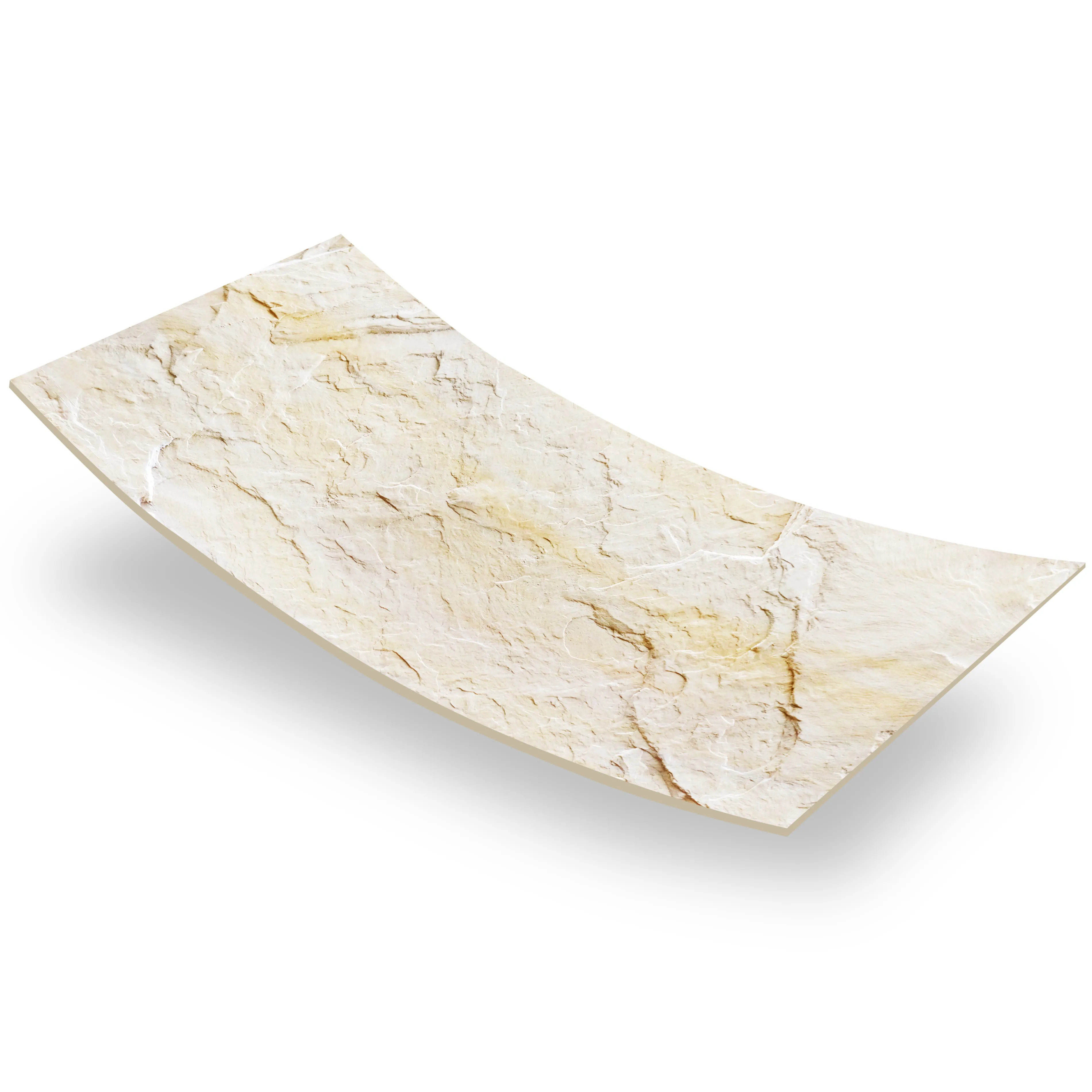
While we're on the topic of innovative green materials, it's worth mentioning MCM flexible stone—a cousin to Slate Sunnye in the sustainable building family. MCM flexible stone is made from natural stone particles bonded to a flexible backing, making it lightweight and easy to install. Like Slate Sunnye, it prioritizes recycled materials and low-energy production, and it's often used for facades, countertops, and even furniture. While Slate Sunnye leans into the durability of slate, MCM flexible stone offers flexibility (hence the name), making it ideal for curved surfaces or retrofits. Together, materials like these are showing that sustainability and design don't have to be mutually exclusive.
Slate Sunnye isn't without its challenges. For one, it's still a relatively new material, so awareness among architects and builders is growing but not universal. Cost is another factor: upfront, it can be 10–15% more expensive than standard concrete or vinyl siding. But when you factor in its longevity and lower maintenance costs, the lifetime cost often evens out—or even saves money. As demand grows, manufacturers are scaling production, which should bring costs down over time.
There's also the question of availability. Right now, most Slate Sunnye production is concentrated in Europe and North America, which means transportation costs can add to the carbon footprint for projects in other regions. However, manufacturers are exploring local production facilities in Asia and the Middle East, which would reduce shipping emissions and make the material more accessible globally.
At the end of the day, the buildings we live, work, and play in shape our planet's health just as much as they shape our daily lives. Choosing materials like Slate Sunnye—materials that prioritize the environment without sacrificing quality or beauty—is a small but powerful step toward a more sustainable future. From its recycled origins to its long lifespan and recyclable end-of-life, Slate Sunnye checks many of the boxes for what a green building material should be.
Of course, no single material will solve the construction industry's environmental challenges. But when paired with other innovations like MCM flexible stone, foamed aluminium alloy boards, and smarter design practices, Slate Sunnye is part of a larger movement—one that says we can build better, for both people and the planet. So the next time you walk past a building with a striking stone facade, take a second look. It might just be Slate Sunnye, quietly doing its part to make our cities greener, one slab at a time.
Recommend Products












