
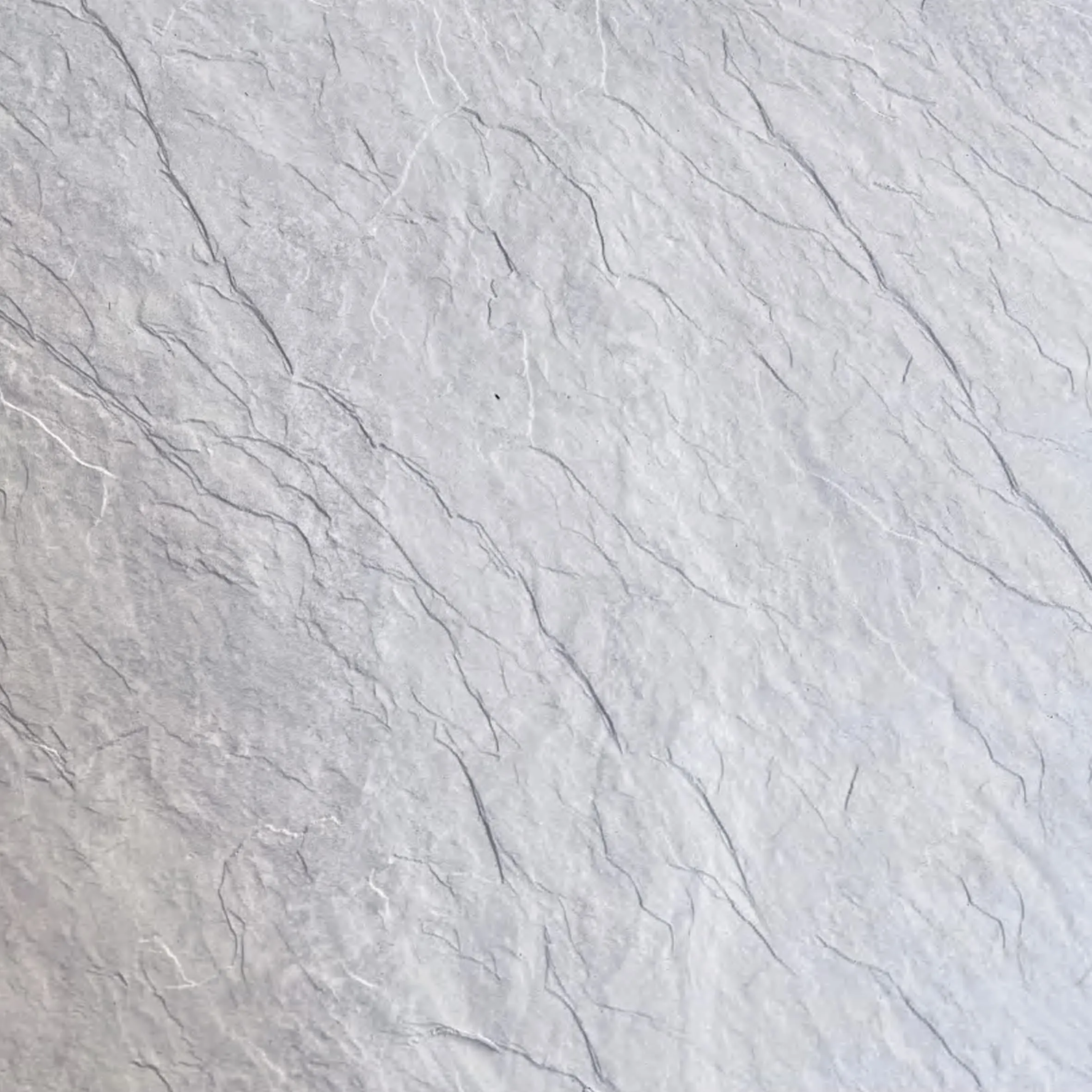
Walk through any modern city, and you'll notice a quiet revolution unfolding in the buildings around you. From sleek office towers to cozy residential blocks, the materials that clothe our structures are no longer chosen solely for looks or cost—they're increasingly selected with the planet in mind. In this shift toward sustainability, one name has emerged as a game-changer: MCM (Modified Composite Material) . Among its diverse lineup, Slate Veil White stands out not just for its striking, stone-like elegance but for its remarkable environmental credentials. Let's dive into how this innovative material, alongside other MCM products like MCM Flexible Stone and Foamed Aluminium Alloy Board (Vintage Silver) , is redefining what it means to build green.
First, let's demystify MCM. Short for Modified Composite Material, MCM is a blend of natural minerals, recycled polymers, and advanced binders designed to mimic the texture and durability of natural stone, wood, or metal—without the environmental cost. Traditional building materials like natural slate or concrete often come with heavy footprints: quarries scar landscapes, transportation guzzles fuel, and manufacturing spews carbon. MCM flips the script by prioritizing efficiency, waste reduction, and longevity. Think of it as nature's beauty, reimagined through human ingenuity.
At the heart of MCM's appeal is its versatility. Whether you're aiming for the rustic charm of Lunar Peak Silvery or the industrial edge of Fair-Faced Concrete , MCM offers a spectrum of aesthetics. But today, our focus is on Slate Veil White —a finish that captures the soft, veined elegance of natural slate, minus the extraction impact. Let's unpack what makes it special.
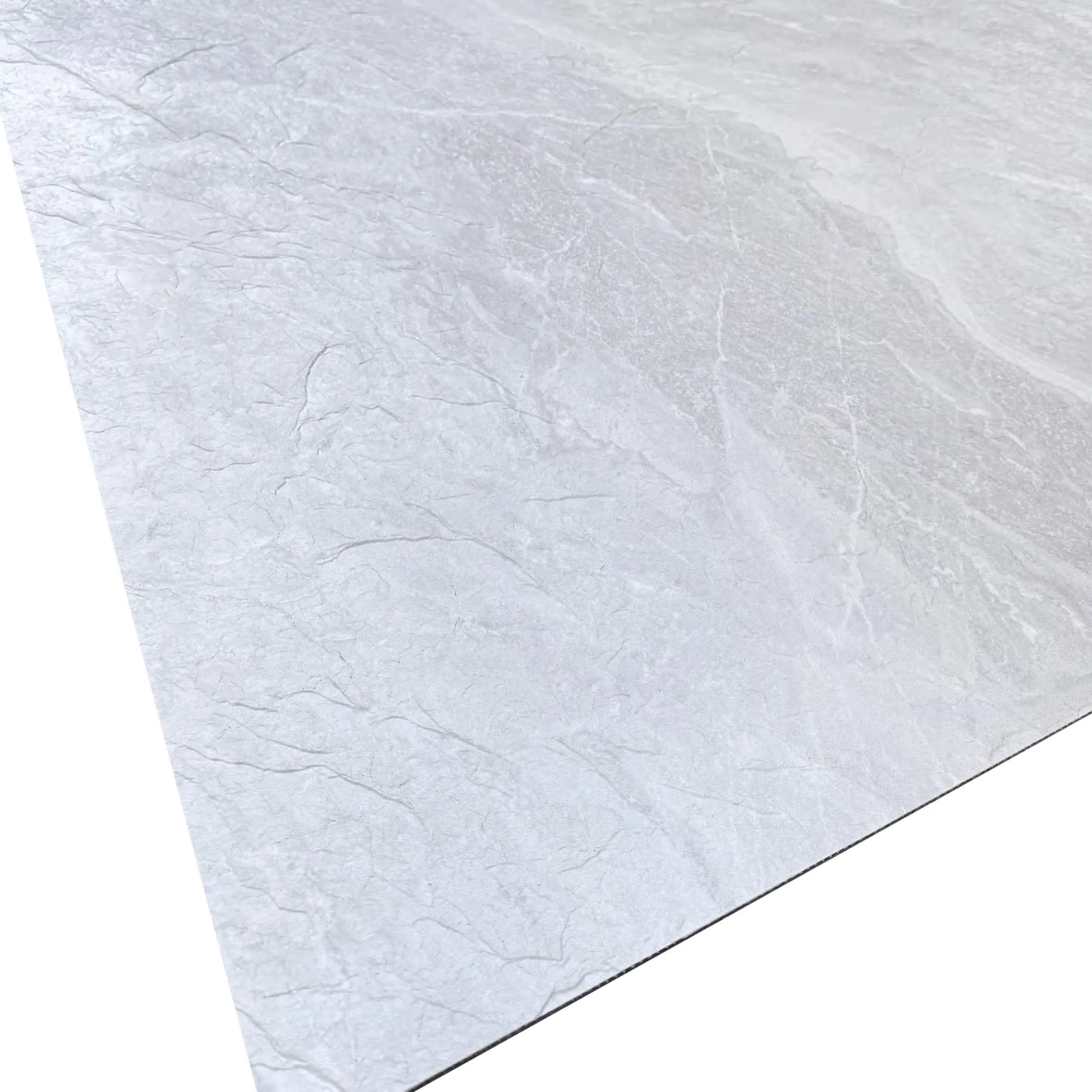
Imagine a wall cladding that looks like freshly quarried white slate, with delicate gray veining that catches the light. Now, imagine that same cladding weighs 70% less than real slate, installs in half the time, and leaves a fraction of the carbon footprint. That's Slate Veil White in a nutshell. Its secret lies in its manufacturing process, which starts with recycled mineral powders—leftovers from traditional stone cutting—and combines them with plant-based polymers. This "upcycling" of waste materials is a cornerstone of MCM's sustainability story.
Traditional slate mining, for example, generates tons of waste rock and dust, much of which ends up in landfills. MCM manufacturers repurpose this "waste" into high-performance cladding, turning a problem into a resource. The production line itself is also a model of efficiency: low-temperature curing reduces energy use by up to 40% compared to firing natural stone, and water consumption is minimized through closed-loop recycling systems. The result? A material that looks like nature's best work but is gentler on the planet from start to finish.
Sustainability isn't just about how a material is made—it's about how long it lasts. A product that needs frequent replacement is a hidden environmental cost, as manufacturing and disposal cycles repeat. Here, Slate Veil White shines. Its composite structure resists cracks, fading, and water damage far better than natural slate, which can be brittle and prone to weathering. In tests, MCM cladding has shown a lifespan of 50+ years with minimal maintenance, outperforming many traditional materials. For architects and homeowners, this means fewer repairs, less waste, and a building that stays beautiful for decades—no small feat in our throwaway culture.
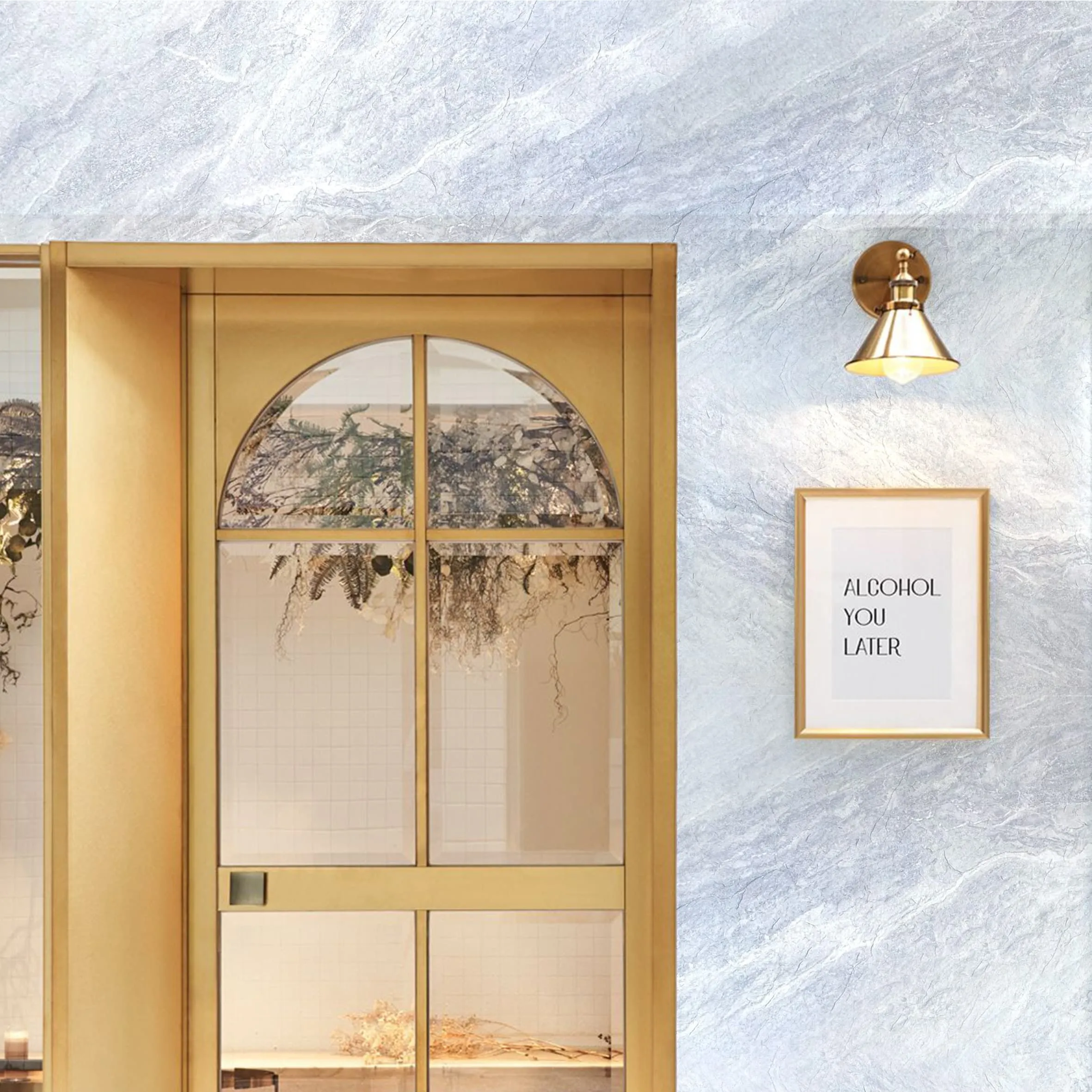
While Slate Veil White is a standout, it's part of a larger MCM ecosystem designed to cater to diverse design needs without sacrificing sustainability. Let's explore a few siblings in the family:
MCM Flexible Stone : True to its name, this material bends and curves, making it ideal for organic architectural shapes—think rounded facades or curved accent walls. Like Slate Veil White, it's lightweight (just 3-5 kg per square meter) and made with recycled minerals, reducing transportation emissions and installation labor. Its flexibility also means less cutting waste on-site, as it can be shaped to fit unique spaces without breaking.
Foamed Aluminium Alloy Board (Vintage Silver) : For a metallic twist, this MCM variant combines recycled aluminum with a foaming agent to create a lightweight, corrosion-resistant panel. Its vintage silver finish adds industrial chic to interiors or exteriors, while its hollow structure boosts insulation—cutting down on heating and cooling costs. Unlike solid aluminum, which requires energy-intensive mining, foamed aluminum uses recycled scrap, slashing its carbon footprint by up to 60%.
Lunar Peak Silvery : Inspired by the moon's cratered surface, this MCM finish offers a textured, otherworldly look. Its matte silver tones reflect sunlight, reducing a building's heat absorption (a boon for energy efficiency in warm climates). Like all MCM products, it's free from toxic dyes or sealants, making it safe for both occupants and the environment.
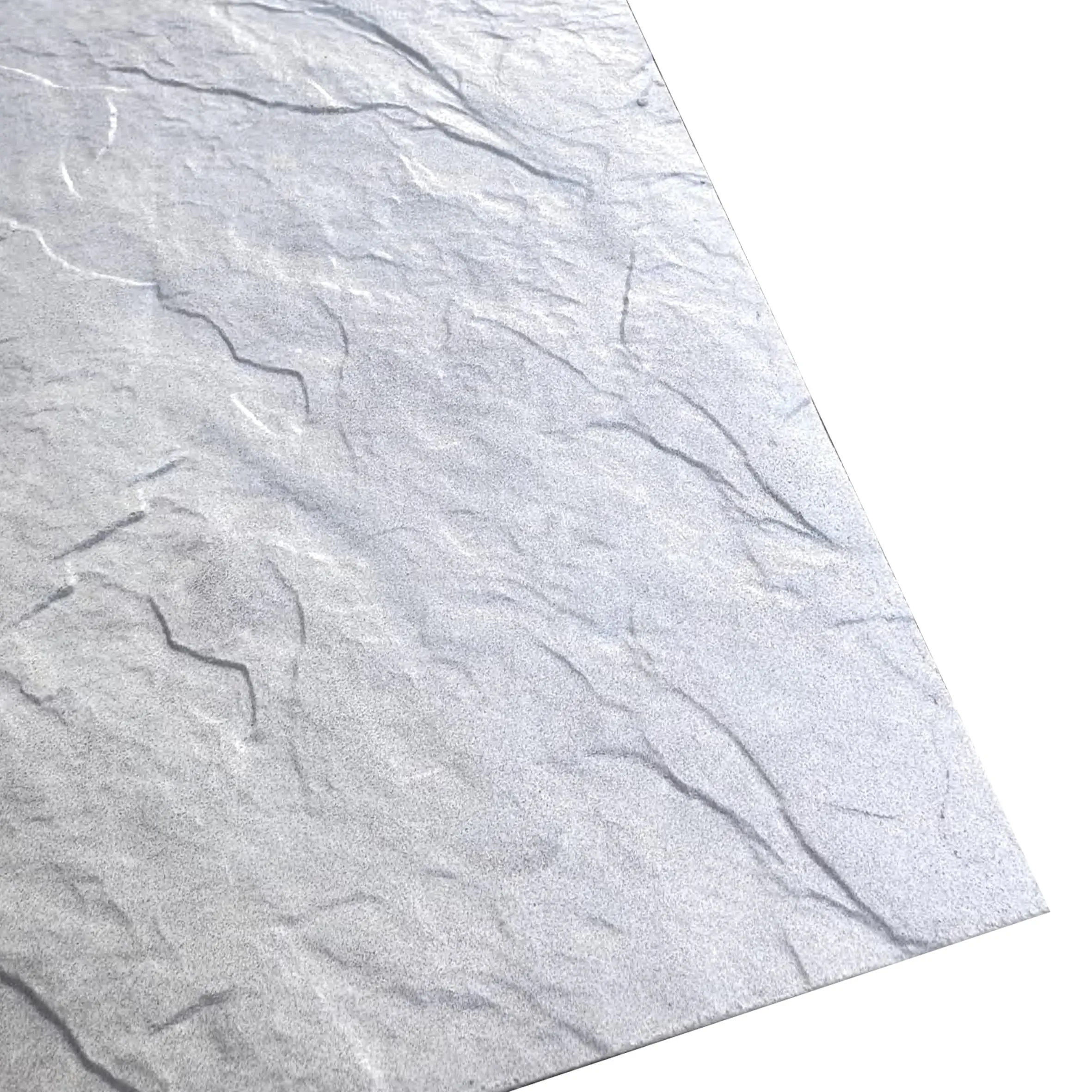
To truly grasp Slate Veil White's impact, let's stack it against two common alternatives: natural slate and traditional concrete. The table below breaks down key environmental metrics, based on industry studies and lifecycle assessments.
| Environmental Metric | Slate Veil White (MCM) | Natural Slate | Traditional Concrete |
|---|---|---|---|
| Carbon Footprint (kg CO₂ per m²) | 12-15 | 35-40 | 25-30 |
| Water Usage (L per m²) | 50-70 | 150-200 | 180-220 |
| Waste Generated (kg per m²) | 0.5-1.0 | 8-10 | 5-7 |
| Transport Emissions (kg CO₂ per m²) | 2-3 | 8-10 | 6-8 |
| Expected Lifespan (years) | 50+ | 20-30 | 30-40 |
The numbers speak for themselves. Slate Veil White produces less than half the carbon of natural slate and uses a fraction of the water. Its lightweight design also cuts transport emissions, as more panels can fit on a truck, reducing trips. And with a lifespan 2-3 times longer than natural slate, it avoids the need for frequent replacements—a hidden sustainability win.
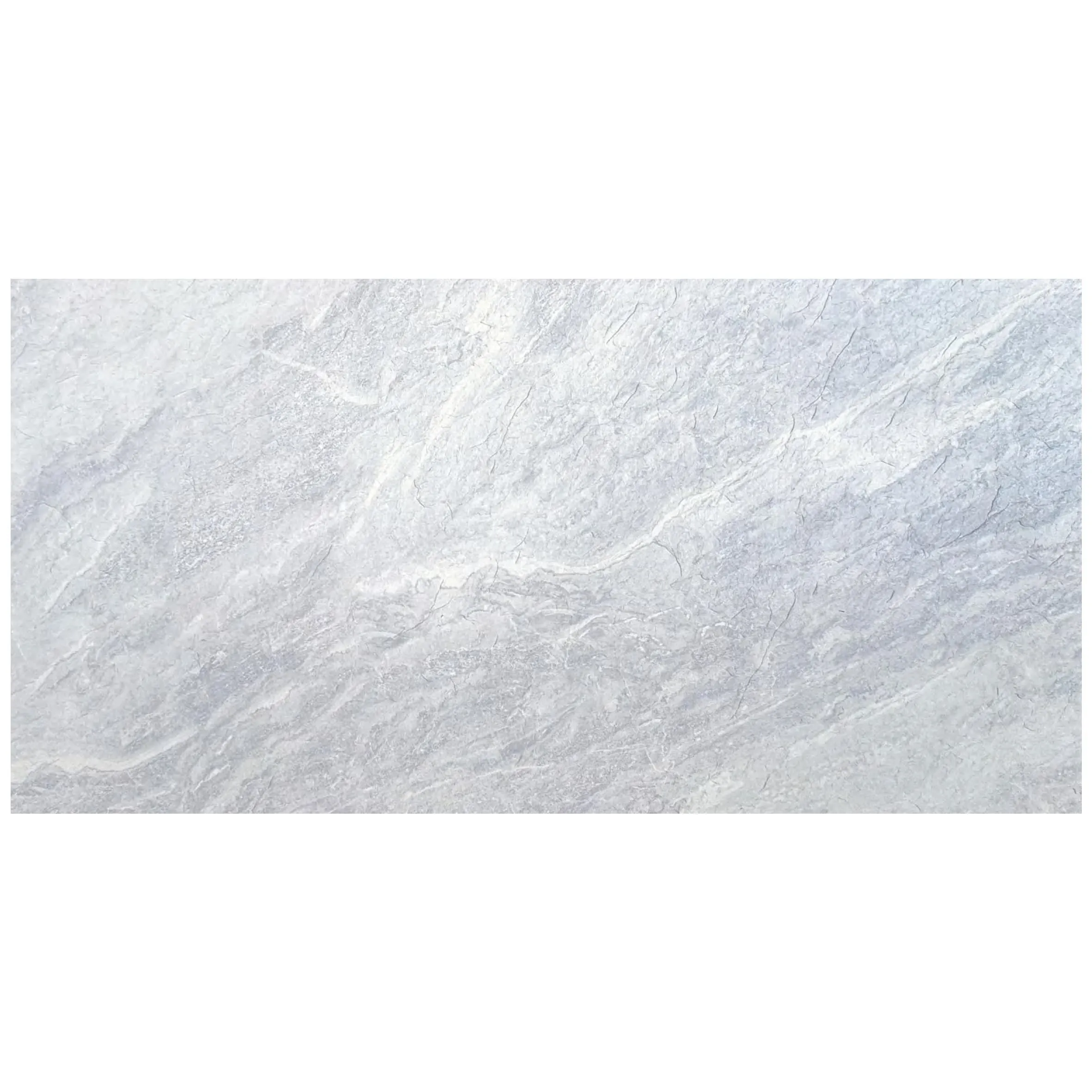
It's one thing to talk about sustainability on paper, but seeing it in action brings the impact to life. Take the GreenHaven Community Center in Portland, Oregon. When architects were designing the space, they wanted a facade that felt warm and inviting while aligning with the center's mission of eco-education. They chose Slate Veil White for the exterior cladding, paired with MCM Flexible Stone for the curved entryway. The result? A building that uses 30% less energy than code requirements, thanks to MCM's insulation properties, and diverted 12 tons of quarry waste from landfills during construction.
Another example: the Vintage Silver Loft apartments in Seattle. Developers opted for Foamed Aluminium Alloy Board (Vintage Silver) for the balcony railings and accent walls. The material's lightweight nature allowed for thinner support structures, reducing concrete use by 15%, while its reflective finish keeps interiors cool in summer—lowering AC bills for residents. Tenants rave about the "industrial yet cozy" vibe, proving sustainability and style can coexist.
As cities grow and climate concerns mount, the demand for low-impact building materials will only rise. MCM, with products like Slate Veil White leading the charge, is poised to meet this demand. Its adaptability—whether mimicking stone, metal, or wood—means it can replace multiple traditional materials, simplifying supply chains and reducing overall environmental impact.
Looking ahead, MCM manufacturers are doubling down on innovation. Research is underway to incorporate even more recycled content (some labs are testing 90% recycled mineral blends) and develop bio-based binders made from agricultural waste. Imagine a future where your home's exterior is made from old glass bottles and cornstalks, yet looks like premium stone—MCM is turning that vision into reality.
At the end of the day, building sustainably isn't just the responsibility of architects or developers—it's a choice we all make, whether as homeowners, renters, or community members. When we prioritize materials like Slate Veil White , we're not just picking a pretty facade; we're voting for a world where buildings nurture the planet, not harm it. We're saying yes to landscapes unscarred by quarries, to air cleaner from reduced emissions, and to cities that grow without outgrowing their resources.
So the next time you pass a building with a stunning stone-like exterior, take a closer look. It might just be MCM—quietly working to make our built world a little greener, one panel at a time. And if you're lucky enough to spot Slate Veil White in the wild, pause and appreciate it: it's not just a material. It's a promise of better buildings, and a better tomorrow.
Recommend Products












