
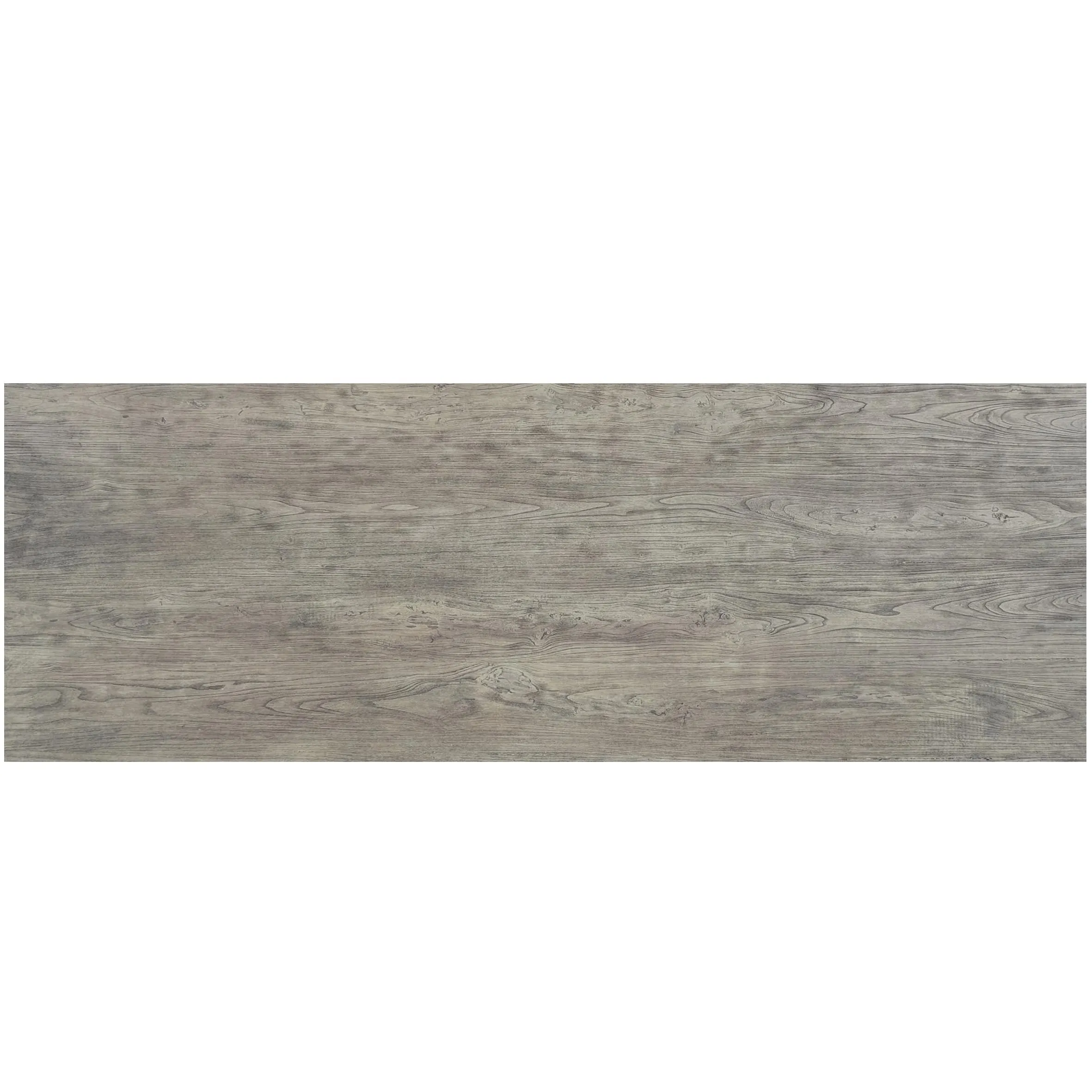
Walk into any home improvement store or flip through a design magazine, and you'll likely be drawn to the warm, inviting texture of wood. For centuries, traditional lumber has been the backbone of construction—used in flooring that creaks softly underfoot, wall panels that add character to a room, and furniture that becomes a family heirloom. But as we stand at a crossroads where climate change and resource conservation demand smarter choices, the question arises: Is our love for natural wood costing us the planet? Enter wood grain board —a material that promises the aesthetic charm of wood without the environmental toll. Let's explore how these two materials stack up, and why the choice between them matters more than ever.
Traditional lumber is as old as human civilization itself. From the timber-framed cottages of medieval Europe to the log cabins of 19th-century America, wood has shaped how we build and live. Its appeal is undeniable: it's renewable (in theory), biodegradable, and carries a natural beauty that synthetic materials struggle to replicate. But dig deeper, and the environmental impact tells a more complicated story.
The first issue is deforestation. While sustainable forestry practices like FSC certification exist, they're not the global norm. The United Nations estimates that 10 million hectares of forest are lost annually—an area roughly the size of Iceland—with a significant portion cleared for timber and agricultural expansion. Old-growth forests, which take centuries to mature and are critical for biodiversity and carbon sequestration, are often the hardest hit. When these forests disappear, so do habitats for endangered species, natural carbon sinks, and the livelihoods of indigenous communities who depend on them.
Then there's the carbon footprint of harvesting and transportation. Felling trees releases stored carbon into the atmosphere, and processing lumber—from sawmilling to treating with chemicals like formaldehyde (used to prevent rot)—adds to emissions. Shipping raw lumber across continents, often from remote forests to urban construction sites, further increases its environmental impact. Even "sustainable" lumber isn't immune: replanted monoculture forests lack the biodiversity of natural ones and take decades to mature, leaving a gap in carbon absorption.
Durability is another concern. Traditional lumber is prone to warping, rotting, and pest infestations, especially in humid or wet climates. This means frequent replacements—ripping out old flooring or siding and installing new boards, which only perpetuates the cycle of resource extraction and waste. In contrast, a material that lasts longer reduces the need for constant production, easing pressure on forests.
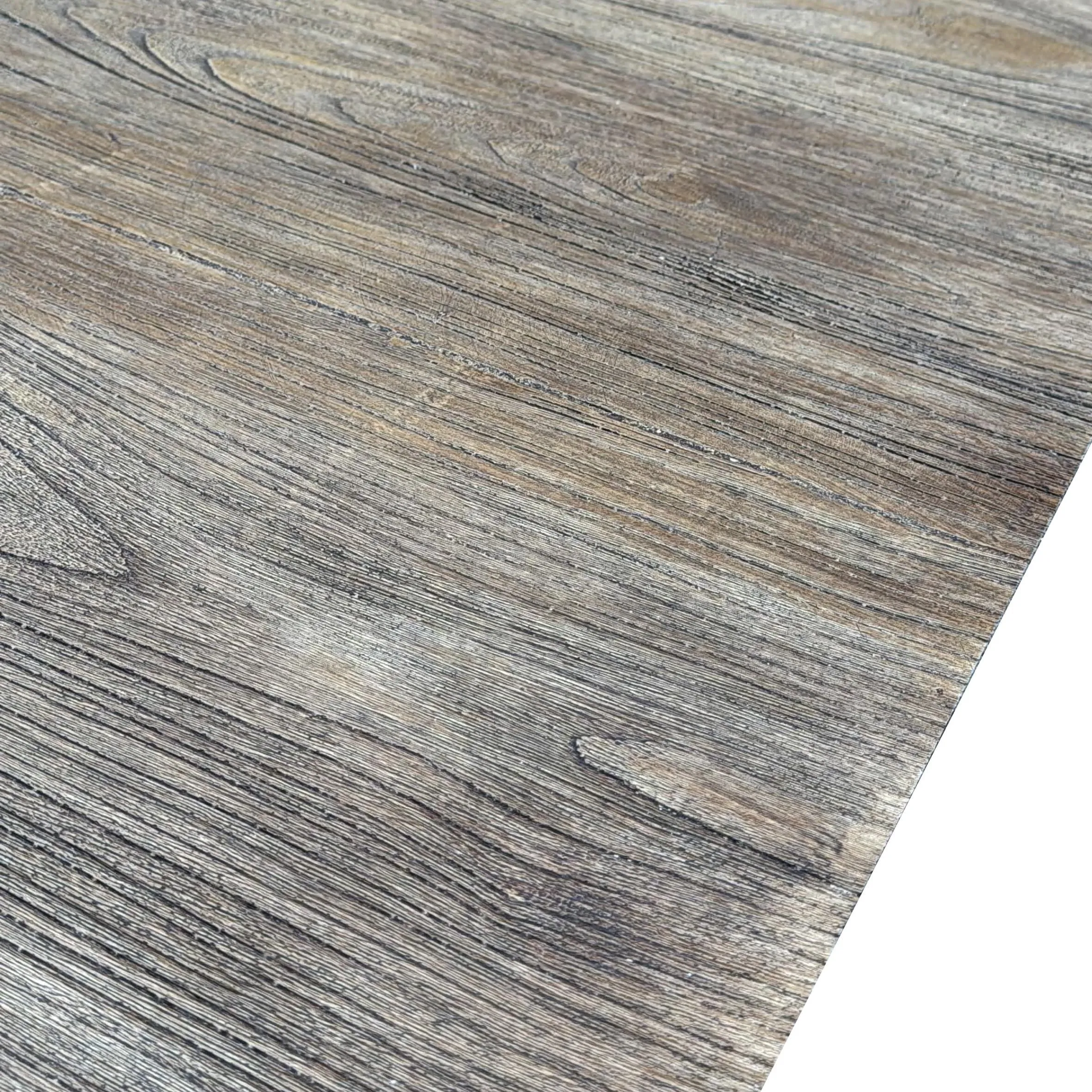
At first glance, wood grain board might seem like a cheap imitation. But this engineered material is far more than a "fake wood"—it's a carefully crafted solution designed to address traditional lumber's flaws while retaining its visual appeal. So, what exactly is it?
Wood grain board is typically made from recycled wood fibers, sawdust, or agricultural byproducts (like rice husks or wheat straw) bonded together with eco-friendly resins. Some manufacturers even use bamboo fibers, a fast-growing resource, to boost sustainability. The process involves compressing these materials under high heat, creating a dense, durable board that mimics the look of real wood—complete with knots, grains, and texture—without cutting down a single mature tree.
The environmental benefits start with raw materials. By using recycled or waste wood, wood grain board diverts tons of material from landfills each year. According to the U.S. Environmental Protection Agency, over 18 million tons of wood waste end up in landfills annually; repurposing even a fraction of that into building materials reduces the need for new timber. Additionally, since it doesn't require virgin wood, it directly lowers deforestation rates—a critical factor in combating climate change, as forests absorb about 30% of global carbon emissions.
Manufacturing wood grain board also tends to be less energy-intensive than processing traditional lumber. Sawmilling, drying, and treating natural wood consume significant energy, often from fossil fuels. Wood grain board production, by contrast, uses heat and pressure rather than heavy machinery, and some factories now power their operations with renewable energy. The result? A lower carbon footprint from cradle to gate.
Durability is where wood grain board truly shines. Unlike traditional lumber, it's resistant to moisture, pests, and warping. Leave a wood grain board outside in the rain, and it won't rot; install it in a bathroom, and it won't swell. This longevity means fewer replacements over time. A wood grain floor, for example, can last 20–30 years with minimal maintenance, compared to 10–15 years for untreated hardwood. Less replacement equals less demand for materials, which is a win for both your wallet and the planet.
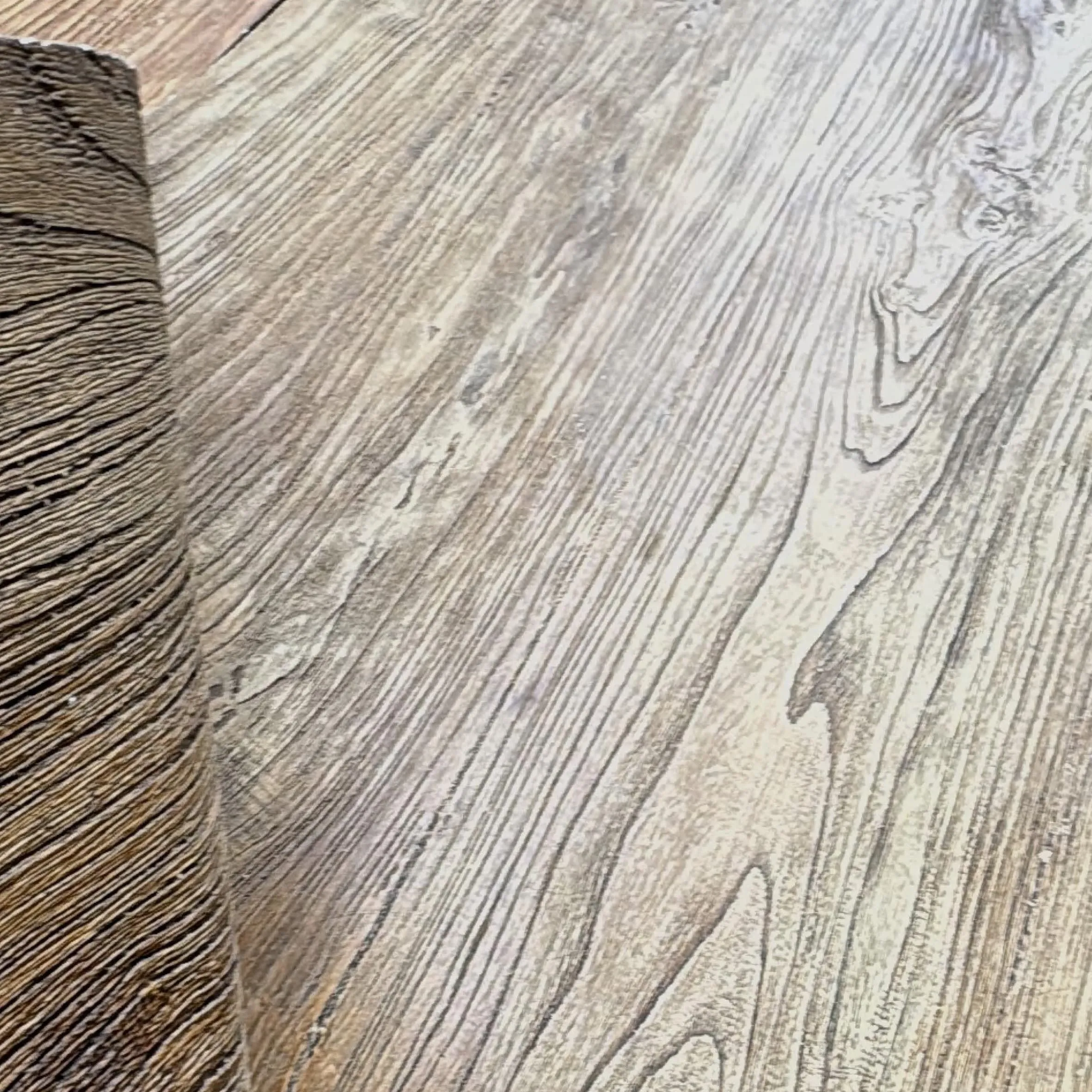
Versatility is another plus. Wood grain board comes in a range of finishes—from light oak to dark walnut—and can be cut, painted, or stained just like real wood. It's used in everything from kitchen cabinets and wall panels to outdoor decking and furniture. Some variants even mimic exotic woods, like teak or mahogany, which are often harvested unsustainably from tropical rainforests. By choosing wood grain board, you can enjoy the look of rare woods without contributing to their endangerment.
| Environmental Factor | Traditional Lumber | Wood Grain Board |
|---|---|---|
| Raw Material Source | Virgin wood from forests; often requires clear-cutting. | Recycled wood fibers, sawdust, or agricultural waste; no virgin wood needed. |
| Deforestation Impact | High: Contributes to loss of old-growth forests and biodiversity. | Low: Uses waste materials, reducing demand for new timber. |
| Carbon Footprint (Manufacturing) | High: Energy-intensive sawmilling, drying, and chemical treatment. | Lower: Uses recycled materials and less fossil fuel-dependent processes. |
| Durability & Lifespan | Moderate: Prone to rot, pests, and warping; needs replacement every 10–15 years (in harsh climates). | High: Resistant to moisture and pests; lasts 20–30+ years with minimal maintenance. |
| Chemical Usage | Often treated with formaldehyde or pesticides, which can leach into soil/water. | Many brands use low-VOC or formaldehyde-free resins; safer for indoor air quality. |
| Recyclability | Biodegradable but often ends up in landfills due to contamination (e.g., nails, paint). | Can be recycled into new boards at the end of its life, closing the loop. |
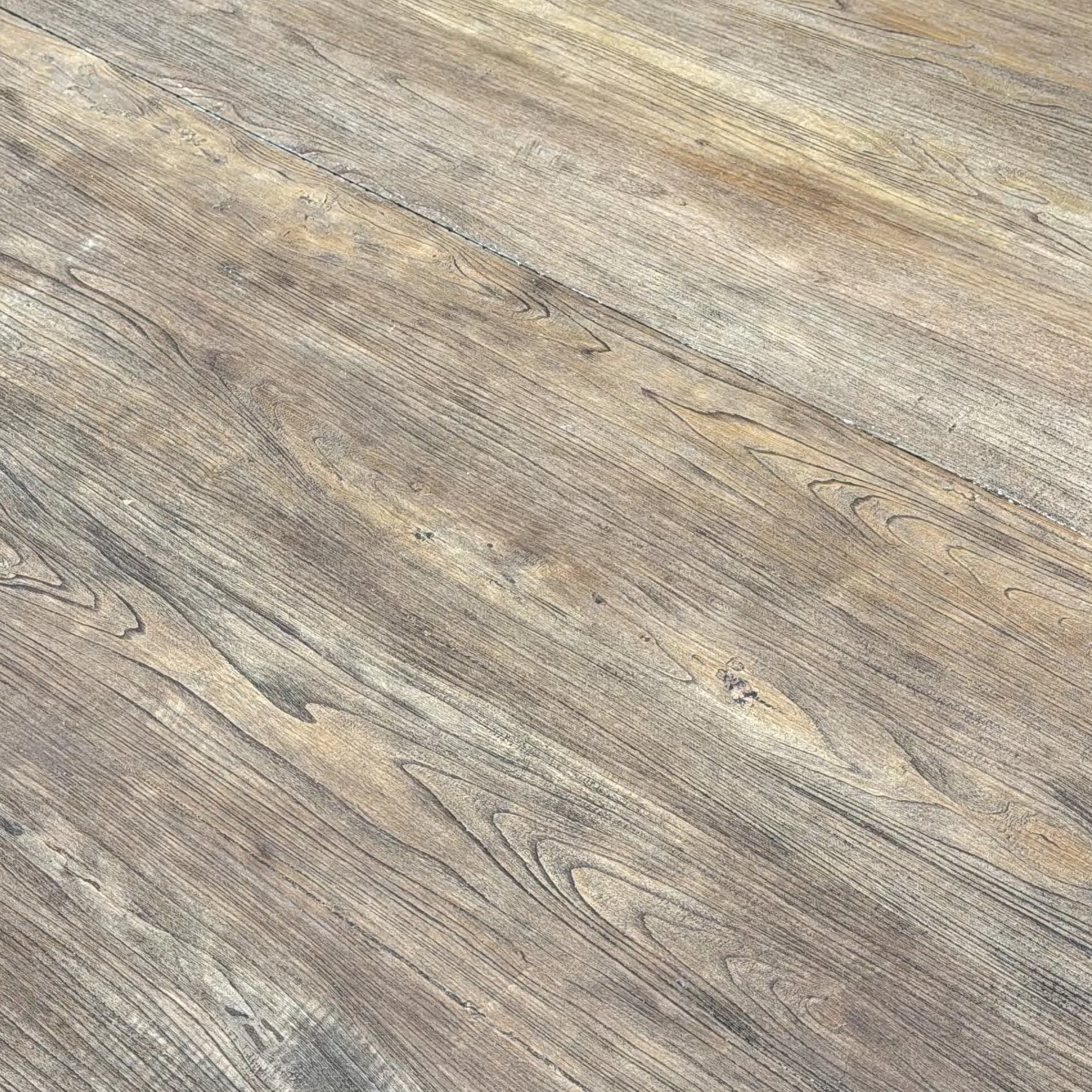
Wood grain board is just one player in the growing movement toward sustainable building materials. As architects and homeowners seek greener options, other innovative products are gaining traction—each with its own environmental perks. Let's take a quick look at a few standouts from the list of materials you provided, to see how they fit into the bigger picture.
Rammed Earth Board : If you're drawn to earthy, rustic aesthetics, rammed earth board (available in shades like matcha green or gradient colors) is a standout. Made by compressing local soil, sand, and clay, it requires minimal processing and uses regionally sourced materials, cutting down on transportation emissions. It's also breathable, regulating indoor humidity naturally, and its thermal mass helps keep buildings cool in summer and warm in winter—reducing energy use for heating and cooling.
Flexible Stone : For a durable, lightweight alternative to natural stone, flexible stone is hard to beat. Composed of crushed stone particles and eco-friendly polymers, it mimics the look of marble or slate but weighs up to 70% less. This reduces the need for heavy machinery during installation and lowers transportation costs. Since it uses stone waste from quarries, it also cuts down on the environmental impact of traditional stone mining, which can scar landscapes and pollute waterways.
Foamed Aluminium Alloy Board : For a modern, industrial vibe, foamed aluminium alloy board (in vintage silver or gold) offers sustainability with a sleek finish. Aluminium is 100% recyclable, and the foaming process creates a lightweight, energy-efficient material—its hollow structure acts as insulation, reducing heating and cooling needs. Plus, it's resistant to corrosion, making it ideal for exterior cladding in coastal areas, where saltwater would quickly degrade wood or steel.
Fair-Faced Concrete : A minimalist favorite, fair-faced concrete has come a long way in sustainability. While traditional concrete is carbon-intensive, newer formulations use recycled aggregates (like crushed glass or demolished concrete) and supplementary cementitious materials (like fly ash) to cut emissions. When paired with wood grain board accents, it creates a balanced, eco-conscious design that's both modern and warm.
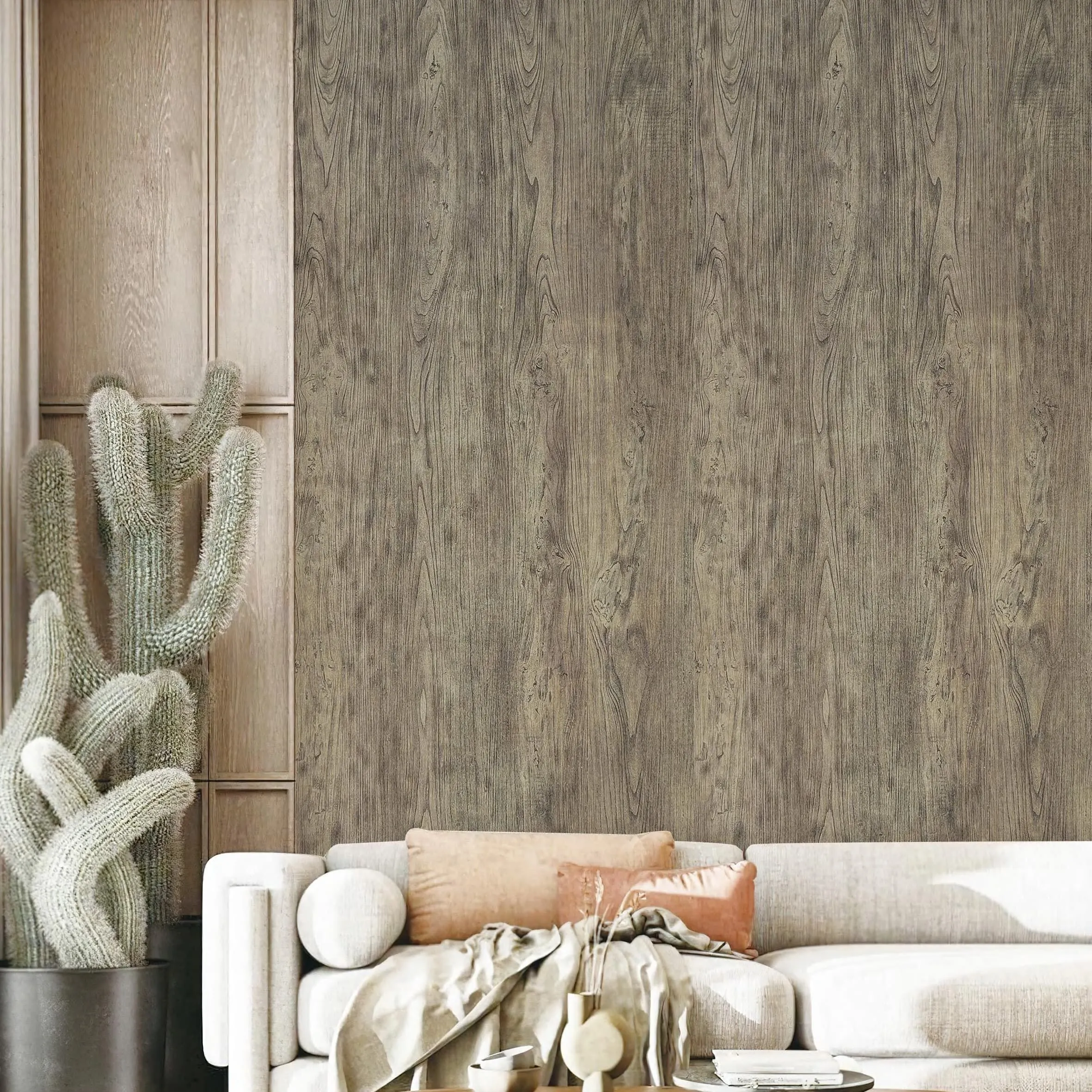
Of course, wood grain board isn't perfect. One common critique is its upfront cost: it can be pricier than low-grade traditional lumber, though its longevity often makes it cheaper in the long run (think: fewer replacements, lower maintenance). Education is key here—homeowners and builders need to see it as an investment, not just an expense.
Another challenge is perception. Some still view engineered materials as "inferior" to natural wood, associating them with cheap particleboard from decades past. But modern wood grain board is a far cry from those early versions, with advancements in technology creating boards that are indistinguishable from real wood to the untrained eye. Brands are also getting creative with textures and finishes—offering options that replicate reclaimed barn wood, oak, or even teak—appealing to design-conscious consumers.
Looking ahead, the future of wood grain board is bright. As demand for sustainable materials grows, manufacturers are investing in even greener production methods: using plant-based resins, integrating carbon capture technology into factories, and exploring new feedstocks like seaweed or hemp fibers. Some are even partnering with forestry organizations to ensure their recycled wood comes from responsibly managed sources, adding another layer of transparency.
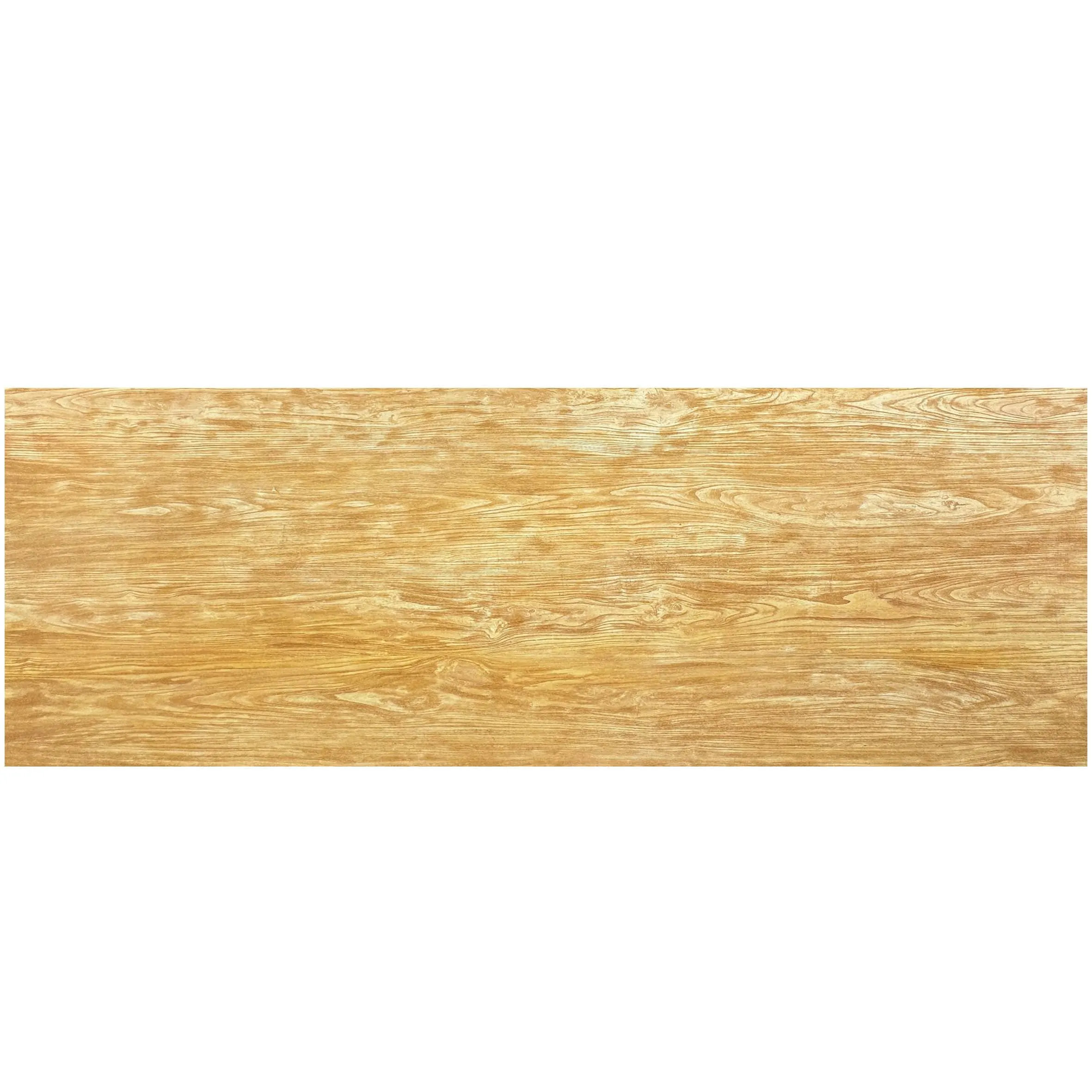
At the end of the day, the materials we choose to build our homes, offices, and public spaces shape more than just aesthetics—they shape the planet. Traditional lumber, while beautiful, carries a hidden cost that future generations will inherit: depleted forests, disrupted ecosystems, and a warmer climate. Wood grain board, by contrast, offers a way to honor our love for wood without sacrificing the health of our environment.
It's not just about "going green" for the sake of a trend. It's about making choices that align with the reality of our finite resources. When you install wood grain board flooring, you're not just picking a material—you're voting for a world where forests remain standing, where waste is repurposed, and where durability means less waste. And when more people make that choice, it sends a message to manufacturers and policymakers: sustainability matters, and we're willing to support it.
So, the next time you're planning a renovation or building project, take a moment to look beyond the surface of that beautiful hardwood sample. Ask: Where did this wood come from? What impact did it have on the planet? And is there a better alternative that can give me the same look, but with a clearer conscience? Chances are, wood grain board will be the answer—and the planet (and your future self) will thank you for it.
Recommend Products












