
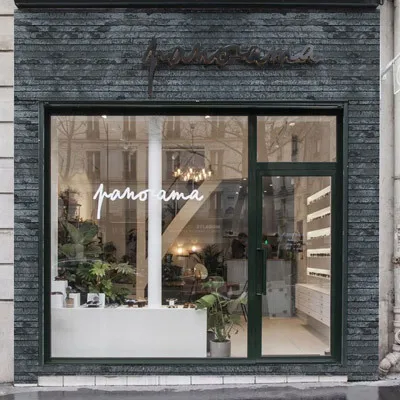
Walk through the cobblestone streets of a hilltop village in Tuscany, and you'll likely find your gaze lingering on the walls that define the landscape. Not the flashy marble of grand palazzos, nor the sleek concrete of modern builds—these are the humble, weathered walls of farmhouses and chapels, constructed from muretto stone. For centuries, this material has been the backbone of rural European architecture, prized for its durability and earthy charm. Among its variants, dark grey muretto stone stands out as the quiet storyteller, carrying the weight of tradition while seamlessly stepping into the spotlight of contemporary design. Let's explore how this unassuming stone went from rural barns to urban skylines, and why it continues to captivate architects and homeowners alike.
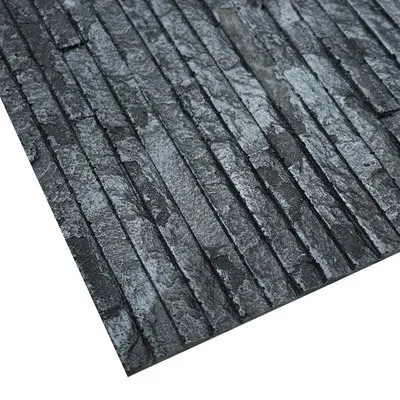
Muretto stone, derived from the Italian word muro (wall), has been a staple in Mediterranean construction for over a millennium. Quarried from sedimentary rock formations rich in limestone and clay, it was historically shaped by hand—local masons would chip away at blocks with chisels and hammers, leaving behind rough, irregular edges that gave each wall a unique, organic texture. In regions like Lombardy and Piedmont, where dark grey muretto is most abundant, the stone's color comes from high concentrations of iron oxides and organic matter in the soil, resulting in hues that range from deep charcoal to moody slate, often with subtle blue or green undertones when wet.
Traditionally, dark grey muretto was reserved for utilitarian structures: barns, boundary walls, and the lower levels of homes, where its sturdiness could withstand the elements. Farmers and villagers valued it not for beauty, but for practicality—it was abundant, easy to quarry with basic tools, and required minimal processing. Mortar was mixed from lime, sand, and water, a recipe so effective that many of these walls still stand today, their surfaces etched with the marks of time: cracks from frost, stains from rain, and the faint indentations of generations of hands that laid them.
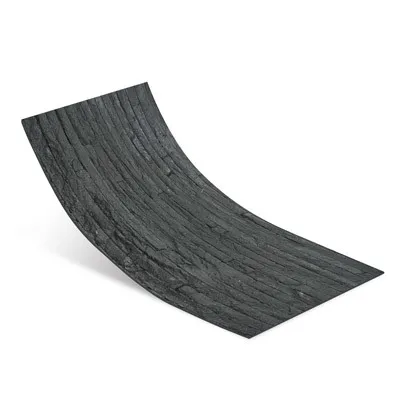
Fast forward to the 21st century, and dark grey muretto stone has undergone a quiet revolution. As architects and designers began rejecting the cold sterility of all-glass skyscrapers and generic drywall, they turned to natural materials for warmth and authenticity. Muretto—long dismissed as "country stone"—suddenly found itself in high demand, gracing the lobbies of boutique hotels, the facades of luxury apartments, and the accent walls of minimalist homes.
What sparked this shift? Partly, it's a longing for connection—to history, to nature, to something tangible in an increasingly digital world. "People are tired of spaces that feel like they could be anywhere," says Sofia Lorenzi, an architect based in Milan who specializes in sustainable design. "Dark grey muretto doesn't just look real—it feels real. When you run your hand over it, you can feel the tool marks, the pores, the way it's been shaped by human hands and natural forces. That texture tells a story, and stories make spaces memorable."
Modern technology has also played a role. While traditional muretto was quarried and laid on-site, today's dark grey muretto is often pre-cut into panels for efficiency, allowing it to be integrated into large-scale projects without sacrificing its artisanal appeal. Quarries now use diamond-tipped saws to achieve cleaner edges, but many craftsmen still hand-finish each piece, preserving the stone's character. "We call it 'controlled imperfection,'" Lorenzi laughs. "You want the stone to look like it was meant to be there, not like it was stamped out of a factory."
Dark grey muretto isn't the only star in the muretto family. Its lighter siblings— muretto stone (light grey) and muretto stone (beige) —have their own loyal followings. But dark grey stands apart for its versatility. It's bold enough to anchor a design, yet neutral enough to complement other materials, from warm woods to sleek metals to vibrant textiles. Let's break down how the three variants stack up:
| Muretto Variant | Color & Character | Best For |
|---|---|---|
| Dark Grey | Deep charcoal with blue-green undertones; rough, porous surface with visible tool marks. | Exterior facades, fireplace surrounds, accent walls in modern or industrial spaces. |
| Light Grey | Soft silver-grey with beige flecks; smoother texture, finer grain. | Kitchen backsplashes, bathroom walls, light-filled rooms where brightness is key. |
| Beige | Warm sandstone hue with gold/terracotta hints; varied texture, from coarse to moderately smooth. | Rustic interiors, Mediterranean-style homes, outdoor patios. |
Dark grey muretto's versatility shines in its ability to adapt to diverse design styles. Pair it with polished concrete floors and black steel fixtures, and it leans industrial. Combine it with reclaimed wood and soft linen textiles, and it feels cozy and cabin-like. In a recent project, Lorenzi used dark grey muretto for the exterior of a boutique hotel in Lisbon, pairing it with large floor-to-ceiling windows and foamed aluminium alloy board (vintage silver) accents. "The contrast was magic," she recalls. "The stone grounded the building, while the metal added a modern edge. It felt both timeless and fresh."
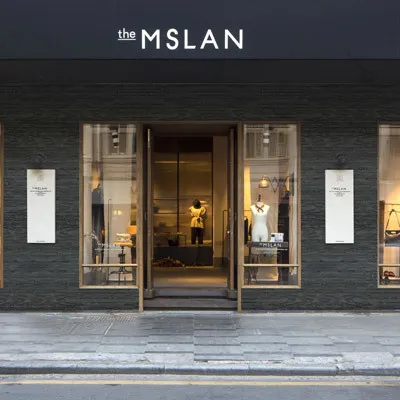
In an era of eco-conscious design, dark grey muretto stone has another ace up its sleeve: sustainability. Unlike synthetic cladding materials, which often contain harmful chemicals and end up in landfills after a few decades, muretto is all-natural. It's quarried from the earth, shaped with minimal processing, and requires no toxic sealants (though occasional sealing with natural lime-based products can extend its life). Best of all, it's durable—really durable. "A well-laid muretto wall can last 100 years or more," Lorenzi notes. "That's a fraction of the environmental impact of materials that need to be replaced every 20 or 30 years."
Compare that to fair-faced concrete , a popular modern material known for its raw, industrial look. While concrete is strong, its production releases significant carbon emissions, and it lacks muretto's natural texture and aging grace. "Concrete looks good when it's new, but over time, it cracks and stains," Lorenzi explains. "Muretto improves with age. Those cracks and stains? They become part of its beauty. It's like a well-worn leather jacket—scratches and all, it tells a better story."
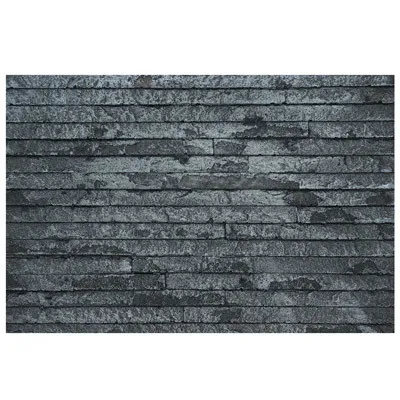
To see dark grey muretto's modern appeal in action, look no further than the Casetta delle Stelle (Cottage of the Stars), a luxury guesthouse in the Italian Alps. Perched on a mountainside overlooking Lake Como, the guesthouse blends traditional Alpine architecture with contemporary minimalism—and dark grey muretto stone is the star of the show.
The exterior is clad in hand-chiseled dark grey muretto, its rough surface catching the light at different angles—deep and moody on overcast days, warm and glowing when the sun hits it. Inside, the stone continues into the lobby, where a massive fireplace made from the same material anchors the space. "We wanted guests to feel like they'd stepped into a mountain cabin, but with all the comforts of a boutique hotel," says owner Marco Bianchi. "Dark grey muretto was the obvious choice. It's local, it's durable against the harsh winters, and it makes the space feel cozy without being cluttered."
Guests often comment on how the stone changes with the seasons. "In winter, when the snow piles up against the walls, the dark grey muretto looks like it's been painted with white brushstrokes," Bianchi laughs. "In summer, the ivy creeps up the stone, and it feels like the building is growing out of the mountain. It's alive."
So, what's next for dark grey muretto stone? If current trends are any indication, its popularity will only grow. As more homeowners and businesses prioritize sustainability and authenticity, natural materials like muretto will remain in demand. We're also seeing exciting innovations: quarries are experimenting with thinner, lighter panels to reduce transportation emissions, and designers are pairing muretto with cutting-edge materials like lunar peak silvery (a sleek, metallic stone) and travertine (starry green) (a vibrant, textured travertine) for bold, unexpected contrasts.
But at its core, dark grey muretto's appeal will always lie in its simplicity. It's not a flashy material, nor does it try to be. It's a stone that works hard, tells a story, and ages with grace—qualities that never go out of style. As Lorenzi puts it: "In a world that's always chasing the next big thing, dark grey muretto is a reminder that some of the best things have been around for centuries. And that's something worth building on."
So the next time you pass a building with dark, textured walls, take a closer look. It might just be dark grey muretto—quietly holding history, grounding the present, and hinting at a future where nature and design walk hand in hand.
Recommend Products












