
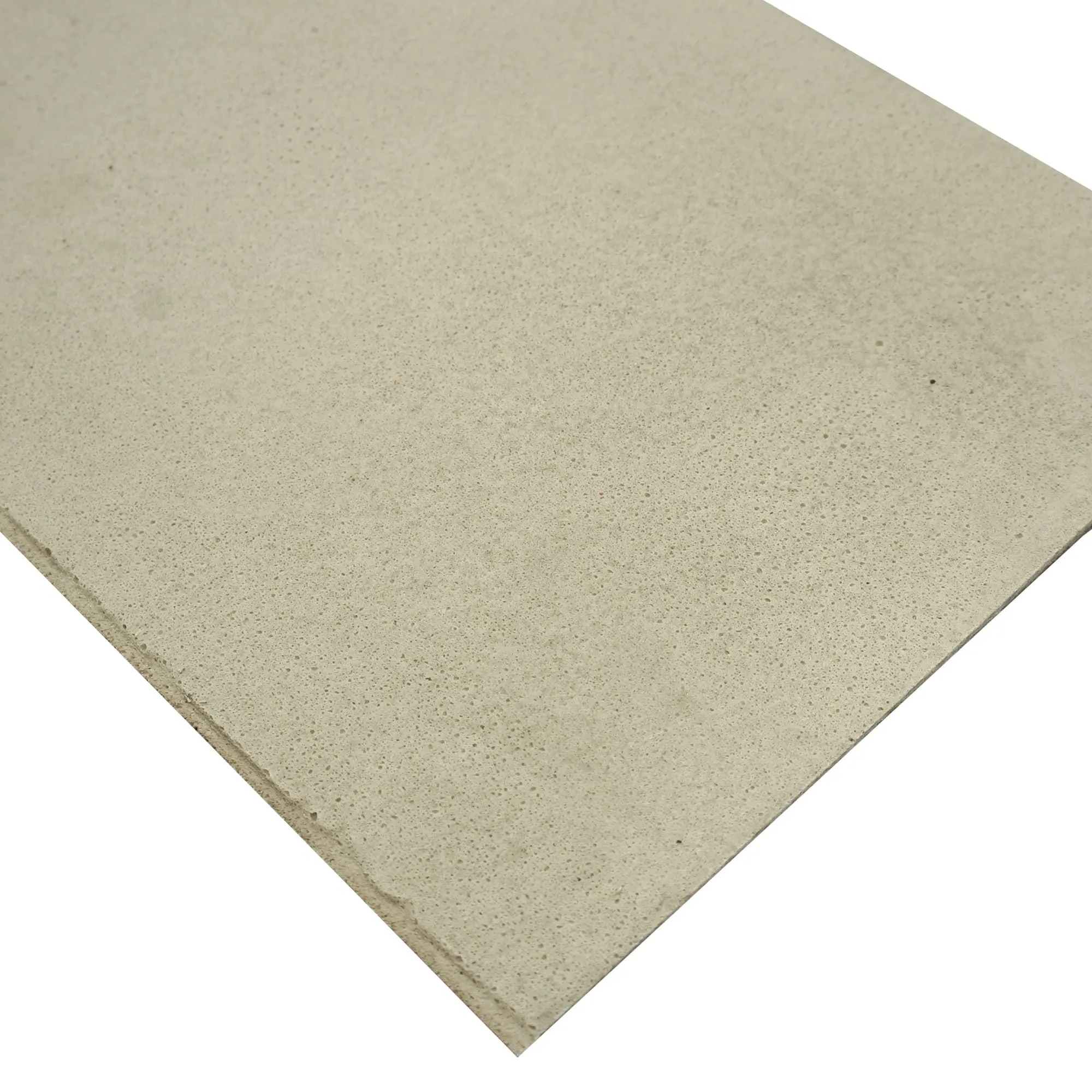
In the world of modern architecture, the pursuit of raw, authentic aesthetics has led to the widespread adoption of exposed concrete surfaces. This design philosophy, rooted in the modernist movement of the 20th century, continues to shape contemporary buildings around the globe, offering a unique blend of industrial elegance and minimalist beauty.
Fair-faced concrete, also known as architectural concrete or exposed concrete, represents one of the most sophisticated expressions of modern building materials. Unlike conventional concrete that requires additional finishing, fair-faced concrete is designed to be left exposed, with the natural surface texture becoming an integral part of the architectural aesthetic. This approach eliminates the need for painting, tiling, or cladding, resulting in structures that honestly reveal their construction methodology.
The origins of this architectural technique trace back to the early 20th century when pioneering architects began experimenting with the visual potential of structural concrete. By the 1950s and 1960s, fair-faced concrete had become a defining feature of modernist architecture, celebrated for its honest expression of materiality and structural integrity.
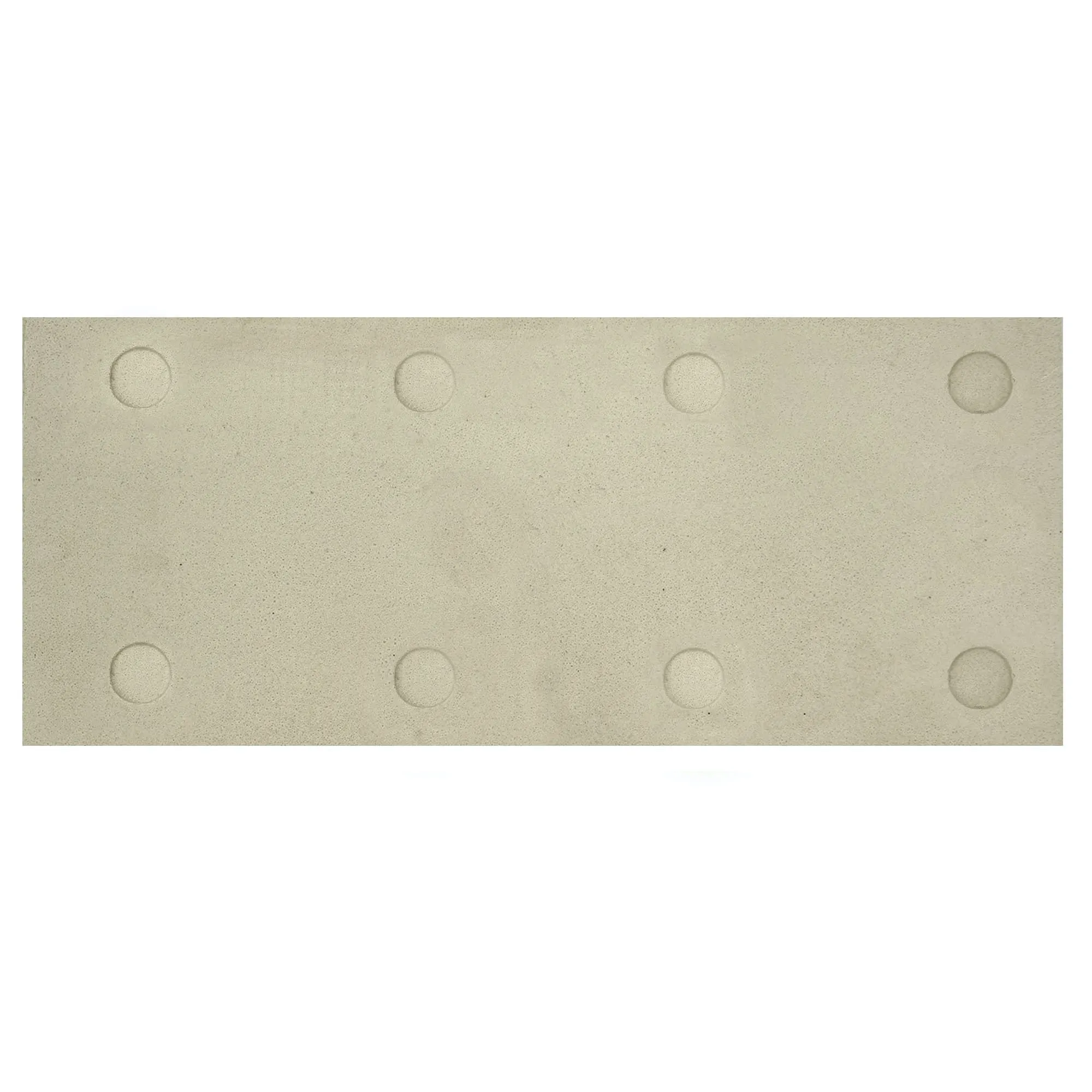
The enduring popularity of fair-faced concrete stems from its unique combination of aesthetic and practical advantages. Architects and designers value this material for several compelling reasons:
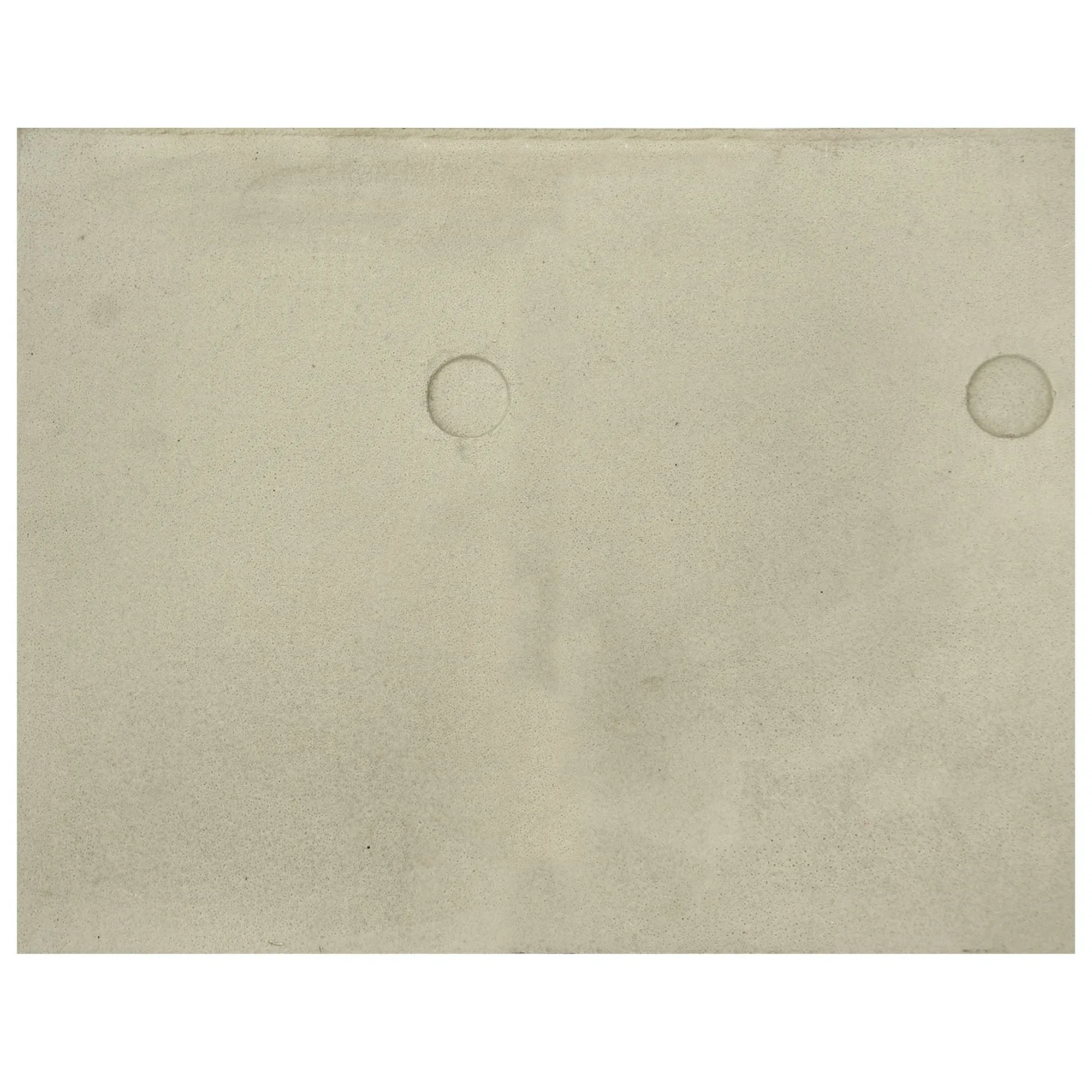
While traditional fair-faced concrete remains a powerful design choice, contemporary architecture has embraced innovative alternatives that combine the aesthetic appeal of exposed concrete with enhanced practical benefits. Among these innovations, MCM flexible stone represents a significant advancement in building material technology.
Modified Clay Materials (MCM) technology creates flexible stone panels that capture the visual essence of natural materials like travertine, marble, and concrete while offering superior installation flexibility and reduced weight. These innovative materials address many of the practical challenges associated with traditional concrete finishes while maintaining the sophisticated aesthetic that designers seek.
Why Flexible Stone Panels Are Gaining Popularity
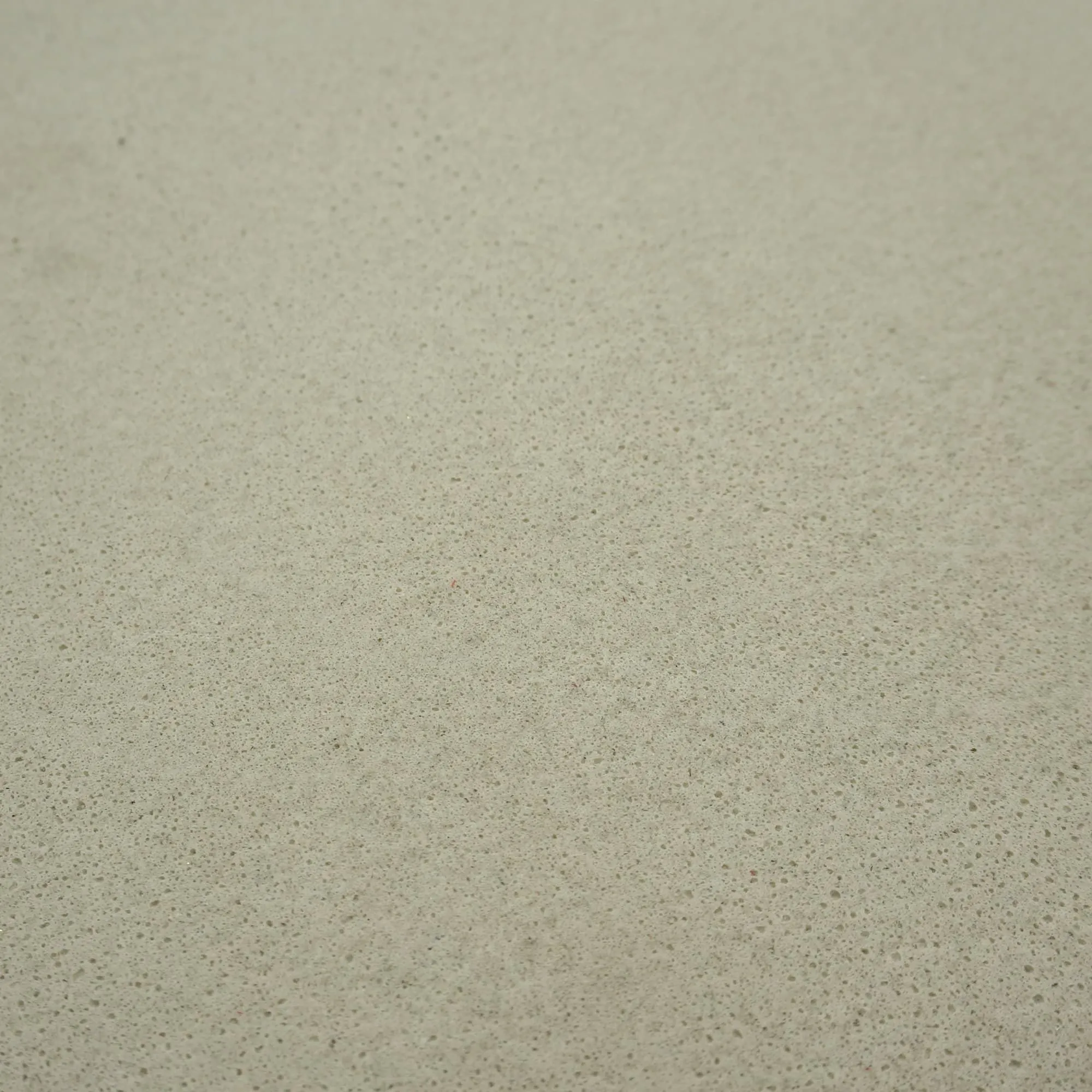
Flexible stone panels offer architects and builders a versatile alternative that combines the raw beauty of natural materials with modern manufacturing precision. Unlike traditional fair-faced concrete that requires extensive site preparation and skilled craftsmanship, these prefabricated panels can be installed quickly and consistently, reducing project timelines and ensuring predictable quality outcomes.
| Feature | Traditional Fair-Faced Concrete | MCM Flexible Stone |
|---|---|---|
| Installation | Requires on-site casting, skilled labor | Prefabricated panels, rapid installation |
| Weight | Heavy, structural considerations | Lightweight, reduced structural load |
| Design Flexibility | Limited to formwork capabilities | Wide range of textures and colors |
| Quality Consistency | Variable based on site conditions | Factory-controlled, consistent results |
| Repair and Modification | Challenging, often visible patches | Individual panels can be replaced |
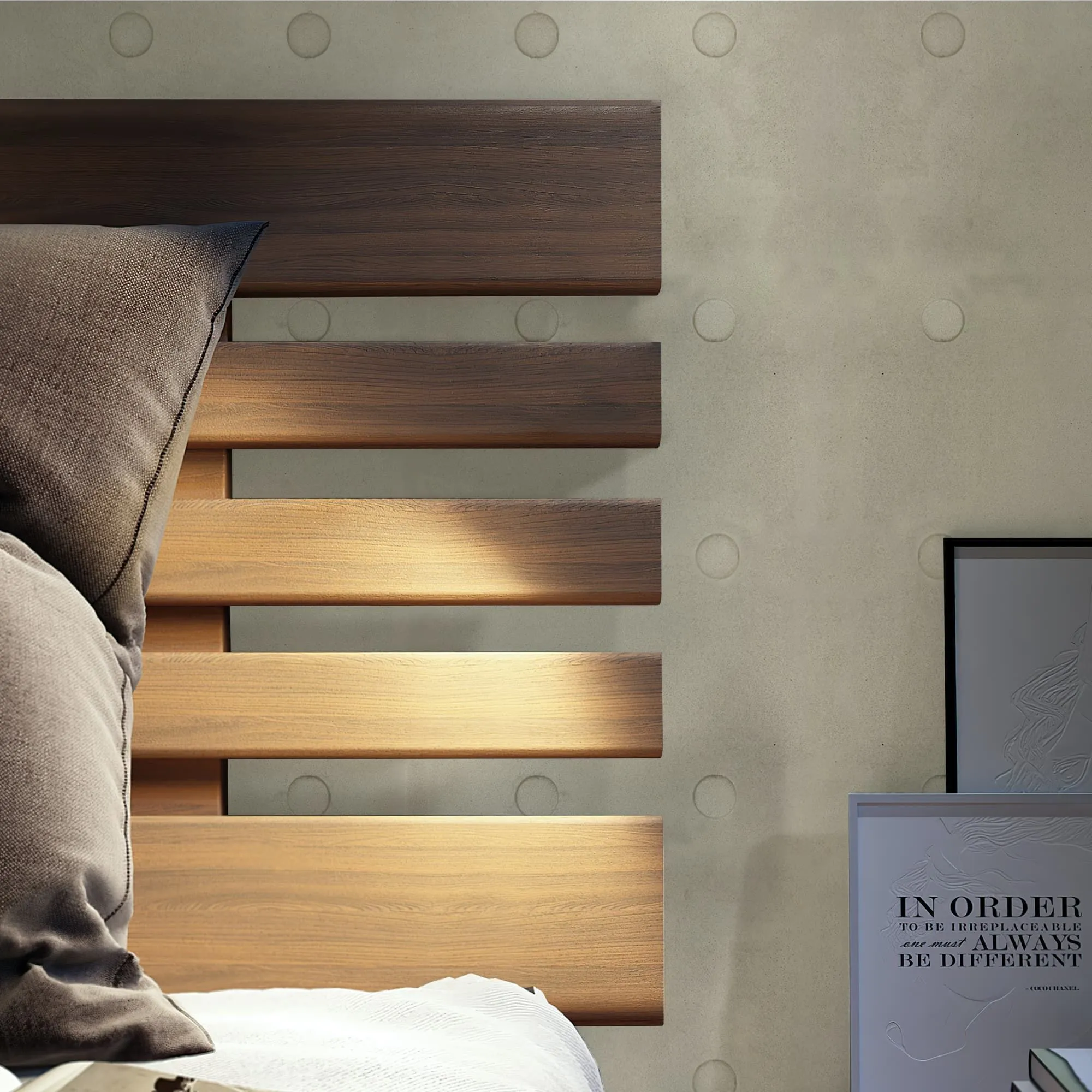
Both traditional fair-faced concrete and modern flexible stone solutions find applications across a diverse range of architectural projects. Commercial buildings increasingly feature exposed concrete elements in lobbies, stairwells, and feature walls, creating dramatic visual statements that convey solidity and permanence. In residential architecture, these materials create sophisticated interiors that blend industrial aesthetics with comfortable living spaces.
Hospitality venues, cultural institutions, and retail environments have also embraced these materials for their ability to create memorable spatial experiences. The texture variations possible with both approaches allow designers to create unique environments that respond to specific functional and aesthetic requirements.
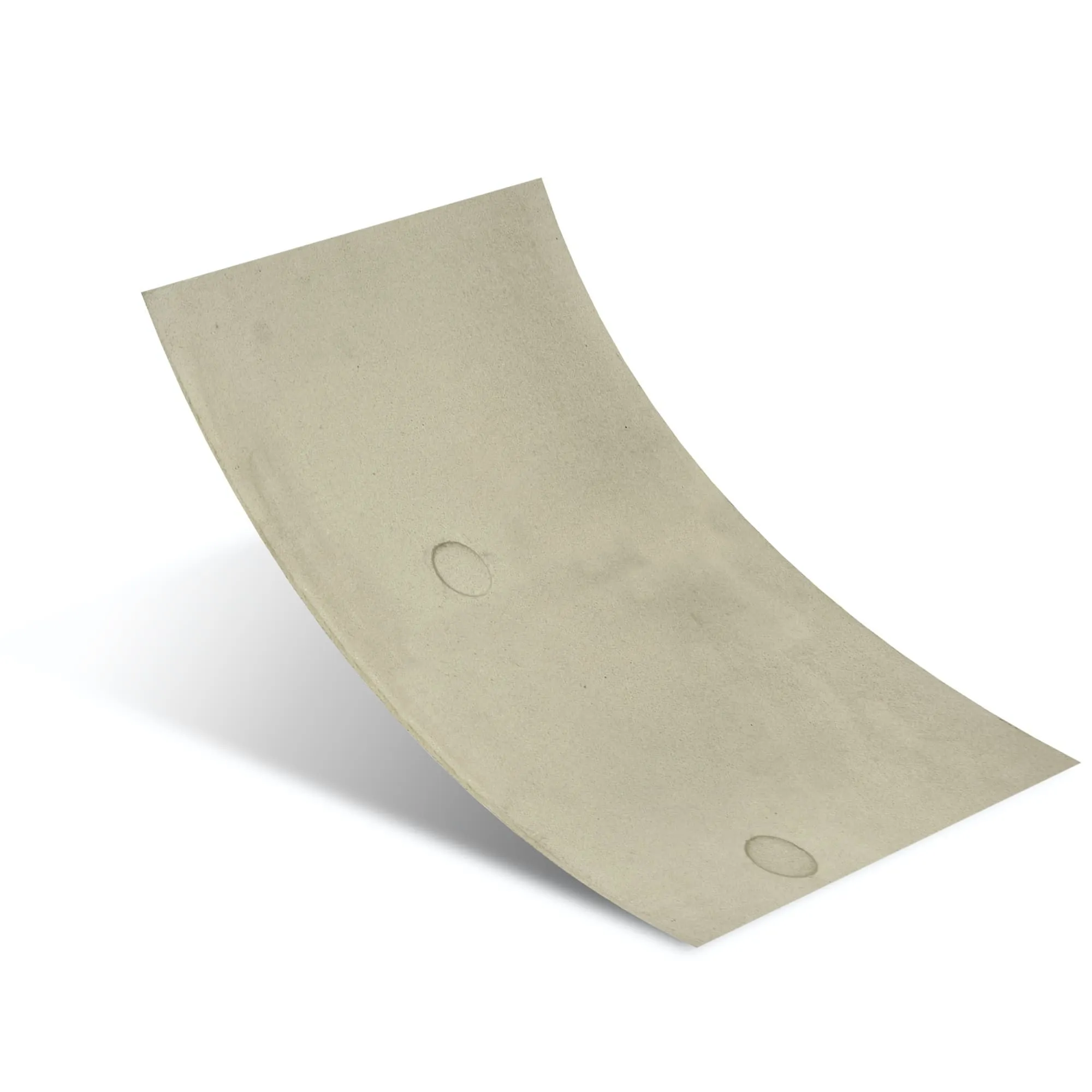
Achieving optimal results with fair-faced concrete or flexible stone panels requires careful attention to several technical factors. For traditional concrete applications, the selection of appropriate formwork, precise mix design, and controlled curing conditions all contribute to the final appearance. The quality of raw materials, including aggregates, cement, and admixtures, directly influences surface uniformity and color consistency.
When selecting flexible stone alternatives, considerations include substrate preparation, adhesive selection, and joint detailing. These systems typically offer greater tolerance for substrate variations while still requiring proper surface preparation to ensure long-term performance.
Modern building practices increasingly emphasize sustainability, and both fair-faced concrete and flexible stone solutions contribute to environmentally responsible construction. The elimination of additional finishes reduces material consumption and associated environmental impacts. Furthermore, the durability of these surfaces means reduced maintenance requirements and longer service life, contributing to the overall sustainability of buildings.
Advanced MCM technology incorporates recycled content and offers improved thermal performance compared to traditional materials, further enhancing the environmental credentials of flexible stone solutions.
The evolution of architectural surface materials continues at a rapid pace, with emerging technologies offering even more options for designers. Digital fabrication techniques enable increasingly complex surface patterns, while new material formulations expand the range of available textures and colors. The integration of smart technologies, including sensors and adaptive surfaces, points toward a future where building facades actively respond to environmental conditions.
As architects and designers continue to explore the boundaries between structural necessity and aesthetic expression, both traditional fair-faced concrete and innovative flexible stone solutions will remain essential tools in creating meaningful architectural experiences.
Partner with Industry Leaders in Building Materials
COLORIA GROUP offers comprehensive solutions for architects, builders, and developers seeking high-quality building materials. With over a decade of experience in MCM flexible building materials, we provide one-stop solutions for residential and commercial projects worldwide. Our product range includes fair-faced concrete panels, MCM flexible stone, project board series, and custom architectural solutions. Contact our team to discuss your project requirements and discover how our innovative materials can transform your architectural vision into reality.
Recommend Products












