


Think about the last time you walked into a hotel, an office building, or even your own home. Chances are, you didn't stop to wonder if the walls around you could withstand a fire. But for architects, builders, and homeowners alike, that question is ever-present. A material's fire performance isn't just about checking a box on a regulatory form—it's about protecting lives, preserving assets, and ensuring that in the worst-case scenario, a building doesn't become a liability.
Fire-rated materials do more than resist flames; they slow the spread of fire, limit smoke production (a leading cause of fire-related deaths), and maintain structural integrity long enough for occupants to evacuate. In high-rise buildings, where escape routes are limited, and in historical structures, where preservation is paramount, the stakes are even higher. This is where materials like Starmoon Stone step in—not just as a pretty face, but as a silent guardian.
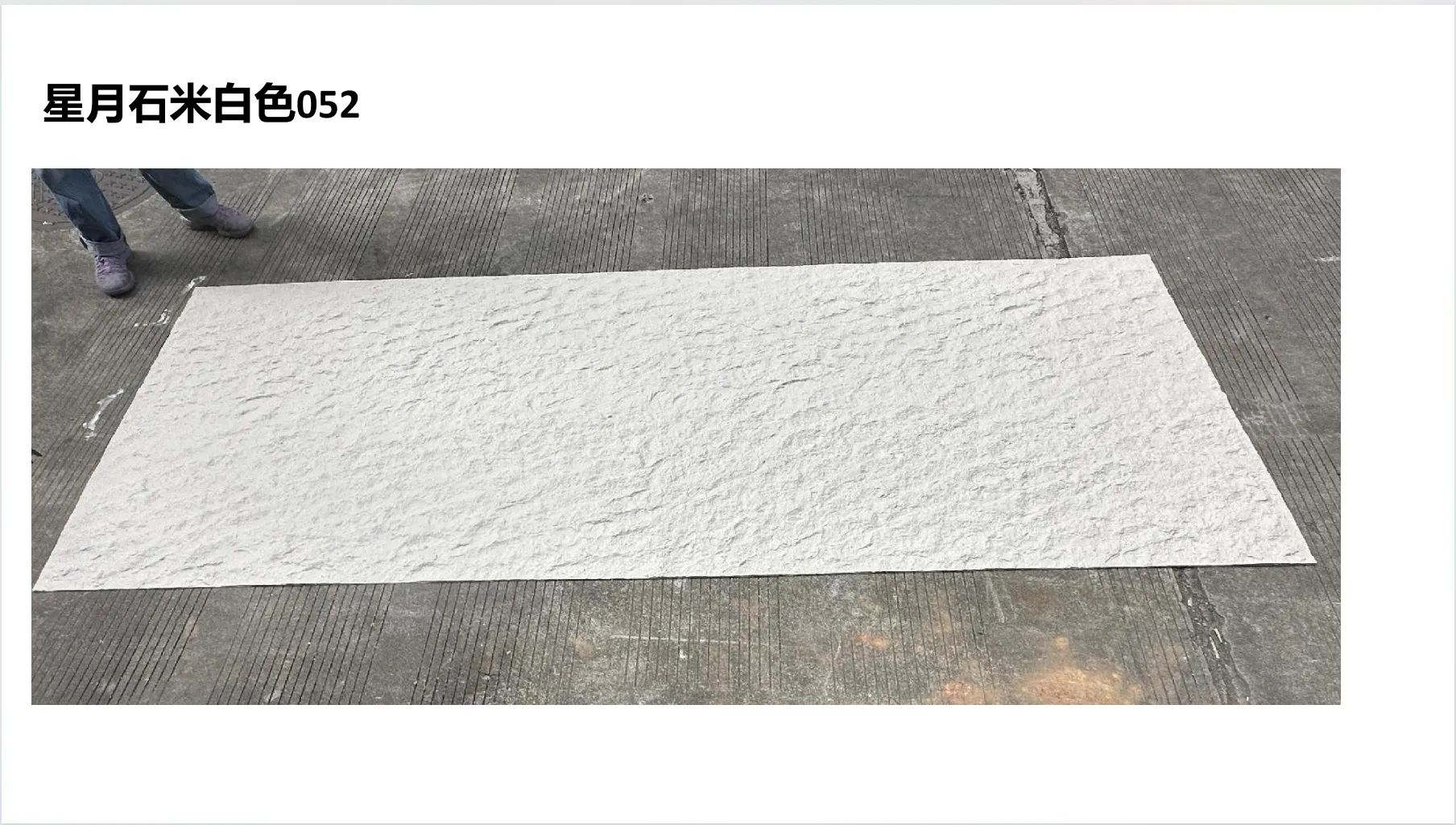
Traditional materials have long struggled to balance fire safety with other needs. Fair-faced concrete , for example, is prized for its raw, industrial charm and durability, but its fire resistance can vary based on thickness and additives. Natural stone, while stunning, often lacks the engineered properties to meet modern fire standards without compromising on weight or installation ease. Enter MCM flexible stone technology—a game-changer that marries the best of nature and engineering. And at the forefront of this innovation is Starmoon Stone.










