
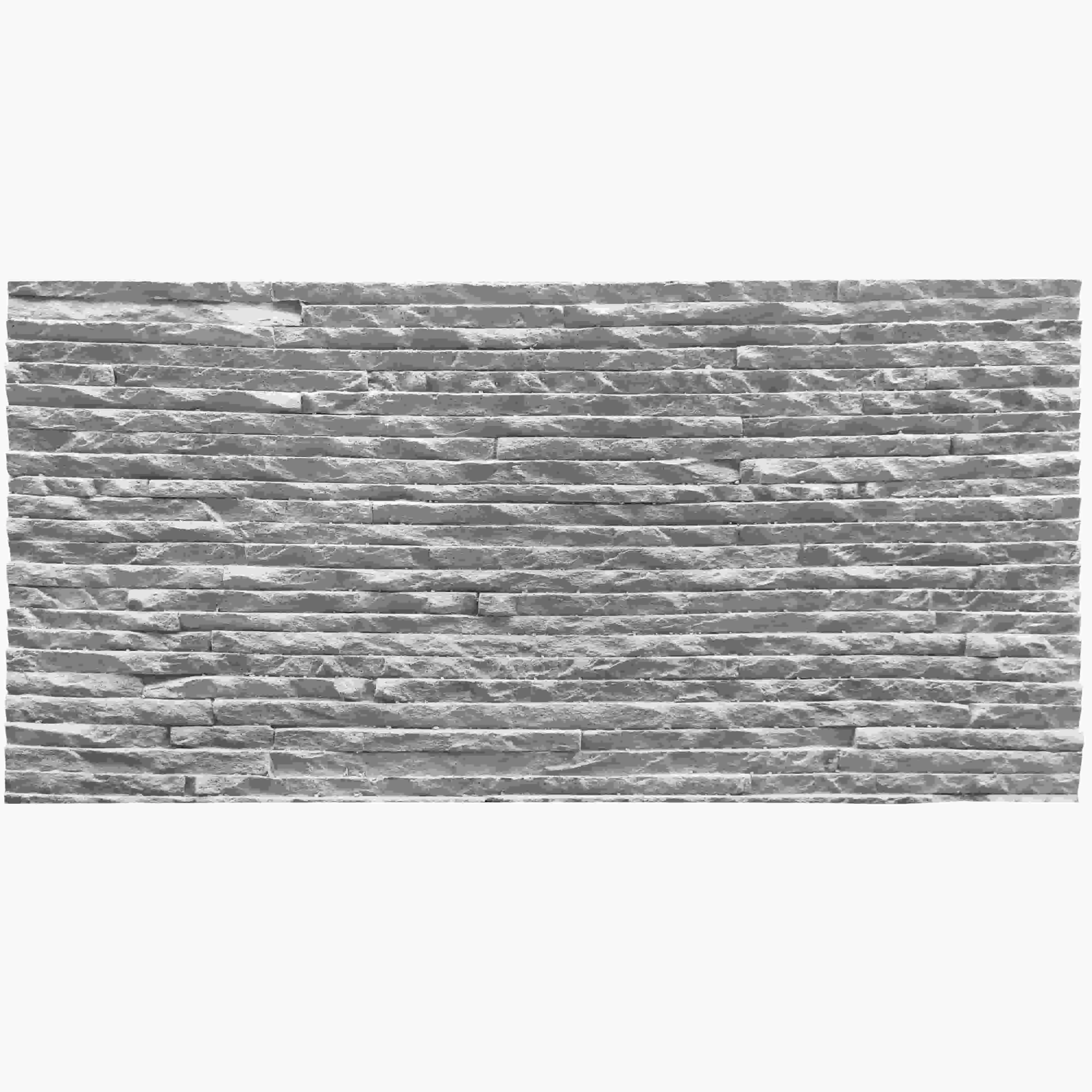
How a humble building material is redefining strength, beauty, and possibility in architecture
Walk down any street, and your eyes might linger on a stunning facade, a cozy café interior, or a sleek office lobby. What you're probably not noticing—yet—is the quiet hero behind those spaces: the building materials. They're the unsung poets of design, shaping how we feel in a room, how a structure stands against time, and even how sustainable our cities can be. For decades, the rulebook for these materials was simple: strong meant rigid, beautiful meant heavy, and durable meant unyielding. But every so often, a material comes along that flips those rules on their head. Enter Muretto Stone (Light Grey) —a material that doesn't just exist in the world of architecture; it dances in it, bending where others crack, adapting where others fail, and proving that flexibility isn't a weakness. It's a superpower.
Let's start with the basics. If you're picturing a chunk of grey stone pulled from a quarry, stop right there. Muretto Stone (Light Grey) is part of a new generation of building materials born from MCM flexible stone technology—a blend of natural stone essence and cutting-edge engineering. Think of it as stone with a personality: it has the earthy, organic look we love in traditional materials, but with a twist of modern ingenuity. The "light grey" hue? It's not just a color; it's a mood. Soft enough to warm up a minimalist home, crisp enough to elevate a commercial space, and versatile enough to play well with bold accents or muted palettes. But what really makes it special? That word again: flexibility.
Traditional stone—marble, granite, even concrete—tends to be a bit… stubborn. It's strong, sure, but drop a heavy object on it, or build a curved wall with it, and you're asking for cracks. Muretto Stone (Light Grey) ? It's different. Imagine a material that can wrap around a curved archway like fabric, absorb the impact of a storm without chipping, or be installed on a high-rise without requiring cranes to hoist massive slabs. That's the magic here. It's stone, but not as we know it.
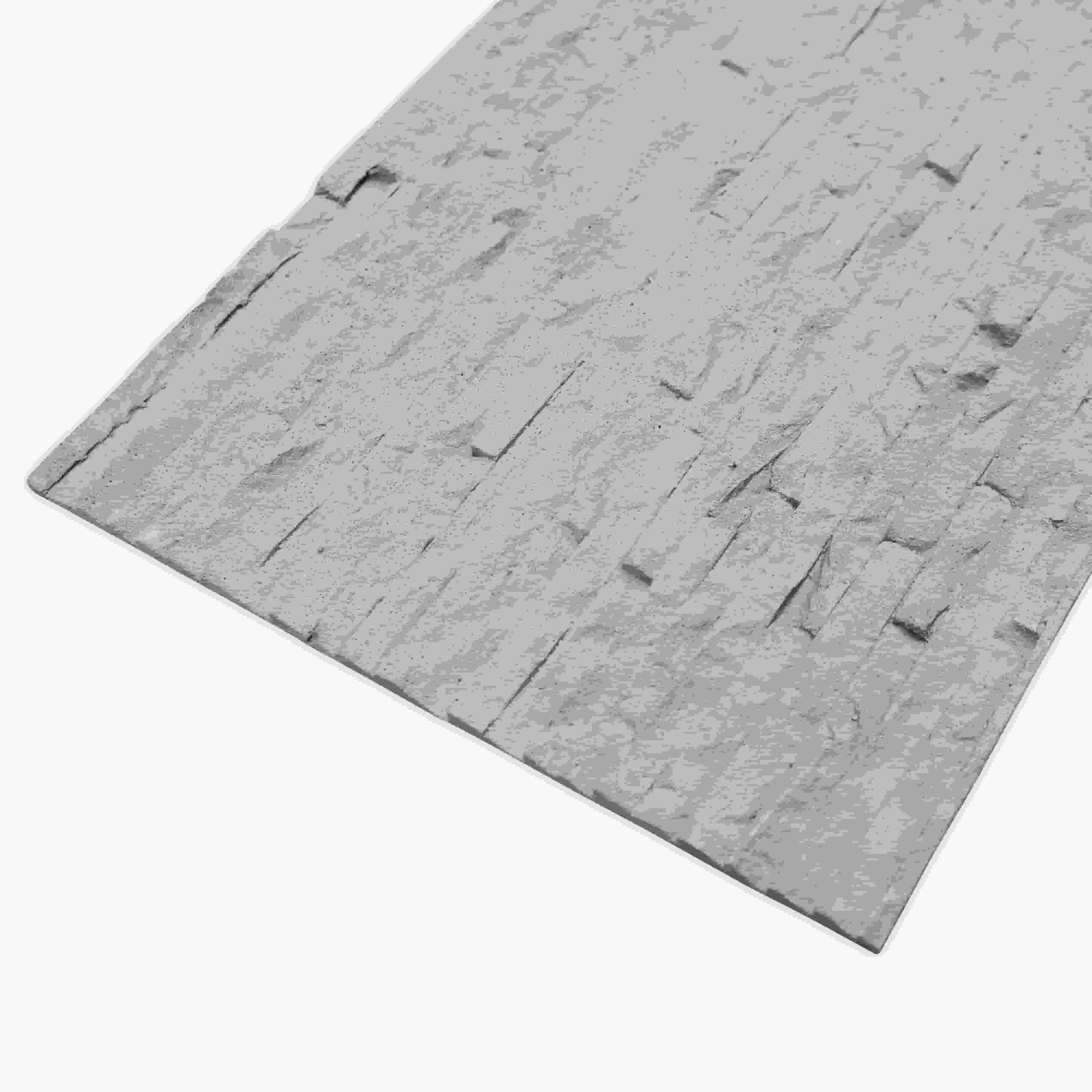
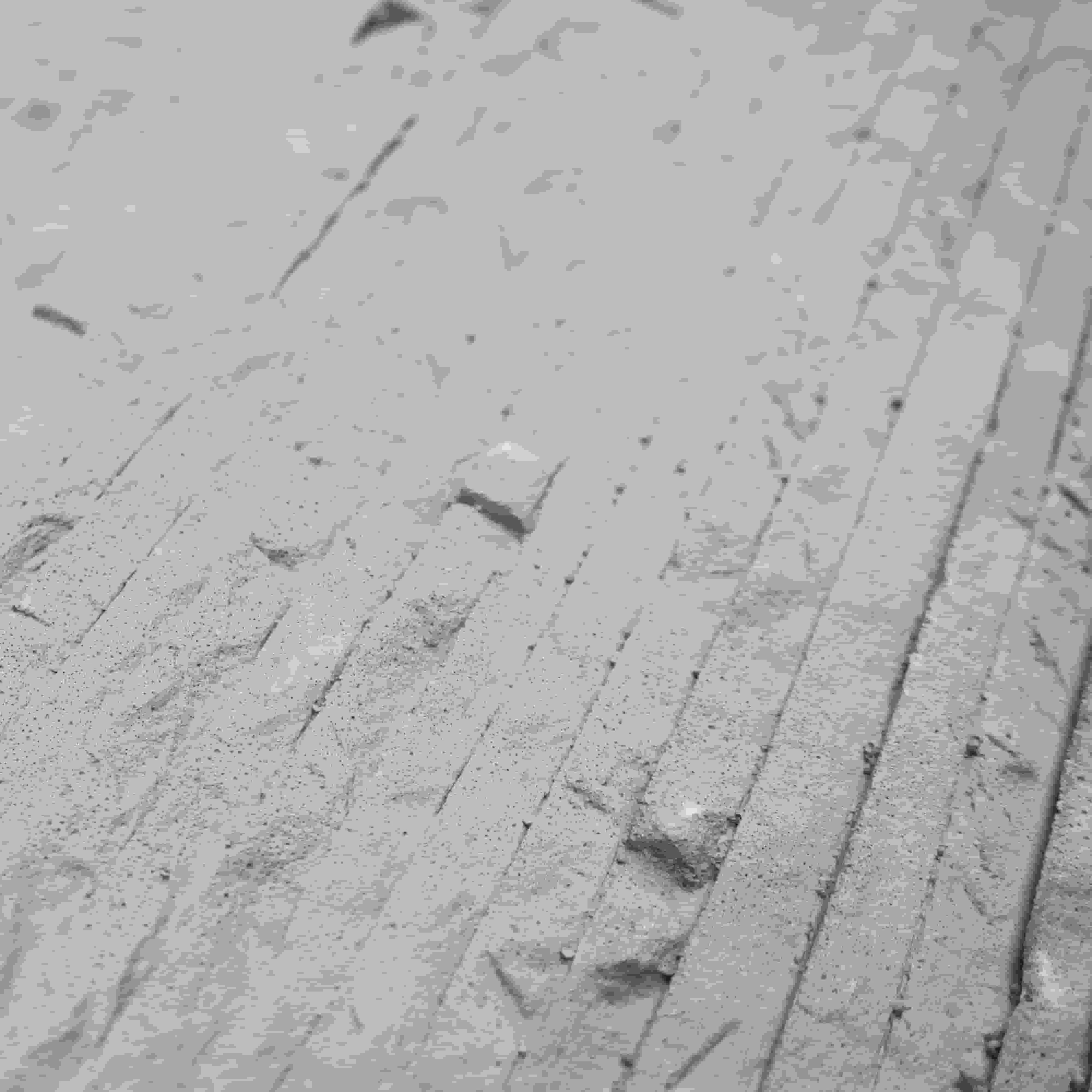
Okay, so it bends—how? Let's get a little technical, but don't worry, I'll keep it conversational. At its core, Muretto Stone (Light Grey) is made by bonding fine stone particles (think: crushed marble, quartz, or limestone) with a flexible polymer matrix. This isn't just glue and gravel, though. The polymers are designed to stretch and compress, acting like a shock absorber for the stone particles. When pressure is applied—say, from a strong wind or a heavy load—the material flexes, distributing the force evenly instead of letting it in one spot (which is what causes cracks in rigid materials). Once the pressure eases? It bounces back, like a rubber band with the soul of a stone.
But flexibility without durability is just a party trick. What makes Muretto Stone (Light Grey) a game-changer is that it doesn't sacrifice strength for bendability. It's water-resistant, fire-retardant, and UV-stable, meaning it won't fade in the sun or warp in the rain. And because it's lighter than traditional stone (we're talking up to 70% lighter in some cases), it puts less stress on building frames, making construction faster, safer, and more cost-effective. It's the kind of material that makes architects and contractors smile—finally, a stone that works with their vision, not against it.
Still skeptical? Let's put Muretto Stone (Light Grey) head-to-head with two common building materials: traditional natural stone and fair-faced concrete (that raw, industrial look you see in modern designs). The table below tells the story better than words ever could:
| Feature | Muretto Stone (Light Grey) | Traditional Natural Stone | Fair-Faced Concrete |
|---|---|---|---|
| Flexibility | Can bend up to 30 degrees without cracking | Brittle; cracks under minimal flexing | Low flexibility; prone to hairline cracks over time |
| Weight | Lightweight (8-12 kg/m²) | Heavy (20-30 kg/m²) | Moderate (15-25 kg/m²) |
| Installation | Easy to cut, shape, and install (even on curves) | Requires heavy machinery; hard to customize | Requires formwork; limited to straight lines |
| Durability | Resistant to chipping, fading, and moisture | Durable but prone to staining and cracking | Durable but susceptible to weathering |
| Design Versatility | Curved walls, accent panels, outdoor cladding—endless | Best for flat surfaces; limited curves | Industrial aesthetic; hard to soften |
See the pattern? Muretto Stone (Light Grey) isn't just better in one area—it's better across the board for projects that demand both beauty and brains. And it's not alone in this innovation. Materials like epoch stone and lunar peak silvery are part of the same family, each bringing their own flair (think: metallic sheens for lunar peak silvery , or timeworn textures for epoch stone ), but Muretto Stone (Light Grey) stands out for its understated elegance and "everyday hero" reliability.
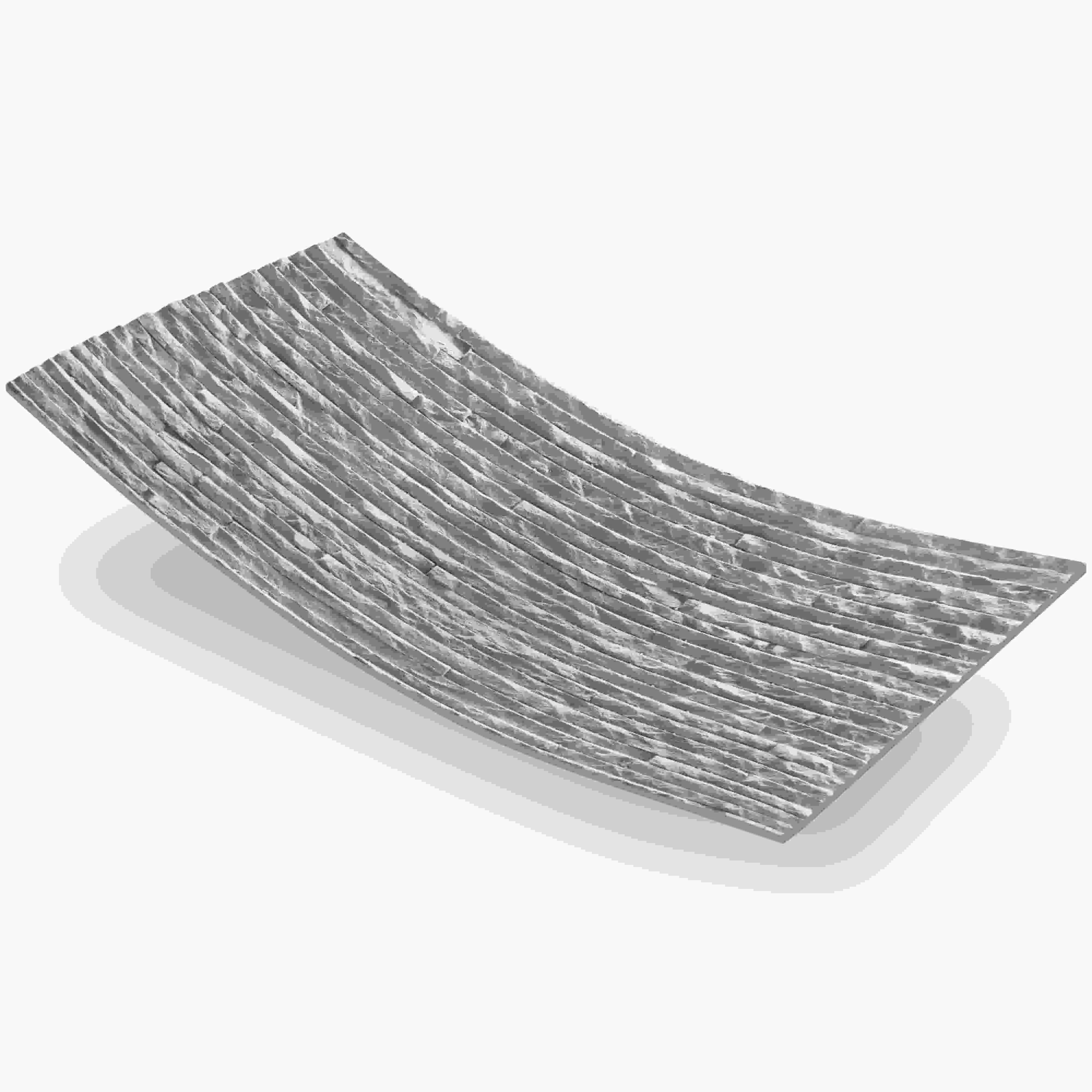
Flexibility and durability are great, but where would you actually use this stuff? Everywhere. Let's paint a few pictures:
The best part? It's not just for new builds. Renovators are falling for it too. Older homes with wonky walls (we've all seen them) can finally get a stone upgrade without tearing everything down— Muretto Stone (Light Grey) conforms to uneven surfaces, turning flaws into features.
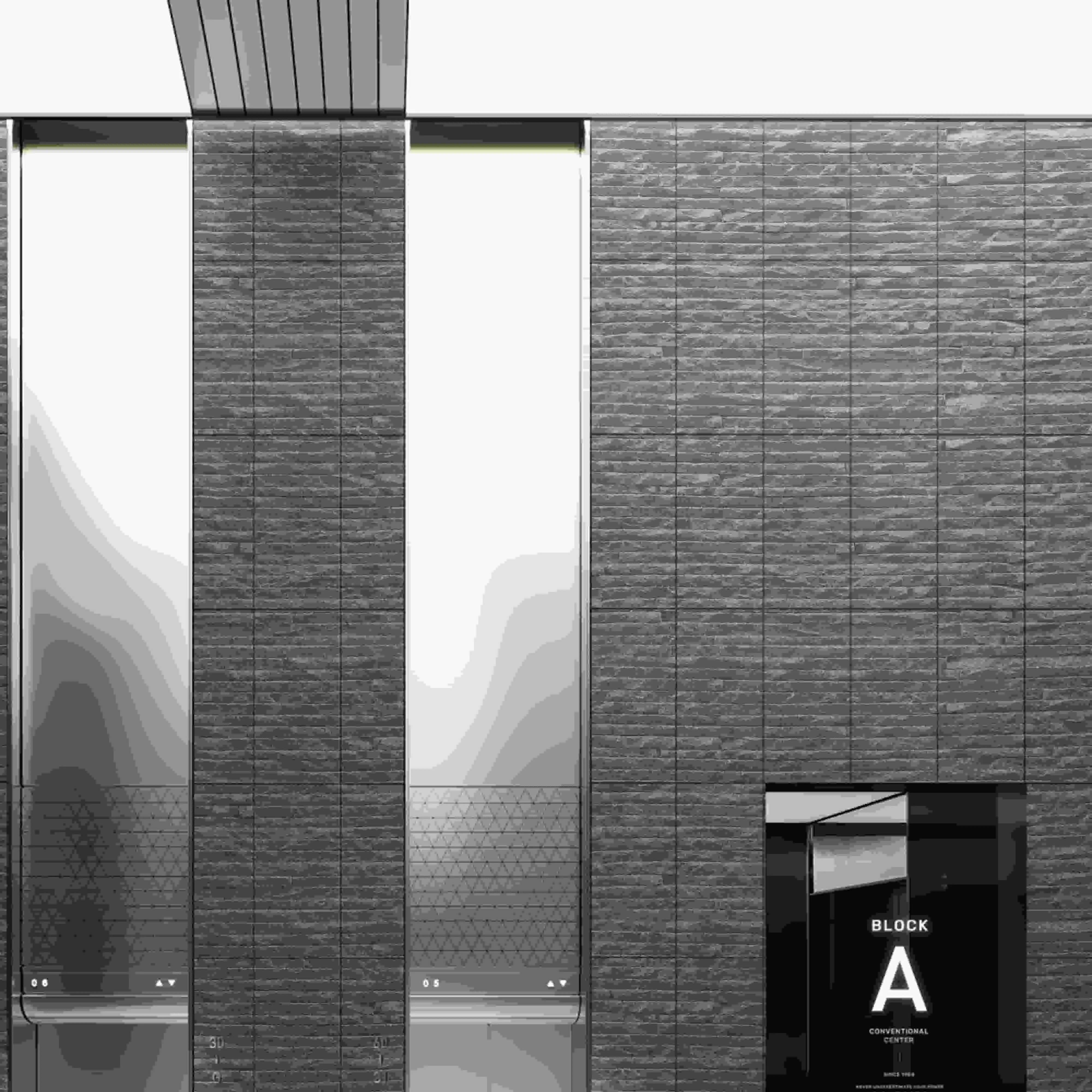
Let's talk green. In a world where "sustainable" is thrown around like confetti, Muretto Stone (Light Grey) walks the walk. Traditional stone mining is resource-heavy—quarrying, transporting massive blocks, cutting them down to size (and wasting a lot in the process). MCM flexible stone technology, though, uses recycled stone particles from existing quarry waste, reducing the need for new mining. Plus, because it's lightweight, transporting it uses less fuel than hauling traditional stone slabs. And since it's so durable, buildings clad in Muretto Stone (Light Grey) need fewer repairs over time, cutting down on material waste and carbon footprints.
Oh, and did I mention it's low-maintenance? No harsh chemicals needed to clean it—just soap and water. That means fewer toxins in our water systems and less time (and money) spent on upkeep. It's the kind of material that makes you think: "Why didn't we do this sooner?"
Great materials don't work in isolation—they play nice with others. Muretto Stone (Light Grey) is a team player, pairing beautifully with materials like lunar peak silvery (for a modern, metallic contrast) or epoch stone (for a layered, timeworn look). In a recent hotel project in Barcelona, designers used Muretto Stone (Light Grey) for the lobby walls and lunar peak silvery for the reception desk—think soft grey waves meeting sleek silver, and you've got a space that feels both grounded and futuristic. In a home in Tokyo, it was paired with warm wood accents, proving that even in a minimalist space, it can add depth without clashing.
It's also a chameleon when it comes to finishes. Want it matte? Done. A subtle sheen? No problem. Textured like rough-hewn stone, or smooth like polished concrete? It adapts. That's the beauty of flexibility—it's not just physical; it's aesthetic, too.
So, what does Muretto Stone (Light Grey) tell us about where building materials are headed? Simply put: the future is flexible. As our cities grow, as we demand more from our spaces (beauty, sustainability, adaptability), rigid materials will take a backseat to ones that can keep up. MCM flexible stone technology is leading that charge, and Muretto Stone (Light Grey) is its most charming ambassador.
It's easy to get caught up in the "wow" factor of flashy designs or high-tech gadgets, but at the end of the day, it's the materials that make a space feel like home, like work, like ours . Muretto Stone (Light Grey) doesn't just build structures—it builds experiences. It bends so our designs can be bolder, lasts so our memories can be longer, and looks good doing it. In a world that's always changing, isn't it nice to have a material that can change with it?
Next time you walk into a space that feels uniquely "you"—whether it's a cozy nook or a grand lobby—take a second look at the walls. Maybe, just maybe, you'll spot a hint of light grey, a material that's not just standing there… but bending, adapting, and proving that in architecture, as in life, flexibility isn't just a skill. It's the secret to lasting beauty.
Recommend Products












