
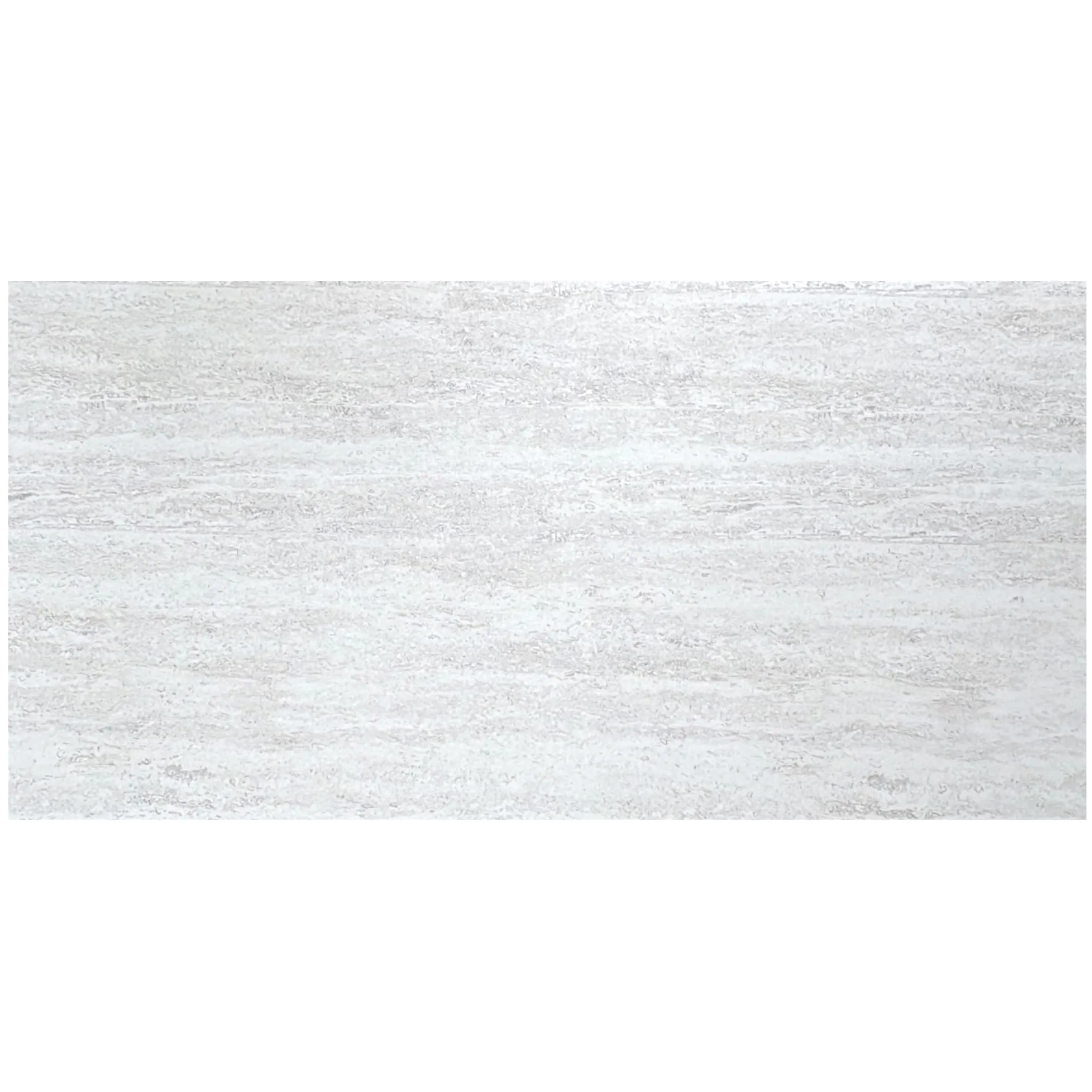
It was a crisp morning in the heart of Tuscany when Dr. Elena Marini, a geologist with thirty years of fieldwork under her belt, first ran her fingers over the surface of what would later be named Ethereal Shadow Travertine. The stone, cool and slightly porous to the touch, seemed to shift color as the sun climbed higher—from a deep, smoky gray to a silvery blue, as if holding a piece of the dawn sky within its layers. "It's like the earth itself took a breath and froze the moment," she'd later tell her team, brushing a stray lock of hair from her face as she knelt to examine a fresh fracture. "You can almost feel the water that made it, still humming in the pores."
That moment, in 2018, marked the first formal documentation of a travertine variant so unique it would soon captivate architects, geologists, and designers worldwide. But to truly understand Ethereal Shadow Travertine, we need to step back—not just to that Tuscan hillside, but to the very beginning: to hot springs bubbling with mineral-rich water, to time measured in centuries, and to the quiet, relentless work of nature that turns liquid into stone.
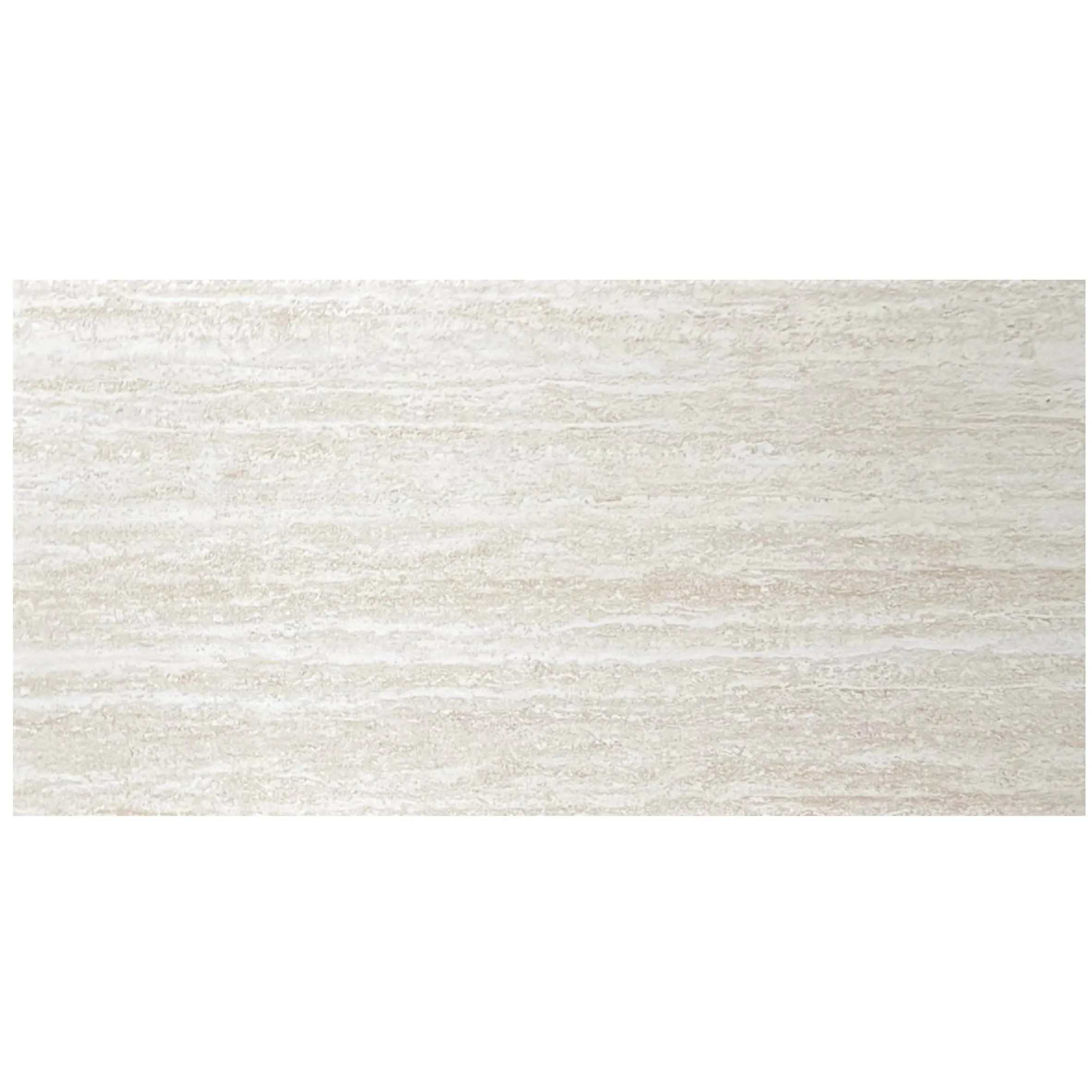
Before diving into what makes Ethereal Shadow Travertine special, let's start with the basics: what even is travertine? You've probably seen it before—maybe in the floors of a grand hotel, the walls of a historic bathhouse, or the facade of a modern home. It's that warm, earthy stone with visible holes (called vesicles) and a texture that feels both ancient and alive. Unlike marble or granite, which form deep underground under intense heat and pressure, travertine is a sedimentary rock, born in the light of day, shaped by water and air.
Here's the short version: travertine forms when mineral-rich water (usually from hot springs or geysers) cools and releases carbon dioxide. As the CO2 bubbles out, the water can no longer hold all its dissolved minerals—mostly calcium carbonate—and those minerals start to crystallize, layer by layer, on whatever surface they touch. Over time, those layers build up: on rocks, on tree trunks, even on the edges of a spring's basin. It's a bit like how a stalagmite grows in a cave, but above ground and much faster (though "fast" in geology still means decades, if not centuries).
Most travertine is creamy beige, golden, or soft gray—the result of calcium carbonate's natural color, sometimes tinted by tiny amounts of iron (which adds reds or yellows) or manganese (which brings in blacks or browns). But Ethereal Shadow? It's different. Its color shifts, its texture has a depth that feels almost three-dimensional, and those vesicles? They're smaller, more evenly spaced, like someone sprinkled stardust into the stone as it formed. To understand why, we need to zoom in on its birthplace: a hidden network of hot springs in the Apennine Mountains, where the conditions are just right for magic.
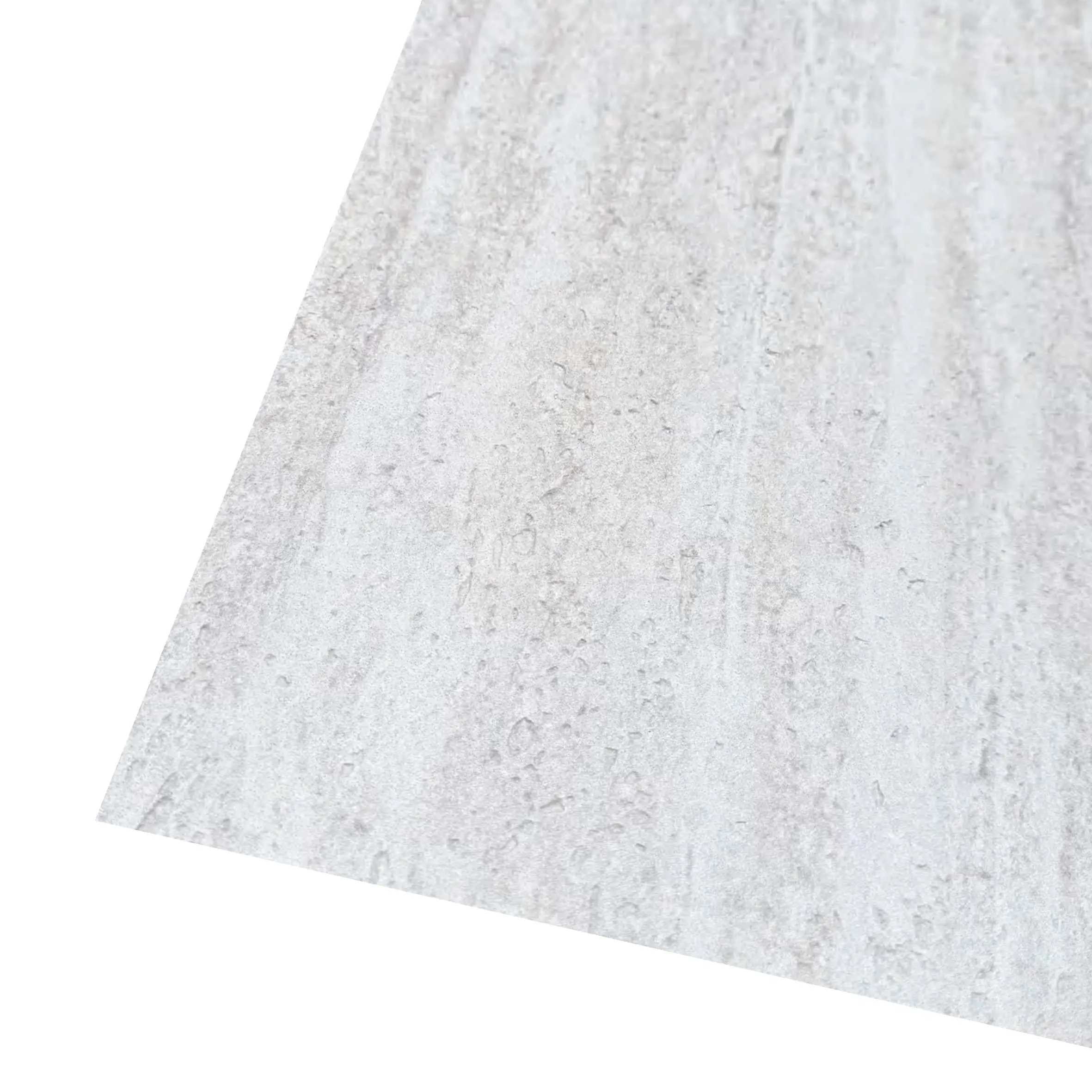
The Apennines are a geologist's dream—crumpled mountains where the Earth's tectonic plates grind together, pushing up layers of rock and creating pockets of superheated water. It's here, in a valley tucked between two peaks, that the springs feeding Ethereal Shadow Travertine emerge. What makes these springs unique? Three things: the minerals in the water, the temperature, and the way the water flows.
First, the minerals. Most travertine springs are rich in calcium carbonate and little else. But the water here carries a cocktail: calcium carbonate, yes, but also traces of magnesium, silica, and even tiny amounts of titanium. "Titanium is the wildcard," Dr. Marini explains, leaning over a sample in her lab, holding it up to the light. "It's what gives Ethereal Shadow that iridescence. When the titanium particles are evenly distributed in the calcium carbonate layers, they reflect light differently depending on the angle. That's why it shifts from gray to blue to silver—it's not just the stone's color, it's the light dancing with those tiny metal flecks."
Then there's the temperature. Most travertine forms in water around 40–50°C (104–122°F). But these Apennine springs run cooler, around 30–35°C (86–95°F). Why does that matter? Cooler water holds onto CO2 longer, so the minerals crystallize more slowly. Instead of forming big, chunky crystals (which make travertine porous but coarser), the slow cooling lets the calcium carbonate form smaller, tighter crystals. That's why Ethereal Shadow has a smoother texture than most travertine—and why its vesicles are smaller, almost like pinholes. It's denser, too, which makes it more durable, a bonus for architects.
Finally, the flow. Unlike the gushing geysers of Yellowstone or the broad, slow-moving springs of Pamukkale, these Italian springs are gentle, seeping out of cracks in the rock and trickling over a series of shallow, stepped basins. As the water moves, it's exposed to more air, which means more CO2 escapes, and more minerals deposit. But because the flow is slow and steady, the layers build up evenly, like sheets of paper stacked with care. "Imagine painting a wall with a brush that never runs out of paint, but moves so slowly the color blends into a gradient," Dr. Marini says. "That's what the water does here. Each layer is a little different—more magnesium here, a touch more titanium there—and that's what creates the 'shadow' effect. When you look at the stone, you're seeing centuries of water's path, frozen in place."
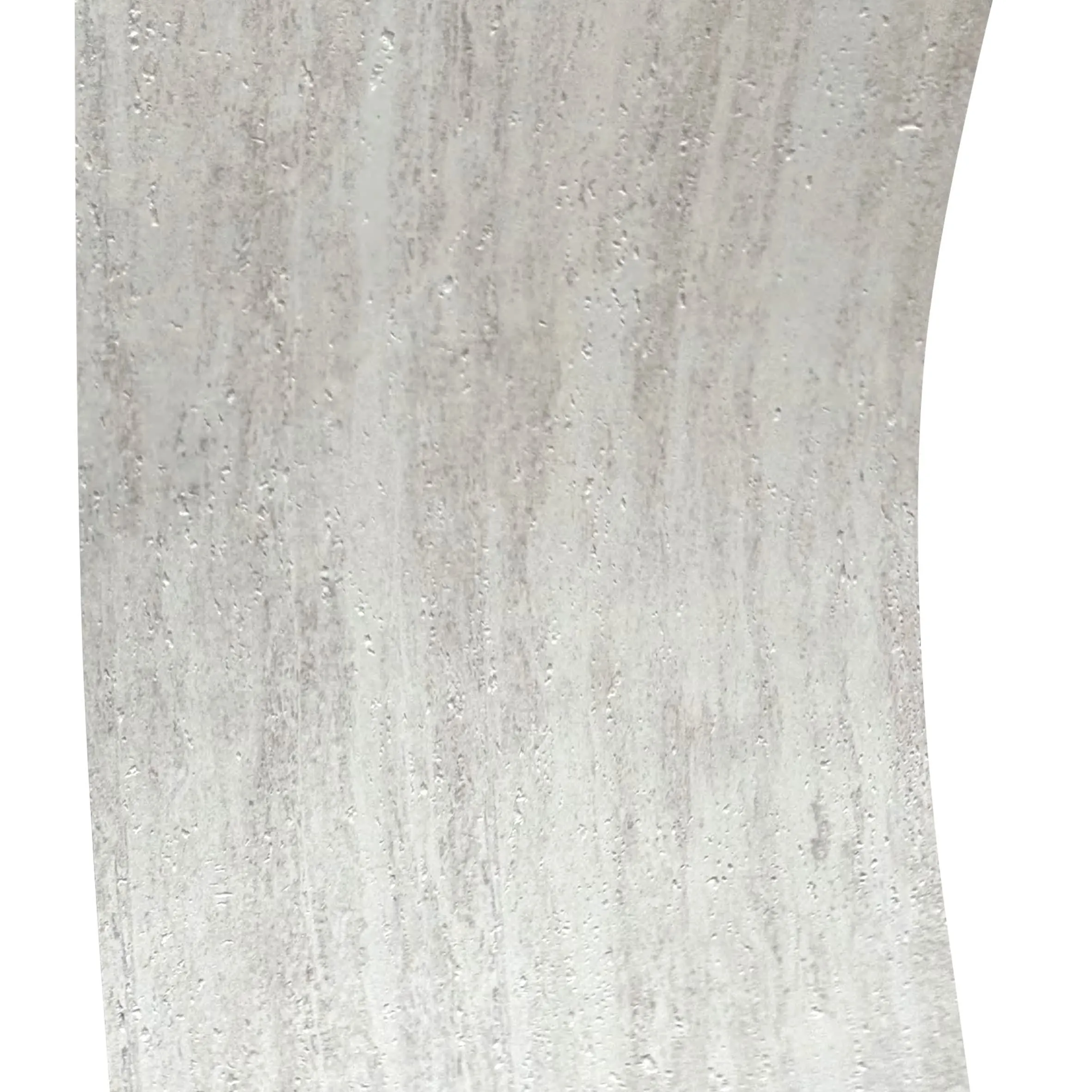
Let's talk about time. If you visited the Apennine springs today, you'd see a thin film of mineral deposits on the rocks—maybe a millimeter thick, at most. To grow a slab of Ethereal Shadow Travertine big enough for a countertop (say, 2 feet by 3 feet), nature needs patience. A lot of it.
Dr. Marini's team did the math: based on core samples from the travertine deposits, they estimate that the stone grows at a rate of about 1–2 centimeters per year. That means a slab that's 10 centimeters thick (about 4 inches) would take 5–10 years to form. But Ethereal Shadow's unique layers? Those take even longer. The color shifts, the iridescence—those come from subtle changes in the water's mineral content over decades. A particularly vibrant "shadow" band (the dark gray layer that gives the stone its name) might represent a period of drought, when the spring ran slower and concentrated the titanium. A silvery layer could mark a rainy decade, when more magnesium washed into the water.
"It's a geological diary," says Dr. Marini, tapping a sample with her fingernail. "Each layer is a page. We can date them using carbon isotopes, and suddenly we're reading about the climate of the 1800s, or a volcanic eruption that changed the spring's chemistry in 1923. Ethereal Shadow isn't just a stone—it's a history book, written in calcium carbonate and titanium."
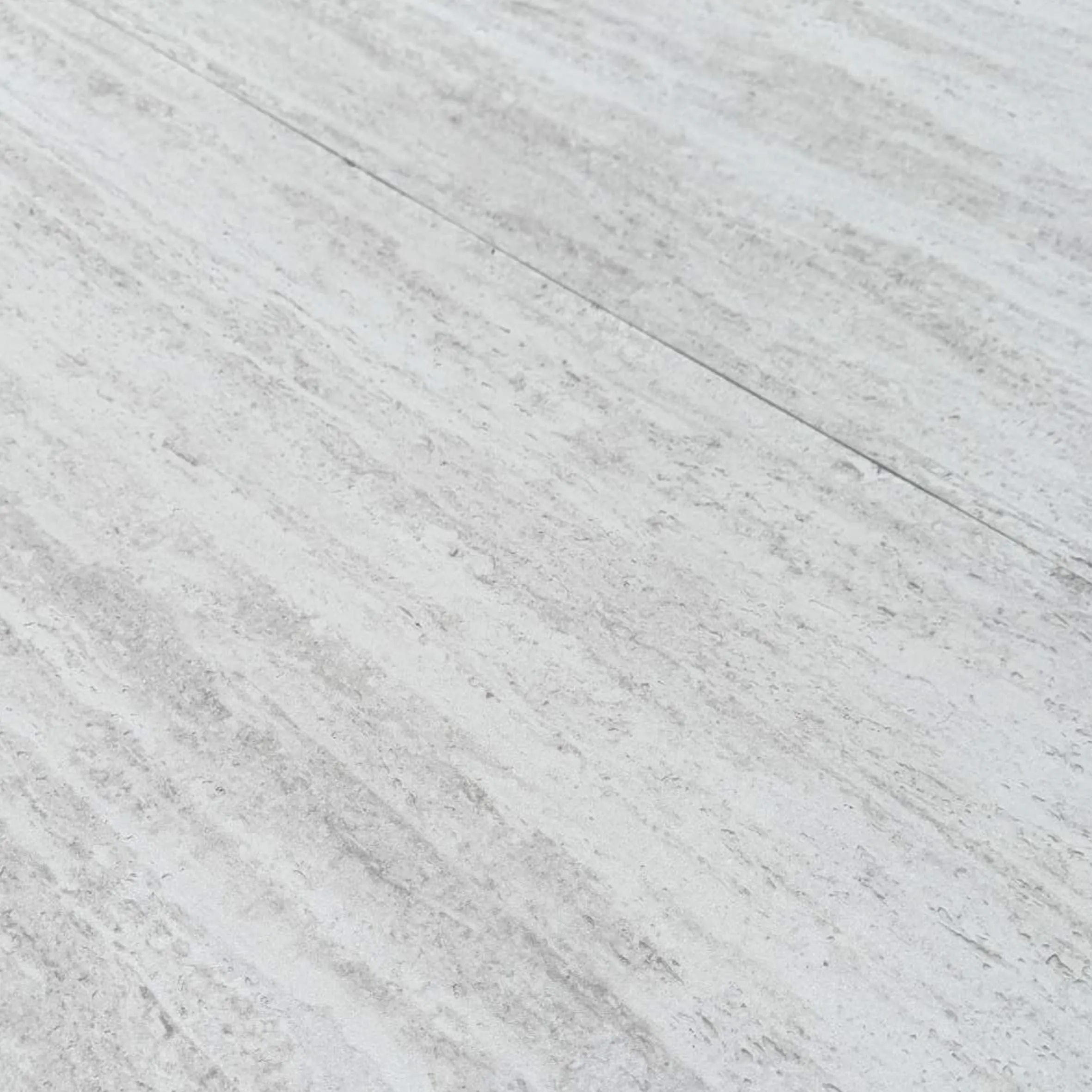
Ethereal Shadow Travertine isn't the only travertine with a flair for the dramatic. You might have heard of its flashier relatives: Travertine (Starry Blue), with vesicles that sparkle like a night sky, or Travertine (Starry Red), which glows with warm, ruby-like flecks. So what sets Ethereal Shadow apart?
Let's start with the "starry" travertines. Those get their sparkle from trapped gas bubbles. When the mineral-rich water is extra bubbly, the CO2 vesicles don't collapse as the stone forms—instead, they stay as tiny holes, which later fill with minerals like quartz or hematite. When light hits those filled vesicles, they reflect like little mirrors, hence the "starry" effect. Starry Blue has quartz (which is clear, but reflects blue light), while Starry Red has hematite (iron oxide, which is red). Beautiful, right? But Ethereal Shadow doesn't rely on vesicles for its magic. Its color and texture come from the layers themselves, not just the holes in them.
Take Travertine (Starry Red), for example. It's bold, attention-grabbing, with a texture that's more porous (those vesicles are bigger). It's perfect for making a statement—think a fireplace surround or a feature wall. Ethereal Shadow, on the other hand, is more understated. Its color shifts are subtle, its texture smoother. It's the kind of stone that grows on you, revealing new depths as the light changes. "I had a client once who used Ethereal Shadow for their kitchen backsplash," says Marco Rossi, an architect based in Milan. "They told me, 'Every morning, when the sun comes through the window, it looks like the wall is breathing.' That's the magic of it—it's not static. It interacts with its environment."
Another key difference? Formation environment. Starry travertines tend to form in faster-moving springs, where the water is more turbulent, trapping more gas bubbles. Ethereal Shadow's slow, gentle springs mean fewer bubbles, more layered mineral deposits. It's the difference between a Jackson Pollock painting (chaotic, vibrant) and a watercolor landscape (soft, layered, full of nuance).
| Stone Type | Formation Environment | Key Minerals | Texture & Color | Best For |
|---|---|---|---|---|
| Ethereal Shadow Travertine | Cool (30–35°C), slow-moving hot springs; shallow, stepped basins | Calcium carbonate, titanium, magnesium | Smooth, fine-grained; shifts from smoky gray to silvery blue; small vesicles | Backsplashes, accent walls, flooring (high-traffic areas due to density) |
| Travertine (Starry Blue) | Warm (45–50°C), turbulent springs; rapid mineral deposition | Calcium carbonate, quartz, silica | Porous, medium-grained; deep blue base with white/clear vesicle "stars" | Fireplaces, decorative panels, low-traffic flooring |
| Travertine (Starry Red) | Hot (50–55°C), high-iron springs; fast water flow | Calcium carbonate, hematite (iron oxide), manganese | Rough, porous; red/orange base with red/gold vesicle "stars" | Feature walls, outdoor patios (weather-resistant) |
| Lunar Peak Silvery | Alpine glacial streams; cold water, slow deposition | Calcium carbonate, aluminum, mica | Glassy, smooth; pale silver with subtle gray veining | Modern facades, countertops (resistant to scratches) |
| Fair-faced Concrete | Man-made; mixed, poured, cured | Cement, aggregates, water | Uniform, matte; gray (can be tinted); dense, non-porous | Industrial-style interiors, structural elements |
In a world where we can 3D-print buildings and create synthetic stones in labs, why does a natural stone like Ethereal Shadow Travertine still matter? It's a question Marco Rossi gets asked a lot. "I work with modern materials too—fair-faced concrete, foamed aluminium alloy boards, all the latest stuff," he says, sipping espresso in his studio, where samples of Ethereal Shadow and fair-faced concrete sit side by side on his desk. "But there's something about natural stone that synthetic materials can't replicate. It has a story. It has imperfections that make it perfect."
Fair-faced concrete, for example, is sleek, uniform, and incredibly durable. It's the material of choice for minimalist homes and industrial-chic cafes. But it's also… well, flat. There's no variation, no memory of how it was made. Ethereal Shadow, by contrast, is full of memories. Each slab is one of a kind—no two pieces will have the exact same layer pattern or color shift. "Clients who choose Ethereal Shadow aren't just buying a material," Rossi says. "They're buying a piece of the earth's history. It's sustainable, too—travertine is abundant, and quarrying it has a lower carbon footprint than manufacturing concrete or synthetic stone."
That's not to say Ethereal Shadow is without challenges. Because it's a natural stone, it needs sealing to protect against stains (those vesicles, even small ones, can absorb liquids). And because each slab is unique, designers have to plan carefully—you can't just order "five more of the same." But for many, those challenges are part of the appeal. "It's like working with a living thing," Rossi laughs. "You have to respect it, work with its quirks. That's what makes the end result so rewarding."
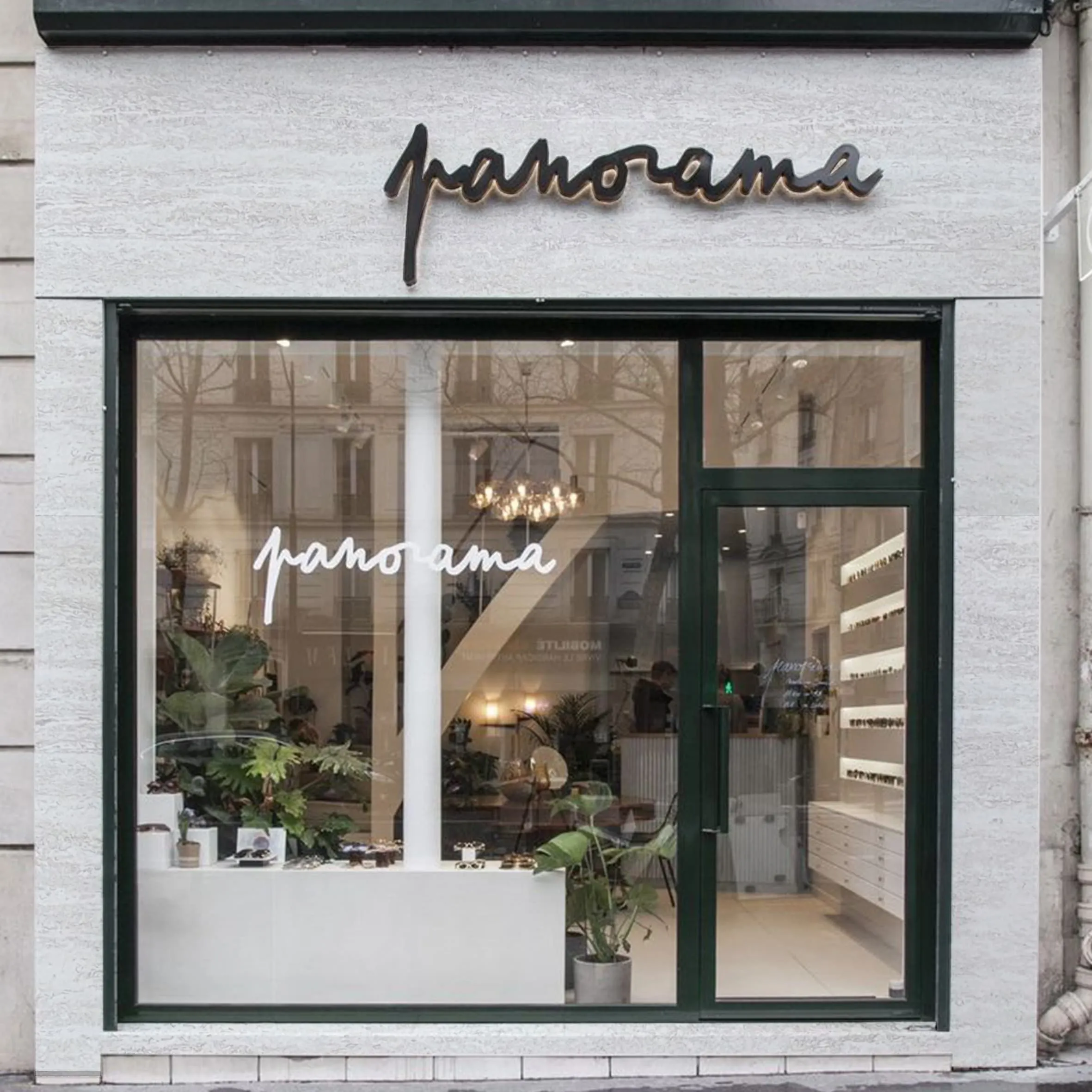
Since its discovery, Ethereal Shadow Travertine has slowly but surely made its way into some of the world's most innovative buildings. In 2021, it was used in the facade of a boutique hotel in Kyoto, where its color-shifting properties complement the changing seasons. In 2023, a tech company in San Francisco chose it for their lobby walls, pairing its natural warmth with sleek glass and steel. "It's a bridge between old and new," says Rossi. "It grounds modern architecture, gives it a sense of place."
Dr. Marini, for her part, is just happy the stone is getting the recognition it deserves. "When we first found it, I thought, 'This is beautiful, but will anyone care?'" she says, smiling. "Now, when I see it in a building, I don't just see stone—I see the springs, the water, the centuries of time that went into making it. It's a reminder that the earth is still creating, still surprising us."
So the next time you walk past a wall of Ethereal Shadow Travertine, take a moment to pause. Run your hand over its surface. Watch how the light plays on its layers. You're not just touching stone—you're touching a piece of the earth's story, written in water and time, frozen in place for us to marvel at. And who knows? Maybe one day, a geologist a hundred years from now will look at a slab of Ethereal Shadow and say, "What a moment this must have been."
Recommend Products












