
Redefining architectural expression through technology, texture, and human creativity
Buildings have always been more than just shelters. They are stories etched in stone, concrete, and metal—narratives of culture, ambition, and the human desire to leave a mark on the world. For architects and designers, the choice of cladding material is where these stories begin to take shape. It's the skin of a structure, the first impression that lingers in the minds of those who pass by. In recent years, one material has emerged as a quiet favorite among creatives: Boulder Slab. With its rugged charm, earthy texture, and inherent durability, it has graced the facades of boutique hotels, corporate headquarters, and even residential homes, adding a touch of organic warmth to modern spaces. Yet, for all its promise, Boulder Slab has long been held back by a silent barrier: the limitations of traditional manufacturing.
Imagine a designer sketching a facade that undulates like a wave, or a lobby wall that curves gently to embrace visitors. With traditional methods—molding, cutting, and shaping raw materials—these visions often shrink into flat, uniform panels, stripped of the fluidity that makes them compelling. "It's like trying to paint a masterpiece with a sponge," says Elena Marquez, a senior architect at a leading global firm. "You have this incredible material, but you can only use it in straight lines. The frustration is palpable."
Enter the MCM 3D Printing Series—a technological leap that isn't just changing how Boulder Slab is made, but how it feels to design with it. This isn't just about machines and algorithms; it's about giving form to the unspoken ideas that keep designers up at night. It's about turning Boulder Slab from a static canvas into a living, breathing part of the built environment. In this journey, we'll explore how 3D printing is unlocking the full potential of Boulder Slab, merging the raw beauty of natural materials with the boundless possibilities of digital innovation. Along the way, we'll meet the materials that are joining it on this revolution—Lunar Peak's celestial sheen, Flexible Stone's adaptive grace, and Travertine's starry whispers—each adding a new layer to the story of modern architecture.
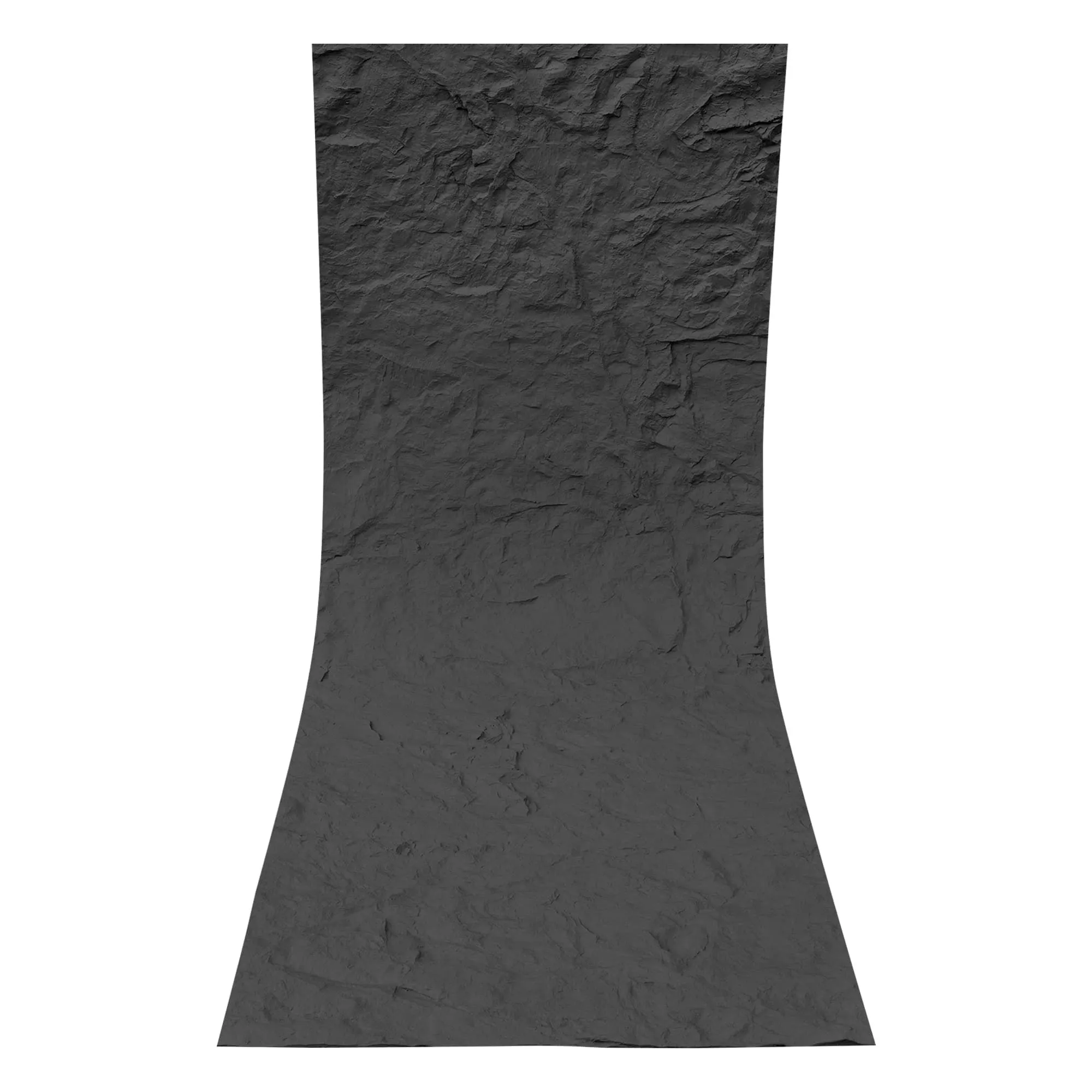
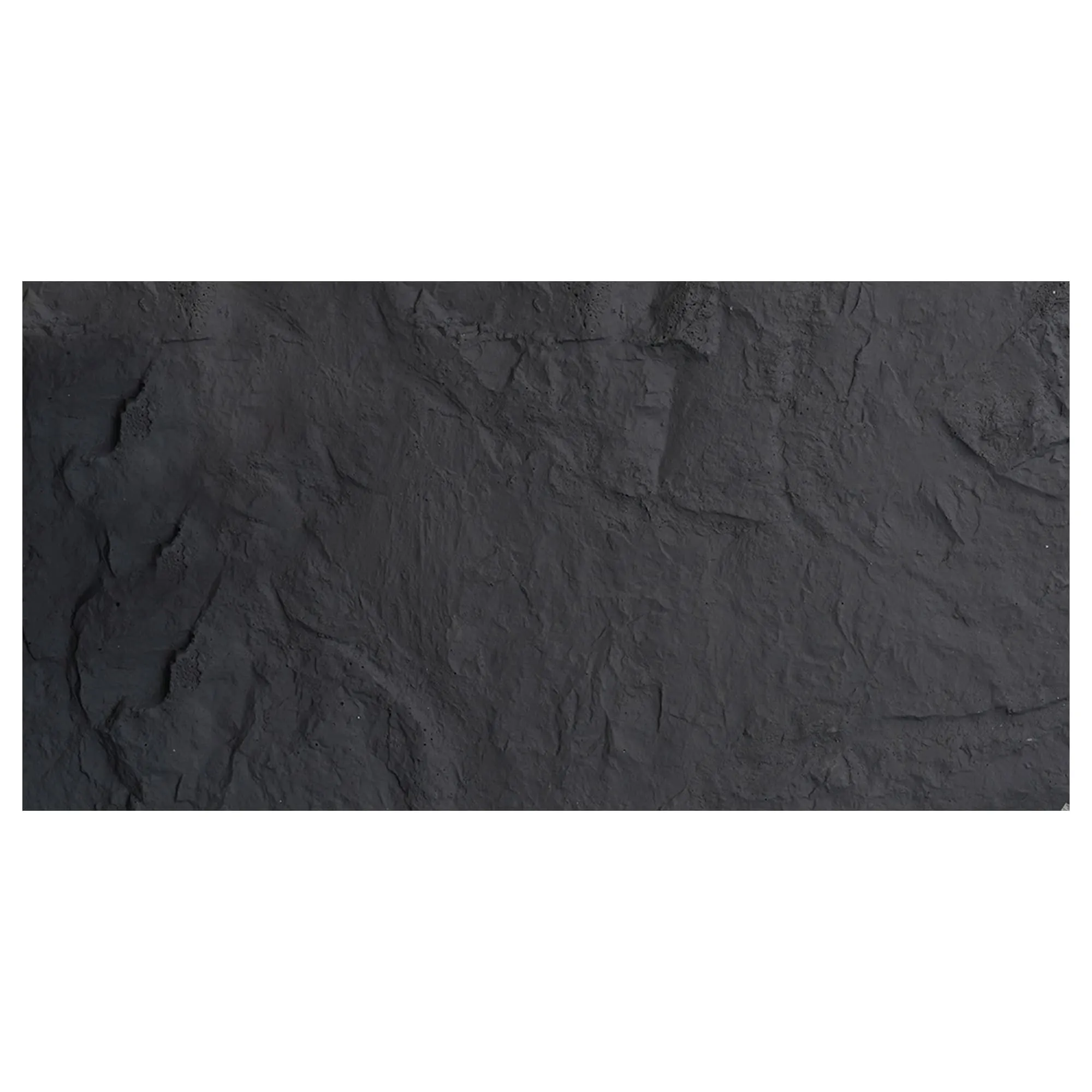
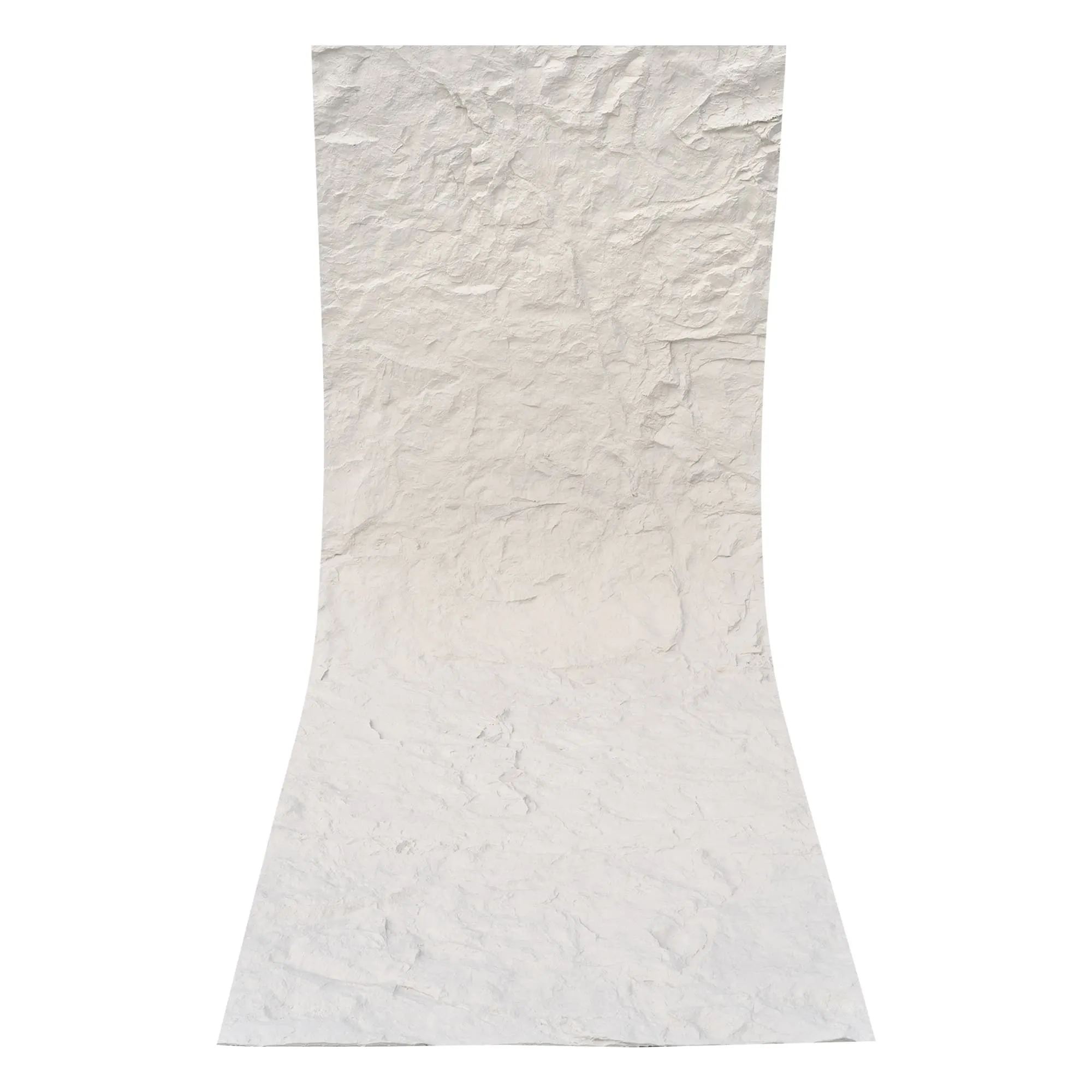
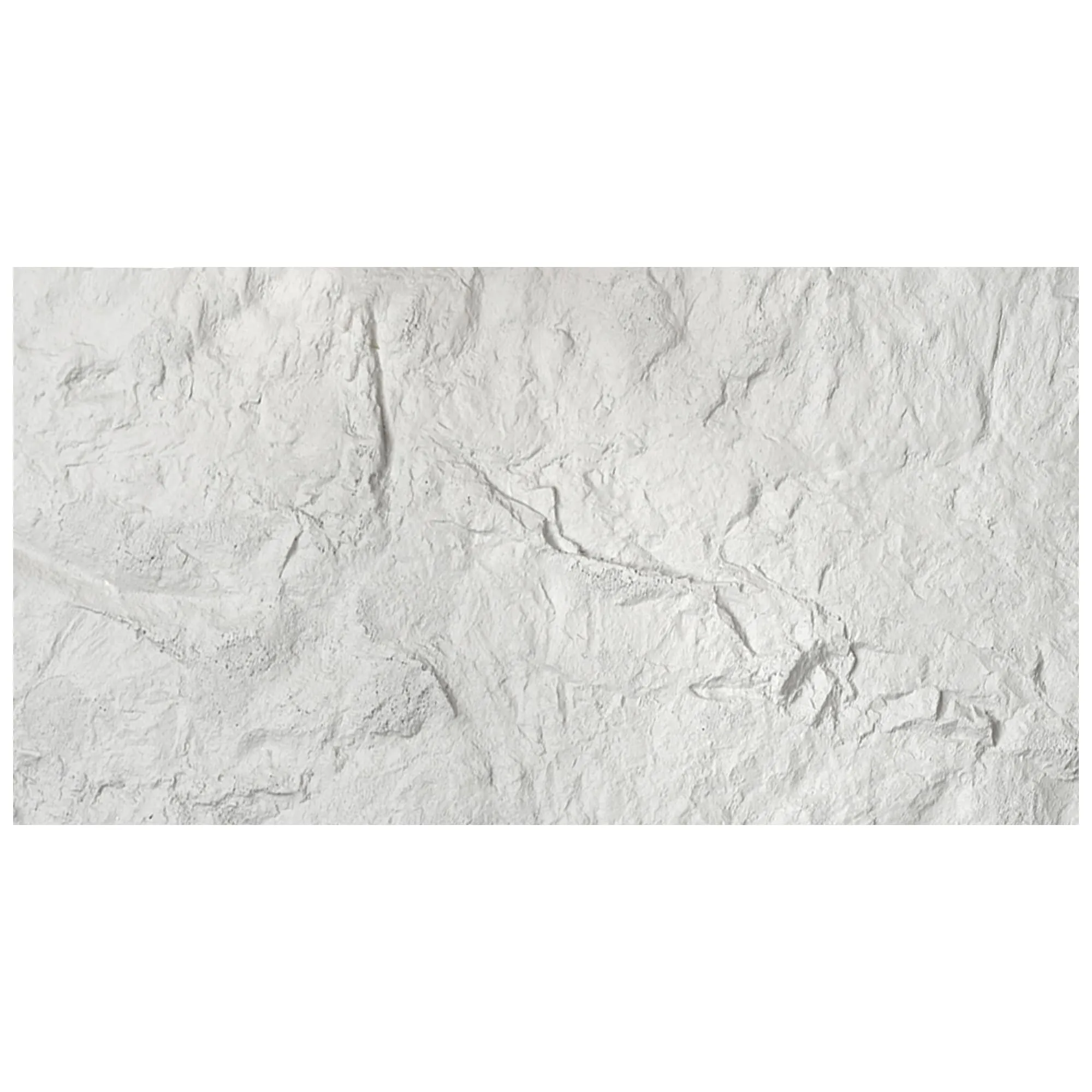
To understand the excitement around 3D-printed Boulder Slab, we first need to appreciate the material itself. Boulder Slab isn't just another cladding option; it's a nod to the earth's own artistry. Quarried from natural stone deposits, each slab carries the unique (imprint) of geological time—subtle variations in color, veining that mimics riverbeds, and a texture that feels both solid and alive to the touch. It's this duality—strength and softness—that makes it so appealing. In commercial projects, it adds gravitas; in homes, it creates a sense of grounding, as if the building has grown organically from the soil.
Take, for example, the Riverbank Tower in Chicago, where Boulder Slab (Vintage Silver) clads the lower three floors. The designers wanted to evoke the city's industrial past while adding a modern edge. The slabs, with their weathered metallic finish, mirror the gray of the Chicago River, creating a dialogue between the building and its surroundings. "People stop and run their hands over it," says the project's lead designer, Marcus Chen. "It's not just a facade—it's an experience."
But here's the catch: traditional Boulder Slab manufacturing relies on molds and mechanical cutting, processes that prioritize uniformity over uniqueness. Want a curved panel? You'll need a custom mold, which is expensive and time-consuming. Dream of a facade with varying depths, like the peaks and valleys of a mountain range? You'll likely be told it's "impractical" or "too costly." For designers like Chen, this has been a constant battle. "We'd present renderings with these dynamic shapes, and the contractors would shake their heads," he recalls. "Boulder Slab has so much personality, but we were stuck putting it in a box."
This is where the MCM 3D Printing Series steps in. By replacing molds with digital blueprints and cutting tools with precision nozzles, 3D printing frees Boulder Slab from the constraints of conventional manufacturing. Suddenly, that wave-like facade isn't just a rendering—it's a feasible, even affordable, reality. And it's not just about shapes; it's about breathing life into the material itself.
To truly grasp the impact of 3D printing, let's pull back the curtain on how Boulder Slab has historically been made. The process starts with raw stone blocks, which are cut into rough slabs using diamond-tipped saws. These slabs are then sent to factories, where they're sanded, polished, and shaped into standardized sizes—typically 4x8 feet panels, with minimal variation in thickness or edge profile. For custom orders, a mold is created: a negative of the desired shape, into which a mixture of stone aggregate and resin is poured. Once cured, the panel is removed, finished, and shipped.
On the surface, this seems straightforward. But for designers, it's a minefield of compromises. "Molds are expensive—$5,000 or more for a single custom shape—and they take weeks to produce," explains Sarah Lopez, a materials engineer with over a decade of experience in cladding systems. "If you want to tweak the design halfway through, you're looking at another mold, another delay, and another hit to the budget. Most clients aren't willing to take that risk."
Waste is another hidden cost. Traditional cutting methods generate up to 30% waste material—stone dust and offcuts that often end up in landfills. For a material that prides itself on its natural origins, this is a bitter irony. "We're extracting stone from the earth, then throwing away a third of it because we can't cut it precisely enough," Lopez adds. "It's environmentally irresponsible, and it drives up costs for everyone."
Then there's the issue of structural limitations. Traditional Boulder Slab panels are heavy—often 15-20 pounds per square foot—requiring reinforced framing and specialized installation crews. This limits their use in high-rise buildings or structures with weight restrictions. "I once designed a lightweight pavilion that would have been perfect with Boulder Slab," Chen remembers. "But the panels were too heavy; we had to switch to a cheaper, less durable material. It felt like a betrayal of the design vision."
| Aspect | Traditional Manufacturing | MCM 3D Printing Series |
|---|---|---|
| Design Flexibility | Limited to straight lines and simple curves; custom shapes require expensive molds. | Unlimited geometric freedom: complex curves, organic shapes, and variable thicknesses with no mold costs. |
| Material Waste | Up to 30% waste from cutting and molding. | Less than 5% waste; precise layer deposition minimizes offcuts. |
| Lead Time | 4-6 weeks for standard panels; 8-12 weeks for custom molds. | 2-3 weeks for most projects; design tweaks can be implemented in days. |
| Weight | 15-20 lbs/sq ft; requires heavy-duty framing. | 8-12 lbs/sq ft; lightweight design reduces structural load. |
| Sustainability | High waste, energy-intensive cutting and molding. | Lower energy use, recyclable materials, and minimal waste. |
For architects like Marquez, these limitations aren't just logistical—they're creative roadblocks. "Every time I sit down to design, I find myself self-censoring," she admits. "I think, 'Can the factory make that?' before I even finish the sketch. It's like painting with one hand tied behind your back."
If traditional manufacturing is a sculptor chiseling with a hammer, MCM 3D Printing is a painter with a fine-tipped brush—precise, adaptable, and capable of bringing the most intricate visions to life. At its core, the technology uses a robotic arm equipped with a nozzle that deposits layers of MCM's proprietary composite material (a blend of stone aggregates, polymers, and fibers) onto a build platform. The material cures quickly, allowing layer upon layer to be added until the final shape emerges. What sets MCM's system apart is its ability to work with Boulder Slab's natural properties, enhancing them rather than forcing them into a mold.
"We didn't just slap a 3D printer onto existing production lines," says Dr. Raj Patel, lead engineer at MCM's Innovation Lab. "We reimagined the material itself. Our composite formula is 40% lighter than traditional stone mixes, but just as strong. It's flexible enough to bend without cracking, yet rigid enough to hold complex shapes. That's the magic—we've given Boulder Slab a new kind of versatility."
The process starts with a digital 3D model, created using CAD software. Designers can tweak every detail—adjusting the curvature of a panel, adding texture variations, or even integrating other MCM materials like Lunar Peak or Flexible Stone mid-print. "It's like cooking with a pantry full of ingredients," Patel explains. "Want a Boulder Slab panel with a Lunar Peak Golden stripe running through it? No problem. The printer can switch materials in real time, creating seamless transitions that would be impossible with traditional methods."
For Chen, who recently used 3D-printed Boulder Slab on a boutique hotel project in Portland, the difference was night and day. "We wanted the facade to look like a stack of weathered stones, but with a modern twist—each panel slightly offset, with varying depths," he says. "With traditional manufacturing, that would have required 20 different molds. With 3D printing, we uploaded the design, hit 'print,' and had the first panel in three days. The contractors thought we were joking when we told them the timeline."
The result? A facade that undulates like a stone wave, with each panel telling a small part of the story. "Guests walk up and trace the curves with their fingers," Chen adds. "They don't just see a building—they feel it. That's the power of custom shape. It turns a static surface into something interactive, something human."
The true revolution of 3D-printed Boulder Slab lies in its ability to turn "what if" into "why not." Let's explore some of the most exciting innovations that are reshaping architectural design today:
Nature doesn't do straight lines—and neither should buildings that aim to connect with it. 3D printing allows Boulder Slab to be shaped into curves that echo mountain ridges, riverbeds, or even the spiral of a seashell. Take the Azure Coastal Museum in Miami, where the exterior is clad in 3D-printed Boulder Slab (Vintage Black) panels that curve gently upward, mimicking the rise and fall of ocean waves. "We wanted visitors to feel like they're stepping into a seashell," says lead designer Mia Torres. "The curves aren't just aesthetic—they guide people through the space, creating a flow that feels natural. Traditional panels would have made it feel like a box."
Light is a designer's greatest tool, and 3D printing lets Boulder Slab interact with it in (unprecedented) ways. By varying the thickness of panels—thinner in some areas, thicker in others—designers can create dynamic shadow patterns that change throughout the day. For the lobby of the Horizon Tower in Seattle, designers used 3D-printed Boulder Slab with thickness ranging from 0.5 inches to 2 inches. "In the morning, sunlight filters through the thinner sections, casting dappled shadows on the floor that look like sunlight through tree leaves," Torres explains. "In the afternoon, the thicker areas create bold, geometric shadows. It's like the building is alive, changing with the sun."
Why limit yourself to one material when you can have a symphony? MCM's 3D printers can seamlessly integrate Boulder Slab with other signature materials, creating contrasts that elevate both. For example, the Lunar Peak series—with its metallic, almost otherworldly finish—adds a touch of modernity to Boulder Slab's earthiness. A recent project in Dubai combined 3D-printed Boulder Slab (Vintage Gold) with Lunar Peak Silvery accents, creating a facade that shimmers like desert sand at sunset. "It's a conversation between the past and the future," says Patel. "Boulder Slab grounds the building in nature; Lunar Peak propels it into the cosmos."
Flexible Stone, another MCM innovation, brings yet another dimension. Thin, lightweight, and bendable, it can be printed onto Boulder Slab panels to add texture or create movable elements like operable shutters. "Imagine a Boulder Slab facade with Flexible Stone 'scales' that open and close to regulate sunlight," Marquez muses. "It's functional art—and it's only possible with 3D printing."
Traditional manufacturing smooths out the "imperfections" in stone—small pits, veins, and color variations that give it character. 3D printing celebrates them, allowing designers to amplify these details or even create new ones. For a residential project in Colorado, Chen used 3D-printed Boulder Slab with a custom "starry" texture, inspired by Travertine (Starry Green). "We programmed the printer to deposit tiny, irregular dots of darker material across the panel, mimicking the way stars are scattered in the night sky," he says. "The (homeowner) cried when she saw it—she said it felt like bringing the outdoors in, but in a way that was uniquely hers."
In an era where sustainability is no longer a buzzword but a mandate, 3D-printed Boulder Slab shines as a responsible choice. By minimizing waste, reducing transportation costs (thanks to lighter panels), and using recycled materials in its composite blend, MCM's process aligns with the green goals of modern architecture. "We're not just creating beautiful buildings—we're creating buildings that respect the planet," Lopez emphasizes. "30% waste reduction might not sound like much, but multiply that by thousands of panels across a project, and it's a game-changer for carbon footprints."
Durability is another key advantage. MCM's composite material is resistant to moisture, UV rays, and temperature fluctuations—critical for cladding that faces the elements year-round. "We tested panels in our lab for 10,000 hours of simulated weathering—rain, snow, intense sunlight—and they showed almost no signs of wear," Patel says. "Traditional stone panels would have cracked or faded within half that time. This isn't just about looks; it's about longevity."
Installation is also simplified. Lighter panels mean fewer workers are needed, and the precision of 3D printing ensures panels fit together seamlessly, reducing on-site adjustments. "On the Riverbank Tower project, we installed 20,000 square feet of traditional Boulder Slab in six weeks," Chen recalls. "With 3D-printed panels, we did the same square footage in four weeks with two fewer crew members. That's time and money saved."
As 3D printing technology evolves, the possibilities for Boulder Slab—and architecture as a whole—are limitless. Dr. Patel's team is already experimenting with "smart" panels embedded with sensors that monitor temperature, humidity, and structural stress, sending real-time data to building managers. "Imagine a Boulder Slab facade that can tell you if a panel is damaged before it becomes a problem," he says. "That's the future we're building."
Marquez envisions even more radical changes: "I want to print entire building envelopes—walls, roofs, cladding—in one continuous process. No seams, no gaps, just a single, flowing structure. With MCM's technology, that's not science fiction; it's a goal we could reach in the next decade."
For now, though, the most exciting part is watching designers and architects rediscover the joy of creation—unburdened by the limitations of the past. Boulder Slab, once a material confined to straight lines, is now a medium for storytelling, a way to turn buildings into experiences that touch the heart as much as the eye. As Chen puts it: "Architecture is about making people feel something. With 3D-printed Boulder Slab, we're finally able to build the feeling."
Recommend Products












