
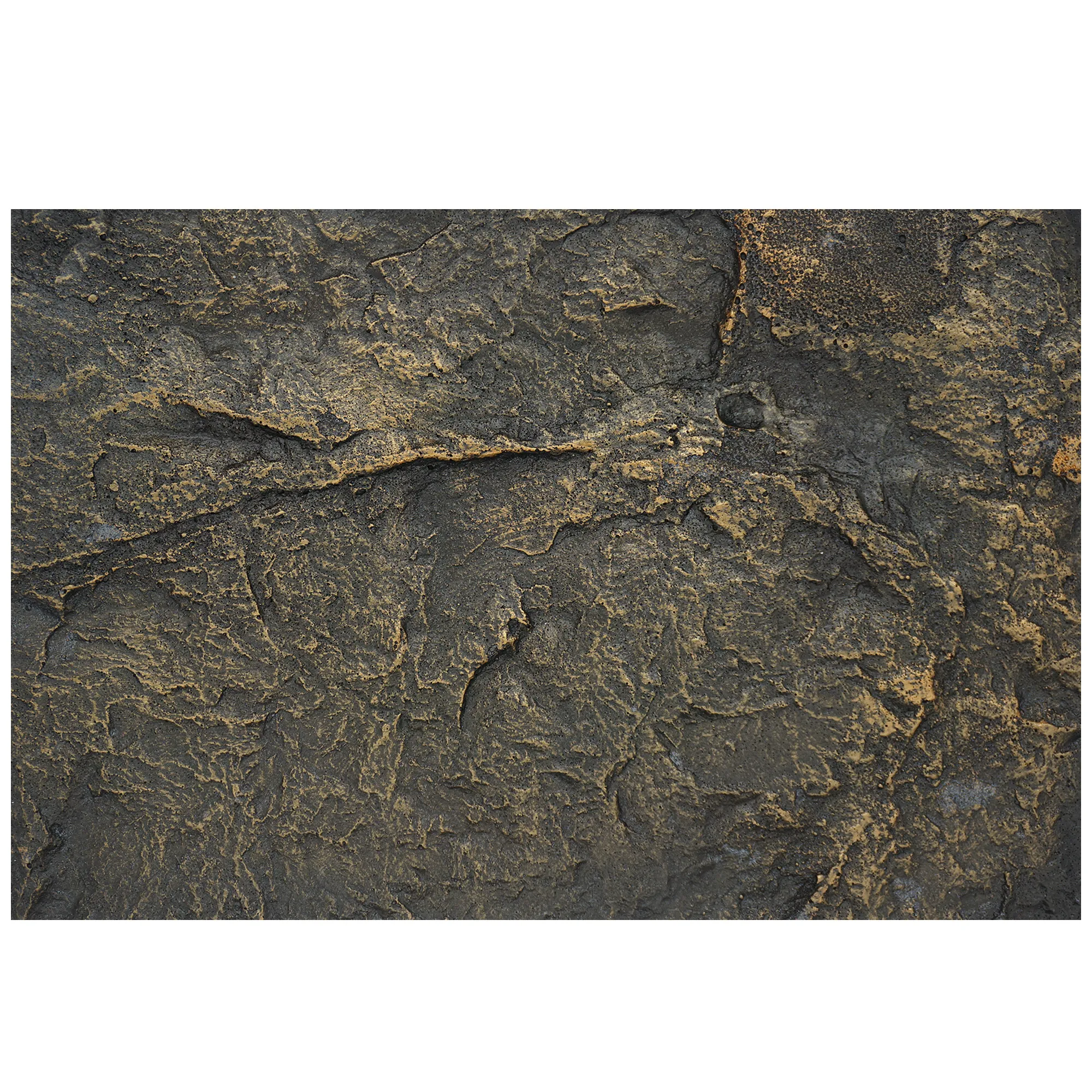
Where timeless design meets a promise to the planet—how one material is redefining responsible luxury in architecture
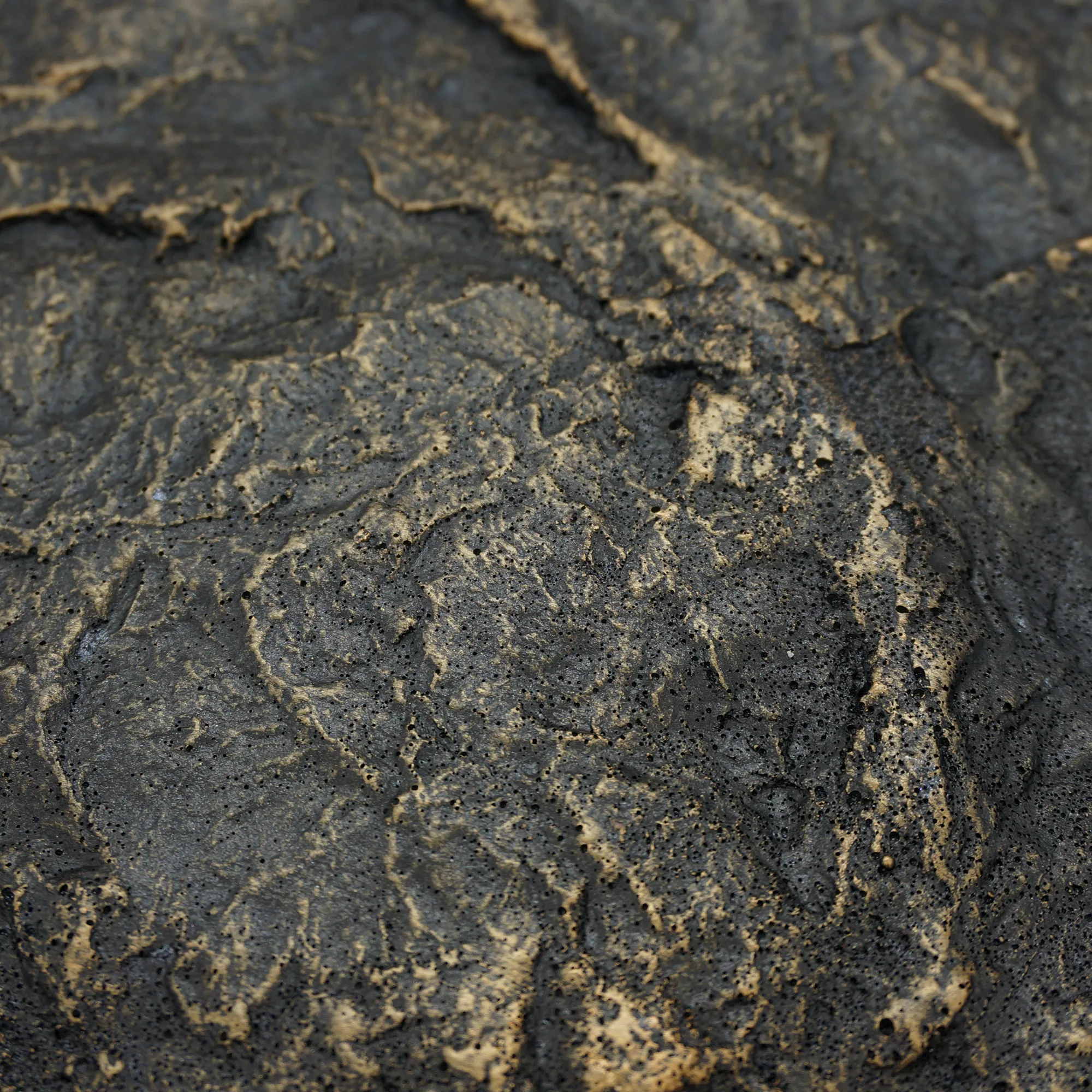
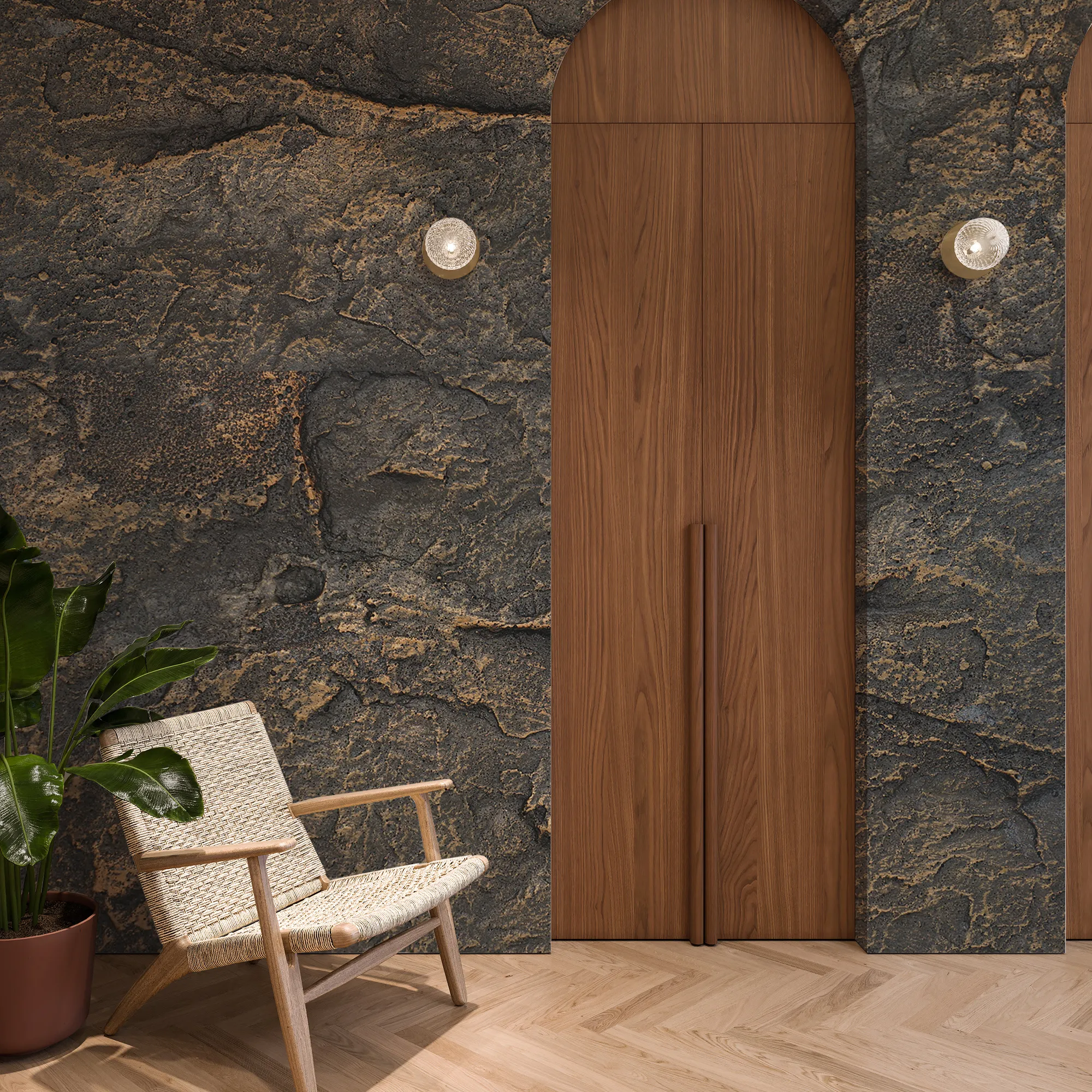
It starts with a touch. Run your hand over the surface of Boulder Slab (Vintage Gold) , and you'll feel it—the subtle texture that tells a story of intention, not just production. This isn't just a building material; it's a bridge between the past and future, a reminder that beauty doesn't have to come at the Earth's expense. For designers like Maria Almeida, who first encountered it while renovating a 1920s brownstone in Lisbon, it was love at first sight.
"I'd spent months searching for something that felt both grand and grounded," Maria recalls. "Then I laid eyes on the Vintage Gold slab. The way the light catches its golden undertones—warm, not brash—it felt like bringing sunlight indoors, even on the cloudiest days. But what sold me was learning how COLORIA makes it: with 60% recycled stone aggregate and a waterless finishing process. Finally, a material that didn't make me choose between aesthetics and my values."
That balance is at the heart of COLORIA's mission. Since 2010, the brand has quietly revolutionized the industry by proving that "sustainable" and "sophisticated" aren't competing ideals. Today, as they set their sights on 2025, Boulder Slab (Vintage Gold) stands as a flagship of this philosophy—a material that doesn't just adorn spaces, but elevates them with a conscience.
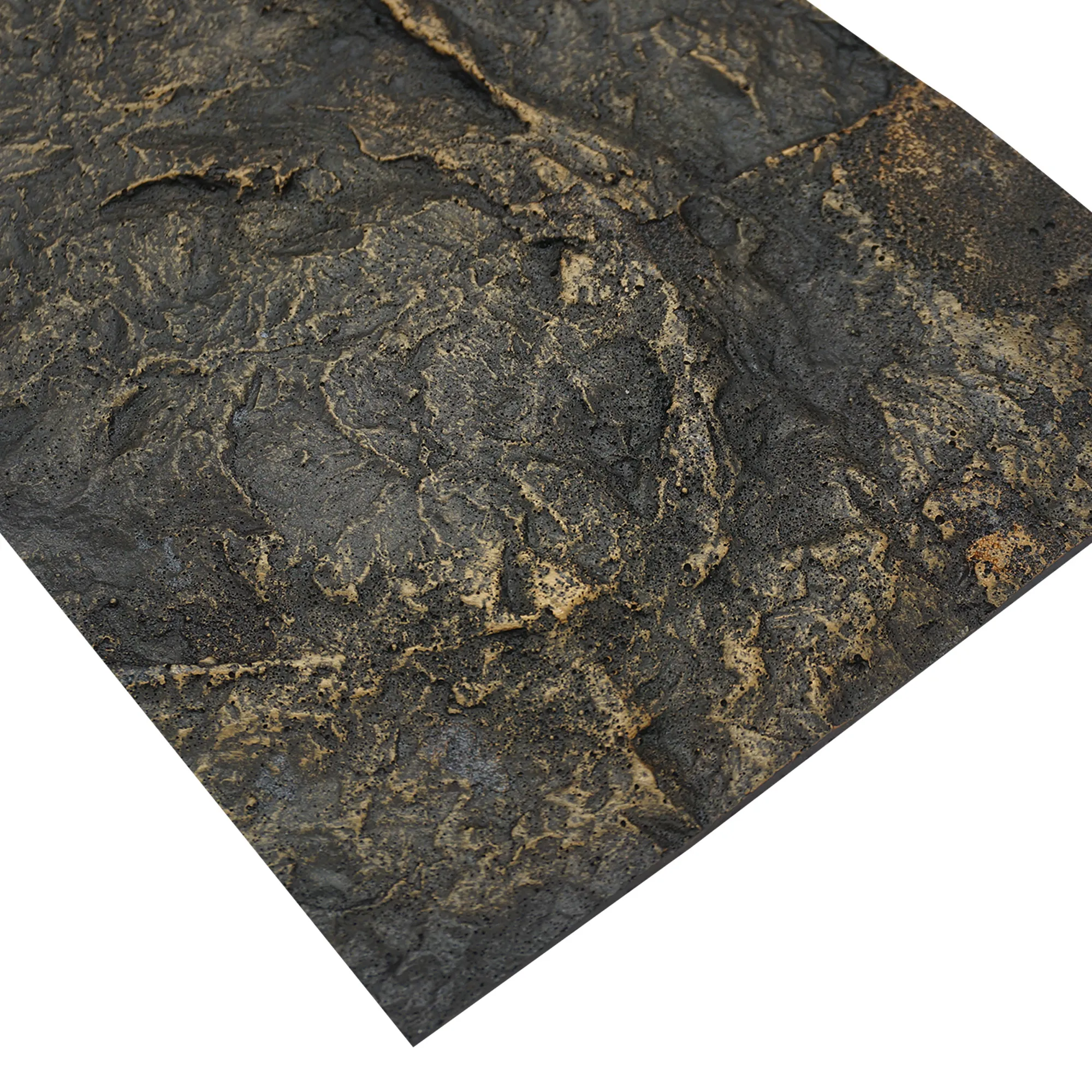
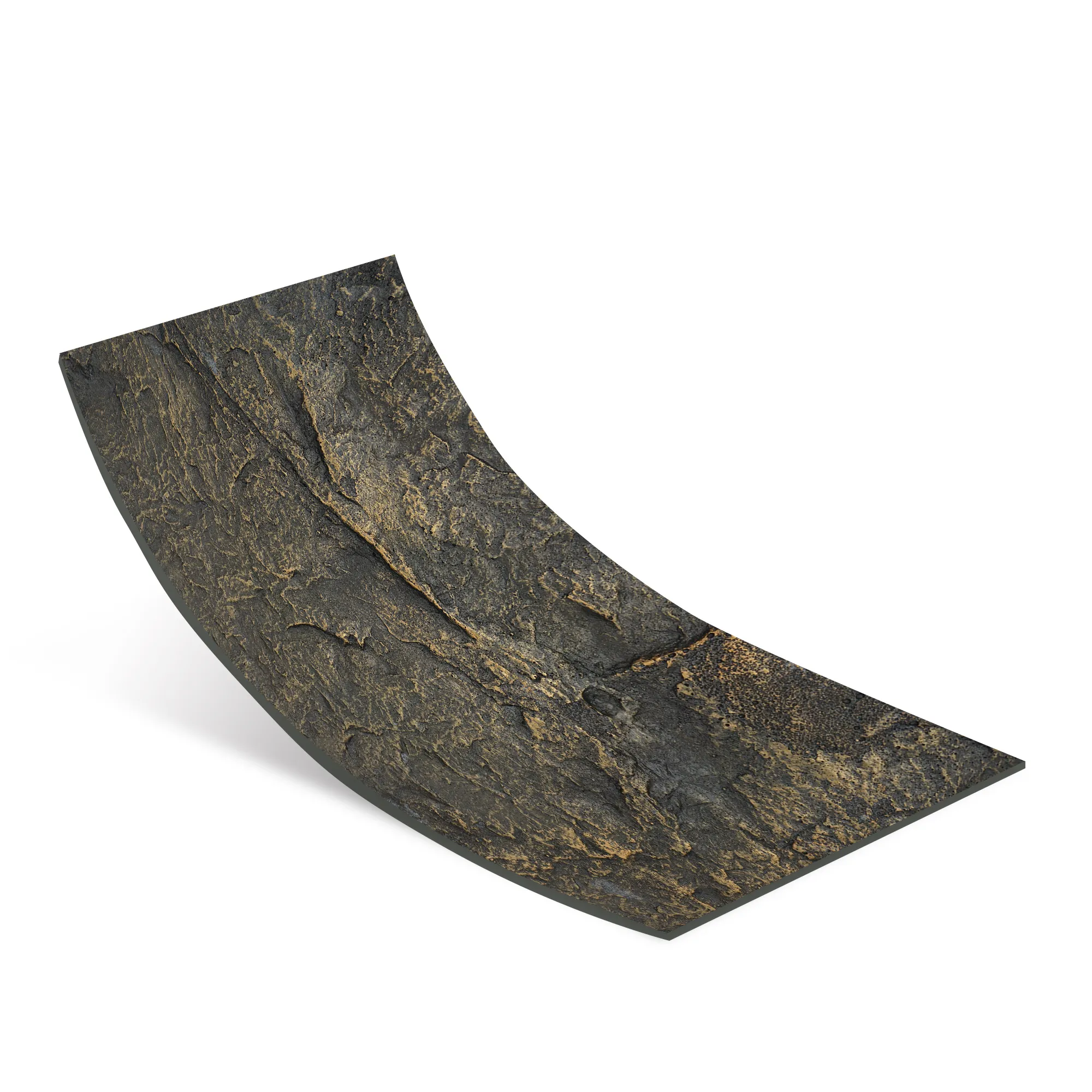
To understand Boulder Slab (Vintage Gold) , you have to start at the source. Unlike traditional stone slabs, which often require destructive quarrying and chemical-heavy treatments, COLORIA's process is rooted in circularity. The journey begins with recycled stone waste from construction sites—pieces once destined for landfills, now crushed, refined, and blended with a low-carbon binder. The result? A slab that's 30% lighter than natural stone (reducing transportation emissions) and just as durable, with a unique patina that deepens over time.
"We call it 'vintage' for a reason," says Elena Torres, COLORIA's head of material innovation. "It's designed to age gracefully, like a well-loved leather chair or a vintage watch. That longevity matters—because the most sustainable material is one that never needs replacing." Elena pauses, gesturing to a sample of the slab on her desk. "See these flecks of gold? They're actually recycled brass particles from electronic waste. It's our way of giving new life to materials that would otherwise pollute the planet."
This commitment to green building materials isn't just a marketing talking point. In 2023, COLORIA's factory in Barcelona became the first in the industry to achieve carbon-neutral production for its Boulder Slab line, thanks to solar panels, rainwater harvesting, and a partnership with a local wind farm. "We're not perfect," Elena admits, "but we're obsessed with progress. Every year, we ask: How can we do better?"
COLORIA's 2025 sustainability goals aren't just numbers on a page—they're a promise to the communities, designers, and future generations who rely on their materials. Here's a look at where they stand, and where they're heading:
| Goal Area | 2023 Baseline | 2025 Target | Progress (as of 2024) |
|---|---|---|---|
| Carbon Emissions (per ton of material) | 450 kg CO₂e | 250 kg CO₂e | 62% (320 kg CO₂e) |
| Recycled Material Usage | 60% | 80% | 71% (70% achieved) |
| Water Consumption (per slab) | 12L | 5L | 75% (9L achieved) |
| Waste Sent to Landfill | 15% | 5% | 67% (10% achieved) |
"These goals keep us accountable," says Carlos Mendez, COLORIA's sustainability director. "Take water consumption: In 2022, we were using 18 liters per slab. By switching to air-drying technology and reusing 90% of our process water, we've cut that to 9 liters. Next year, we're rolling out a closed-loop system that will bring it down to 5. It's not just about hitting targets—it's about proving that sustainability is scalable."
For clients like the team behind the GreenHaven Tower in Berlin, these metrics are non-negotiable. "We chose Boulder Slab (Vintage Gold) for our lobby because it aligned with our LEED Platinum goals," says project architect Jan Richter. "But honestly? The color and texture sold the stakeholders. It's a win-win: we hit our sustainability targets, and the space feels luxurious. That's the future of building—no compromises."
While Boulder Slab (Vintage Gold) may be the star, it's far from the only player in COLORIA's sustainable lineup. Take Foamed Aluminium Alloy Board (Vintage Gold) , for example—a lightweight, corrosion-resistant material that pairs seamlessly with the slab. Used together on the facade of the new EcoArts Center in Seattle, the two materials create a dynamic interplay of warm gold and cool metal, all while reducing the building's overall weight by 20% (and thus its foundation carbon footprint).
"They're like dance partners," says Seattle-based designer Mia Chen, who worked on the project. "The aluminium board reflects sunlight, keeping the building cool in summer, while the Boulder Slab adds depth and texture. And since both are made with recycled materials, we didn't have to sacrifice the design vision for sustainability. It's the kind of synergy that makes me excited to come to work."
Then there's Travertine (Starry Orange) —a vibrant, earthy cousin to the Vintage Gold slab, with flecks of recycled glass that catch the light like distant stars. Introduced in 2023, it's become a favorite for hospitality spaces, where its warmth invites guests to linger. "We used it in the lobby of the Azura Hotel in Marrakech," says hotelier Amina Bennani. "Guests often comment on how 'alive' the walls feel. Little do they know, those 'stars' are actually bottles and windows that would have ended up in the desert. It's storytelling through design."
As COLORIA marches toward 2025, they're already dreaming bigger. Enter Epoch Stone —a next-gen material currently in development that aims to replace traditional concrete with a blend of mycelium (mushroom roots), recycled aggregates, and natural pigments. "It's still early days," Elena Torres admits, "but the potential is mind-blowing. Imagine a concrete-like material that grows, not manufactured—one that sequesters carbon instead of emitting it. That's the future we're building toward."
But for all their innovation, COLORIA's greatest strength might be their refusal to lose sight of the human element. "At the end of the day, buildings are for people," Carlos Torres says. "They're where we live, work, love, and dream. If our materials can make those spaces more beautiful and more responsible, then we're doing our job."
Back in Lisbon, Maria Almeida's brownstone renovation is complete. Sunlight streams through the windows, catching the warm glow of the Boulder Slab (Vintage Gold) kitchen island. "I have clients over, and they always ask about the material," she says, smiling. "I tell them it's not just stone—it's a promise. A promise that we can build a world that's as kind to the planet as it is beautiful to live in."
"The future of design isn't about choosing between form and function, or beauty and sustainability. It's about realizing they were never opposites at all." — COLORIA's 2025 Vision Statement
Recommend Products












