If 3D printing is the "how" of modern construction, flexible stone is the "wow." For centuries, stone has been celebrated for its durability and beauty—but it's always been unyielding. A slab of marble or
travertine is stiff, heavy, and unforgiving. Try to curve it, and it cracks. Try to wrap it around a column, and you're left with unsightly seams.
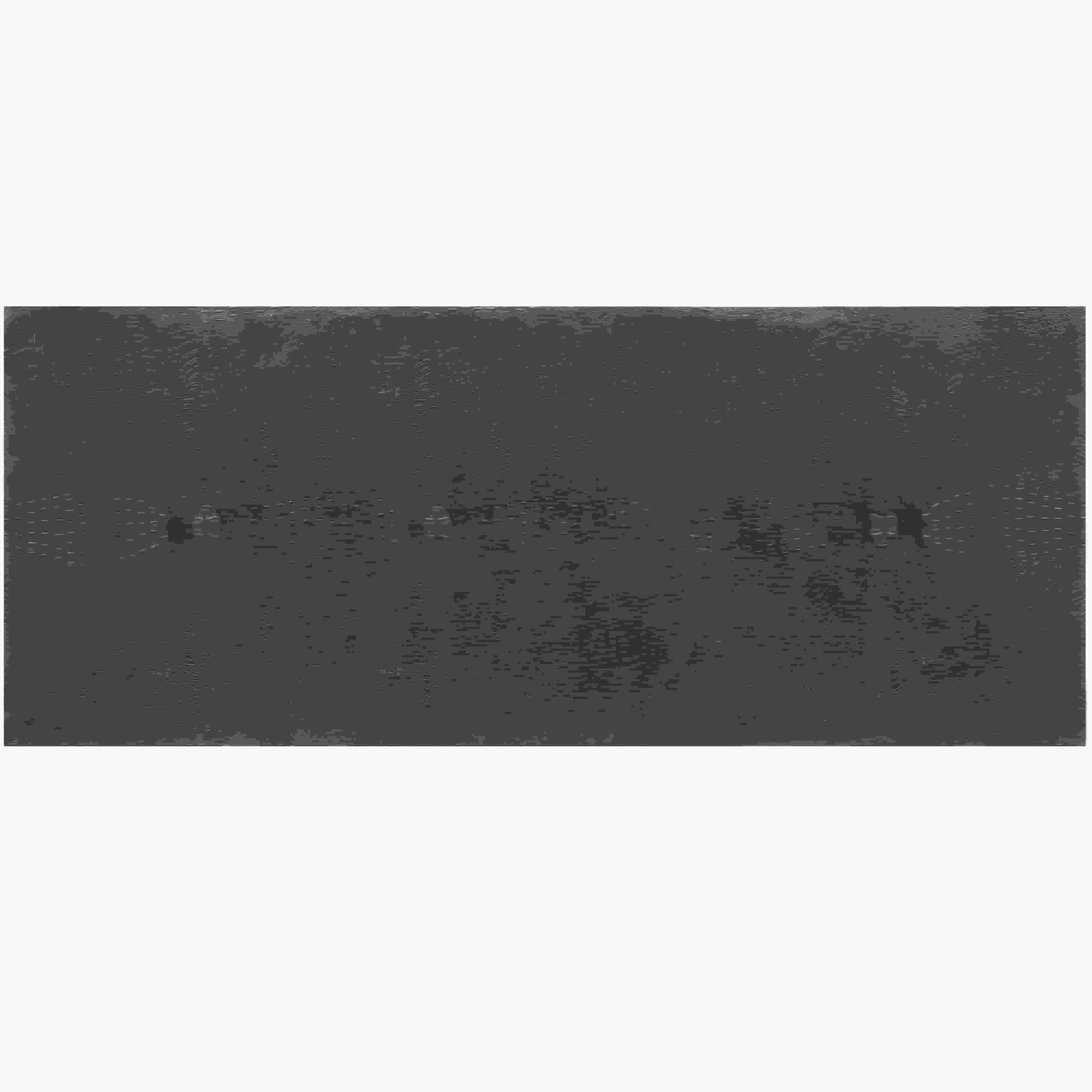
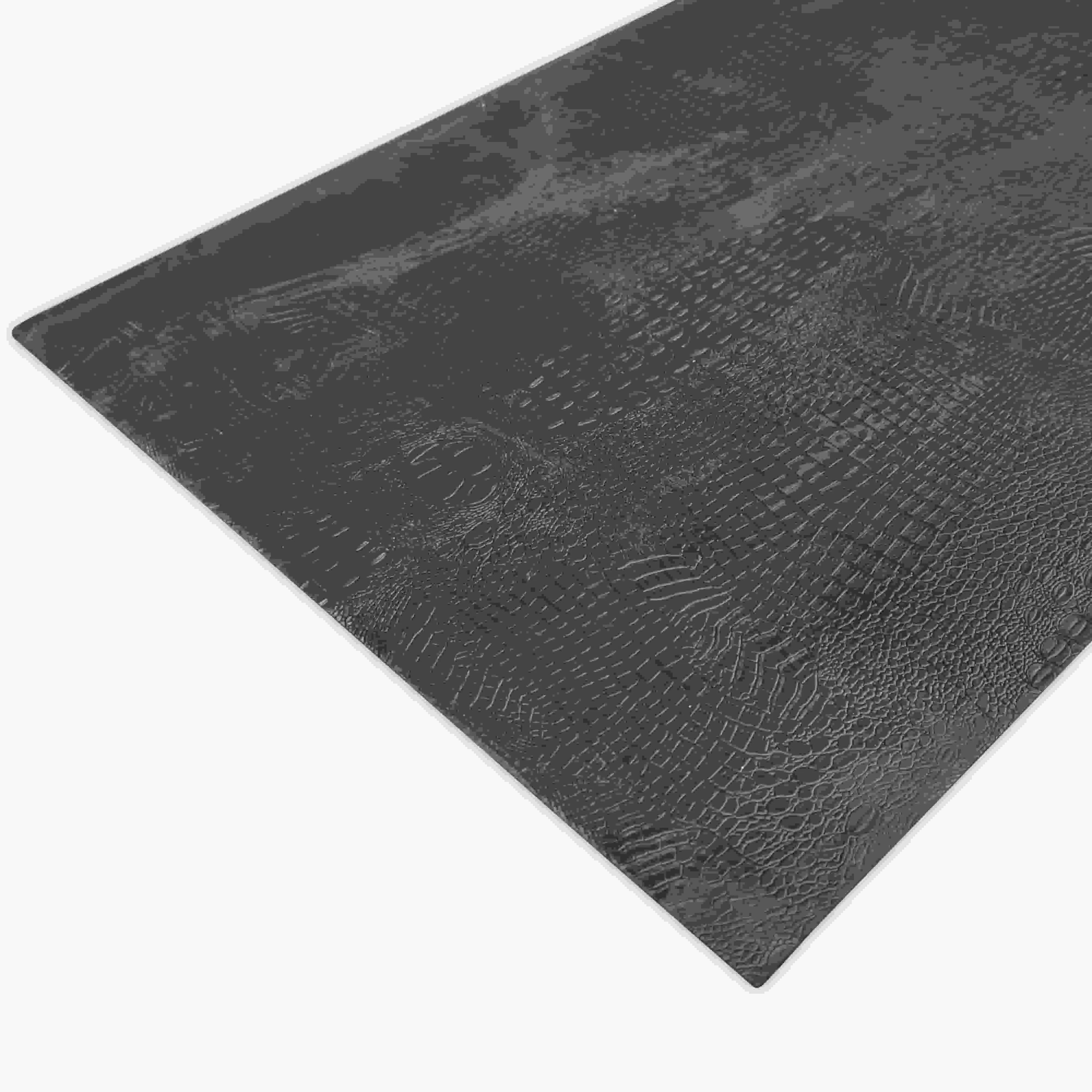
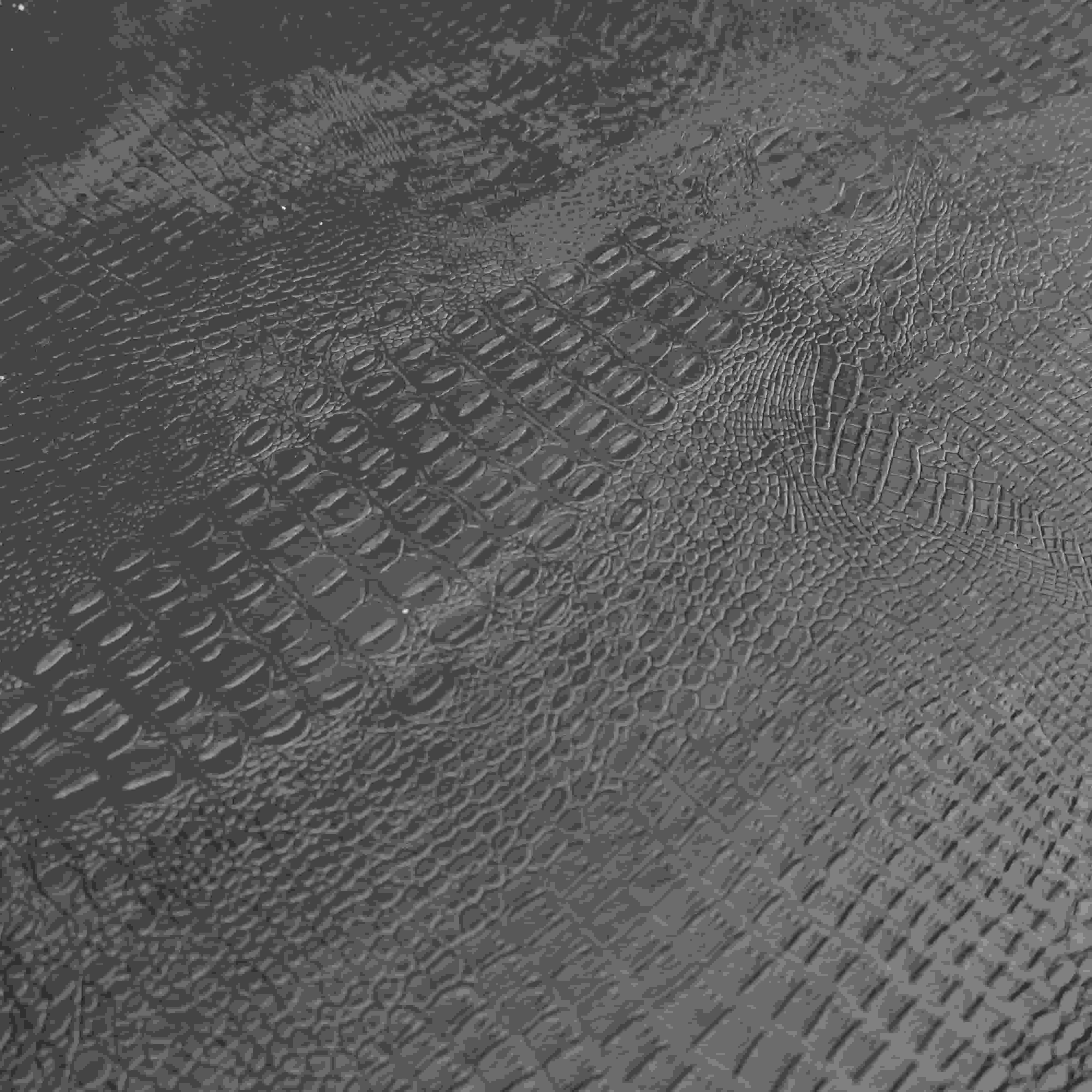
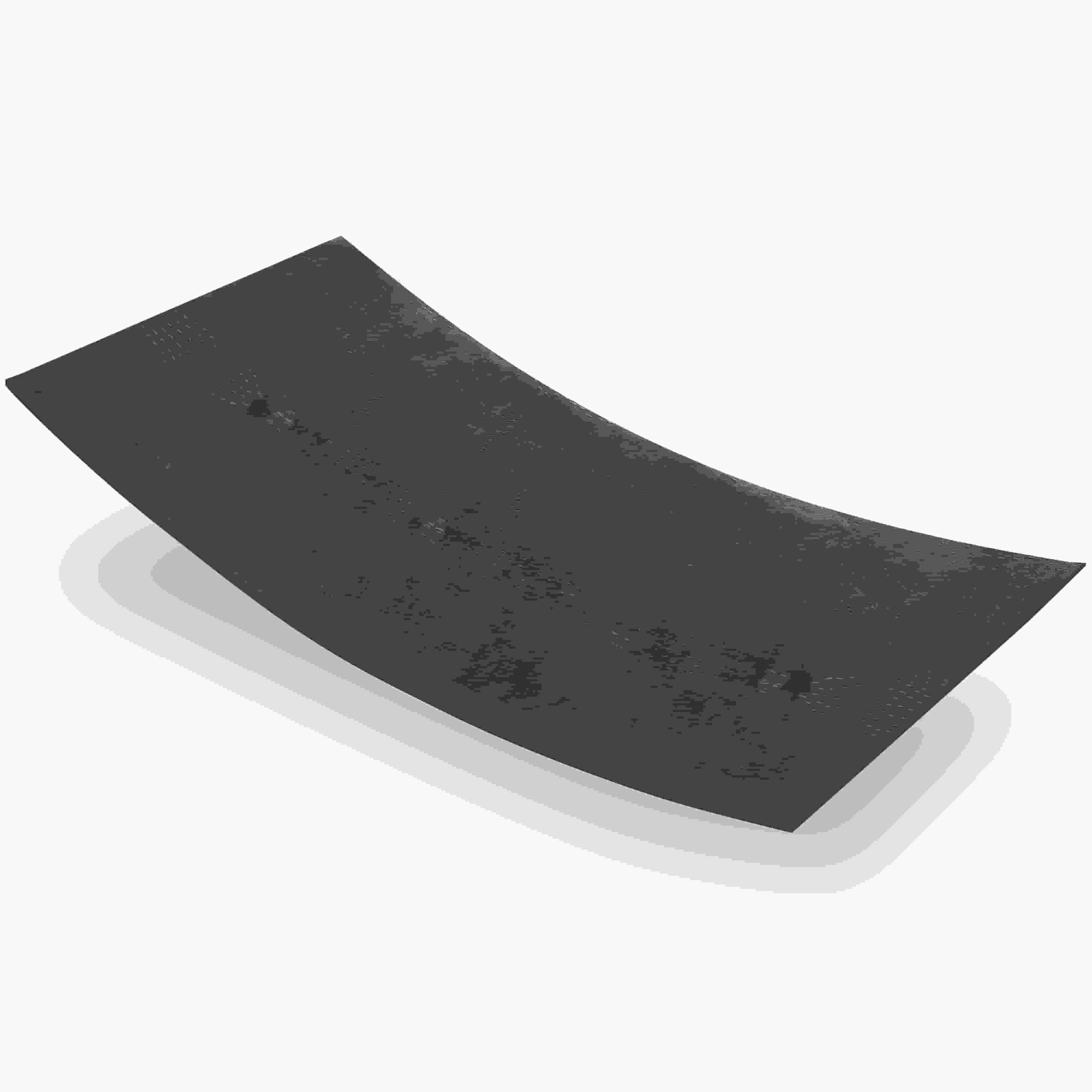
Croco MCM's flexible stone changes that. It's stone, but not as you know it. Made by bonding thin layers of natural stone with a high-tech polymer backing, it's lightweight (up to 70% lighter than traditional stone) and—true to its name—flexible. It can bend up to 90 degrees without breaking, making it perfect for curved walls, rounded columns, or even wave-like facades.
Picture a boutique hotel in Bali, where the exterior walls flow like ocean waves. With traditional stone, that design would require hundreds of small, cut pieces, each angled slightly to create the curve—costly, time-consuming, and prone to gaps. With flexible stone? The panels are printed (yes, even flexible stone can be 3D printed with the
mcm 3d printing series) to the exact curve needed, then applied in large sheets. The result? A seamless, organic look that feels like the building itself is breathing.
"We worked with an architect in Tokyo who wanted a facade that looked like a forest of bamboo," says Gonzalez. "Traditional stone would have made that impossible—too heavy, too rigid. But with flexible stone, we printed panels that mimicked bamboo's organic lines, then curved them to create the illusion of swaying stalks. The building now stands out not just for its design, but for how it makes people feel—connected to nature, even in the heart of the city."