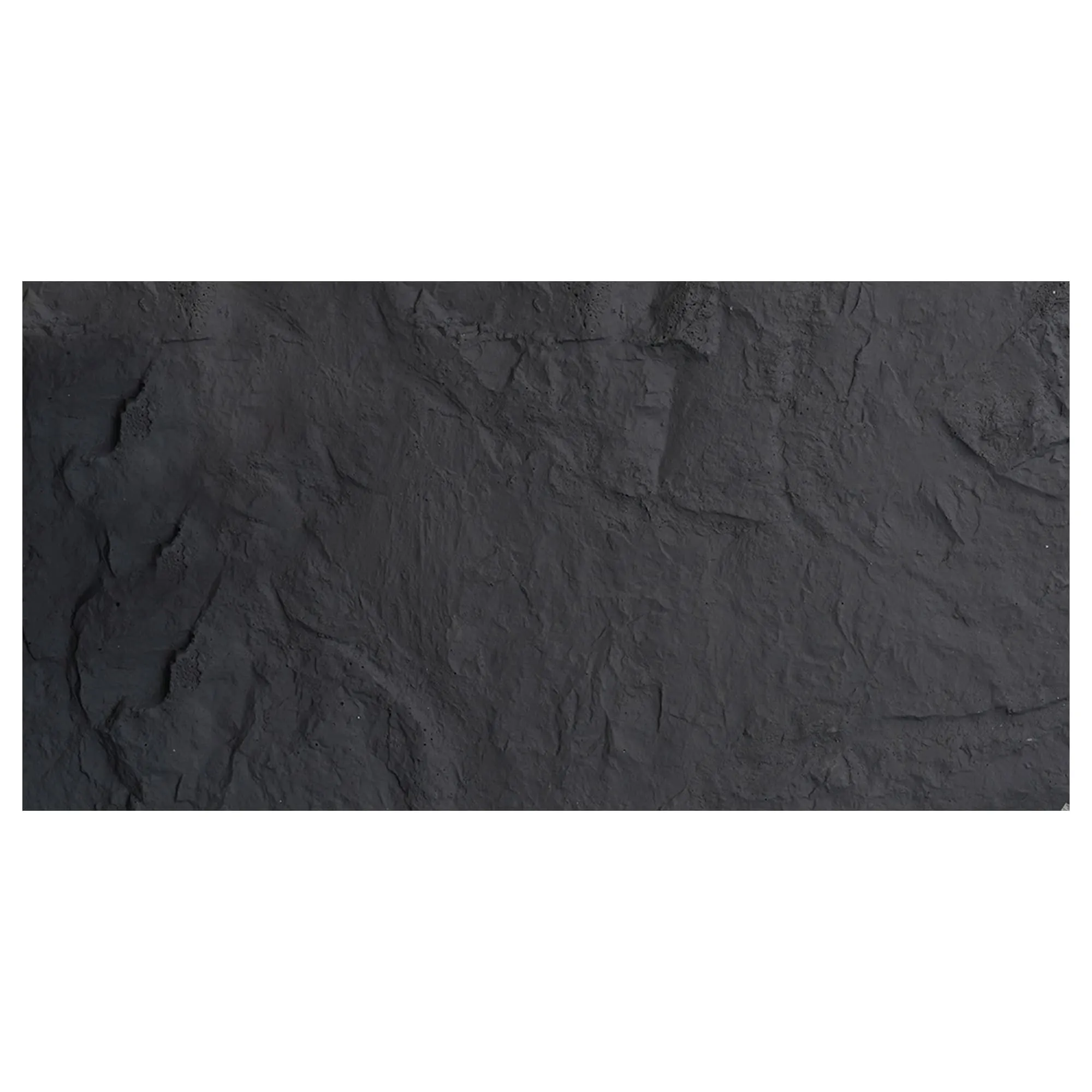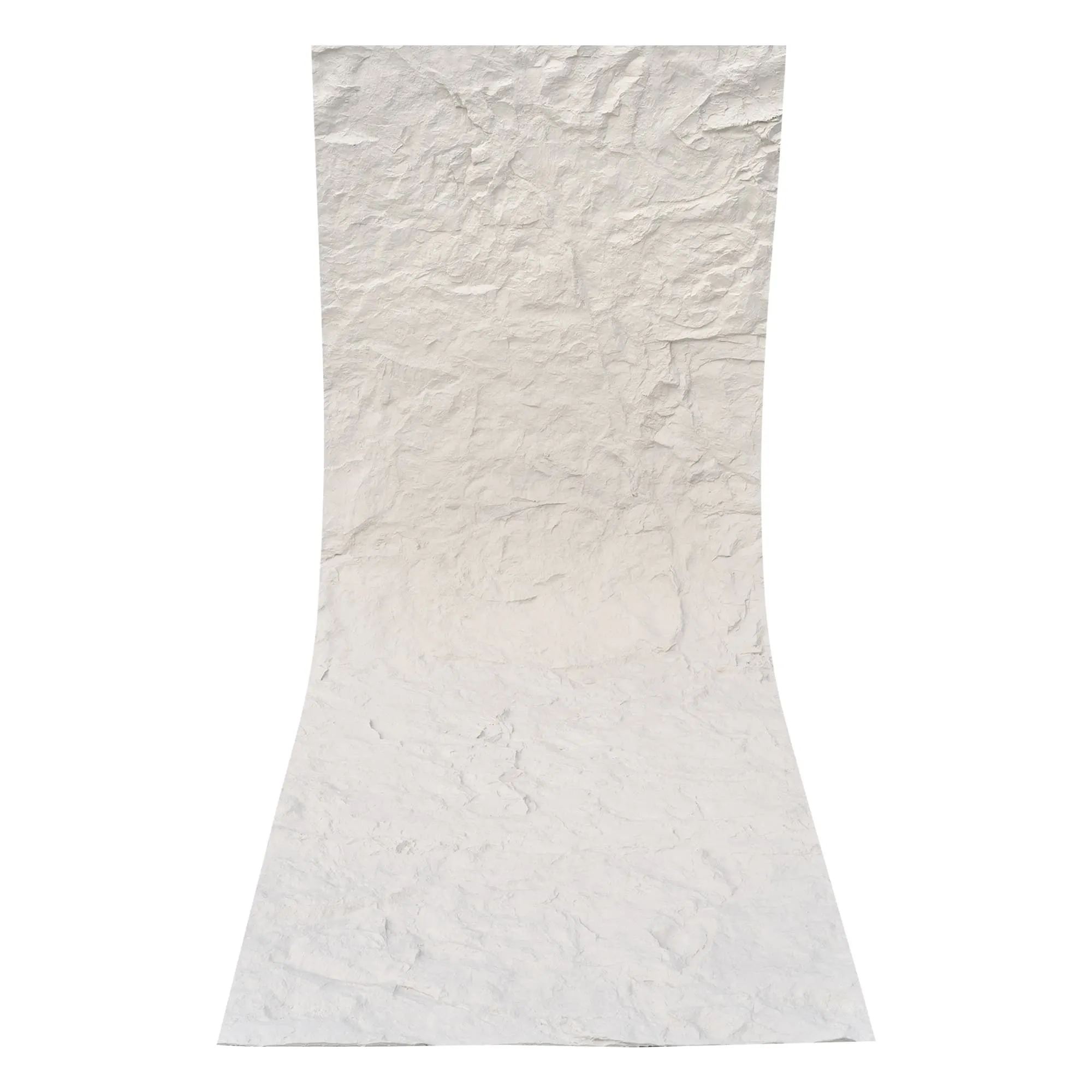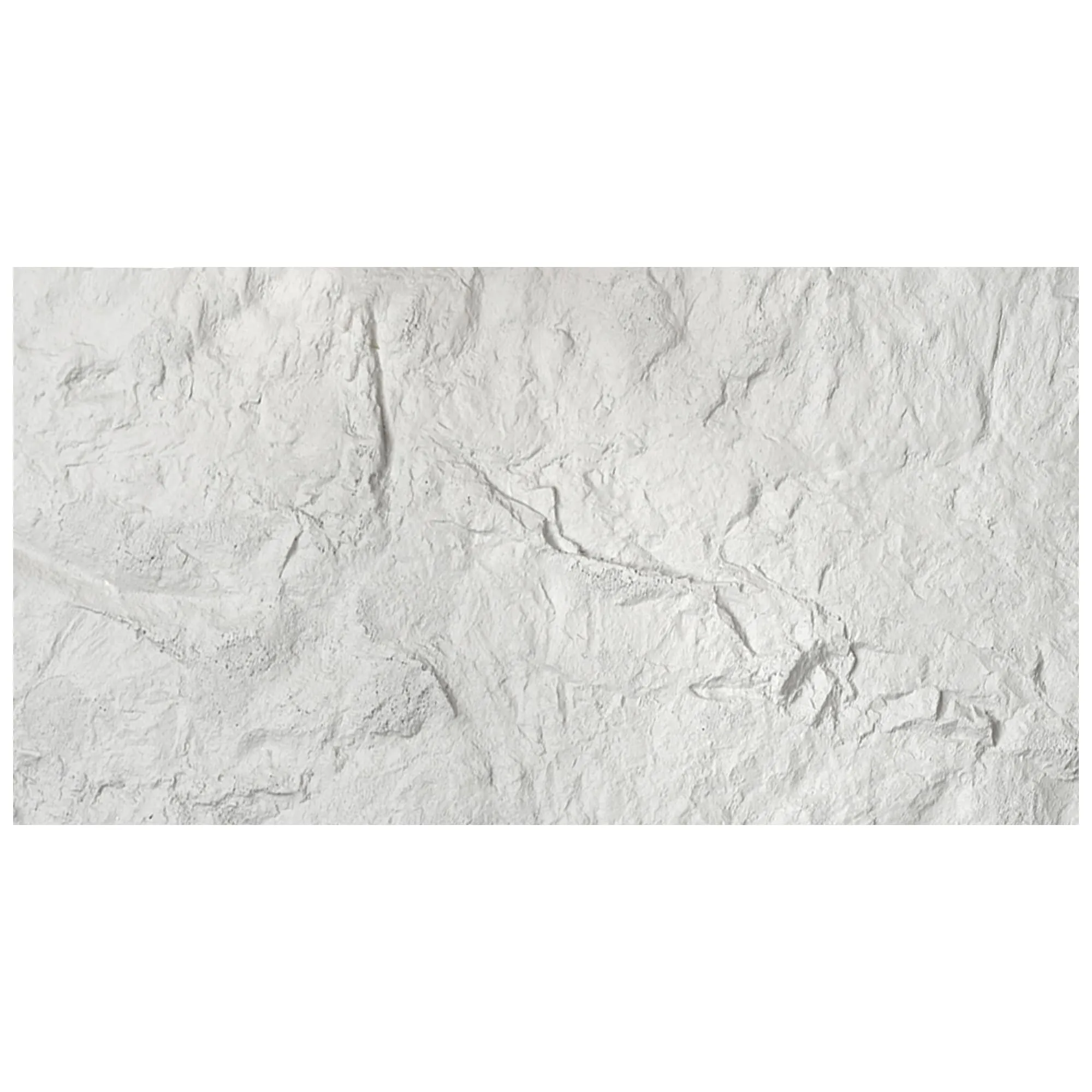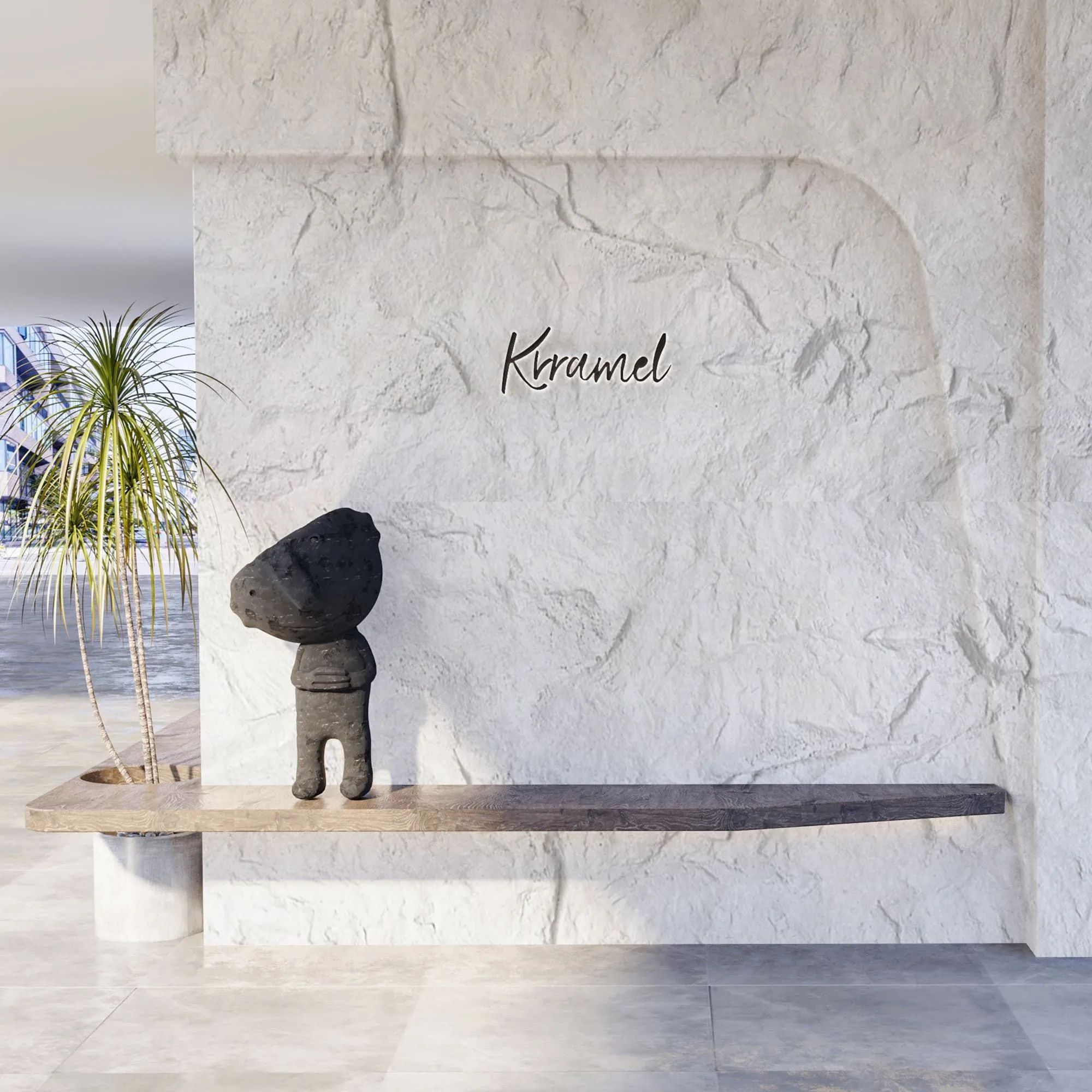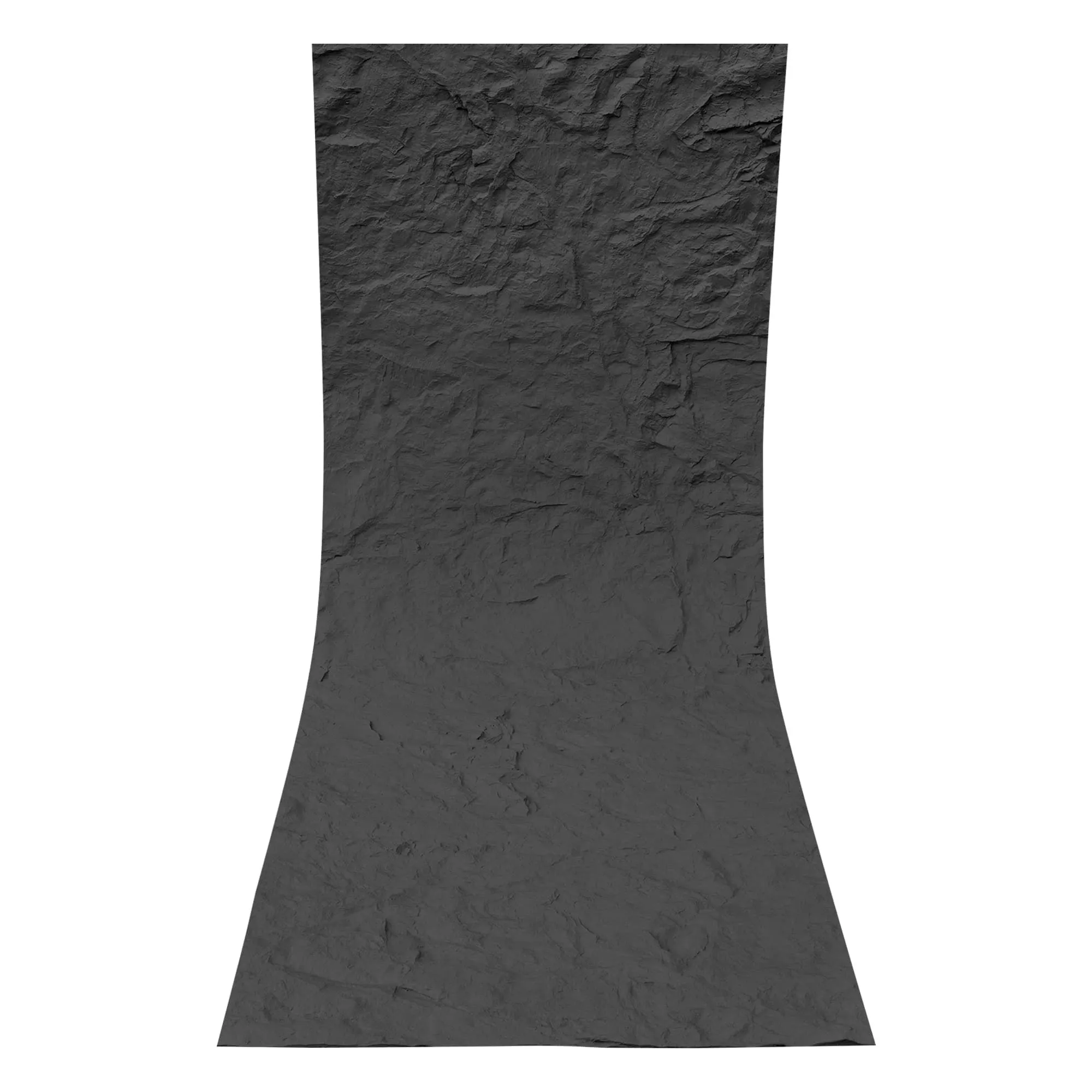
Let's start with the moment that matters most: the first time you lay eyes on it. Imagine stepping into a sunlit showroom, where samples of stone and metal line the walls. Most feel familiar—smooth, polished, predictable. Then your hand brushes against something different. It's the Vintage Black Boulder Slab. At first glance, it's deep, moody, like a storm cloud frozen in stone. But run your fingers over its surface, and you'll notice something unexpected: texture. Not the harsh, industrial ridges of machine-cut stone, but a soft, undulating pattern that feels almost lived-in , as if the material itself has a story to tell.
"It's the kind of texture that makes you want to pause," says Maya Chen, a senior architect at a boutique design firm in Chicago, who recently specified the slab for a high-end residential project. "When I first ran my palm across it, I thought of ancient rock formations—those weathered by wind and rain, not by machines. But then I realized it's not just old; it's timeless . It has the gravitas of stone but the warmth of something handcrafted."
That warmth is key. In an era where so much of our built environment feels sterile—all glass and steel and perfectly flat surfaces—the Vintage Black Boulder Slab brings humanity back to design. It's not just a material; it's a conversation starter. A kitchen countertop that makes you linger over morning coffee, tracing its patterns. A fireplace surround that becomes the focal point of a family room, where kids press their hands against it to feel the coolness, then giggle at the way the light catches its flecks of silver and charcoal.