
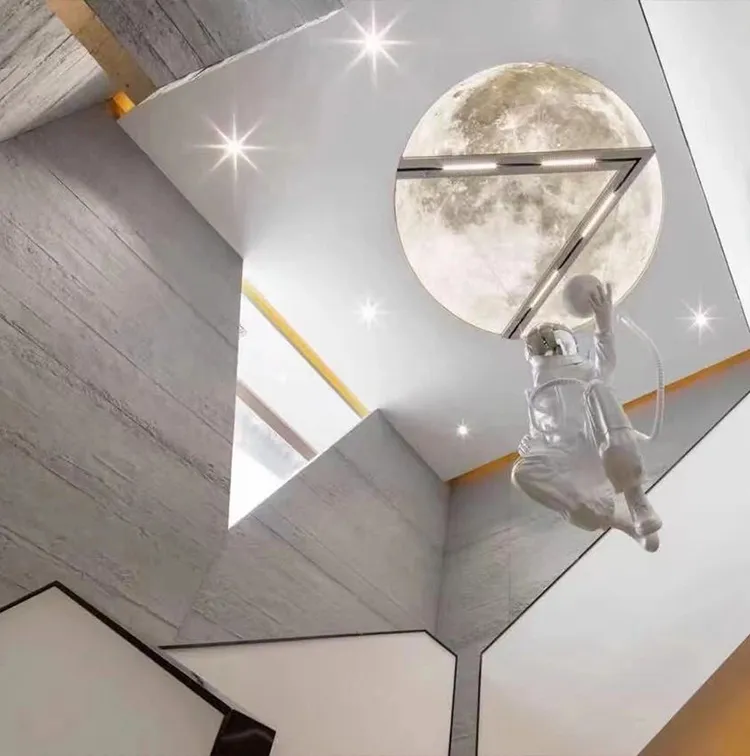
Walk into any modern building—whether it's a sleek urban office, a cozy residential home, or a bustling retail space—and you'll likely encounter a material that's been quietly revolutionizing construction: cement board. For decades, it's been the unsung hero of durability, offering strength and stability in walls, floors, and facades. But as the world shifts toward greener living and more dynamic design, the humble cement board is undergoing a transformation. Today, it's not just about being tough; it's about being smart, sustainable, and stunningly versatile. Let's dive into how innovations in materials, manufacturing, and design are reshaping the future of cement board—and why that matters for builders, designers, and anyone who calls a building "home."
Traditional cement board has long been prized for its no-nonsense reliability. Made from a mix of cement, fiberglass, and aggregates, it resists fire, moisture, and rot—qualities that make it a staple in high-traffic or wet areas like kitchens and bathrooms. But it's also heavy, rigid, and often limited in aesthetic appeal. Enter a new generation of cement-based materials that blend the best of old-world strength with cutting-edge innovation. Take mcm flexible stone , for example. This modified composite material mimics the texture and color of natural stone—think travertine, granite, or slate—but with a flexibility that lets it curve around corners, wrap columns, or even be used in 3D-printed designs. It's light enough to reduce installation time and structural load, yet tough enough to withstand harsh weather, making it a favorite for both interior accent walls and exterior facades.
Then there's the rise of materials like rammed earth board(matcha green) , which draws inspiration from ancient construction techniques but adds modern stability. Traditional rammed earth—compressed layers of soil, gravel, and clay—has been used for centuries for its thermal mass and earthy beauty, but it's bulky and hard to scale. Modern rammed earth boards solve that by compressing natural materials with eco-friendly binders, creating panels that are thin, lightweight, and prefabricated for easy installation. The "matcha green" variant, with its soft, earthy hue, brings a touch of biophilic design to spaces, connecting occupants to nature without sacrificing durability. It's a perfect example of how the future of cement board isn't just about new tech—it's about reviving old wisdom with a modern twist.
If there's one trend driving innovation in construction, it's sustainability. Today's builders and homeowners aren't just asking, "Will this material last?" They're asking, "What's its carbon footprint?" "Is it made from recycled materials?" "Can it be recycled when it's time to replace it?" Cement board, historically tied to high-carbon cement production, is rising to the challenge with materials that prioritize the planet at every stage—from extraction to disposal.
Consider fair-faced concrete , a finish that's gaining popularity for its raw, unpolished look. Unlike traditional concrete, which often requires energy-intensive treatments like painting or sealing, fair-faced concrete is left exposed, showcasing its natural texture and color. This not only reduces the use of harmful chemicals but also cuts down on maintenance over time. Architects love it for its minimalist aesthetic, but its sustainability credentials are equally compelling: many manufacturers now produce it using recycled aggregates (like crushed concrete from demolished buildings) and low-carbon cement blends, slashing its environmental impact by up to 30% compared to standard concrete panels.
Another standout in eco-friendly design is ando cement(light grey) , named in honor of the legendary Japanese architect Tadao Ando, who famously used concrete as a canvas for light and shadow. Ando cement boards take that philosophy further by focusing on low-energy manufacturing. They're made with a specialized curing process that reduces CO2 emissions, and their light grey tone—soft, muted, and versatile—eliminates the need for additional pigments or coatings. The result? A material that's as kind to the planet as it is to the eye, proving that sustainability and beauty can go hand in hand.
Even more exciting is the integration of recycled and renewable materials into cement board production. Some manufacturers are incorporating agricultural waste (like rice husk ash) or industrial byproducts (like fly ash from power plants) into their mixes, reducing the need for virgin resources. Others are exploring bio-based binders made from plant starches, further cutting carbon emissions. And when it comes to end-of-life, many modern cement boards are designed to be recyclable or biodegradable, closing the loop on the circular economy. It's a far cry from the "use-and-discard" mindset of the past—and a promising sign that the construction industry is serious about reducing its environmental footprint.
Sustainability is critical, but let's not forget: cement board still needs to perform. After all, what good is a green material if it cracks in a storm or fades in the sun? Today's innovations are proving that you don't have to choose between eco-friendliness and durability—in fact, they often go hand in hand.
Take foamed aluminium alloy board (vintage silver) , a hybrid material that pairs the strength of aluminium with the lightness of foam. Unlike traditional metal panels, which can be heavy and prone to corrosion, foamed aluminium alloy boards have a cellular structure that reduces weight by up to 70% while maintaining impressive rigidity. The "vintage silver" finish adds a touch of industrial chic, making it a hit for modern commercial spaces, but its real superpower is performance. It's fire-resistant, sound-absorbent, and impervious to rust, making it ideal for high-rise exteriors or busy urban interiors. And because it's lightweight, it reduces the need for heavy structural support, cutting down on construction time and costs—a win-win for builders and budget-conscious clients.
Durability isn't just about strength, though—it's about adaptability. Modern cement boards are designed to handle the unexpected, whether that's extreme temperatures, humidity, or even seismic activity. For example, mcm flexible stone's flexibility allows it to expand and contract with temperature changes, preventing cracks that can weaken traditional rigid panels. Similarly, rammed earth boards, with their natural thermal mass, help regulate indoor temperatures, reducing the need for heating and cooling—a boon for energy efficiency and comfort. Even in coastal areas, where saltwater and humidity can wreak havoc on building materials, innovations like corrosion-resistant coatings and moisture-wicking additives are making cement boards more resilient than ever.
Design versatility is another area where today's cement boards shine. Gone are the days of plain, gray slabs—now, the options are limited only by imagination. Want a wall that looks like it's covered in starry night sky? Try travertine (starry blue) panels, which mimic the look of natural stone with embedded "stars" of iridescent aggregate. Dreaming of a rustic cabin vibe but need something low-maintenance? Wood grain board offers the warm texture of wood without the risk of rot or termites. And for those who crave the sleek, modern look of metal, foamed aluminium alloy boards come in finishes like vintage gold and bronze, adding a touch of luxury to any space. Even traditional materials like limestone and marble are being reimagined as thin, lightweight panels that capture their natural beauty without the weight or cost of solid stone.
| Feature | Traditional Cement Board | MCM Flexible Stone | Foamed Aluminium Alloy (Vintage Silver) | Rammed Earth Board (Matcha Green) |
|---|---|---|---|---|
| Material Composition | Cement, fiberglass, sand | Recycled stone aggregates, polymer binders | Aluminium alloy with cellular foam core | Compressed soil, clay, natural binders |
| Weight (per sqm) | 20–25 kg | 8–12 kg | 5–7 kg | 10–15 kg |
| Installation Complexity | Heavy; requires multiple installers | Lightweight; can be cut/ curved on-site | Lightweight; modular for quick installation | Prefabricated; easy to mount |
| Eco Impact | High carbon footprint; limited recycling | Recycled materials; low CO2 production | Recyclable aluminium; energy-efficient manufacturing | Natural materials; low embodied energy |
| Design Versatility | Limited colors/ textures; rigid | Stone, marble, granite finishes; flexible for curves | Metallic finishes; sleek, modern look | Earthy tones; natural, textured surface |
| Durability Rating | High (moisture/ fire-resistant) | High (impact/ weather-resistant) | Very high (corrosion/ fire-resistant) | Medium-high (thermal/ moisture-resistant) |
To see these innovations in action, look no further than the "GreenSpire" office building in downtown Portland, Oregon. Designed by local firm EcoArch, the 10-story structure was built with sustainability and employee well-being in mind—and innovative cement boards played a starring role. The exterior facade features a mix of mcm flexible stone (in travertine, starry blue) and fair-faced concrete , creating a dynamic, textured look that changes with the light. The flexible stone panels wrap around the building's curved corners, adding visual interest while reducing the need for heavy steel supports. Inside, the lobby uses rammed earth board(matcha green) for accent walls, its soft green hue and natural texture creating a calming, nature-inspired atmosphere. Even the elevator shafts are clad in foamed aluminium alloy board (vintage silver) , which adds a modern touch while dampening sound for a quieter ride.
The results? GreenSpire achieved LEED Platinum certification, with energy use 40% lower than comparable buildings. Employees report higher satisfaction with the space, citing the natural materials and abundance of natural light (thanks to the thin, light-transmitting properties of some cement board variants). And the building's exterior has become a local landmark, proving that sustainable design can be eye-catching, too. As EcoArch principal Maria Lopez puts it: "We didn't want to choose between 'green' and 'beautiful.' With today's cement board innovations, we didn't have to. These materials let us build something that's good for the planet, good for people, and good to look at."
So, what does the future hold for cement board? If current trends are any indication, we're just scratching the surface. One exciting area is 3D printing, which allows for custom, complex shapes that were once impossible with traditional manufacturing. Imagine a facade printed on-site, with panels that interlock like puzzle pieces for faster installation, or custom-designed interior walls with built-in patterns and textures—all made from sustainable cement blends. Another trend is "smart" cement boards, embedded with sensors that monitor temperature, moisture, or structural stress, alerting building managers to issues before they become problems. And as the demand for circular construction grows, we'll likely see more materials made from 100% recycled content, or designed to be easily disassembled and reused at the end of a building's life.
Perhaps most importantly, the future of cement board is about accessibility. As these materials become more widely available and affordable, they'll democratize good design, allowing even small-scale projects—like a home renovation or a neighborhood café—to benefit from the same sustainability and beauty as large commercial buildings. Whether you're a builder, a designer, or a homeowner, the message is clear: the cement board of tomorrow isn't just a building material. It's a tool for creating spaces that are stronger, greener, and more human-centered than ever before.
At the end of the day, buildings are more than just walls and roofs—they're the backdrop to our lives. They shelter us, inspire us, and connect us to our communities. The future of cement board is about making those buildings better: better for the planet, better for the people who use them, and better at standing the test of time. From mcm flexible stone that bends to our design dreams to rammed earth boards that honor our past, these innovations are proof that construction can be both forward-thinking and rooted in what matters most. So the next time you walk into a building, take a closer look at the walls around you. Chances are, you're seeing the future of cement board—and it's looking brighter than ever.
Recommend Products












